REVIEW · CORDOBA
Visit Cathedral Mosque of Córdoba
Book on Viator →Operated by Córdoba EcoExperience · Bookable on Viator
Córdoba’s Mezquita Cathedral changes as you walk. It’s one of the few places where you can see a Muslim building stretched forward into Christian power, layer by layer, with UNESCO World Heritage recognition since 1984. I like that the tour is run with small groups, so you’re not lost in a crowd, and you get expert interpretation that helps the monument make sense fast.
My other favorite part is the way the story is connected to what’s physically in front of you—right down to the fact that long before the current landmark, there was an older Visigothic-era basilica on the same site. The one thing to consider is that this is still a major site: even with a guided plan, the experience can feel slower or more cramped if it’s a busy day or if the weather affects the schedule.
In This Review
- Key highlights at a glance
- Cathedral Mosque of Córdoba: the Muslim-Christian mix you can see
- Inside the visit: what your 90 minutes focuses on
- Why small-group guidance helps at La Mezquita-Catedral
- Price and what you get for about $31
- Timing at Puerta del Perdón: start strong, stay flexible
- What makes the UNESCO site feel personal, not just famous
- Who should book this Mezquita-Catedral visit
- Should you book Córdoba EcoExperience for the Cathedral Mosque?
- FAQ
- FAQ
- How long is the Cathedral Mosque of Córdoba visit?
- Is the admission ticket included?
- Where do we meet for the tour?
- Does the tour include transport?
- Is it a private tour?
- Do I need a printed ticket?
- What’s the cancellation policy?
- What happens if the weather is bad?
Key highlights at a glance
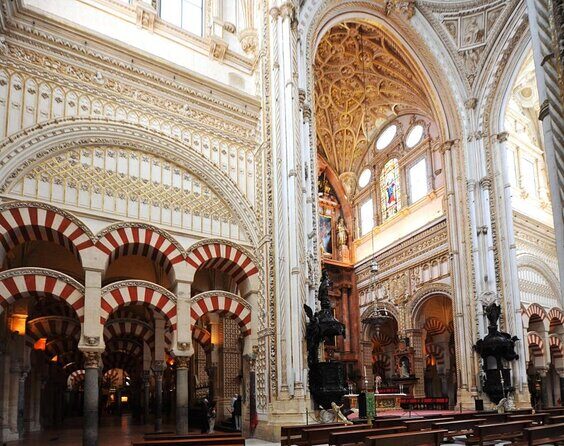
- Two faiths, one space: You’ll learn how the Muslim mosque and later Christian cathedral presence coexist.
- UNESCO since 1984: The site’s importance isn’t just a label; it’s explained in context.
- Visigothic roots: The earlier Basilica of San Vicente Martir gives the whole setting a deeper timeline.
- Small-group pacing: Less waiting around, more time spent understanding what you’re seeing.
- Mobile ticket entry: Easier check-in for the scheduled visit.
Cathedral Mosque of Córdoba: the Muslim-Christian mix you can see
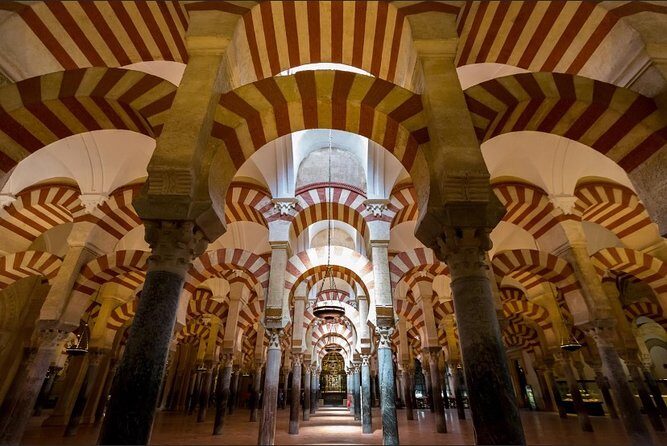
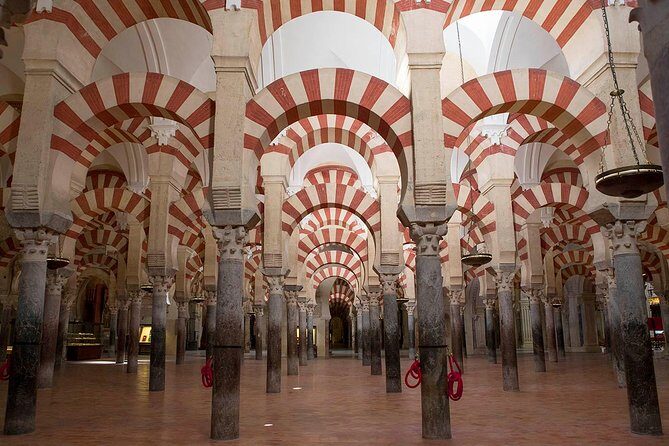
If you’ve ever stood in front of a big historic building and thought, okay, but what am I looking at, you’ll get why the Cathedral Mosque of Córdoba is so famous. This place is not one “single style” moment in time. It’s more like a visual timeline.
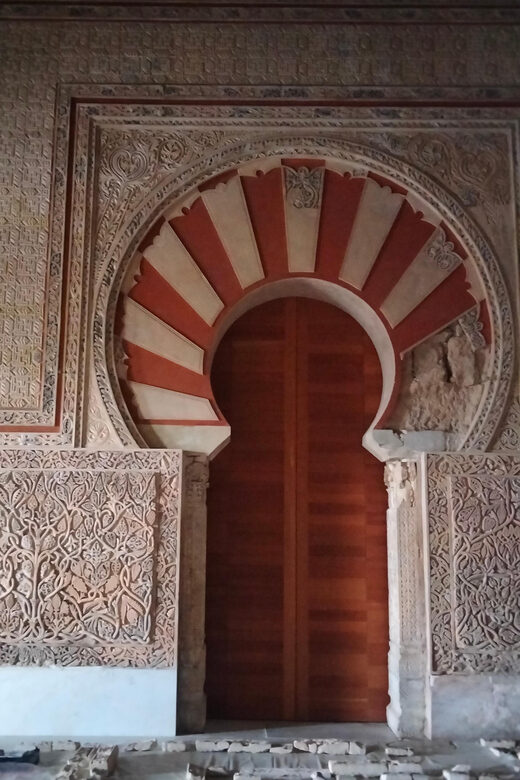
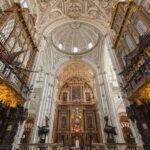
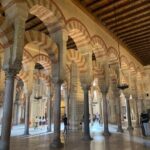
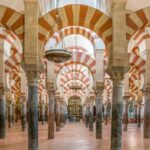
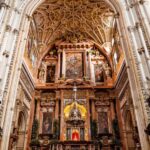
The core experience here is realizing that the monument became iconic because it wasn’t erased. Over centuries, Muslim Córdoba created the mosque you can still sense in the layout and atmosphere, and later the Christian community worked with what was there rather than wiping it away. You feel that cultural overlap as you move through the interior: the same space can tell two stories depending on what you notice and what your guide points out.
One big reason I enjoy this guided format is that it keeps your eyes from wandering aimlessly. Without help, you can admire it and still miss the logic. With a guide, you start noticing relationships—how later choices changed the way the earlier design reads, and how the building became a monument that reflects both eras.
And yes, the UNESCO status matters. The World Heritage recognition since 1984 is a reminder that this isn’t only local pride—it’s a site the world classifies as globally important. What’s helpful on this visit is that UNESCO isn’t treated like a trivia stop. It’s framed as a reason the architecture and the preserved layers are worth your attention.
Other Mosque-Cathedral tours we've reviewed in Cordoba
Inside the visit: what your 90 minutes focuses on
This is a ticketed guided visit that runs about 1 hour (listed) to roughly 1 hour 30 minutes (typical tour length). That timing matters because it shapes your expectations. You’re not trying to see every corner of Córdoba in one bite. You’re doing one thing well: understanding the Cathedral Mosque interior.
The visit centers on Mezquita-Catedral de Córdoba, where the key moments are presented in order so you’re not just collecting random impressions. Your guide’s job is to help you connect the physical space to the historical storyline.
Here’s the practical way I’d describe what you’ll get inside:
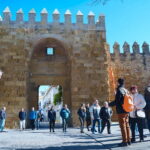
- Orientation at the start: You begin at the Puerta del Perdón de la Mezquita de Córdoba. That matters because it anchors you to the right entry point and sets the tone for the building’s significance right away.
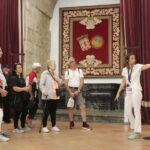
- A guided walk through the monument’s layers: Your route is built around explaining how the space reflects the Muslim and Christian presence. The goal isn’t to overwhelm you with names and dates. It’s to help you see why the monument looks the way it does and why it still feels so distinctive.
- The earlier site under the current one: One of the most interesting points you’ll learn is that where you stand now, there was an old basilica—San Vicente Martir in Visigothic times. That turns the visit into more than architecture appreciation. It becomes a “place history” experience.
- Time to absorb without rushing: Even with an efficient pace, the route is meant to be enjoyed. The experience is organized so you’re not sprinting, and the guide’s explanations keep your attention moving toward what matters.
A small note on expectations: this kind of interior visit can feel visually intense. It’s easy to spend your time just staring. A guided route helps you stare with purpose—so you’re not only saying wow, but also thinking, now I know why.
Why small-group guidance helps at La Mezquita-Catedral
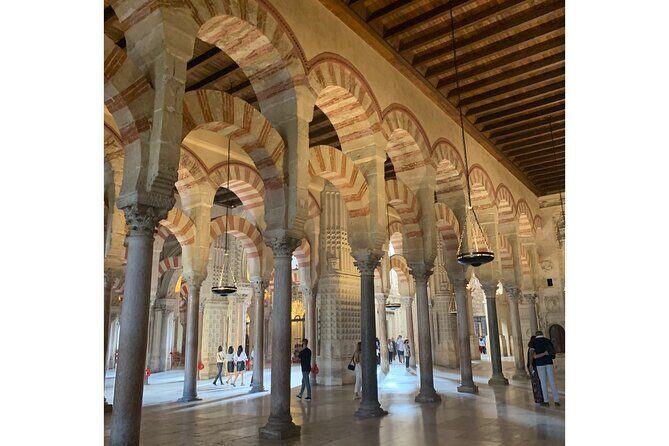
This is where Córdoba EcoExperience differentiates itself. The tour is described as small groups, and that’s not just a comfort perk. It directly affects what you notice.
In a large group, you often do the “follow and photograph” thing. You hear fragments, you can’t ask questions, and you end up touring by proximity rather than understanding. With smaller groups, you tend to get clearer explanation and a better chance to connect the guide’s points to what you’re seeing in front of you.
I also like that the focus is on history and heritage interpretation. In other words, it’s not only a ticketed entry. You’re paying for a story you can keep in your head afterward. That’s the value for a monument like the Cathedral Mosque, where the meaning isn’t obvious just by looking.
One more thing: the site has its own rhythm. It can be busy, and there’s usually a mix of people who just want to wander and people who want context. A guided small-group plan lets you meet the building at the right speed.
Price and what you get for about $31
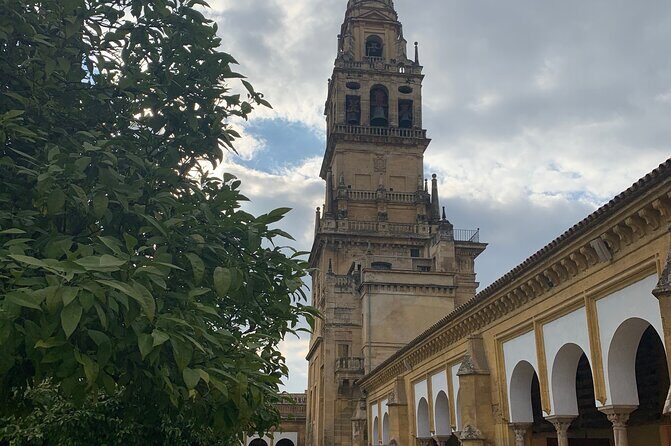
The price is $31.42 per person. For a major UNESCO-level landmark with guided interpretation, that’s a reasonable value—especially because your ticket is included.
Here’s how I’d think about the cost in real terms:
- You’re not just paying for access. You’re paying for someone to explain why the structure matters and how the Muslim-Christian story unfolds.
- The visit is about the length of a solid focused walking session, so you’re not paying “all day” money for “a quick look.”
- Small-group operation keeps the experience more personal, which is where the value really shows up.
What’s not included is transport. That’s normal for this type of city sightseeing, but you should plan your trip accordingly. If you’re staying in Córdoba’s center and plan to walk or use nearby public transportation, you’ll be fine. The meeting point is also set up to be easy to reach.
One practical detail: GST is included. So you’re not likely to be surprised at checkout with extra tax add-ons.
Timing at Puerta del Perdón: start strong, stay flexible
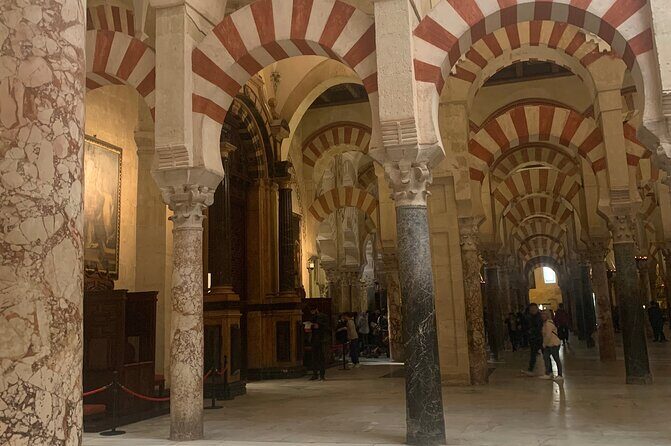
You meet at Puerta del Perdón de la Mezquita de Córdoba (C. Cardenal Herrero, Centro, 14003 Córdoba, Spain). That gate-based meeting point is helpful: you know exactly where to line up before you enter.
The tour ends back at the meeting point, which is convenient. It means you’re not building a complicated route through Córdoba trying to “find your way out.” You step back into the surrounding area and can continue exploring at your own pace.
Now, the one consideration I’d flag is timing on busy days. The operation emphasizes responsible, safe, and quality tourism with small groups, but major sites can still run into crowd pressure. So I recommend arriving a bit early and keeping your schedule flexible. If you’re the type who hates lateness, give yourself a cushion so you don’t start the visit stressed.
Also, the experience requires good weather. If weather turns, the provider may offer a different date or a full refund. In practice, that means you should watch the forecast if you’re booking near rain or strong wind.
What makes the UNESCO site feel personal, not just famous
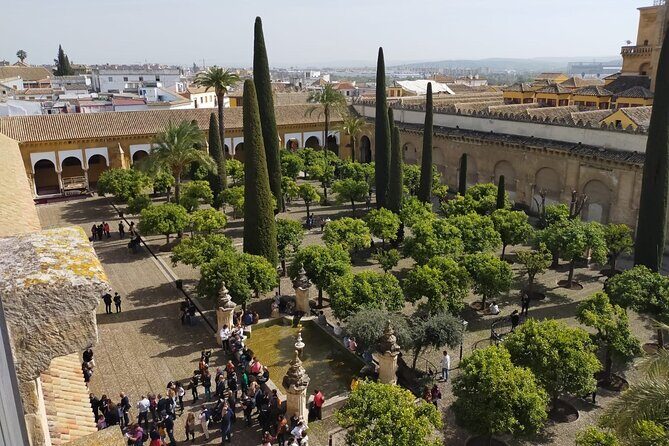
It’s easy to treat the Cathedral Mosque of Córdoba as a “famous stop.” You see pictures. You know it’s important. Then you arrive and think: okay, but what do I do with all this?
This guided visit helps because it gives you three personal anchors:
- You understand the place as layered: You’re not looking at one era. You’re looking at continuity across changing powers.
- You learn what changed—and what was kept: The Christian presence is presented as recognition of what was unique, not destruction for its own sake. That idea turns the monument into a story about cultural contact.
- You learn the site’s deeper timeline: The mention of San Vicente Martir from Visigothic times is more than trivia. It makes you see the ground beneath the monument as historically active, not a blank stage.
When you walk out afterward, you’ll likely remember the building more clearly. You’ll also have a better mental map of what you saw. That’s the real win: you leave with understanding, not just impressions.
Who should book this Mezquita-Catedral visit
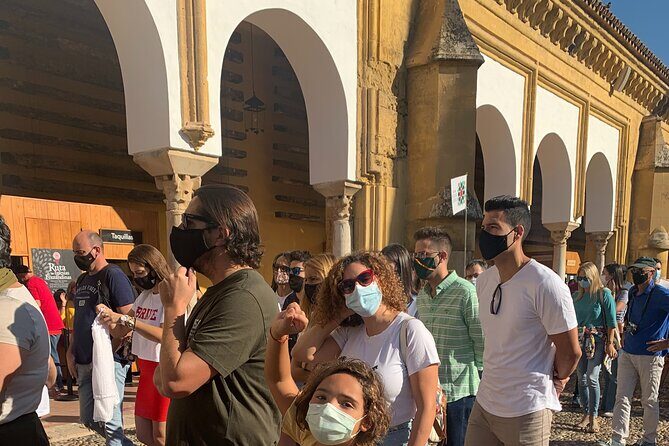
This tour is a great fit if you:
- want guided context for a complicated, layered monument
- like small-group experiences over large crowds
- enjoy heritage interpretation and want the story tied to what you’re seeing
- value having the ticket handled via mobile entry
It’s also a smart choice if you want a manageable chunk of time. About 1 to 1.5 hours is enough to learn without wearing yourself out.
Who might want a different plan? If you already know a lot about Córdoba’s architectural history and you’re the type who enjoys reading guide panels slowly and wandering independently, you might prefer self-guided time. That said, the guided interpretation here is the main reason it’s priced as a ticketed tour rather than a bare entry.
Should you book Córdoba EcoExperience for the Cathedral Mosque?
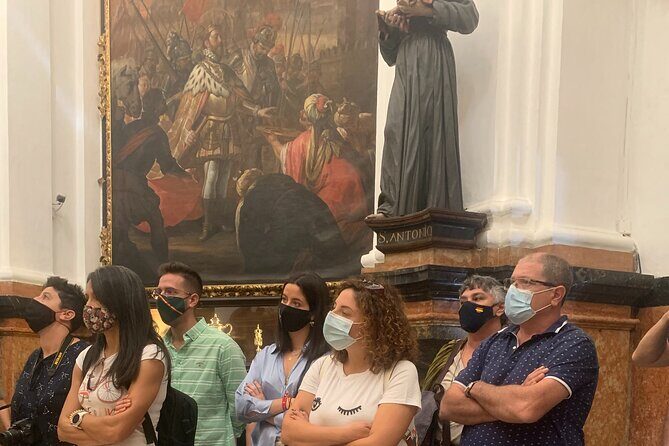
If your goal is to visit the Cathedral Mosque of Córdoba and come away understanding what you saw, I’d book this. The combination of a UNESCO-level site, a ticket included in the price, and small-group history interpretation is exactly what turns a well-known landmark into a memorable experience.
I’d only hesitate if you can’t handle crowded conditions at major attractions or you’re booking for a day when weather is unreliable. Otherwise, this is a solid use of time in Córdoba: one monument, one focused plan, and a story you’ll actually carry with you.
FAQ
FAQ
How long is the Cathedral Mosque of Córdoba visit?
It’s about 1 hour 30 minutes on average, with the entry portion listed at around 1 hour.
Is the admission ticket included?
Yes. The admission ticket for the Cathedral Mosque (Mezquita-Catedral de Córdoba) is included.
Where do we meet for the tour?
You meet at Puerta del Perdón de la Mezquita de Córdoba, C. Cardenal Herrero, Centro, 14003 Córdoba, Spain.
Does the tour include transport?
No. Transport is not included.
Is it a private tour?
Yes. Only your group will participate.
Do I need a printed ticket?
No. You receive a mobile ticket.
What’s the cancellation policy?
Free cancellation is available up to 24 hours in advance for a full refund.
What happens if the weather is bad?
This experience requires good weather. If it’s canceled due to poor weather, you’ll be offered a different date or a full refund.