REVIEW · CORDOBA
Úbeda and Baeza private tour in a day from Córdoba with tickets.
Book on Viator →Operated by Turistour turismo · Bookable on Viator
Olive country plus Renaissance power. This private tour strings together UNESCO old towns in Úbeda and Baeza, with timed stops, included admissions, and just enough free time to enjoy the food scene.
I like the tight pacing because the guide helps you read what you’re seeing, not just point it out. I also really appreciate the included tickets for the key sights, so your day runs smoothly and you spend less time figuring things out.
The one thing to consider is the day can run long (about 6 to 10 hours), with lots of short walking between plazas and churches. If you hate being on a schedule, or if you need a long sit-down lunch, plan accordingly since lunch isn’t included.
In This Review
- Key highlights you’ll actually care about
- Why Úbeda and Baeza make such a smart one-day pair
- Price and logistics: what $407.35 buys you (and what it doesn’t)
- The morning drive: leaving Córdoba and heading into olive-country time
- Stop-by-stop in Úbeda: Renaissance power in small, readable chunks
- Úbeda’s monumental center (about 2 hours)
- Plaza Vázquez de Molina (about 30 minutes)
- Palace del Dean Ortega (about 5 minutes)
- Palacio Juan Vázquez de Molina (about 10 minutes)
- Holy Chapel of the Saviour (about 30 minutes, included admission)
- Iglesia de San Pablo (about 20 minutes)
- Alfar Pablo Tito (about 30 minutes, included)
- The Úbeda-to-Baeza transition: a clean switch from monuments to meals
- Baeza afternoon: UNESCO atmosphere plus cathedral-level artistry
- Plaza del Populo (about 20 minutes)
- Antigua Universidad de Baeza (about 20 minutes)
- Palacio de Jabalquinto (about 15 minutes)
- Plaza de Santa María (about 20 minutes)
- Cathedral de Baeza (about 30 minutes, included admission)
- Baeza Town Hall (about 10 minutes)
- Plaza de la Constitución (about 20 minutes)
- Olive oil tasting at AOVE Boutique: a practical souvenir you can use
- Private guides and drivers: why local style matters
- What you’ll likely feel on the day (good and not-so-good)
- Who this private Úbeda and Baeza tour suits best
- Should you book this tour from Córdoba?
- FAQ
- How long is the Úbeda and Baeza private tour?
- What time does the tour start?
- Is pickup from Córdoba included?
- Is lunch included?
- Which admissions are included in the tour?
- Is this a private tour?
Key highlights you’ll actually care about
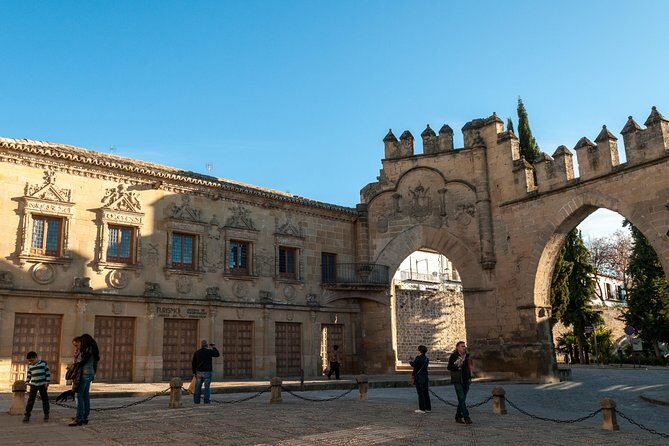
- Two UNESCO towns in one controlled day: Úbeda first, then Baeza with time for food
- Included entrances at the stops that matter most: chapel, potter workshop, cathedral, and olive-oil tasting
- A guide who ties buildings to stories: expect patient explanations and local connections
- Real town squares, not photo stops: plazas in both towns are part of the route
- Private transport from Córdoba with pickup offered: less hassle, more sightseeing time
Why Úbeda and Baeza make such a smart one-day pair
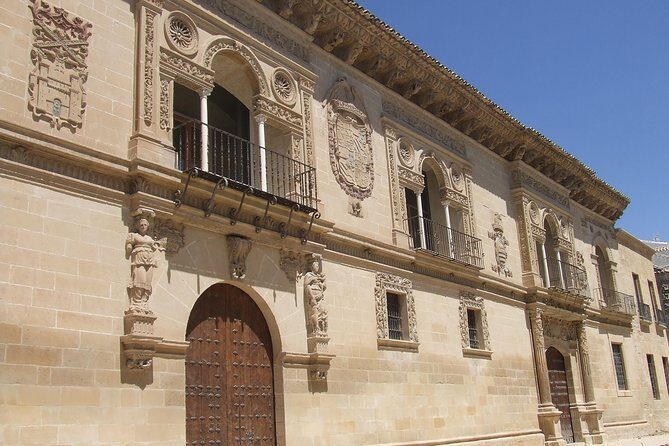
Úbeda and Baeza sit close enough that you can do them in one day from Córdoba, yet far enough that it still feels like a true switch in scenery and atmosphere. Both are UNESCO World Heritage towns, and the best part is how the Renaissance style reads differently in each one. You start noticing patterns: the way plazas frame views, the way churches anchor street life, and the way power shows up in stone.
I like that the tour is built around the centers of both towns. You aren’t just hopping from one landmark to another. You’re walking through the civic and religious heart of Jaén, then finishing with a food-focused moment in Baeza.
If you love architecture and you want context fast, this format is strong. If you prefer completely free wandering, the schedule might feel a bit firm. But it still leaves breathing room in Baeza for eating.
Other day trips from Cordoba we've reviewed
Price and logistics: what $407.35 buys you (and what it doesn’t)
At $407.35 per person, you’re paying for a private tour plus private transportation from Córdoba, starting at 8:00 am. That matters because these towns are easier when you aren’t stitching together buses, taxis, and ticket lines yourself.
The other value piece is tickets. Several stops are explicitly marked as admission free, and a handful are included. You’ll get paid-for access at the Holy Chapel of the Saviour, the potter workshop visit at Alfar Pablo Tito, the Cathedral de Baeza, and the olive-oil tasting at an AOVE boutique. That’s a big deal on a one-day timeline.
What’s not included is lunch. The tour gives you free time in Baeza after Úbeda, and that’s when you’ll want to eat—often with the help of your guide if they can point you to a solid spot.
The morning drive: leaving Córdoba and heading into olive-country time
You start early, 8:00 am, and the day is arranged like a smooth arc: arrive in Úbeda, focus on a series of monumental stops, then shift to Baeza for the afternoon. The route passes through the famous olive-growing region, and you’ll feel that setting as soon as the bus pulls you away from the city rhythm.
This is the part of the day where your guide usually sets the tone. Good guiding here isn’t about dumping dates. It’s about giving you a mental map so the plazas and churches later don’t feel random. If your guide is someone like Adrian—mentioned in feedback for quirky humor and patient storytelling—you’ll likely get quick context that makes the buildings easier to decode.
Stop-by-stop in Úbeda: Renaissance power in small, readable chunks
Úbeda is the opening act, and it’s built to help you understand why UNESCO cares. You have about 2 hours at the start, and that time sets you up for the rest of the route because you learn how to see the town’s main “language” in stone.
Úbeda’s monumental center (about 2 hours)
You’ll arrive in the historic zone after traveling through olive trees, then step into a city often described in terms of monumental Renaissance architecture. This is where the guide’s job gets real: turning a lineup of façades into something with meaning. You’ll get context for why buildings look the way they do and what they were built to show.
You’ll also spend time in the plazas and adjacent landmarks rather than treating Úbeda like a scavenger hunt. If you enjoy architecture, you’ll appreciate how the tour builds the day in layers: big picture first, then details.
A few more Cordoba tours and experiences worth a look
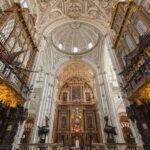
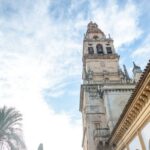

Plaza Vázquez de Molina (about 30 minutes)
This square is one of the most monumental in Spain. That’s not a casual statement—this place is designed to frame views and make civic space feel important. The tour gives you time here so you don’t just glance. You can look up, then look around, and connect what you see to the story you’re hearing.
Palace del Dean Ortega (about 5 minutes)
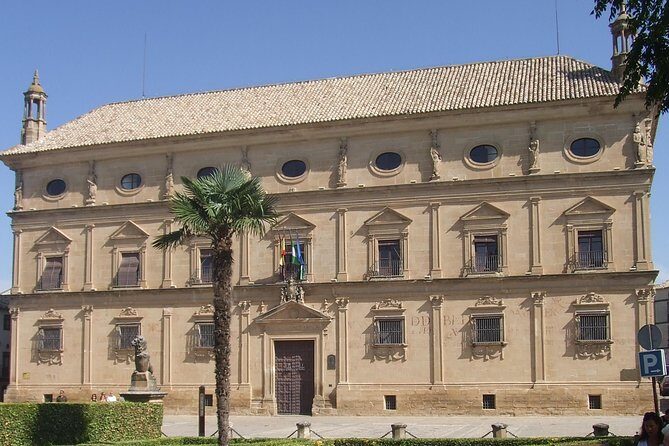
This stop is brief by design, and that’s fine. The palace is the current National Tourism Parador, so it’s a working part of the town today, not a dead exhibit. Even in a short window, it helps you see how historic buildings still serve modern roles.
Palacio Juan Vázquez de Molina (about 10 minutes)
Next comes the city council. This is a “power in plain sight” kind of moment. You’re standing in civic authority territory, which adds a different flavor than churches or private chapels. You start to notice how Úbeda’s Renaissance identity sits both in religion and in government.
Holy Chapel of the Saviour (about 30 minutes, included admission)
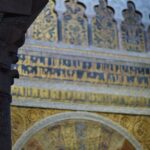
This is one of the tour’s ticketed highlights. The Holy Chapel of the Saviour is the biggest private funeral chapel in Spain and a standout example of Spanish Renaissance work. In the time you have, the guide can point out why it’s special: how it’s designed as a statement of devotion and status at the same time.
This is also a great place to slow down. The included admission means you can focus on the interior experience without worrying about lining up or missing entry times.
Iglesia de San Pablo (about 20 minutes)
The church sits in one of Úbeda’s key squares. That matters because you see it in its real setting, where people move through the open public space first, then the building pulls them inward. It’s the kind of stop that helps you connect geography to architecture.
Alfar Pablo Tito (about 30 minutes, included)
Then you switch from monumental stone to craft. Alfar Pablo Tito is a renowned potter’s workshop, with a museum and an exhibition. The included admission here is smart because it turns a quick photo stop into a real look at how ceramics fit local culture.
If you like hands-on learning, you’ll enjoy how this breaks the day’s pace. And if your guide has family connections in the region—something noted in feedback from native-region guidance—you’ll likely get extra color that makes the workshop feel grounded rather than staged.
The Úbeda-to-Baeza transition: a clean switch from monuments to meals
After Úbeda, you’ll have free time and then continue to Baeza. The timing is built so you can reset between towns. Baeza isn’t just a second list of buildings; it’s a different kind of day because the route includes longer cathedral time and a more “eat and roam” feel at the end.
This is where I’d recommend thinking about your priorities. If you want photos, now’s the time. If you want a calmer pace, plan for short breaks in the plazas. The tour gives you room for that once you arrive in Baeza.
Baeza afternoon: UNESCO atmosphere plus cathedral-level artistry
Baeza is also a UNESCO town, and the itinerary treats it like the main event. You get about 2 hours allocated there, plus a later set of plaza and building stops, which keeps the day from feeling rushed at the end.
Plaza del Populo (about 20 minutes)
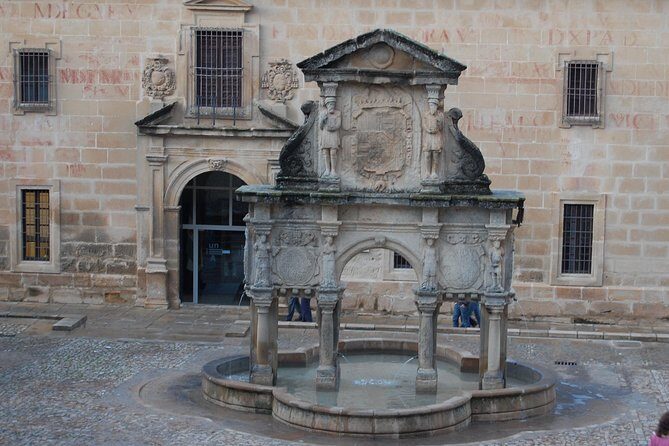
This square is built for “look at everything” sightseeing. You can see the Lions’ Fountain and other notable features like the Old Butchers, Public Notaries, the arch of Villalar, and Jaén’s Gate. That variety is useful because each element connects to a different part of town life: commerce, record-keeping, and the ceremonial feel of gates.
Antigua Universidad de Baeza (about 20 minutes)
You’ll learn about the classroom where Antonio Machado taught. This is one of those stops that gives you more than architecture. It adds the human layer—Spanish literature inside the same walls that once shaped civic and cultural education.
Even if you’re not a Machado scholar, the point is clear: these towns weren’t only for kings and priests. They were also for teachers and ideas.
Palacio de Jabalquinto (about 15 minutes)
This is described as one of the best examples of the last Gothic in Spain. Short time here works because it’s a “spot the style” moment. You get a quick chance to see how the Gothic language shows up and why it sits in the timeline between old medieval forms and newer Renaissance habits.
Plaza de Santa María (about 20 minutes)
This is the main square, and it contains the big buildings that define Baeza’s center. I like this stop because it’s a natural way to get your bearings. It’s easier to navigate later when you’ve already stood in the town’s visual hub.
Cathedral de Baeza (about 30 minutes, included admission)
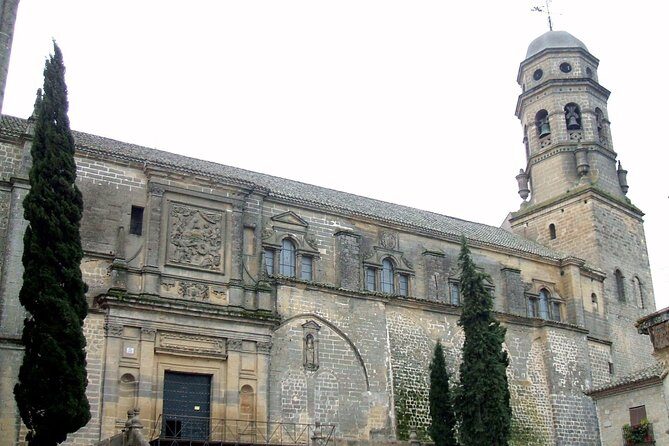
This is a ticketed highlight and a top reason to choose this tour. The Cathedral de Baeza is noted as the first cathedral in Andalusia, and it includes a major work of Spanish goldsmithing: the Corpus Christi Processional Custody.
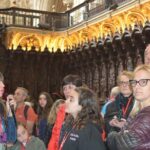
If you’re a details person, you’ll appreciate the included entrance. A cathedral stop can be hit-or-miss in a fast tour, but with a dedicated time window and admission included, you’re more likely to actually see and understand the artwork instead of rushing past it.
Baeza Town Hall (about 10 minutes)
Another civic stop, this time Renaissance. It’s brief, but it reinforces the same theme you saw in Úbeda: power and identity in buildings that still function.
Plaza de la Constitución (about 20 minutes)
This is the downtown area with pubs, restaurants, and shops. It’s not an empty viewing square. It’s the zone where you’ll feel the everyday energy of Baeza, which is handy if you’re pairing sightseeing with a real meal.
If you want a calmer ending, you can also treat this as a reset point before you go for food.
Olive oil tasting at AOVE Boutique: a practical souvenir you can use
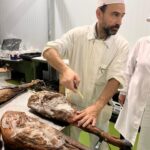
The last included stop is the olive-oil tasting at AOVE Boutique – Venta de aceite de oliva (about 20 minutes, included). You’ll taste olive oils that are considered among the best in the world, explained by a specialist.
What I like about ending with this is the payoff. You’ve been in olive country all day, and now you get a direct, sensory way to connect that background to something you can bring home—especially if you like food and want to buy with confidence.
One small detail from feedback that helps: some guides also interpret for guests at the olive-oil store. So even if you’re not fluent in Spanish, you’re more likely to understand what you’re tasting and why the oils are different.
Private guides and drivers: why local style matters
Because it’s private, the human part isn’t an afterthought. The tour’s value depends on your guide’s ability to connect the dots between plazas, palaces, and churches.
Feedback points to guides like Adrian and Marta for storytelling and local ties, plus driving support from people named Damaso or Thomaso. If you get a guide with regional family connections, you’ll likely hear little specifics that make the towns feel lived-in rather than archived.
Also, there’s a note about cats in one set of feedback. That kind of small personality detail might sound random, but it often signals a guide who’s attentive and willing to let the experience breathe.
What you’ll likely feel on the day (good and not-so-good)
This tour works best if you want:
- a guided explanation of UNESCO Renaissance architecture
- ticketed access at the major interior moments
- a structured route with short stops that still adds up to depth
- a chance to eat in Baeza during free time
The main caution is stamina. Even though many stops are 5 to 30 minutes, the day is still long enough that you’ll want comfortable shoes and a water plan. And because lunch isn’t included, you’ll need to decide how you want to handle that free time—sit down for a full meal or go the tapas route.
Also, because admissions are partly included and partly free, keep your expectations clear: you’ll have paid access in specific places, while other exterior or civic stops are designed to be walk-by and discuss.
Who this private Úbeda and Baeza tour suits best
I’d point you toward this tour if you:
- enjoy architecture and want context without doing research beforehand
- want a one-day UNESCO hit that still feels human
- prefer a private setup from Córdoba with pickup offered
- care about food in the region enough to do an olive-oil tasting
You might want to think twice if you’re traveling with very small kids who struggle with long transit and walking, or if you want a fully unscheduled day. This is organized, and you’ll feel that structure.
Should you book this tour from Córdoba?
If you’re choosing between DIY and a guided day trip, I’d lean guided here. The mix of Úbeda monuments, Baeza plazas, included admissions at the chapel, workshop, cathedral, and olive-oil tasting makes this more than a bus ride with stops.
I’d book it if your goal is clarity: you want to understand what you’re looking at, then wrap it up with a tasting that matches the olive-country theme. If you know you’ll be fussy about pacing or you absolutely need lunch included, then you’ll want to plan your Baeza meal carefully before you go.
FAQ
How long is the Úbeda and Baeza private tour?
The duration is about 6 to 10 hours.
What time does the tour start?
The start time is 8:00 am.
Is pickup from Córdoba included?
Pickup is offered.
Is lunch included?
No. Lunch is not included.
Which admissions are included in the tour?
Included admission tickets are for the Holy Chapel of the Saviour, Alfar Pablo Tito, the Cathedral de Baeza, and the AOVE Boutique olive-oil tasting.
Is this a private tour?
Yes. It is a private tour/activity, and only your group participates. It’s offered in English.