REVIEW · CORDOBA
Cordoba: Jewish History Private Tour
Book on GetYourGuide →Operated by ALTAI - Alba Tourism and Interpretation · Bookable on GetYourGuide
Jewish Córdoba makes the past feel close. This private tour turns the city’s Jewish Quarter into a clear, guided story you can walk through. You’ll spend 2 hours on the sites that matter most, from the synagogue to key street corners tied to scholars like RaMBaM.
What I like most is the stop at the Old Synagogue, one of Spain’s last remaining, and the way the guide connects the building to real lives and ideas. I also like the added focus on the Mudejar Chapel, where architectural details give you another way to “read” the past.
One drawback to consider: it’s not suitable for wheelchair users, and the format is built around walking through narrow lanes, so comfortable shoes matter more than usual.
In This Review
- Key highlights you’ll actually care about
- Starting at Puerta de Almodóvar: the route that keeps you oriented
- The Córdoba Synagogue: one of Spain’s last remaining
- Capilla de San Bartolomé and Mudejar-style details
- Calleja de la Hoguera: narrow lanes, lived-in storytelling
- Plaza de Judá Levi: meeting a name tied to the neighborhood
- Hasday Ibn Shaprut and Moshe Ben Maimon: scholarship you can connect
- San Basilio and the walk to Puerta de Sevilla
- Price and value: is $131 for 2 hours worth it?
- Who this tour suits best (and who might want to skip it)
- Practical tips before you go
- Should you book Cordoba: Jewish History Private Tour?
- FAQ
- FAQ
- How long is the Cordoba Jewish History Private Tour?
- Where does the tour start and end?
- Is this tour private?
- What language options are available?
- What stops are included on the route?
- What is included in the tour price?
- Is Casa Sefarad included?
- Is this tour suitable for wheelchair users?
- Can I cancel for a refund?
Key highlights you’ll actually care about
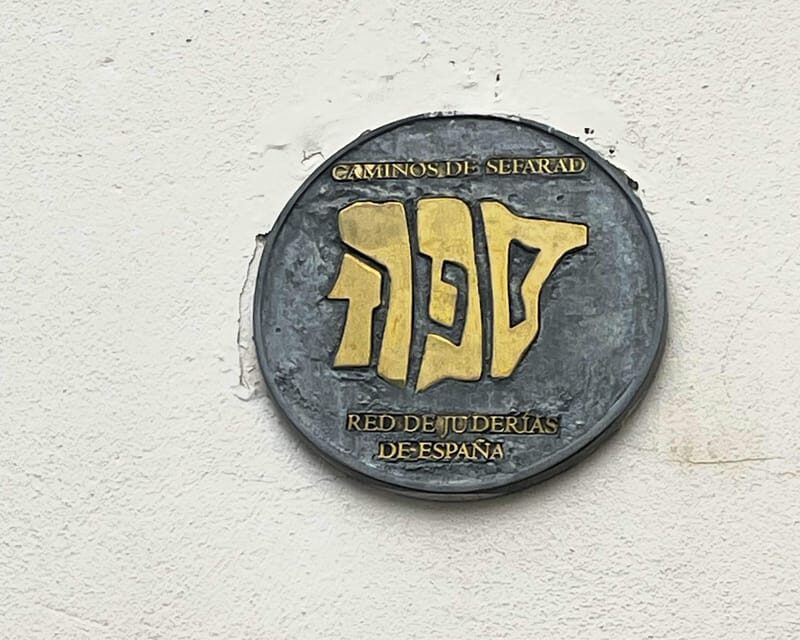
- Old Synagogue access and guidance focused on what makes it one of Spain’s last remaining
- Mudejar Chapel stop where details help you understand the style, not just see it
- Moshe Ben Maimon (Maimonides) monument with context about his impact on Jewish and Islamic thought
- Jewish Quarter street route that uses short stops at places tied to names like RaMBaM and Hasday Ibn Shaprut
- Private group pacing designed for questions, not a rushed conveyor-belt tour
- Finish at Puerta de Sevilla so you end with an easy mental map of the old city
Starting at Puerta de Almodóvar: the route that keeps you oriented
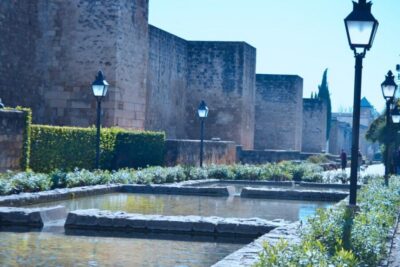
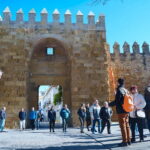
Most people see Córdoba as a blur of monuments. This tour starts you at Puerta de Almodóvar, then immediately sets a logical direction so you don’t spend your brainpower just figuring out where you are. From there, the walk is part of the lesson: short distances between stops help the stories land in the places where they belong.
I like the way the timing works too. In two hours, you’re not expected to cover every Jewish-related site in Córdoba. Instead, you concentrate on the most meaningful stops, which makes the names and architecture easier to remember later.
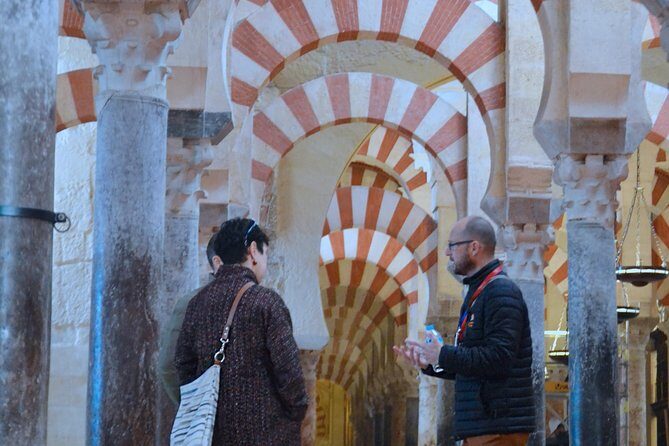
Because it’s a private group, the guide can slow down where you need it and speed up where you’re already comfortable. If you like asking questions, this style gives you more room to do it than group tours usually allow.
Other Jewish Quarter tours we've reviewed in Cordoba
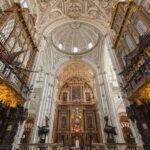
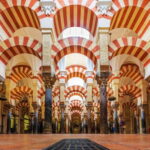
The Córdoba Synagogue: one of Spain’s last remaining
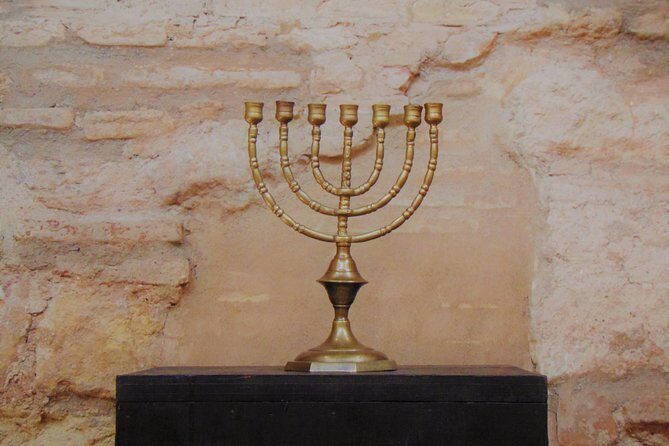
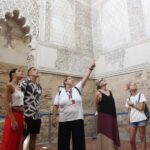
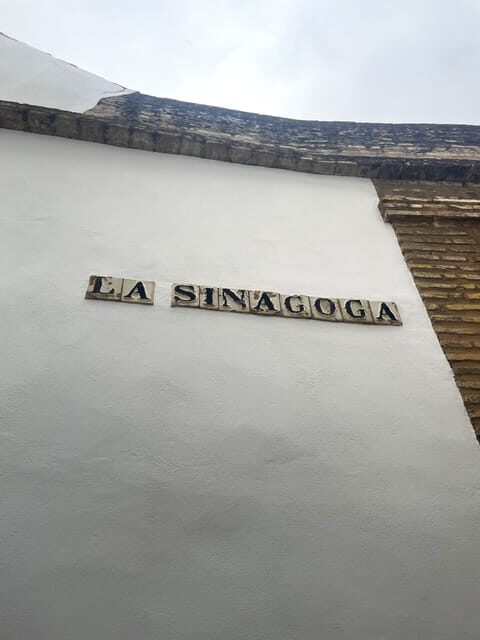
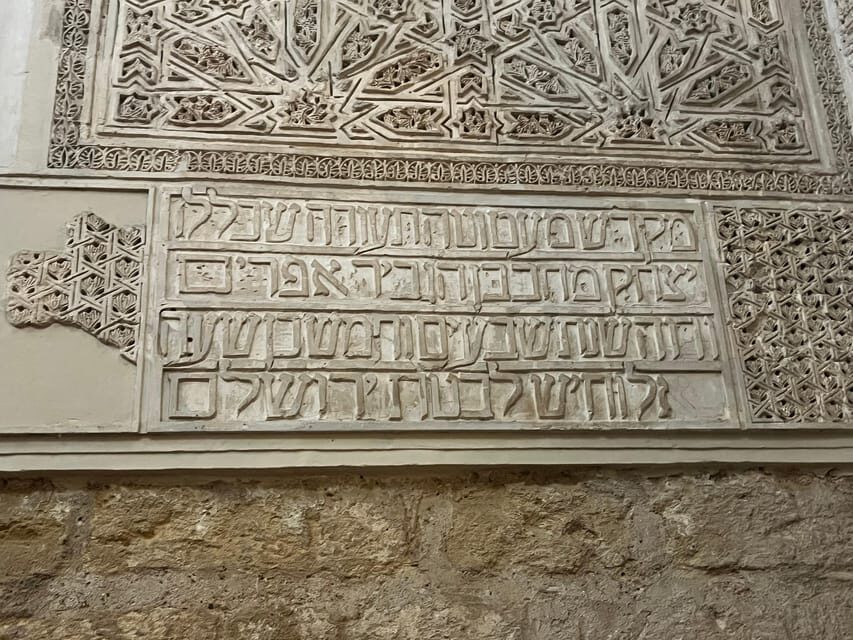
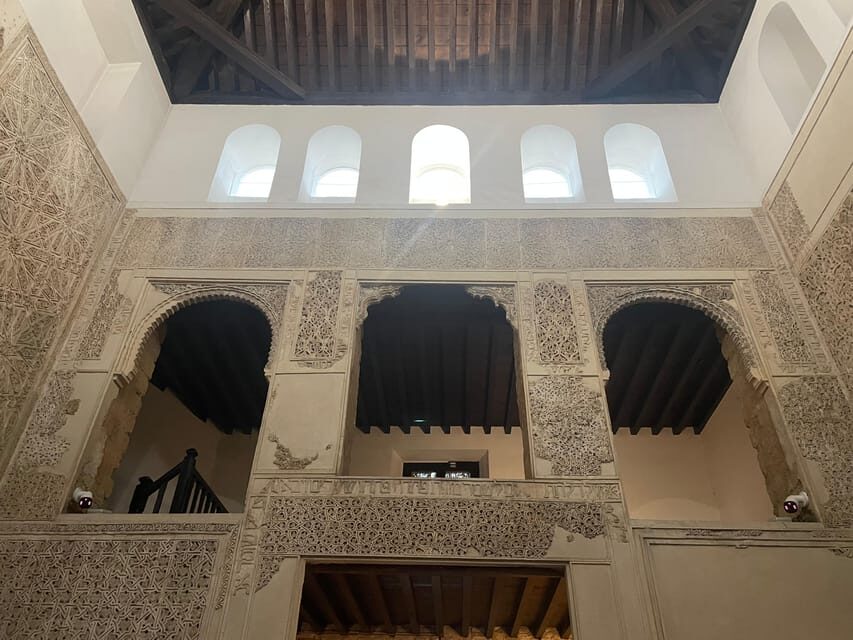
The heart of the experience is the Córdoba Synagogue, visited with a guided explanation. The big reason this stop matters is simple: it’s one of the last remaining synagogues in Spain, so it isn’t just a photo opportunity. It’s a rare surviving piece of Jewish life in a part of the city that became famous for scholarship and learning.
You’ll get more than a quick description of walls and windows. The tour frames the synagogue as a place tied to community life and study, and that context changes how you look at the building. When you understand what a space was for, small details start to matter.
Here’s a practical thought: if you’re visiting Córdoba for architecture, you’ll appreciate the physical building. If you’re visiting to understand the people, you’ll appreciate how the guide connects the space to Jewish scholars who thrived here—specifically highlighting the kind of learning associated with RaMBaM.
Also, this is the kind of stop where your questions can get very good very fast. If you’re curious about how Jewish life worked in Córdoba historically, this is a strong moment to ask.
Capilla de San Bartolomé and Mudejar-style details
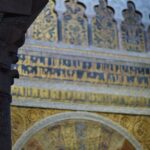
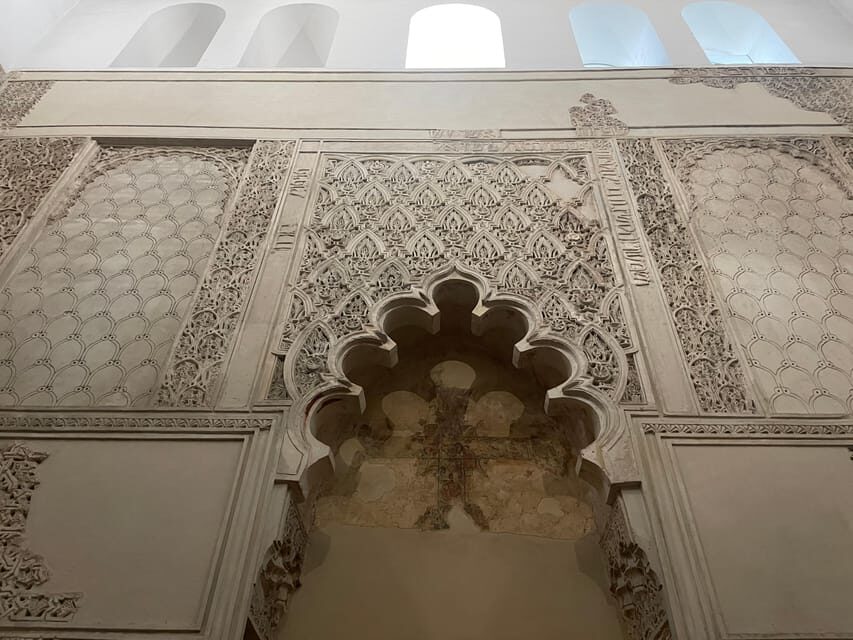
Next comes Capilla de San Bartolomé, with guided context, and it’s also where the tour’s Mudejar Chapel emphasis comes into play. Mudejar-style work often shows up in Spain as a blend of influences, and the point here isn’t just to name the style. It’s to help you notice how design choices reflect the culture and artistic language of the time.
You’ll likely spend time looking closely rather than just passing by. That’s important because Mudejar details can look “decorative” at first glance. With an explanation, you start seeing patterns and craftsmanship as evidence of how communities lived side by side and shaped the built environment.
A small caution: if you’re the type who wants only secular sightseeing photos, you might find yourself pausing longer at this stop than you planned. But if you enjoy careful, guided observation, this is the kind of place that rewards it.
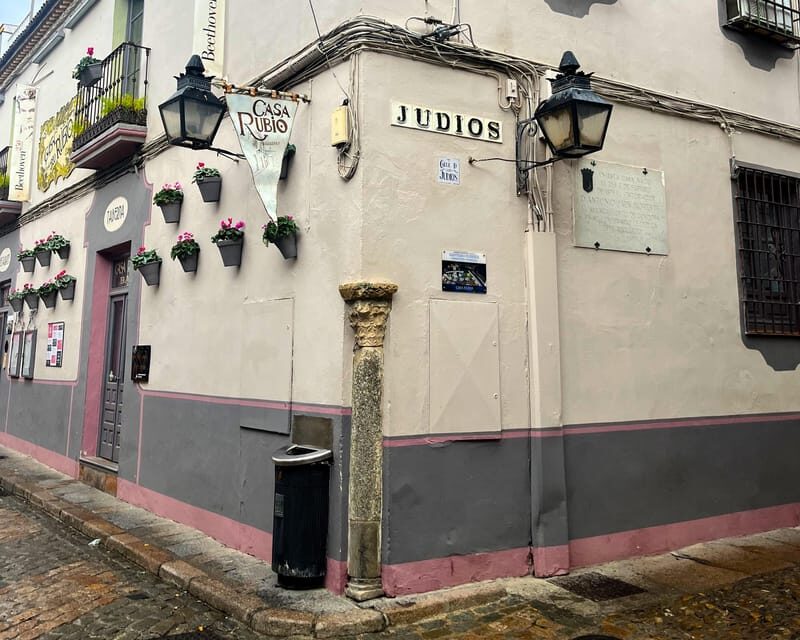
Calleja de la Hoguera: narrow lanes, lived-in storytelling
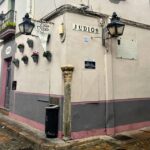
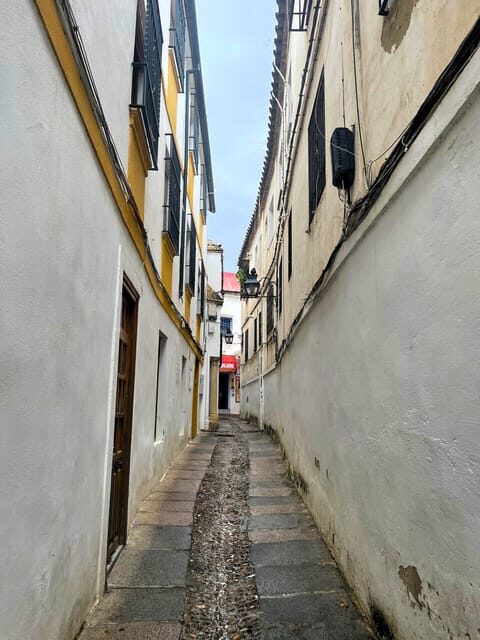
Then you move into Calleja de la Hoguera, a street stop designed to connect what you learned at the synagogue to how the neighborhood functioned day to day. Narrow lanes like this do more than look charming on postcards. They help you understand scale and closeness—how people moved, where daily life likely centered, and why scholars and community leaders could be part of a tight social web.
What I like about street-focused stops is that they reduce the “museum effect.” You’re not just inside buildings. You’re standing where stories would have been discussed, shared, and remembered.
Also, a street stop is ideal for quick questions. If something about Córdoba’s Jewish past feels complicated, ask the guide right here. It’s easier to build understanding when you’re standing in the exact place the guide is using as a reference.
Plaza de Judá Levi: meeting a name tied to the neighborhood
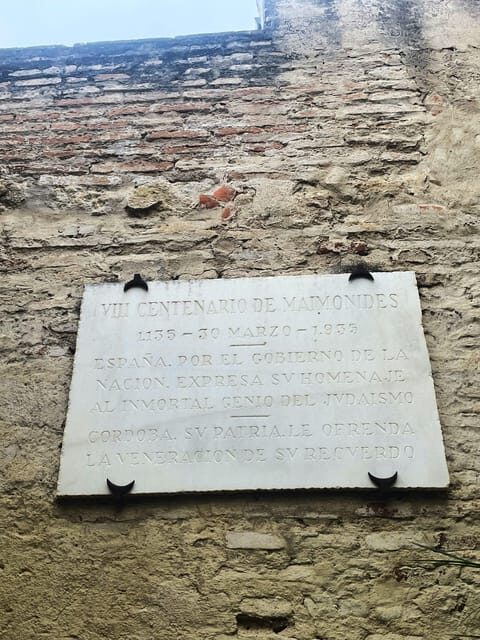
At Plaza de Judá Levi, the tour shifts from buildings to people. The key idea is that Jewish history in Córdoba wasn’t only about one famous monument or one scholar with a statue. It was also about community identity, local leadership, and the role of named figures in public memory.
This plaza stop matters because it gives you a place to anchor the names you hear. When you can tie a name to a square, you’ll remember it later. Without that, it’s easy to end up with a list of unfamiliar terms and no mental map.
If you’re taking notes, this is a great moment to jot down the names the guide mentions here—then you’ll be ready for the next scholar-based stops.
Other private tours in Cordoba


Hasday Ibn Shaprut and Moshe Ben Maimon: scholarship you can connect
One of the strongest parts of this tour is its focus on scholarship as a real force in Córdoba’s story. You’ll have a guided stop related to Hasday Ibn Shaprut, and the tour also includes a focus on Moshe Ben Maimon (Maimonides)—including a monument dedicated to him.
The expectations for this part are clear: you won’t just hear that Maimonides was important. You’ll hear stories about his impact on Jewish and Islamic thought. That matters for two reasons:
First, it moves the story beyond one community. Córdoba’s intellectual life connected cultures through ideas, translation, teaching, and debate.
Second, it helps you understand why names like RaMBaM come up so often when people talk about the lasting influence of this era. The guide’s job here is to connect the scholarship to the city, not to treat it like distant mythology.
If you’re the kind of traveler who cares about how history affects how people think today, you’ll probably enjoy this section most. It’s not only “what happened.” It’s also “why it still matters.”
San Basilio and the walk to Puerta de Sevilla
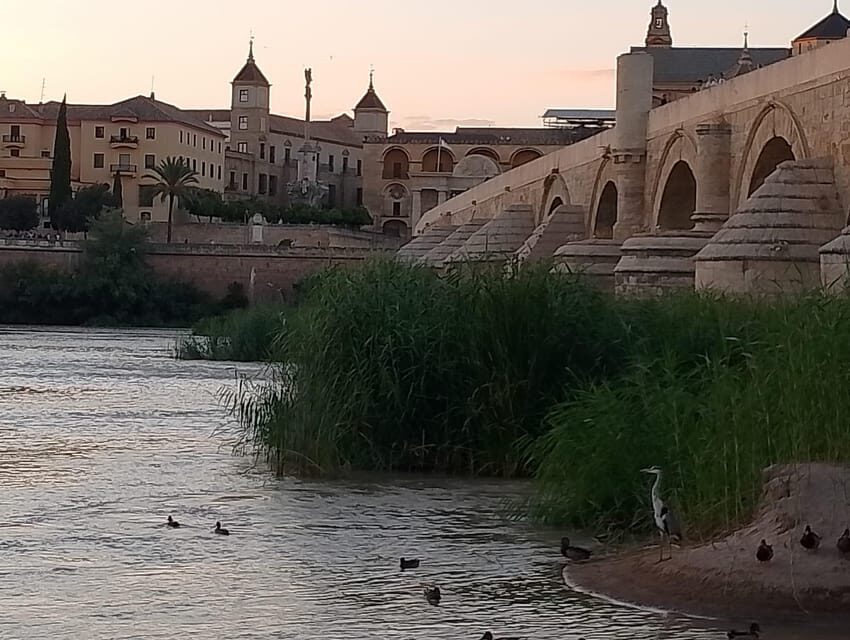
The route continues to San Basilio, then finishes at Puerta de Sevilla. That finishing point is helpful. Ending near a major gate lets you feel like you’ve completed a loop rather than just stopping randomly after a synagogue visit.
San Basilio is a smaller stop, and those are often the most useful. Small places help you keep the story grounded and remind you that the Jewish Quarter wasn’t just a headline. It was a real neighborhood with everyday geography.
Practical note: by the time you reach the end, you’ll likely feel both satisfied and hungry for more. That’s a good sign with a focused 2-hour tour. It means the tour did its job—giving you a strong foundation you can build on afterward.
Price and value: is $131 for 2 hours worth it?
At $131 per person for a 2-hour private experience, value comes down to what’s included and how the guide uses that time.
Here’s what you’re paying for, based on what’s actually covered:
- A guided visit to the Córdoba Synagogue
- A guided visit to the Mudejar Chapel (connected with the chapel stop on the route)
When private tours cost this much, the difference is usually pacing. In this format, you’re not squeezed between strangers, and you’re not limited to quick stop-and-go explanations. If you care about the details—names, context, and what the spaces meant—private guidance becomes a bigger value than it sounds on paper.
If you’re traveling with someone who also wants to ask questions, the price can feel very reasonable because the guide can tailor explanations. On the other hand, if you prefer self-guided wandering and you already know a lot about Córdoba’s Jewish past, you might feel the 2 hours is too short to justify a private rate.
My advice: this tour is a great choice if you want clarity fast, with someone available to answer questions in real time.
Who this tour suits best (and who might want to skip it)
This is a strong fit for:
- First-timers in Córdoba who want the Jewish Quarter story in a structured way
- Travelers who love scholarship and want names like RaMBaM, Hasday Ibn Shaprut, and Maimonides explained in context
- People who enjoy architectural stops with a guided lens, not just sightseeing
It may be less ideal for:
- Anyone who needs wheelchair access (the tour isn’t suitable for wheelchair users)
- Travelers who don’t want to hear historical context and would rather only see buildings from the outside
A quick timing tip: since it’s only 2 hours, plan it earlier in your Córdoba day if you can. That way, the rest of your sightseeing clicks into place with more meaning.
Practical tips before you go
This tour runs with a live guide in English or Spanish, and that’s a big deal if you want the explanations to land properly. If you have even basic familiarity with the names mentioned, the guide’s stories will connect faster.
Also, wear comfortable shoes. The Jewish Quarter route involves narrow streets, and your comfort will directly affect how much you enjoy the stops.
If you want a “part two” after the tour, consider adding Casa Sefarad (Sepharad Center) on your own. It isn’t included here, but you can visit it after your guided time to extend the learning.
Finally: bring curiosity. This isn’t a passive walk. It’s structured around short, meaningful stops and guided interpretation. The best results come when you treat it like a conversation, not a checklist.
Should you book Cordoba: Jewish History Private Tour?
I’d book it if you want a focused, high-impact guided overview of Córdoba’s Jewish heritage in only 2 hours, including the rare synagogue and the Mudejar-style chapel details. It’s especially worth it if scholarship and the influence of figures like RaMBaM and Moshe Ben Maimon make history feel alive for you.
I’d think twice if mobility is an issue or if you prefer long, self-directed wandering with no structured stops. In that case, you might get more out of independent exploring.
FAQ
FAQ
How long is the Cordoba Jewish History Private Tour?
The tour lasts 2 hours.
Where does the tour start and end?
It starts at Puerta de Almodóvar, in front of the Arch, and finishes at Puerta de Sevilla.
Is this tour private?
Yes. It’s a private group tour.
What language options are available?
The live guide offers English and Spanish.
What stops are included on the route?
The tour includes stops at the Córdoba Synagogue and Capilla de San Bartolomé, plus guided moments at places along the Jewish Quarter route such as Calleja de la Hoguera, Plaza de Judá Levi, Hasday Ibn Shaprut, and San Basilio.
What is included in the tour price?
Included are visits to the Synagogue and the Mudejar Chapel.
Is Casa Sefarad included?
No. You can visit Casa Sefarad (Sepharad Center) after your tour.
Is this tour suitable for wheelchair users?
No. It is not suitable for wheelchair users.
Can I cancel for a refund?
Yes. It offers free cancellation up to 24 hours in advance for a full refund.