REVIEW · CORDOBA
Córdoba: Guided Tour of the Patios
Book on GetYourGuide →Operated by ARTENCORDOBA · Bookable on GetYourGuide
Córdoba’s patios smell like roses. On this 1.5-hour guided walk, I love stepping into private courtyards that are usually off-limits, and I love how the guide links each plant-filled space to the city’s bigger story, from Roman-era Hispania Baetica to the May floral celebrations. Guides can include locals like Joachim, Emilio, Maria, Alvaro, and Antonio, which helps the history feel grounded instead of textbook.
Here’s the trade-off: time pressure. The courtyards can be busy, and you may feel you’d like a few more slow minutes in each stop, especially around prime patio season.
If you want a walk that mixes design, climate-smart gardening, and real people keeping traditions alive, this is a great way to do it without guessing your way through a warren of streets.
In This Review
- Quick hits before you go
- Córdoba’s Patio Tradition, Explained in 90 Minutes
- A Walk That Starts With Where You Wait
- What You Actually See: Popular Patios, Not a Single Show Garden
- Roman Origins: Why Córdoba’s Past Still Shapes the Patio
- UNESCO and the May Flowers: The Living Tradition Angle
- Inside the Courtyards: Cooling, Friendship, and Flowers With Meaning
- Guide Quality Is the Difference Maker
- Timing and Crowds: How to Make the 1.5 Hours Feel Longer
- Price and Value: Is $23 Worth It?
- Who Should Book This Tour (and Who Might Skip It)
- Final Verdict: Should You Book the Guided Patios Tour?
- FAQ
- How long is the Córdoba: Guided Tour of the Patios?
- What does it cost?
- Where do we meet for the tour?
- What languages are offered?
- What is included in the price?
- Do I have to pay right away?
- Is there free cancellation?
- Why are the patios UNESCO-listed?
Quick hits before you go
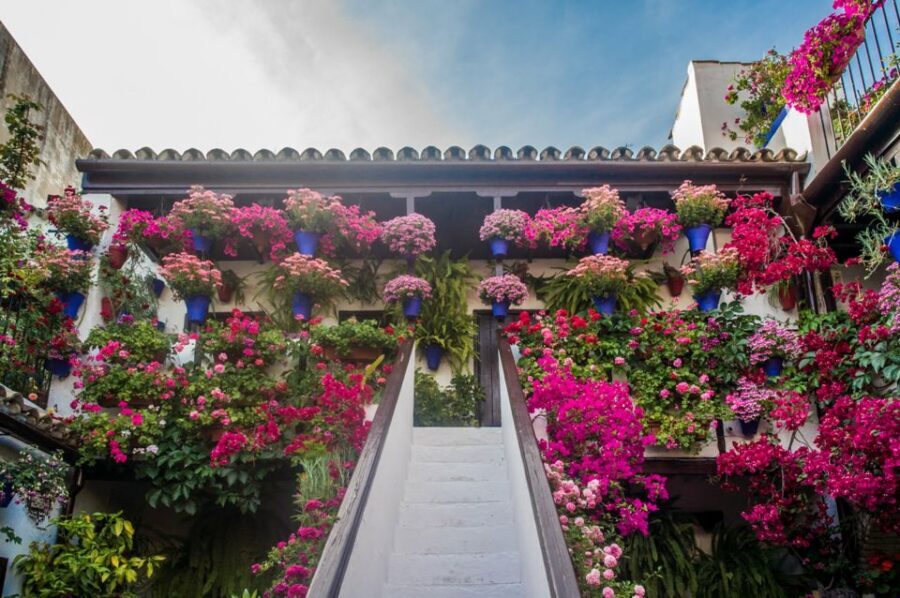
- Private patios, real homeowners: You’ll enter courtyards that are not always open to the public, so it feels personal, not staged.
- Roman-to-Andalusian story: The tour traces how patio culture evolved from Córdoba’s Roman roots into Andalusian home design.
- UNESCO intangible heritage focus: The patios connect directly to Córdoba’s May celebrations of abundant flowers, which UNESCO recognizes as Intangible Heritage of Humanity.
- Plant scents are part of it: You’ll actually notice fragrance and flowering arrangements, not just admire shapes from outside.
- Guides can connect the dots: Many guides bring local context and even links to patio owners, which adds texture.
- Expect crowds in peak season: Entry flow can limit how long you linger at each stop.
Córdoba’s Patio Tradition, Explained in 90 Minutes
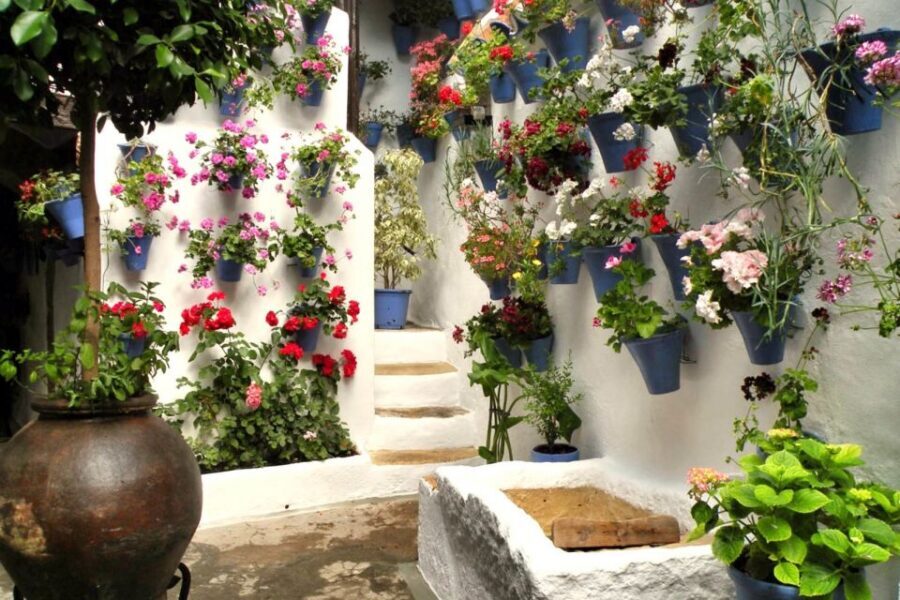
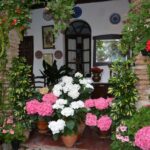
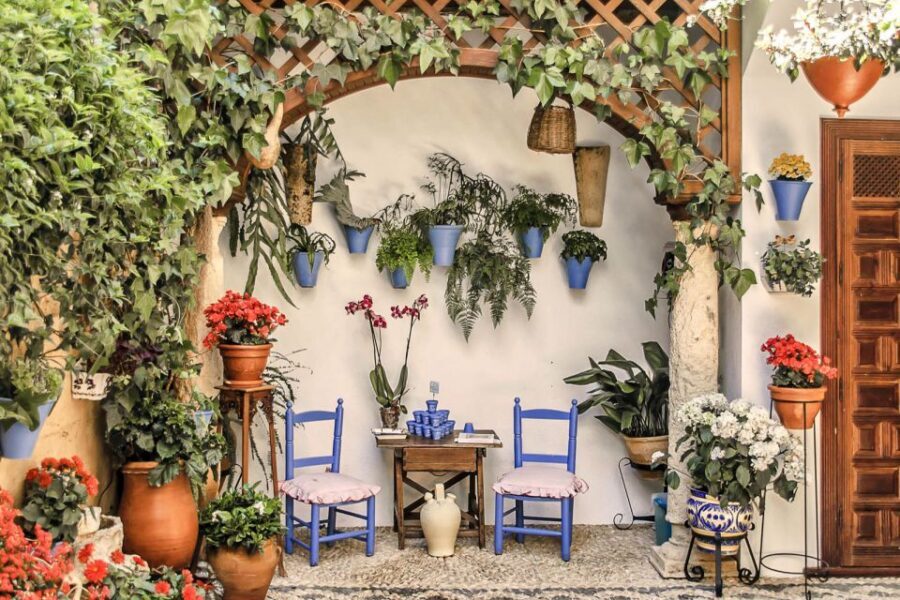
Córdoba patios aren’t just pretty gardens. They’re a household system for living in hot weather, shaped by culture, architecture, and community pride. On this tour, you’re not wandering randomly—you’re moving with a guide who explains what you’re looking at and why it matters.
The best part for me is the mix of senses and ideas. You see the courtyards, yes. You also catch the smell of sweet flowers, and you hear how people used these spaces to cool their homes and shelter daily life from Andalusian heat.
Other Patios of Cordoba tours we've reviewed in Cordoba

A Walk That Starts With Where You Wait
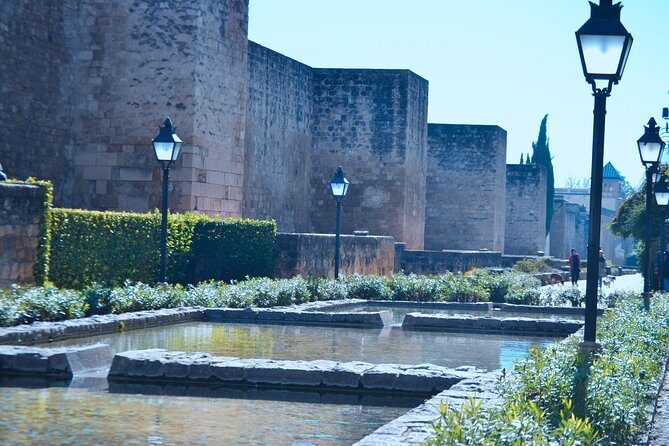
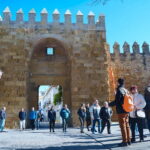
Meeting point matters because Córdoba’s patio scene moves through narrow streets and timed entries. You start at the main door of the Caballerizas Reales (Royal Stables), and you wait outside—don’t go in. If you’re visiting between May 5 and May 18, the meeting point shifts to the main door of the Town Hall of Córdoba on Capitulares street.
This setup changes the vibe. Outside the stables or the town hall, you can settle in, meet your group, and get oriented before the first patio doors open. It’s also a practical way to keep the flow moving when patios are operating with limited access.
What You Actually See: Popular Patios, Not a Single Show Garden
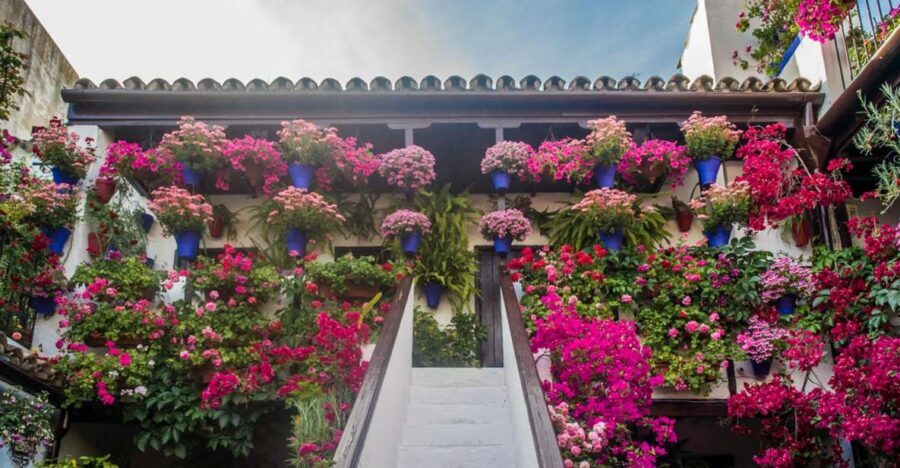
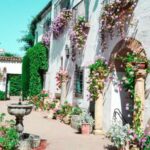
This tour is built around “some of the popular patios of Córdoba,” and the pattern is usually a sequence of different courtyards rather than one long stop. The goal is variety: you’ll experience different ways patios look, feel, and function, even though they share the same overall idea—an interior courtyard that makes home life cooler and more beautiful.
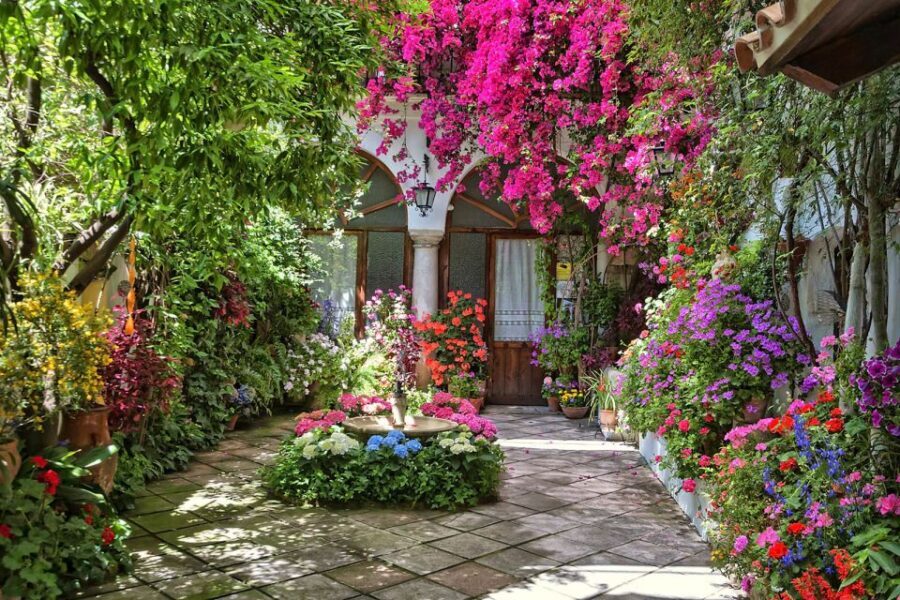
I like that you’re shown multiple examples, because patio design isn’t one-size-fits-all. Different layouts, different plant choices, and different rhythms of shade and light change the experience from one home to the next.
Roman Origins: Why Córdoba’s Past Still Shapes the Patio
One of the most interesting parts is the historical thread. You travel back to Córdoba’s era as part of the Roman Empire, where the city served as the capital of the province of Hispania Baetica. The guide connects that deep time to what patio culture becomes later.
You don’t need to be a Roman history buff. The story works because it’s tied to the physical logic of homes: courtyard space, airflow, and daily comfort. When the guide explains how these courtyards evolved across eras, the patios stop feeling like a May-only spectacle and start feeling like a long-running adaptation to place.
UNESCO and the May Flowers: The Living Tradition Angle
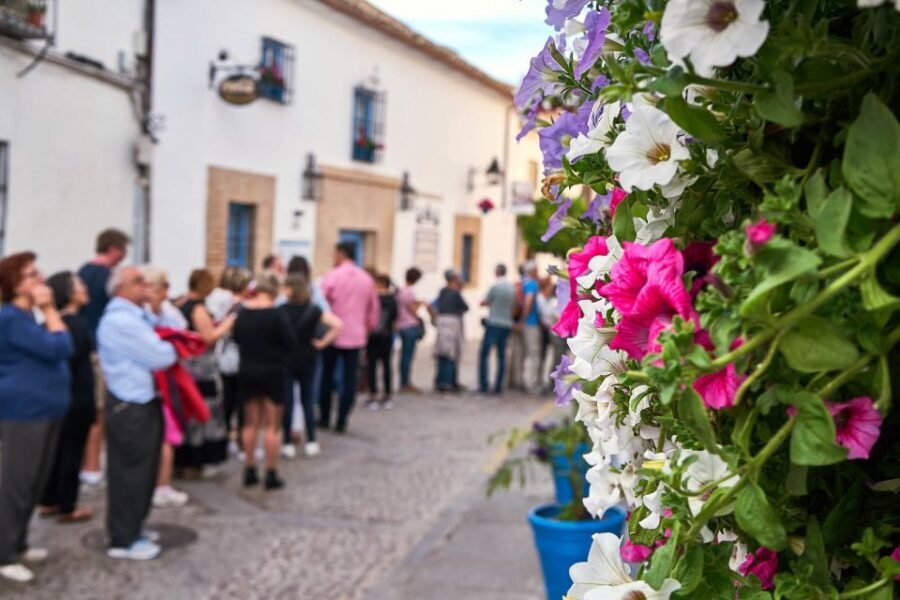
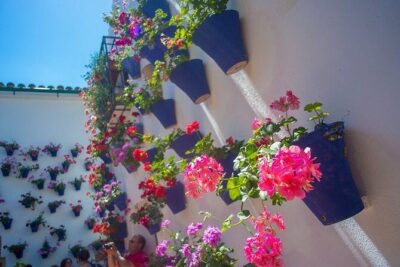
UNESCO lists the patios as Intangible Heritage of Humanity, and the connection is clearest during Córdoba’s May celebrations of abundant flowers. That matters, because it shifts the focus from decoration to tradition.
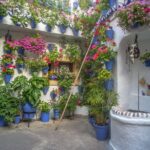
Instead of treating this like a museum display, you’re seeing a practice. Patio owners prepare, maintain, and present their courtyards with pride. The result is a culture where plants aren’t just background—they’re part of how people show welcome, creativity, and continuity.
Other guided tours in Cordoba




Inside the Courtyards: Cooling, Friendship, and Flowers With Meaning
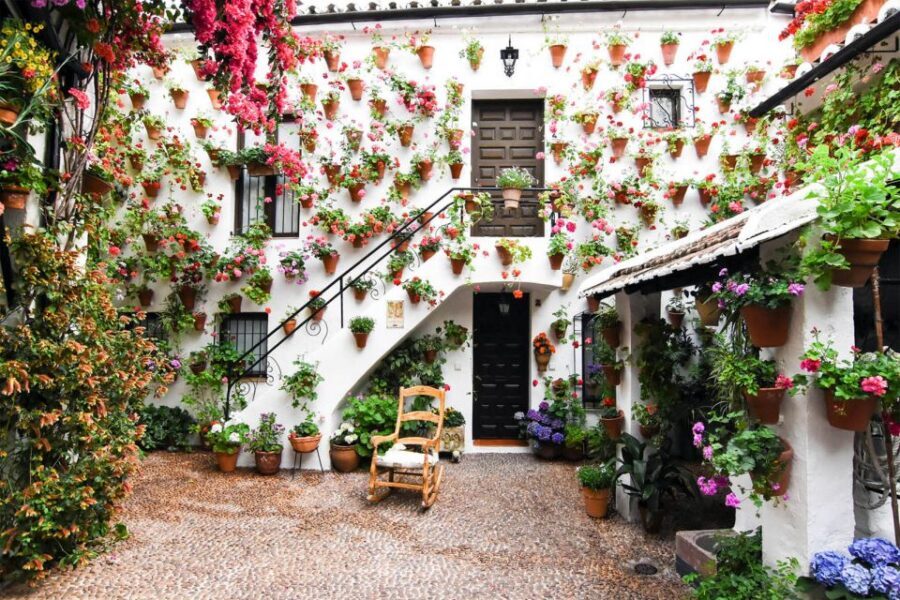
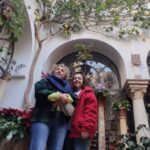
Patios were designed for more than looks. In Andalusia’s heat, they helped homes stay cooler and more sheltered. As the tour explains, courtyards became spaces for friendship and community—places where people would present plants and trees, building social ties through shared growing and shared taste.
That’s why the tour pays attention to both design and emotion. It’s not only how the patio is arranged, but what that arrangement represents to the household. You can feel that in the atmosphere as you move from one courtyard to the next—calm, proud, and very deliberately cared for.
Guide Quality Is the Difference Maker
With a topic this visual, a weak guide can turn the experience into a checklist. A strong guide turns it into meaning. This tour has a strong track record of guides who bring the patios to life through local context and clear explanations.
I also like that you’re not stuck with one teaching style. You might get a guide known for cultural depth and easy understanding, like Joachim. Or you might experience a guide like Emilio who has great rapport with patio owners and can bring extra local details into the walk. Other guides—Maria, Alvaro, Alejandro, Antonio, Gema, Hera, Patricia, and Amelio—show up in recent groups with a consistent theme: they’re friendly, expressive, and able to connect plants to place.
One practical benefit: when queues form, a good guide can keep the story going instead of letting waiting feel wasted. You may still lose some time at each stop in busy stretches, but the narrative doesn’t have to disappear while you wait.
Timing and Crowds: How to Make the 1.5 Hours Feel Longer
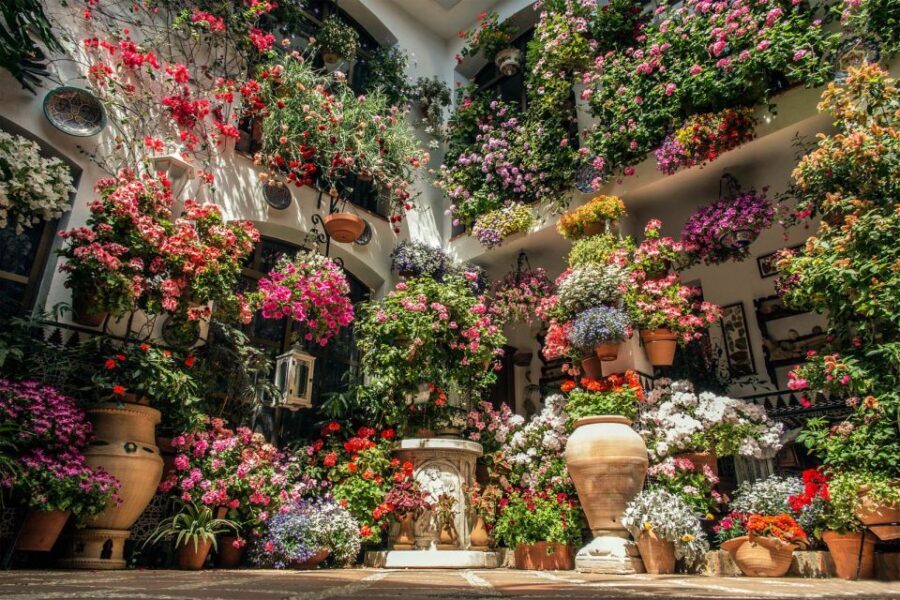
The tour runs for 1.5 hours. That’s a sensible length for moving between several courtyards without wearing yourself out. Still, there’s a ceiling: if entry is slow at one patio, every minute gets tighter at the next.
This is what I’d plan around:
- Wear comfortable shoes and expect short waits.
- Keep an eye on the group pace. You’ll enjoy it more if you’re not fighting the flow.
- If you care about plant details, lean into the questions your guide can answer while you’re standing by the entrance or moving between courtyards.
The most common “watch-out” feeling in this type of tour is simple: people want more time per patio. If you’re the sort of person who could linger in one courtyard for an hour, you may feel slightly rushed. But the trade is also clear—you get multiple patios and a full story arc instead of one deep, slow look.
Price and Value: Is $23 Worth It?
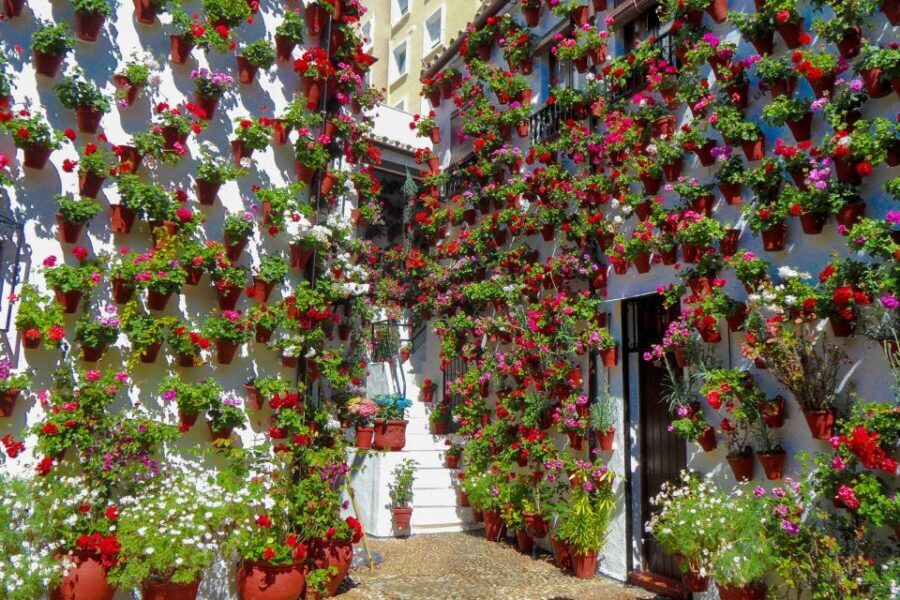
At $23 per person, the value depends on what you want from the experience. Here, your money isn’t only paying for access—it’s paying for guided context plus patio entry support. The price includes the guide and the ticket fee of the patio.
If you tried to do this on your own, you’d still need to solve two problems: figuring out which patios to access and understanding what you’re seeing when you step inside. This tour tackles both at once. You’re paying for that shortcut—plus the human element of a guide who can explain how patio culture developed and how it works today.
For me, the best “value proof” is that people repeatedly highlight guide quality and the payoff of going behind usually closed doors. When those two boxes are checked, $23 for about 90 minutes of guided, entry-supported patio viewing is a fair deal.
Who Should Book This Tour (and Who Might Skip It)
This tour is a strong fit if you want:
- A guided path through Córdoba’s patios without having to research each stop.
- History explained in a way that connects to real architecture and everyday life.
- A story that connects Roman origins, Andalusian climate design, and UNESCO’s May tradition.
You might skip it if you’re the type who dislikes group pacing or wants long, unstructured time in just one or two places. If that’s you, you could still enjoy Córdoba by creating your own patio route—but you’ll lose the specific “why this matters” explanations that make the tour feel more complete.
Final Verdict: Should You Book the Guided Patios Tour?
I’d book this tour if you want the patios to mean something, not just look good. The combination of guided storytelling—from Roman roots to May flower tradition—plus access to courtyards that are not always open is exactly what makes it worthwhile.
If your dates land in peak patio season and you’re sensitive to crowds, arrive ready for a bit of waiting and don’t plan to linger as long as you’d like. Still, even with that constraint, the guide-driven context and the patio variety make this a smart use of 1.5 hours in Córdoba.
FAQ
How long is the Córdoba: Guided Tour of the Patios?
The tour lasts 1.5 hours.
What does it cost?
It costs $23 per person.
Where do we meet for the tour?
Meet at the main door of the Caballerizas Reales (Royal Stables), waiting outside for your guide. From May 5th to May 18th, the meeting point is the main door of the Town Hall of Cordoba in Capitulares street.
What languages are offered?
The live tour guide is available in Spanish and English.
What is included in the price?
The ticket includes the guide and the ticket fee of the patio.
Do I have to pay right away?
No. You can reserve now & pay later, keeping your plans flexible.
Is there free cancellation?
Yes. You can cancel up to 24 hours in advance for a full refund.
Why are the patios UNESCO-listed?
The patios are connected to Córdoba’s May celebrations of abundant flowers and are recognized as part of UNESCO’s Intangible Heritage of Humanity.