REVIEW · CORDOBA
Cordoba Relax Tour in English Tickets included
Book on Viator →Operated by Konexion Tours · Bookable on Viator
Córdoba tells its story in walking chapters. This English tour strings together the Jewish Quarter and the Mezquita-Cathedral so you get the ideas behind the sights, not just a photo stop.
I particularly like the easy on-foot pace and the tight, meaningful stops that help you connect the dots across different eras. I also like that tickets are included for the Mezquita-Cathedral and the synagogue, which cuts down waiting and keeps the day flowing.
One thing to think about: the streets around the Judería are narrow, and the audio can be less helpful if you drift a bit behind the group in those lanes.
In This Review
- Key highlights you should know
- A practical way to see Córdoba’s biggest hits in 2 hours 20 minutes
- Monument to Los Enamorados: the legend that sets the mood
- La Judería walk: the Jewish Quarter streets that make the story feel real
- The Maimonides statue: a quick stop with big intellectual context
- Córdoba Synagogue: small building, meaningful visit
- Zoco Municipal de Artesanía: the Arabian souk vibe in modern craft form
- Capilla Mudejar de San Bartolomé: a fast look at Mudejar detail
- Hospital del Cardenal Salazar and Al-Gafequi statue: where learning meets medicine
- Mezquita-Catedral: how to see it so it actually clicks
- Guides, headsets, and how to make English commentary work for you
- Price and value: what $45.61 buys you on this route
- Who should book this Cordoba Relax Tour
- Should you book it
- FAQ
- How long is the Cordoba Relax Tour?
- Is the tour offered in English?
- What’s included in the ticket price?
- Where does the tour start and end?
- Do I get an audio receiver?
- What group size is the tour limited to?
- Can I get a full refund if I cancel?
Key highlights you should know
- Skip-the-line access to the Mosque-Cathedral (one ticket included, no hunting around in crowds)
- A guided Jewish Quarter walk centered on the Judería, Maimonides, and the small historic synagogue
- Mudejar architecture in real places like the Capilla Mudejar de San Bartolomé
- A timed 2 hours 20 minutes format that fits well when you’re also touring the wider old town
- Expert guide Q&A, so you can ask about how Córdoba’s cultures overlapped over centuries
- Small-group feel with a maximum of 30 people, helped along by headsets when the group is large
A practical way to see Córdoba’s biggest hits in 2 hours 20 minutes
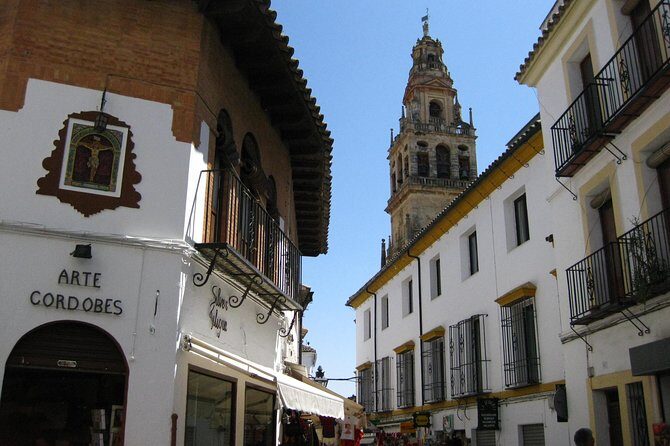
Córdoba can feel like it has too much to see, especially in the old quarter where lanes fold into lanes and signage can be easy to miss. This tour helps because it’s designed as a guided walking route with structured stops, then a longer anchor visit at the Mosque-Cathedral. You end inside the Mezquita complex, which is handy if you want a few extra minutes for photos after the main talk.
Logistics-wise, you start at Monumento a Los Enamorados (C. Tomás Conde, 12). The tour wraps up at the Mezquita-Cathedral Monumental site area near C. Cardenal Herrero, 1, and you can linger in the building if you’d like. The tour is offered in English, and the group is capped at 30 travelers—small enough to feel personal, large enough that you’ll still meet other travelers and move efficiently through busy sections.
At $45.61 per person, the value comes from what you don’t have to manage: you get the guiding plus included entry tickets to the Mosque-Cathedral and the synagogue, along with skip-the-line handling. For many people, that combo matters more than adding another hour of wandering on your own.
A few more Cordoba tours and experiences worth a look
Monument to Los Enamorados: the legend that sets the mood
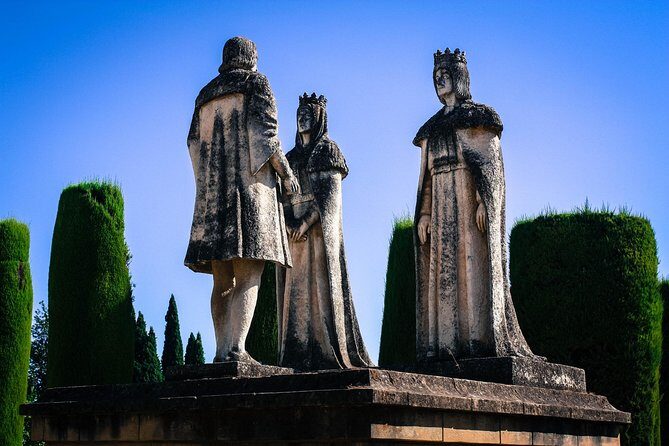
You begin at Monumento a Los Enamorados, a monument tied to Andalusian figures Ibn Zaydun and Wallada bint al-Mustakfi. It’s not a long stop, but it works like a story starter. Córdoba’s old sites make more sense once you remember the city wasn’t just one culture layered on top of another—it was overlapping communities, scholars, artists, and court life.
This stop takes only about 5 minutes, with free admission. The guide’s job here is usually to frame what you’re about to see: why the Judería mattered, and how the later eras still echoed those medieval identities. Even if you’re not chasing romance legends, it’s a gentle way to get oriented in the old center before you head into the Jewish Quarter streets.
La Judería walk: the Jewish Quarter streets that make the story feel real
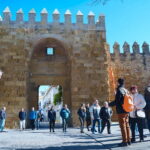
Next is La Judería, Córdoba’s Jewish Quarter area that was home to Jewish communities roughly between the 10th and 15th centuries. You’ll have around 50 minutes in this portion, and free time at each moment you’re placed in the right spot: a street corner, a viewpoint, a landmark where architecture or placement matters.
What I like here is that the tour treats the Judería as more than a themed walk. The guiding tends to connect people and ideas—how neighborhoods functioned, how communities lived, and what cultural marks remain in today’s urban layout. As you walk, you’re not just passing buildings; you’re learning how the city’s physical map reflects its past.
A small note for comfort: these streets can be a bit tight. If you want the best headsets-to-guide experience, try not to lag too far behind when the group turns down narrower lanes.
The Maimonides statue: a quick stop with big intellectual context
After the Judería portion, there’s a short stop at the Estatua de Maimonides, honoring Moses Maimonides. This is only about 2 minutes, but it’s a smart use of time, because it anchors the walk with a recognizable name tied to medieval thought and medicine.
You’ll likely hear how Maimonides shaped ideas in multiple disciplines. That matters because Córdoba’s story isn’t only about art or buildings. It’s also about scholars and scientific thinking that influenced education and medicine across the medieval world.
If you’re the type who likes your walking tours to contain a few “oh, that’s why” moments, this is one of those stops. It’s short, but it gives you a hook you can carry into the synagogue and, later, inside the Mezquita-Cathedral.
Córdoba Synagogue: small building, meaningful visit
The tour’s centerpiece Jewish site (besides the general Judería walk) is the Córdoba Synagogue. It’s a historic small building from 1315 in the Jewish Quarter, and it’s described as the only one you can visit in Andalucía nowadays. Admission is included, and the stop is about 8 minutes.
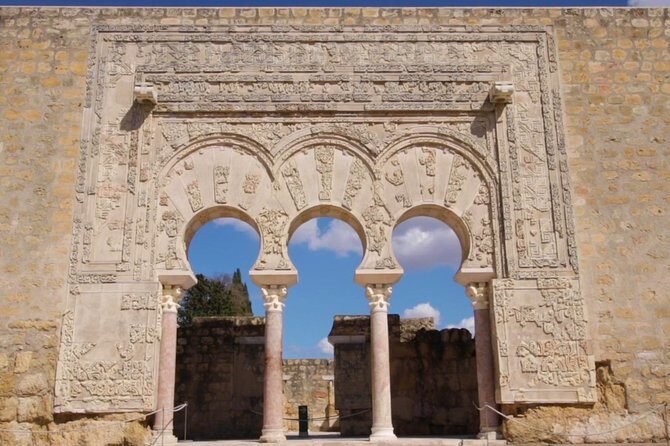
The key here is that you’re not dealing with a huge museum space. A small, well-decorated interior can feel more intimate and focused, and it’s a good match for a tour that also highlights Mudejar craft. The synagogue visit is a major reason people book this route specifically, because it takes the Jewish Quarter from streets into a preserved room with the details intact.
One consideration: sometimes a synagogue visit can be affected by closures for works. If the synagogue is a must-see for you, I’d keep your expectations flexible on the day—though the tour includes the ticket, access can still depend on circumstances.
Zoco Municipal de Artesanía: the Arabian souk vibe in modern craft form
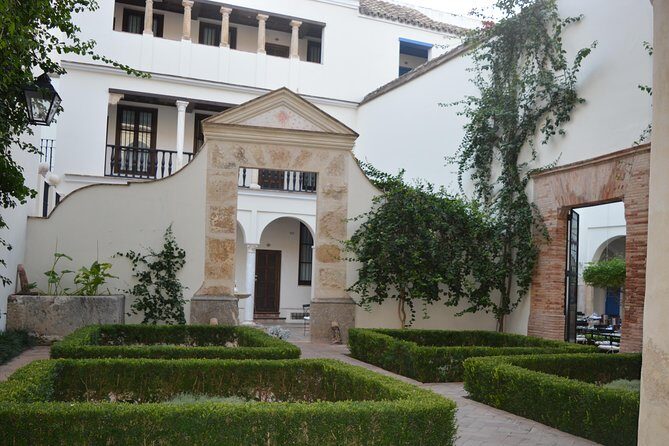
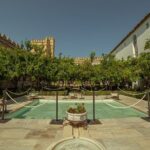
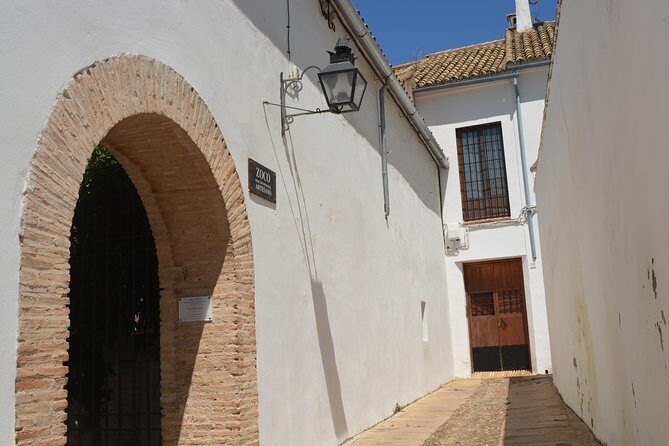
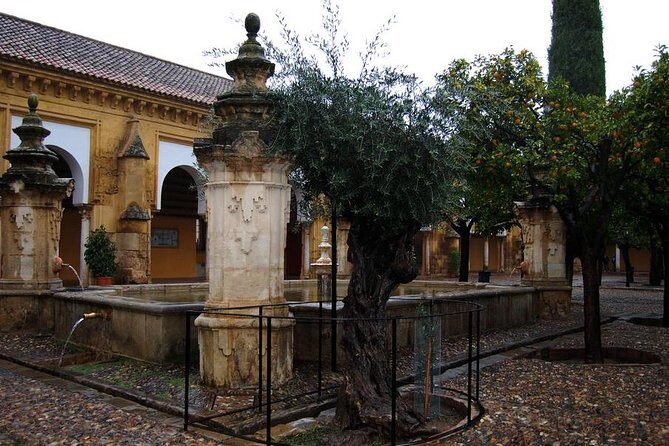
Then you’ll step into the courtyard area tied to the Zoco Municipal de Artesanía, an ancient Arabian souk space that today hosts workshops and stores selling local arts and crafts. This stop is around 8 minutes and free.
This part is more about atmosphere than “bargain mission.” If you like seeing how old commercial spaces remain active, it’s a nice change of pace from the dense architecture stops. The courtyard layout helps you reset your legs before the final sequence of landmarks, and the guide can point out what makes this market space feel connected to Córdoba’s Arabian past even in its present-day form.
If you’re hoping to buy a lot, set a quick budget and don’t let shopping eat into the Mosque-Cathedral time. The tour’s main value is really the guided interpretation of the big historic sites.
Capilla Mudejar de San Bartolomé: a fast look at Mudejar detail
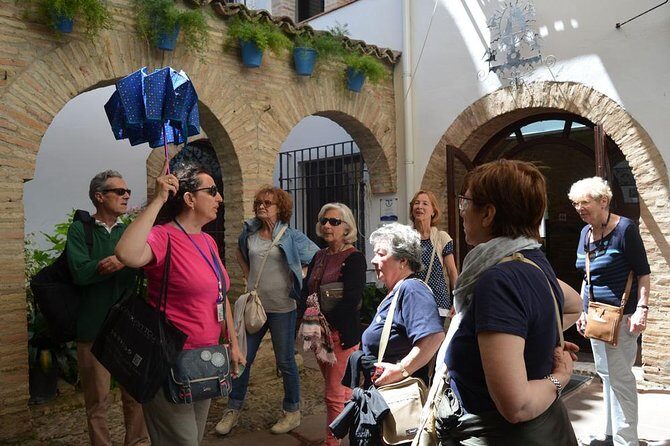
Next comes the Capilla Mudejar de San Bartolomé, a chapel known for Mudejar architecture dating to the 14th century. Expect only about 2 minutes here, with free admission.
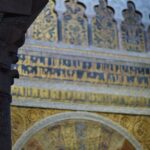
A short stop like this works well if you already know the visual language you’re being shown. Mudejar architecture often reads as refined and ornamental, and the chapel location also helps: it’s in the heart of the old quarter, so it feels woven into daily medieval life rather than isolated like a standalone attraction.
If you’re someone who normally rushes past small buildings, slow down for this one. Even in two minutes, the chapel can give you a strong “this is what people noticed and copied” moment that makes the later Mezquita interior descriptions easier to follow.
Hospital del Cardenal Salazar and Al-Gafequi statue: where learning meets medicine
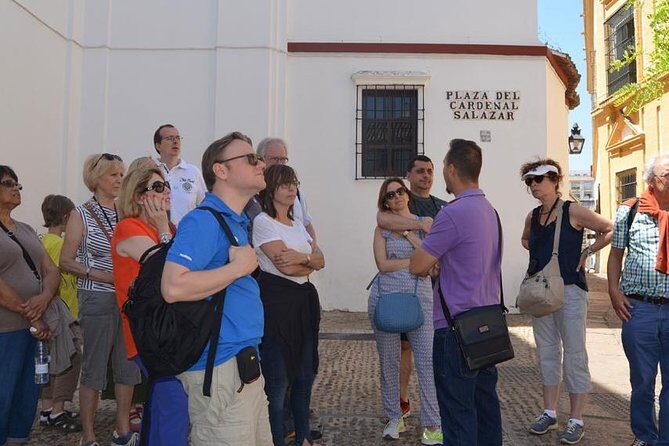
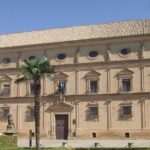
You’ll get another quick architectural-and-education story with the former Hospital del Cardenal Salazar, which later became part of the Faculty of Philosophy and Letters. This stop is about 2 minutes, free.
What’s interesting is the building’s path: it started as a hospital, then shifted into higher education. The building has served academic roles since the early 1970s, with expansions and renovations later on to support programs like Art History and Humanities, and even translation-related fields. Even if you’re not a scholar, it’s a useful reminder that Córdoba’s “knowledge culture” wasn’t limited to one era. It kept transforming.
Then the tour adds a statue stop at Estatua a Mohamed Al-Gafequi, an Andalusian physician famous for his work in ophthalmology, including advances tied to cataract surgery. Another about 2 minutes, free.
This is a great palate cleanser before the Mezquita because it brings you back to the practical side of medieval genius: medicine and observation. If you’re the type who likes links between science and art, you’ll probably find it satisfying to move from streets to ideas and then into one of the world’s most famous prayer spaces.
Mezquita-Catedral: how to see it so it actually clicks
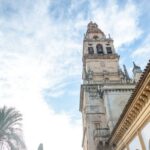
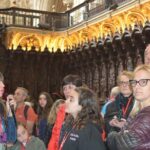
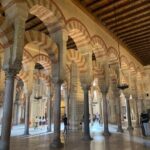
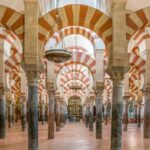
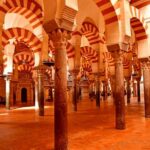
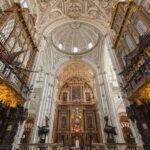
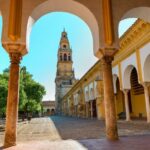
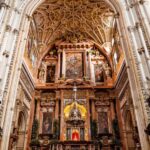
The final major stop is the Mezquita-Catedral de Córdoba, often called the Great Mosque of Córdoba or the Mosque-Cathedral. The visit lasts about 1 hour, and the ticket is included. This is the big one: one of the most accomplished monuments of Moorish architecture, and a site that people describe as truly mind-blowing.
Here’s how I think about making this hour worthwhile. You don’t just want to stand in awe at the scale; you want to understand what you’re looking at. The guide’s job is to point out how the space is organized, how details work together, and why the building’s design created that signature effect.
Because it’s a skip-the-line format, you usually lose less time dealing with queues. That matters here, since waiting outside in the crowd can eat the best part of your attention. Once you’re inside, you can hear the key explanations while the place is still fresh in your eyes.
A note from guide-language experience: English quality can vary by guide. In one case, the guide’s English wasn’t perfect, but the explanations were still clear enough to understand and follow. If your Spanish is weak, don’t panic—this is a guided tour, and the guide should keep the narrative accessible.
After the official tour ends, you can stay longer for photos or additional exploring, since the tour finishes inside the Mezquita area. That flexibility is a quiet win for anyone who likes to linger at the best corners.
Guides, headsets, and how to make English commentary work for you
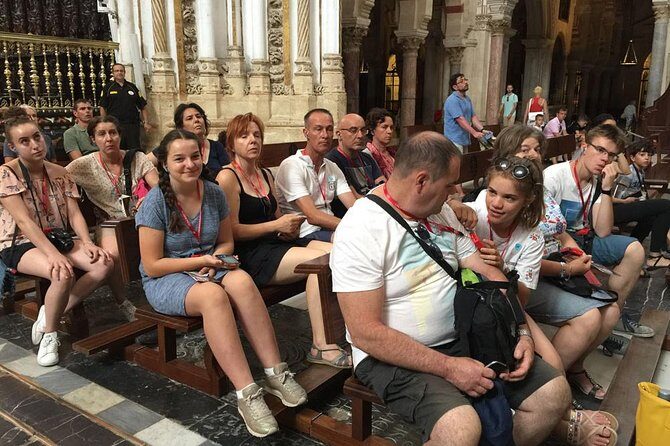
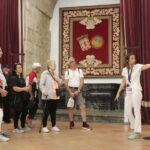
This tour is offered in English, and the guide is a big part of the experience. Several guides have been highlighted by name—people mention guides like Gemma, Carmen, Paki, and David—and the consistent pattern is clear: the best moments come when you can ask questions and get the story behind the details, not just a list of facts.
There’s also an audio receiver if your group is more than 9 people. In practice, that can help you hear the guide even when crowds thicken near major sights. One drawback you might run into: in the narrow Judería lanes, it can be harder to catch everything if you drift behind. So your best move is simple—stay within your comfort range near the front or middle of the group when turns are happening.
If you’re traveling with kids, the narration structure tends to keep things engaging. One family-friendly highlight was that the guide kept both teen and a younger child interested by being detail-oriented and passionate. That’s the kind of guiding that makes a cultural walking tour feel doable for more than just adults.
Price and value: what $45.61 buys you on this route
Let’s talk value without the fluff. At $45.61 per person for about 2 hours 20 minutes, you’re paying for:
- A local qualified guide
- Skip-the-line entry
- Included tickets to the Mosque-Cathedral and the synagogue
- Headsets when the group size needs them
- Local taxes
If you were to DIY this, you’d still spend time lining up and you’d still face the challenge of understanding what you’re seeing inside the Mezquita-Cathedral without a guide explaining the design choices. The ticket-included approach is particularly helpful here because the Mezquita can be the most time-sensitive part of your day. If you want to see it without stressing, the structure pays off.
Is the experience worth it if you’re a fast walker who already knows Córdoba well? Maybe, but you’ll get the most if you like guided interpretation and want to cover both the Judería and the Mezquita in one go. It’s a good “time-efficient but not rushed” format.
Who should book this Cordoba Relax Tour
This tour is a strong fit if you:
- Have limited time in Córdoba and want the Judería plus the Mezquita-Cathedral in one guided sweep
- Like learning how neighborhoods and religions shaped the city’s layout
- Want included entry tickets rather than managing them yourself on the day
- Prefer walking tours with enough structure to keep you from getting lost
It may be less ideal if your main priority is a photo stop at the Roman Bridge. One common wish was to include a scheduled spot for Roman Bridge pictures, and this route focuses elsewhere. If the bridge is key for you, plan it as a separate add-on before or after.
Should you book it
Yes, I’d book it if you want a guided, English-friendly walk that covers Córdoba’s Jewish Quarter themes and then lands you in the Mezquita-Cathedral without wasting your best energy on lines. The combination of skip-the-line, included tickets, and a guide who can answer questions makes it a practical choice for first-timers and repeat visitors alike.
I’d hesitate only if the synagogue interior is your top must-see and you can’t handle the possibility of access changes on the day, or if you mainly want outdoor photo landmarks and less explanation. For most people, the tour hits the sweet spot: manageable walking, meaningful stops, and a guided visit to the star attraction where the details matter.
FAQ
How long is the Cordoba Relax Tour?
It runs for approximately 2 hours and 20 minutes.
Is the tour offered in English?
Yes, the experience is offered in English.
What’s included in the ticket price?
Included are a local qualified guide, a ticket to the Mosque-Cathedral, a ticket to the synagogue, skip-the-line entry, and a local taxes component. Audio receivers are provided if your group is more than 9 people.
Where does the tour start and end?
The tour starts at Monumento a Los Enamorados, C. Tomás Conde, 12 (Centro, Córdoba). It ends at the Mosque-Cathedral Monumental site near C. Cardenal Herrero, 1 (Centro, Córdoba), and the tour usually ends inside the Mezquita so you can take photos or explore further.
Do I get an audio receiver?
You get an audio receiver if you are in a group of more than 9 people.
What group size is the tour limited to?
The tour has a maximum of 30 travelers.
Can I get a full refund if I cancel?
Yes. You can cancel up to 24 hours in advance for a full refund. If you cancel less than 24 hours before the start time, the amount paid is not refunded.