REVIEW · CORDOBA
Semi-private visit to the Mosque-Cathedral of Cordoba
Book on Viator →Operated by Amedina Córdoba · Bookable on Viator
Two religions share one breathtaking building. This semi-private, English-language visit helps you make sense of the Mosque-Cathedral fast, without the chaos, and you start in the Patio de los Naranjos with the official guide. I also like the small-group size (up to 10), because it makes it easier to ask questions as you go.
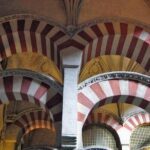
What really makes this tour worth your time is the way the guide walks you through the building in order, from the early founding mosque to later expansions under Abd-al Rahman II, Al-Hakam I, and Almanzor. You’ll get a clear path to key stops like the Mirhab and the Kibla, so the space stops feeling like a blur of arches and starts feeling like a story.
One thing to plan for: the guided tour price does not include the admission ticket, so you’ll want to budget for that extra cost and time it correctly for your visit.
In This Review
- Key Highlights You’ll Actually Care About
- Price and Logistics: What You’re Paying For
- Starting in the Patio de los Naranjos: Getting Oriented Before the Magic
- The Mosque-Cathedral as a Living Timeline
- Mirhab and Kibla: Why These Two Features Matter
- The Cathedral Inside the Mosque: 16th-Century Changes You Can See
- Pacing for a 1 Hour 15 Minute Visit: What You’ll Probably Want to Do After
- English Guidance and Small-Group Questions: When It Clicks
- Who This Tour Fits Best (And Who Might Prefer Something Else)
- Booking Timing: Don’t Wait Too Long
- Should You Book This Semi-Private Mosque-Cathedral Visit?
- FAQ
- How long is the semi-private visit?
- What time does the tour start?
- Is the admission ticket included in the price?
- How many people are in the group?
- Where do we meet the guide?
- Is there free cancellation?
Key Highlights You’ll Actually Care About
- Meet in the Patio de los Naranjos so you understand the layout before you go inside.
- Chronological history, not random facts as the building evolves across different rulers.
- Mirhab and Kibla explained so you know what you’re looking at (and why it matters).
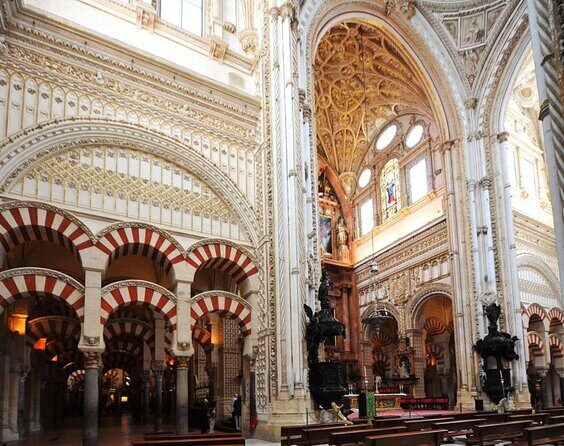
- Cathedral additions in the middle of the mosque space, including the 16th-century main altar and choir.
- Semi-private group (max 10) with room for questions and a calmer pace.
Price and Logistics: What You’re Paying For
At $43.44 per person for about 1 hour 15 minutes, this isn’t the cheapest way into the building. But for the Mosque-Cathedral of Córdoba, guided time tends to be the best value. Why? Because this place is big, layered, and visually intense. Without guidance, you can end up watching your brain work overtime just to figure out what’s from which era.
The tour is sold as a semi-private visit, with a maximum of 10 travelers. That size matters. You get the calm of a smaller group, while still benefiting from an official guide who can point out what to notice.
One practical note: the admission ticket isn’t included in the tour price. So if you’re budgeting tightly, add the official entry ticket cost on top of the $43.44. Also, with a tour starting at 10:00 am, you’ll want to arrive with enough time to get ready and settle in before the guide starts the route.
Finally, the pace is timed. If you’re the kind of visitor who likes long photo stops and lingering turns, you may feel a bit pressed near the end. That’s not a deal-breaker—just decide ahead of time how you want to experience the building.
Other Mosque-Cathedral tours we've reviewed in Cordoba
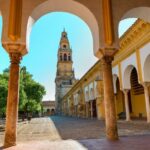
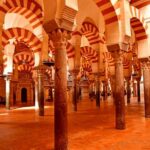
Starting in the Patio de los Naranjos: Getting Oriented Before the Magic
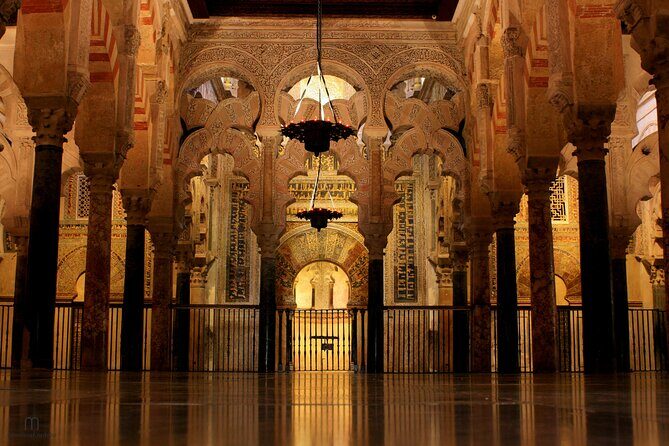
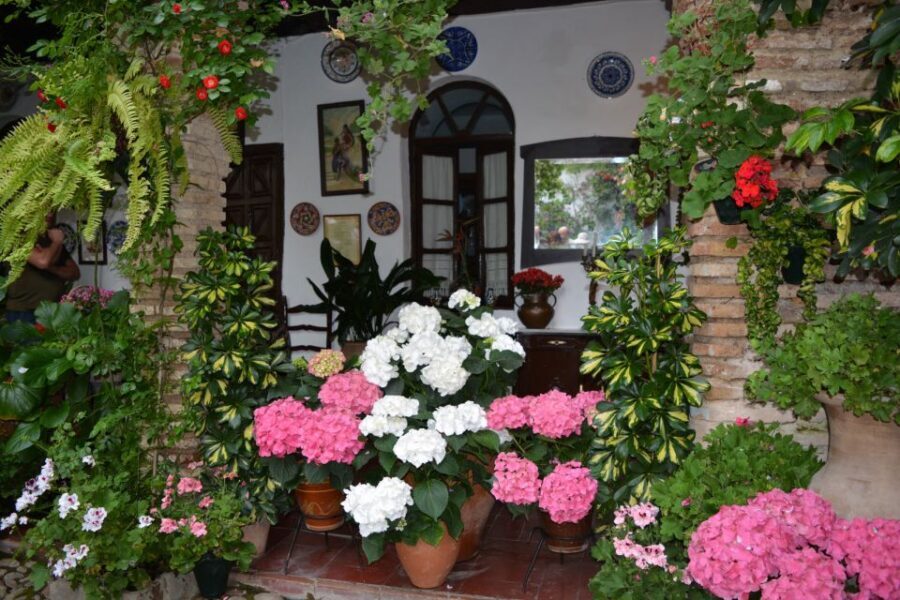
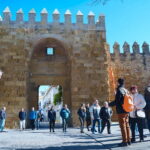
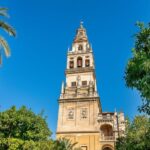
The best tours don’t start inside. They start where you can breathe and orient yourself, and this one begins in the Patio de los Naranjos. That’s a smart first move because it gives you context before you step into the maze-like interior.
From this meeting spot, the guide leads you into the Temple’s space and keeps you moving through the key layers rather than letting you wander. The patio setting also helps you understand the building as a complex, not a single monument—something that changes with time, religion, and political power.
In practical terms, starting here means you’re less likely to feel lost. Instead of wondering where to look first, you’re already on a route, with a guide who can explain what you see as you see it.
The Mosque-Cathedral as a Living Timeline
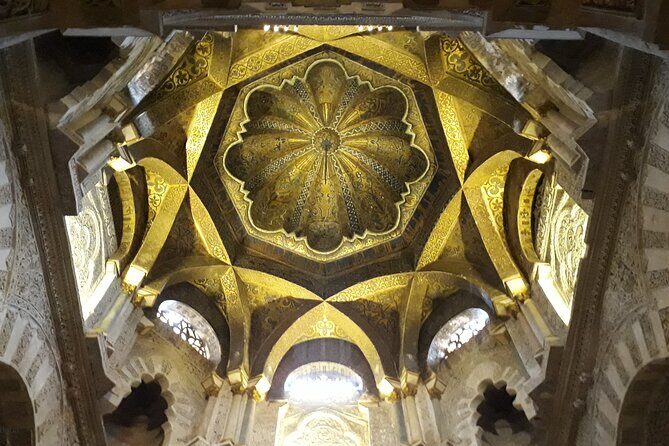
Here’s the real point of the tour: you’re not just looking at a famous building. You’re learning how it became what it is today.
As you move deeper into the space, you’ll follow the story across major phases associated with rulers like Abd-al Rahman II, Al-Hakam I, and Almanzor. That turns the architecture into something you can track. You can start seeing the changes as steps in a long process rather than random variations.
I like this approach because it reduces mental friction. Instead of trying to memorize dates and details on the fly, you learn what to watch for: shifts in design, alterations in emphasis, and how each era left its mark.
This also helps you understand a key emotional idea: the building carries multiple meanings at once. It’s not only about Muslim and Christian architecture as separate styles. It’s about the same space being reinterpreted across centuries—physically altered, but still recognizably continuous.
Mirhab and Kibla: Why These Two Features Matter
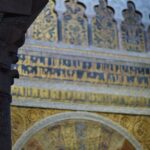
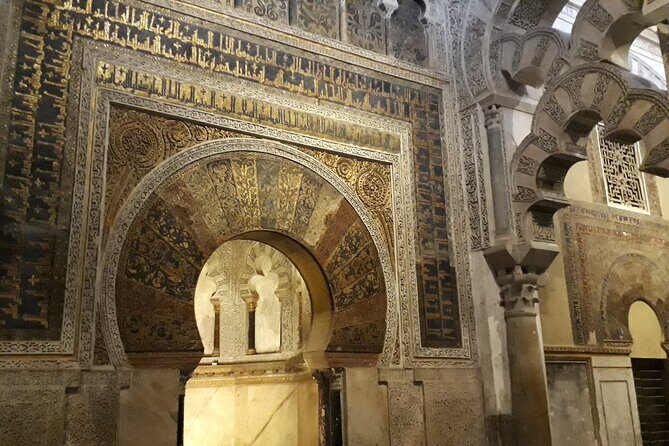
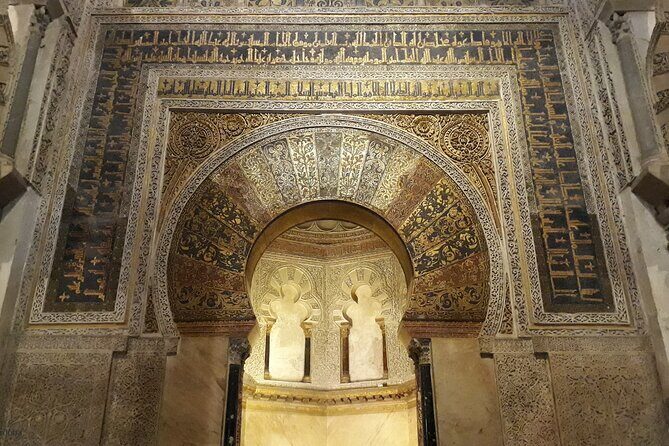
One of the strongest moments of this visit is when the guide gets you to the Mirhab and the Kibla. Even if you’ve seen photos, these are the parts of the building where meaning becomes visible.
The guide’s job here is not just to point. It’s to explain what you’re looking at and why that part of the space would have mattered to worshippers. In a building that mixes eras and functions, these elements help you anchor your attention to purpose.
If you tend to enjoy architecture explanations—how design supports behavior, how sight lines and placement matter—you’ll likely find this section especially satisfying. It turns the interior from a pattern of stone into a structured space with intention.
The Cathedral Inside the Mosque: 16th-Century Changes You Can See
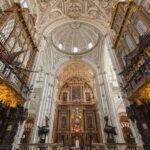
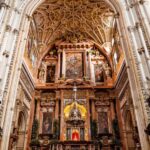
At some point, you’ll shift from the mosque elements to the cathedral section built inside this larger structure. This is where the Mosque-Cathedral becomes most dramatic, because you get to see how later Christianity took over a space that had its own religious center and rules of meaning.
The tour includes the 16th-century cathedral areas, including the main altar and the choir. If you’ve only ever thought of the building in one frame—either mosque or cathedral—you’ll come out seeing it as something more complicated.
This part can be surprisingly emotional. You’ll notice how the solemnity of worship changes through time, and you’ll be guided to observe how one tradition’s sacred focus intersects with another tradition’s sacred focus. It’s the kind of contrast that’s hard to understand just by reading about it.
One practical upside: having a route and a guide helps you keep your bearings during this transition. Without that, it’s easy to feel like you’re just moving between big rooms that happen to be impressive.
Other private tours in Cordoba


Pacing for a 1 Hour 15 Minute Visit: What You’ll Probably Want to Do After
The tour lasts about 1 hour 15 minutes, which means it’s built for momentum. You’ll see the major highlights and learn the essential story beats, but you won’t have time to study every corner like a scholar.
That’s actually good for most people. It gives you a strong foundation, so if you return later (or spend extra time on your own), you’ll know what you’re looking for.
If you’re someone who enjoys a quick, guided scan of a giant site—then a slower second pass—that’s the ideal combo. You’ll likely leave with a better sense of where to focus if you want more time.
English Guidance and Small-Group Questions: When It Clicks
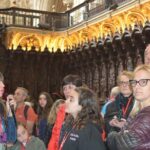
This experience is offered in English, and reviews highlight that people really appreciate the guide’s friendliness and ability to build understanding step-by-step. You’ll also benefit from the small-group format, which often turns a lecture into a conversation.
In particular, names like Nacho and Jose show up in guides praised for explaining the Mosque-Cathedral in a way that feels clear and personal. That’s exactly the kind of guiding style you want here—because you’re learning how to read a layered building.
If you’re traveling with a partner or small circle and you want a calmer experience, this format is a strong match. You get the benefits of a guided route but without the feeling of being herded.
Who This Tour Fits Best (And Who Might Prefer Something Else)
This is a great choice if:
- You have limited time in Córdoba and want the building’s story instead of just the visuals.
- You like context: why the architecture looks the way it does and how it changed.
- You want a small group and some chance to ask questions.
- You’re curious about both Islamic and Christian eras in one place.
You might think twice if:
- You want an open-ended museum-style visit where you can wander for hours without structure.
- You’re trying to keep total costs as low as possible, since the tour price excludes the admission ticket.
Also, plan around the timing. Starting at 10:00 am can be a good way to get a calmer start to your day, but it does mean you should commit to that schedule.
Booking Timing: Don’t Wait Too Long
On average, this kind of visit gets booked about 25 days in advance. That doesn’t mean you must book months ahead, but it does mean popular time slots can disappear. If you have your Córdoba dates pinned down, locking it in early is usually the smartest move.
Mobile ticket delivery makes it easier, too. You can keep everything organized on your phone and focus on the actual visit.
Should You Book This Semi-Private Mosque-Cathedral Visit?
If you want to understand the Mosque-Cathedral as more than a famous photo backdrop, I’d book it. The value isn’t just that it’s guided. It’s that the guide helps you connect the building’s major phases—Abd-al Rahman II, Al-Hakam I, Almanzor—and key religious features like the Mirhab and Kibla to what you’re seeing.
The semi-private size (max 10) makes the tour feel less stressful, and the inclusion of the 16th-century cathedral areas—main altar and choir—keeps the picture complete rather than one-sided.
Just go in with two clear expectations: budget for the admission ticket separately, and accept that at 1 hour 15 minutes you’ll get a guided highlight route, not a full “study it all” experience.
FAQ
How long is the semi-private visit?
The visit is approximately 1 hour 15 minutes.
What time does the tour start?
The start time is 10:00 am.
Is the admission ticket included in the price?
No. The admission ticket is not included in the tour price.
How many people are in the group?
This experience has a maximum of 10 travelers.
Where do we meet the guide?
You meet at Patio de los Naranjos, C. Cardenal Herrero, 1, Centro, 14003 Córdoba, Spain.
Is there free cancellation?
Yes. You can cancel for a full refund up to 24 hours in advance of the experience start time.