REVIEW · CORDOBA
Cordoba: 2.5-Hour Guided Jewish Quarter and Alcazar Tour
Book on GetYourGuide →Operated by CÓRDOBA A PIE · Bookable on GetYourGuide
Some tours just point. This one helps you see Cordoba. In about 2.5 hours, you’ll walk the Jewish Quarter streets with a local guide and end in the Alcázar complex with skip-the-line entrance, tying buildings to the people who made them. I especially like how the explanations stay grounded and clear, and how guides (like Patricia and Raphaël, as noted in recent feedback) keep the group moving with focused, story-based commentary.
The biggest thing to keep in mind is the Alcázar schedule and access. Because of restoration, you won’t see the full Christian Monarchs visit as normal, and the route can also feel a touch shorter if parts of the gardens aren’t open.
In This Review
- Key points before you go
- The route begins at Puerta del Perdón, Mezquita-Catedral
- Calleja de la Hoguera to the Jewish Quarter: how one city reuses space
- Plaza Cardenal Salazar and Algafequi: a short stop with big meaning
- Capilla Mudejar de San Bartolomé: the chapel built by a convert
- The souk stop: craft market time that feels useful, not touristy
- The medieval synagogue: one of the few survivors
- Ending at the Alcázar complex: what you can and can’t see now
- Arab Baths of the Caliphal Alcázar: why baths are more than a stop
- Alcázar Gardens: when they’re open and when they aren’t
- Price and value: is $34 worth it?
- The guide factor: monolingual delivery and pacing that holds attention
- Who this tour fits best (and who should choose something else)
- Practical tips to get more from the 2.5 hours
- Should you book this guided Jewish Quarter and Alcázar tour?
- FAQ
- FAQ
- Where does the tour meet?
- How long is the tour?
- Is skip-the-line access included?
- What’s included in the price?
- What is not included?
- Which parts of the Alcázar are accessible right now?
- Does this tour include the towers?
- What languages are offered?
- Is the tour suitable for people with limited mobility or back problems?
- Do I need to cancel in advance for a refund?
Key points before you go
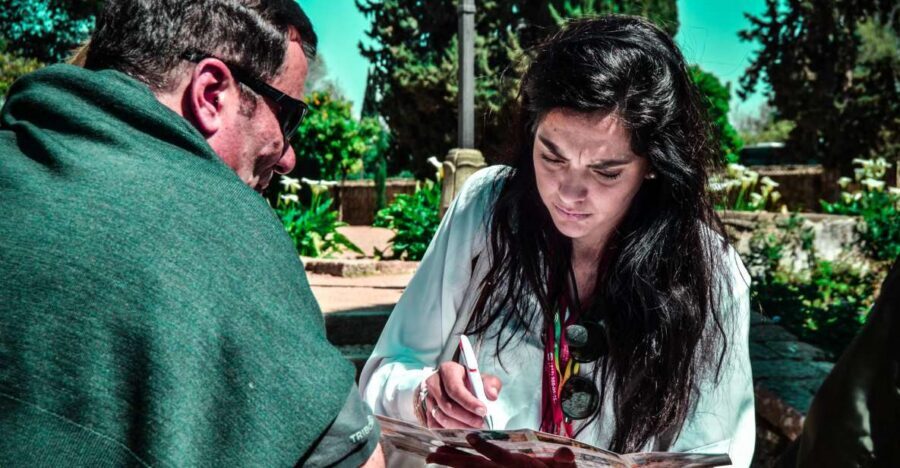
- Calleja de la Hoguera start point: you begin by spotting layers, including a historic mosque setting in the Arabic-era streetscape.
- Jewish Quarter with specific wayfinding: stops are named and time-period anchored, so you’re not wandering blindly.
- Alcázar access is limited right now: you’ll visit the Alcázar Gardens and the Arab Baths of the Caliphal Alcázar, not the full complex.
- A guide who sticks to one language: you won’t have the talk constantly switching between English and Spanish mid-stream.
- Stairs and older buildings: it’s a walking tour with multiple steps, so plan accordingly.
- Skip-the-line entrance matters: you spend more time looking, less time waiting.
The route begins at Puerta del Perdón, Mezquita-Catedral
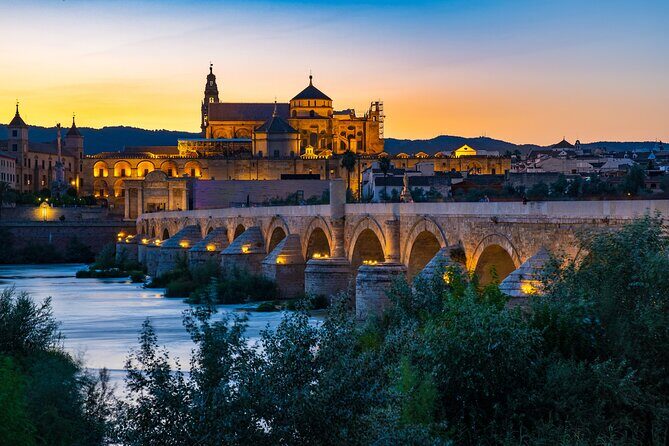
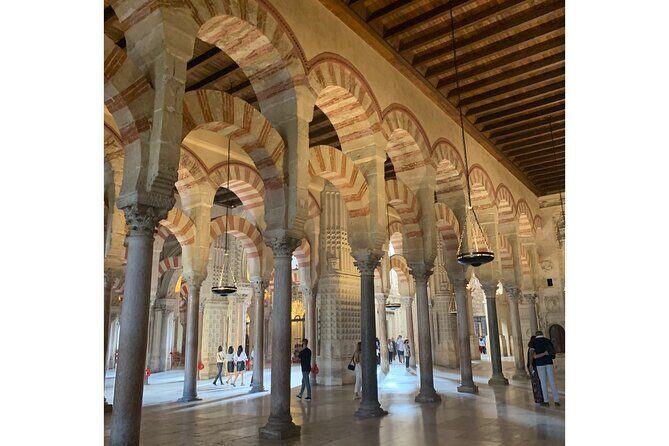
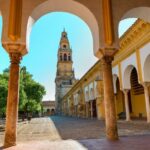
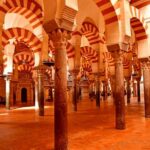
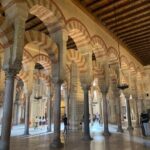
Your tour starts at Puerta del Perdón at the Mezquita Catedral, then you’ll follow your guide out into Cordoba’s older lanes. The setting is smart because the Mezquita Catedral area is where many first-time visitors get their bearings. Even before you reach the Jewish Quarter, you’ll be in the right historical mood—old city energy, tight streets, and that sense that Cordoba was built in layers.
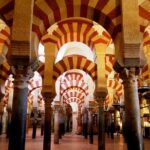
From there, you head toward Calleja de la Hoguera, a narrow street with an Arabic-era feel. You’ll stop to look at a historic mosque setting right in the street fabric. You get a sense of how Cordoba’s early religious footprint was dense—historians believe the city once hosted over a thousand mosques in the 10th century—so the rest of the walk makes more sense when you see how later communities occupied and repurposed that same urban ground.
Other Jewish Quarter tours we've reviewed in Cordoba
Calleja de la Hoguera to the Jewish Quarter: how one city reuses space
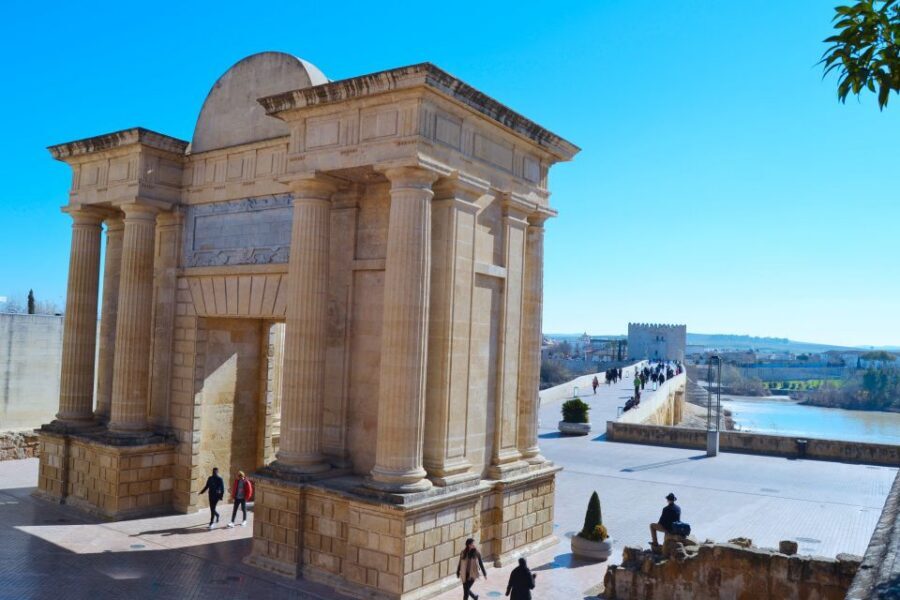
This first stretch is where the tour’s best trick shows up: it makes architecture feel like evidence. Instead of listing dynasties, you’ll connect what you see—street layout, building placement, and religious design—to the era when each layer was active.
Your guide leads you into the Jewish Quarter area, which traces back to the 14th century. That matters because it signals you’re not just touring “old Cordoba.” You’re walking a neighborhood with a specific timeline, and your stops keep that timeline intact.
As you move toward the next plaza, you’ll get your first big named landmark: Plaza Cardenal Salazar. Here you’ll see a statue of Algafequi, known as the first doctor to operate on eyes in Europe in the 12th century. Nearby, an old hospital from the 18th century stands today as a university. That jump—medicine to education, one building type turning into another—is one of those practical reminders that Cordoba keeps living even as the stones age.
Plaza Cardenal Salazar and Algafequi: a short stop with big meaning
This is one of the stops I think you’ll appreciate most if you like details that you can actually picture later. The tour doesn’t ask you to memorize dates. It gives you anchors you can recognize on your next walk, like Algafequi’s statue and the hospital-to-university transformation.
It also sets up a key theme for the Jewish Quarter: survival and continuity. Cordoba’s history includes moments of welcome and moments of pressure, and the built environment is one of the only ways to track those changes when you’re standing in the present. You’ll start to notice how many structures have “new lives” compared to their first purpose.
Capilla Mudejar de San Bartolomé: the chapel built by a convert
Next comes Capilla Mudejar de San Bartolomé, an old Christian chapel with an arabesque style built by a Jewish convert. This is where the tour shifts from street-and-plaza orientation into something more emotional and complicated, without turning heavy.
Your guide will explain the building’s hidden history—the sort of story you’d likely miss if you just pass by. What I like here is that it doesn’t feel like a random religious stop. It fits the broader narrative of Cordoba, where identities changed over time and architecture records those transitions.
If you’re the type who enjoys religious-art clues—shapes, motifs, and the way styles blend—this chapel gives you plenty to look at. And if you’re not, it still works because you’re guided to notice what matters instead of getting lost in what’s decorative.
The souk stop: craft market time that feels useful, not touristy
After the chapel, you’ll head to the souk, a craft work market with local products typical of Cordoba. The tour doesn’t frame it as a “buy now” mission, which I appreciate. It’s more like a reset moment: you’ve been walking, reading, listening, and looking at monuments—so the souk gives your brain a break while still keeping the experience local.
You’ll also be able to browse while your guide manages the group pace. If you like picking up small souvenirs that feel tied to place rather than generic shops, this part is where you’ll have time to do it thoughtfully.
Other Alcazar tours we've reviewed in Cordoba

The medieval synagogue: one of the few survivors
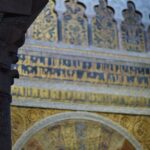
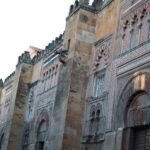
Then you’ll reach the standout religious architecture most people come for: a medieval synagogue built in the 14th century. The tour emphasizes something crucial: it’s one of the few Jewish monuments that has survived a tumultuous history.
This stop is powerful because it’s concrete. You’re not hearing about history as an abstract timeline. You’re standing in a building that carries the weight of survival. It also ties back to earlier points you learned on the walk, from the mosque-era layers to the chapel’s blended identity story.
If you want photos, this is usually the moment to plan them. Don’t rush the first angle—let your eyes settle, then switch viewpoints. The synagogue stop is short enough that you don’t feel dragged, but long enough for you to understand why it matters.
Ending at the Alcázar complex: what you can and can’t see now
Your tour ends at the Alcázar of the Catholic Monarchs, but you’ll want to go in with realistic expectations because restoration work is ongoing. The full tour of the Christian Monarchs Alcázar cannot take place as usual right now.
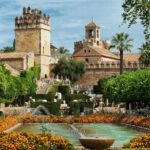
During your visit, access is limited to the areas currently open to the public: the Alcázar Gardens and the Arab Baths of the Caliphal Alcázar—both part of the same monumental complex. You also won’t be visiting the towers. That’s not a small change. Towers are a big draw in many versions of this experience, so your best plan is to treat this as a tour focused on garden spaces and bath-area history rather than full panoramic views.
Your guide will still connect the Catholic Monarchs to Cordoba’s later past and explain the Alcázar’s role in the city’s story. Even with the limitations, this ending section is valuable because it rounds out what you saw earlier in the Jewish Quarter. You move from neighborhood-scale history into royal-scale history—same city, different kind of power.
Arab Baths of the Caliphal Alcázar: why baths are more than a stop
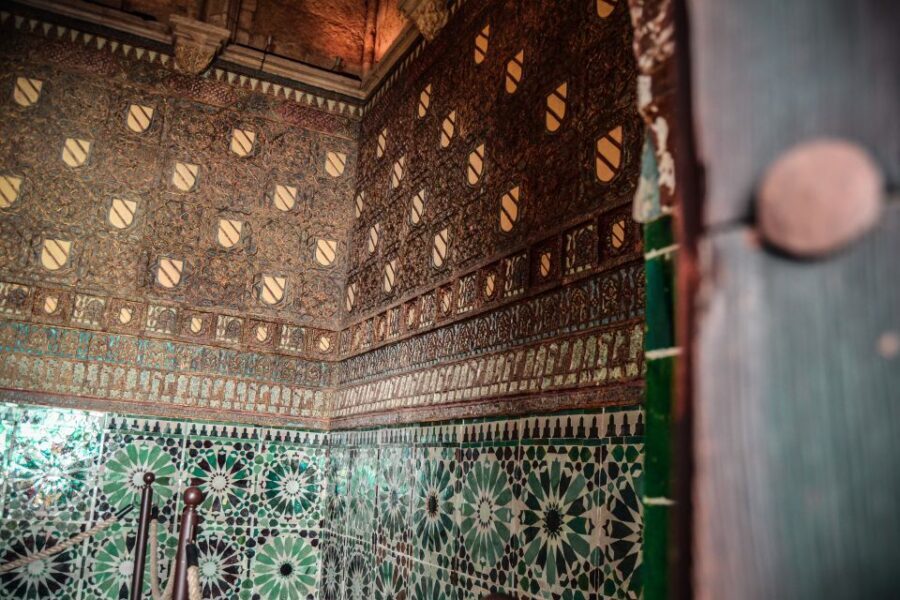
The Arab Baths section is one of those places where architecture does the teaching. You’ll get the feel of how space, water, and design worked together in daily life, and your guide’s narration helps you read the rooms instead of just walking through.
It’s also a good counterpoint to the synagogue stop. You’ve already seen how a community’s identity showed up in sacred architecture. Now you see another kind of cultural imprint—where design supports routines, comfort, and belief systems tied to the era’s daily rhythms.
If you’re hoping for a lot of stairs-free walking at the end: be aware this tour notes many stairs. Plan for a steady pace and comfortable footwear.
Alcázar Gardens: when they’re open and when they aren’t
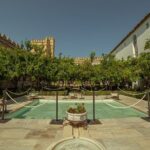
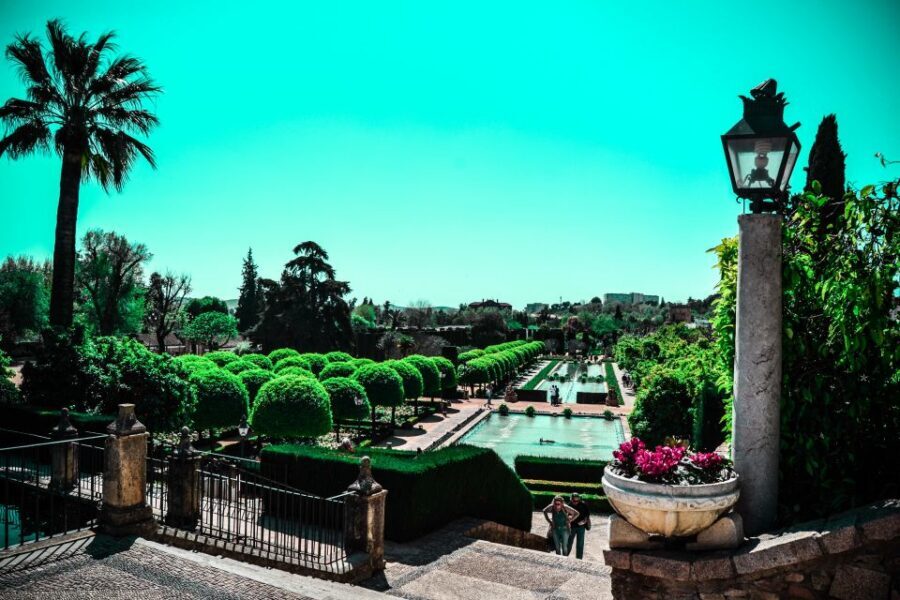
When the Alcázar Gardens are accessible, they add breathing room to the tour. After the tighter medieval lanes, garden paths help you reset and absorb the scale of the Alcázar complex. Even a short pause among plants and stone can make the earlier stops feel more dramatic in hindsight.
On some days, gardens can close to the public due to conditions. In that case, your guide may adjust the timing and shift more time back toward the Jewish Quarter so you still get a full guided experience. It’s not something you can control, but it’s a reason to think of this tour as guided storytelling first, not just a fixed checklist of rooms.
Price and value: is $34 worth it?
At $34 per person for a 2.5-hour guided walk with entrance fees included and skip-the-line access, the value is solid—especially if you’re traveling with limited time. You’re not paying only for “entry.” You’re paying for the guide to connect the architecture you’re seeing with the historical context you’d otherwise have to piece together from plaques and your own research.
The skip-the-line part matters in Cordoba, because popular historic sites can get time-sink waiting. If you’re trying to pack a day without stress, this is one of those small choices that makes the whole itinerary smoother.
Where the price can feel less perfect is the current Alcázar limitation. Since you can’t access the full Christian Monarchs visit and towers aren’t included, your value comes from the Jewish Quarter depth and the parts that are open (gardens and Arab Baths). If those are truly what you care about, it still makes sense.
The guide factor: monolingual delivery and pacing that holds attention
One detail I really like in the way this tour is described is the insistence on a monolingual guide approach—meaning the guide won’t keep switching languages mid-explanation. That might sound small, but it’s a big quality-of-life issue. It keeps the storytelling coherent, and it helps you focus instead of tracking who the guide is speaking to.
Recent feedback also points to consistently strong guiding—people calling out guides like Patricia for making explanations fun for both adults and younger listeners. Others highlight guides adjusting when something changes, like weather-related access. That matters because it’s not just about knowing facts. It’s about managing a walking route while still keeping the experience rewarding.
Groups are typically manageable for this kind of city-center walk. One review noted a very small group (five people), which is the kind of situation where questions feel easier and the pacing feels less rushed.
Who this tour fits best (and who should choose something else)
This tour works best if you want a guided “history you can walk through” day—Jewish Quarter focus, then an Alcázar ending with gardens and bath-area storytelling. It’s also good if you like short, name-based stops like Plaza Cardenal Salazar and Capilla Mudejar de San Bartolomé, because you’ll leave with recognizable anchors for self-guided wandering later.
It’s not for everyone. The tour explicitly notes it’s not recommended for people with limited mobility because there are many stairs, and it’s also not suitable for people with back problems. Babies trolleys must be left at the entrance, which also tells you the tour expects you to move through stairs and tight spaces. If you need an easier walking plan, you may want a different Cordoba option that’s less stair-heavy.
Practical tips to get more from the 2.5 hours
Wear comfortable shoes—you’re on a walking route with historic streets and stairs near key sites. Bring water if the weather is warm, since even the best guide can’t pause history for dehydration.
Also, don’t treat this as a deep museum tour. It’s a walking-and-stories experience, so your best move is to stay mentally in listening mode during transitions. When your guide points out a name—Algafequi, Capilla Mudejar de San Bartolomé, the synagogue—try to connect it to the physical space right then. That’s how the whole neighborhood starts to make sense later.
If your main goal is panoramic views from towers, then this tour will disappoint. Towers are excluded. But if your goal is to understand how different cultures left signatures across Cordoba’s streets and sacred spaces, it delivers.
Should you book this guided Jewish Quarter and Alcázar tour?
Book it if you want a time-efficient Cordoba experience that gives you named stops, clear context, and real architectural moments—especially the Jewish Quarter and the surviving synagogue. The guide quality and monolingual approach are real strengths, and the Alcázar ending still offers meaningful access through the gardens and Arab Baths.
Skip or swap it if you need a full Alcázar “towers and everything” experience right now, or if stairs and back strain are a concern. The current restoration limits what you can access, and this tour intentionally doesn’t include the towers.
If you’re on a tight schedule, this is a strong choice for a single guided block. You’ll finish the walk with a better map in your head and more confidence exploring the city on your own after.
FAQ
FAQ
Where does the tour meet?
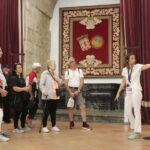
The meeting point is Puerta del Perdón, Mezquita Catedral, Calle Cardenal Herrero, 1. Look for the orange umbrella.
How long is the tour?
It lasts about 2.5 hours.
Is skip-the-line access included?
Yes. The tour includes skip-the-line access.
What’s included in the price?
You get a guided tour and entrance fees.
What is not included?
Food and hotel pickup are not included.
Which parts of the Alcázar are accessible right now?
Due to restoration, you can access the Alcázar Gardens and the Arab Baths of the Caliphal Alcázar. Other areas are not available as usual.
Does this tour include the towers?
No. Tower visits are not included.
What languages are offered?
The live tour guide is available in English and Spanish.
Is the tour suitable for people with limited mobility or back problems?
The tour is not recommended for people with limited mobility because there are many stairs, and it is also not suitable for people with back problems.
Do I need to cancel in advance for a refund?
You can cancel up to 24 hours in advance for a full refund.