REVIEW · CORDOBA
Extra Virgin Olive oil tasting
Book on GetYourGuide →Operated by Things to do Cordoba · Bookable on GetYourGuide
Liquid gold tastes better with breakfast. In Cordoba, you’ll sample six extra virgin olive oils, then learn what makes each one smell and taste the way it does.
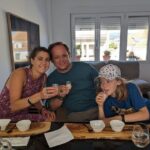
I like that the tasting is hands-on: you don’t just hear terms like organoleptic or variety names—you taste them, in order, with bread and coffee to reset your palate. I also love the human side; guides like Adrian, Gloria, and Barbara bring serious olive know-how with a light, funny touch. One drawback: it’s 75 minutes, so it’s ideal for people who want a focused food experience, not an all-day deep-history tour.
In This Review
- Key things I’d circle on your plan
- Where the tasting begins in Corredera Square
- The breakfast method: Desayuno molinero, pan del vacar, and coffee
- What you taste: six extra virgin olive oils and the varieties behind them
- How the production lesson stays practical (not just facts)
- The tasting flow: how it feels in real time
- Córdoba olive culture: ancient habits and why this matters
- Picking a bottle after the tasting: buying without stress
- Who this is best for (and who should skip it)
- Price value: is $15 per person worth it?
- The guide factor: why Adrian, Gloria, and Barbara keep winning
- Should you book the olive oil tasting in Córdoba?
- FAQ
- What is the duration of the extra virgin olive oil tasting?
- How much does it cost, and what’s included in the price?
- Which olive oil varieties will I learn about?
- Where do I meet for the tour in Córdoba?
- What languages are available?
- Is this experience suitable for wheelchair users?
- Can I cancel, and is pay later available?
Key things I’d circle on your plan
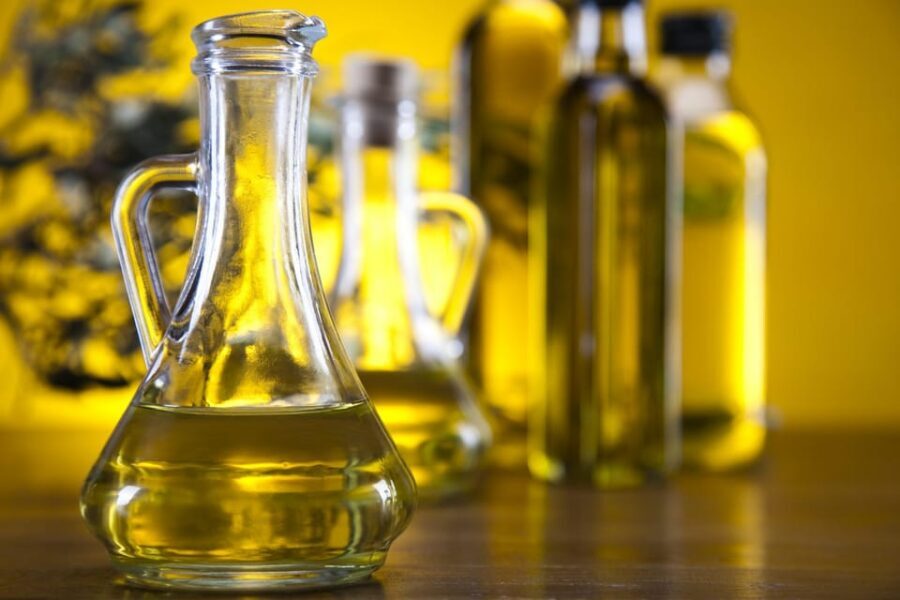
- Six Cordoba oils to taste, side-by-side so you can actually spot differences between varieties
- Desayuno molinero with pan del vacar (bread) and coffee as part of the tasting method
- Varieties you’ll learn to recognize: picual, arbequino, picudo, and hojiblanca
- Tree-to-bottle production stories and practical explanations of how extra virgin is made
- A quick market-to-basement rhythm that keeps it lively and easy (when the group starts there)
- On-site purchasing in the situ store so you can buy the oil you liked right after
Where the tasting begins in Corredera Square
Your experience starts in the heart of Cordoba’s Corredera Square market area. Look for the big clock under the main entry to the square market—that’s your meeting point.
This matters more than it sounds. Arriving near the market keeps the whole thing grounded in real daily life, not a staged location off to the side. You’ll also get a head start on the smells of Spain—bread, coffee, local produce—so when the olive oils start, your senses are already awake.
Other olive oil tasting and mill tours in Cordoba

The breakfast method: Desayuno molinero, pan del vacar, and coffee
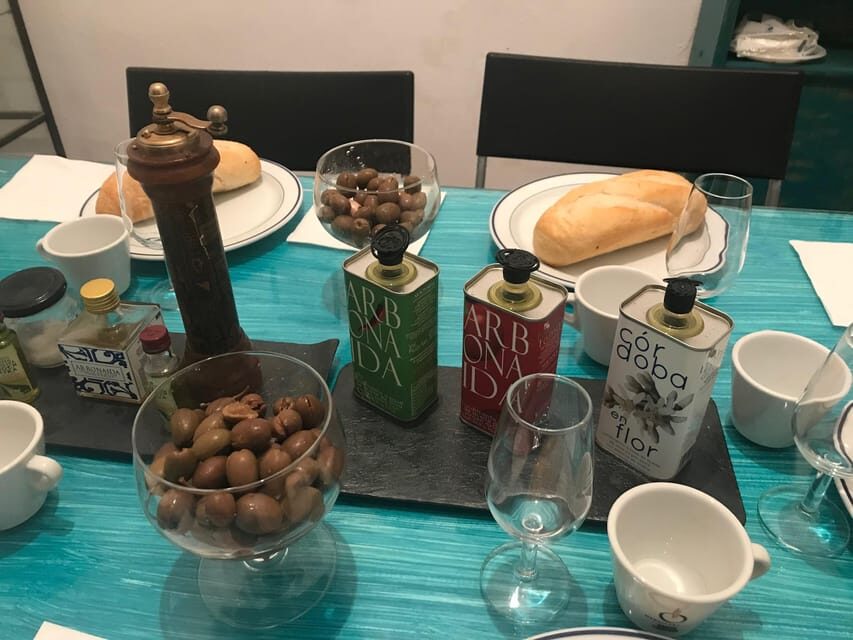
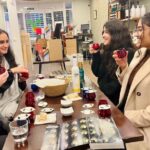
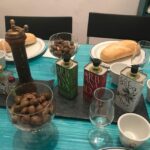
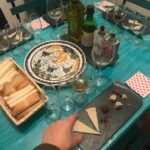
This isn’t a “sit and listen” tasting. It starts like breakfast, using an ancient habit called desayuno molinero—a traditional way of consuming olive oil—paired with typical bread called pan del vacar.
Expect arabic coffee from a local top-quality producer, plus coffee or tea as part of the set. In the tasting room approach, guides often help you clear your palate between oils (you’ll be offered water too). That’s a smart design: olive oil flavors can blur together fast, especially if you taste too quickly.
Here’s what I’d do to get the most out of it: taste slowly, and use the bread as your reset button. The bread isn’t an afterthought—it helps you move from one oil impression to the next instead of guessing.
What you taste: six extra virgin olive oils and the varieties behind them
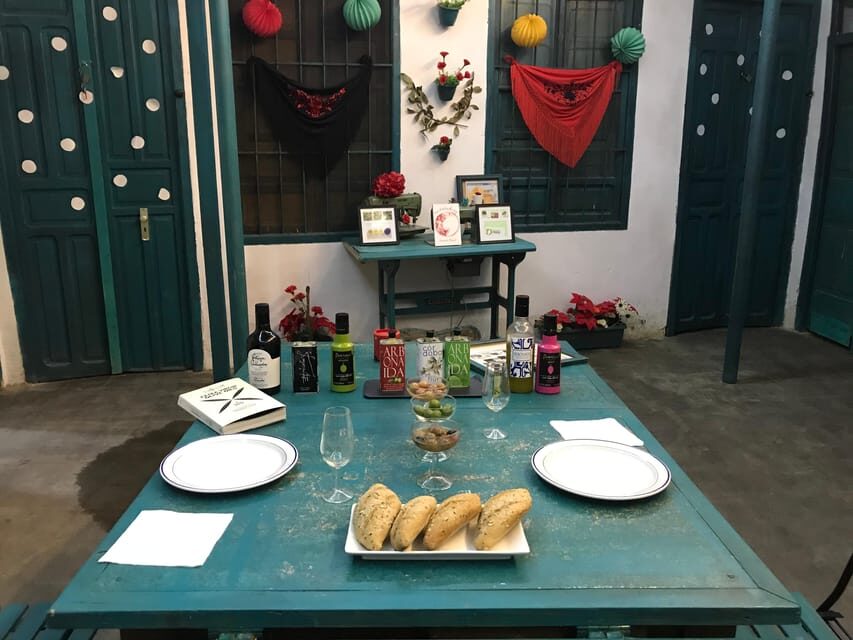
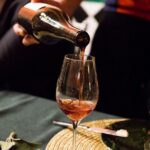
You’ll sample 6 olive oils from Cordoba. The point isn’t just that they taste good—it’s that each one shows a different personality based on variety and production.
You’ll learn about key olive varieties tied to the oils, including:
- Picual
- Arbequino
- Picudo
- Hojiblanca
Even if you’re new to olive oil, you’ll start noticing patterns. Some oils tend to feel more peppery or intense, others more mellow. The guide explains the organoleptic characteristics—meaning how it comes across to your senses: smell, flavor impressions, and how it finishes in your mouth.
Several guides in the experience history bring up how olive trees and olive oil connect to Córdoba’s food culture, not just its agriculture. That’s why the tasting works: your palate learns the differences, and your brain gets the reasons.
How the production lesson stays practical (not just facts)
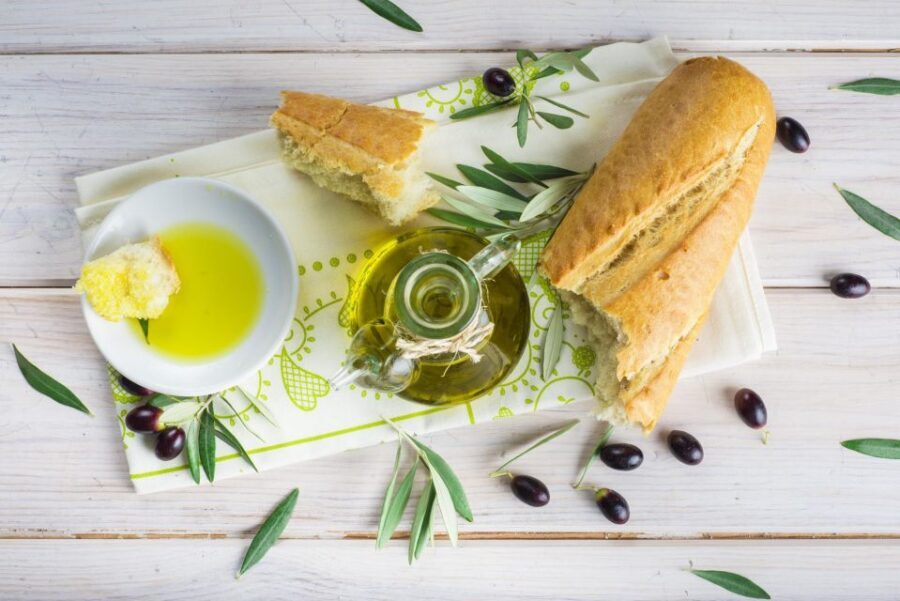
At some point, you’ll hear the “from tree to bottle” story for each oil: how olives are grown, harvested, and processed into the final product. The experience includes first-hand information on olive oil making, including the process from beginning to the finished product.
This is also where you’ll get the standards piece. Extra virgin isn’t just a label—it comes with specific qualities and strict measures. Guides explain what makes an oil qualify as extra virgin, which helps you understand why one bottle costs more than another and why freshness and quality matter.
A few extra practical details you can carry home:
- Variety changes the taste: the olive type shapes what you’ll smell and taste.
- Processing and timing influence intensity: handling from harvest to pressing affects the final profile.
- How you taste affects what you learn: using bread, coffee, and a clear palate helps you identify what’s actually in the oil.
If you’ve ever bought olive oil that tastes flat or harsh, this is the kind of lesson that tells you what to look for next time.
The tasting flow: how it feels in real time
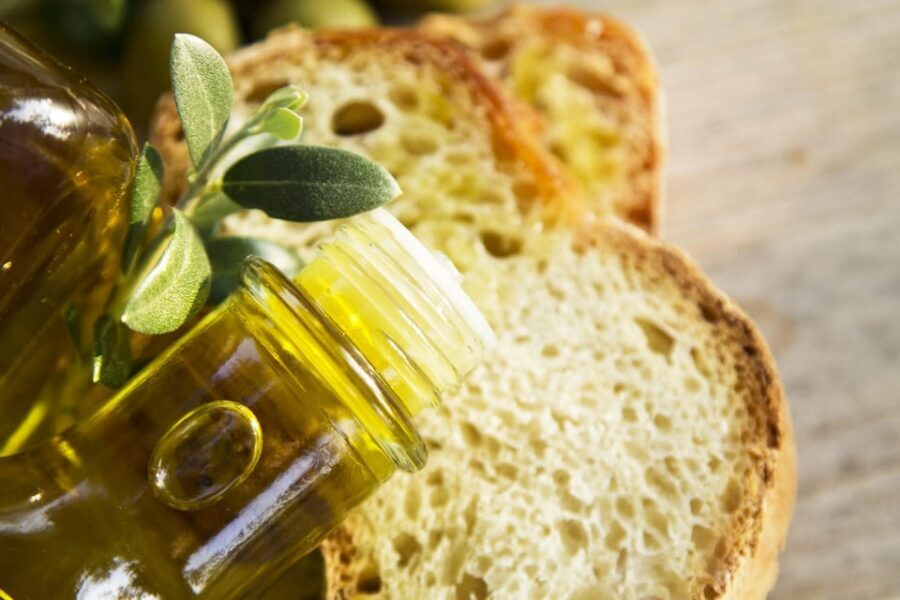
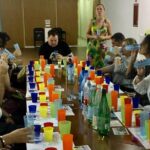
Most tastings like this can feel rushed, but this one is built around a steady pace. You’ll taste oils one at a time and use bread to sample. Then you’ll move to the next oil with small palate resets (water and coffee/tea show up as part of the experience).
That pace is what lets the differences land. Olive oil isn’t like wine where you can power through; it’s more about small shifts—what hits first, what lingers, and how it finishes.
From the way guides talk, you’ll also get brief history and context tied to each variety and where it’s grown, plus information about harvesting and processing. The best part is that the explanation connects directly to what you just tasted. You’re not left wondering what you were supposed to learn.
Other food & drink experiences in Cordoba

Córdoba olive culture: ancient habits and why this matters
Córdoba is one of the most important olive oil producing areas, and the experience leans hard into that. You’ll hear how olive oil is part of local life—not just something you buy in a store.
The “ancient habits” angle isn’t presented as dusty tradition. It’s a reminder that this food has been consumed for centuries, and people developed methods to enjoy and evaluate it long before there were lab tests and glossy bottles.
If you like travel experiences that give you something you can use back home, this fits. Even a week after you taste, you’ll remember the way different varieties can feel in your mouth—and you’ll be able to judge labels with a clearer sense of purpose.
Picking a bottle after the tasting: buying without stress
If you find an oil you love, the experience includes a way to take it home. There’s an in situ store where you can buy the extra virgin olive oil you liked, and the experience notes that the pricing is good.
This is where I think the experience offers real value. A lot of tastings teach you what to look for, but you still have to figure out where to buy. Here, the tasting and purchase are connected—so you can compare options while the flavors are still fresh in your head.
My practical advice: buy one bottle you loved most, then consider a second bottle from a different variety. That gives you variety in your kitchen and helps you learn how each oil behaves in real meals—drizzling on bread, finishing salads, or simple cooking.
Who this is best for (and who should skip it)
This works especially well if you:
- love food experiences with a hands-on side
- want a fun, short activity in Córdoba with a clear learning payoff
- care about buying higher-quality products without getting lost in marketing
It’s also great for people who like small, personalized vibes. Many guide accounts describe engaging personalities and a relaxed atmosphere where questions feel welcome.
You might skip it if you:
- want a full day of sightseeing and museums
- need full wheelchair access, since the experience is not suitable for wheelchair users
- expect a long lecture format instead of a tasting-led experience
Price value: is $15 per person worth it?
At $15 per person for a 75-minute experience, this is priced like a practical food activity rather than a high-end luxury class. You’re getting a structured tasting of 6 oils, plus coffee & tea and bread for the desayuno molinero.
What makes the value believable is the mix of outcomes:
- You taste real products, not just samples of oil with no context.
- You learn the varieties and production story tied to what you taste.
- You leave with the option to buy the bottle you actually liked.
If you’re the kind of traveler who ends up buying a souvenir anyway, this turns that instinct into something smarter. You’ll buy with your palate as the guide.
The guide factor: why Adrian, Gloria, and Barbara keep winning
The experience clearly depends on the guide, and the strongest notes from guide accounts are consistent: passion, clarity, and a friendly tone.
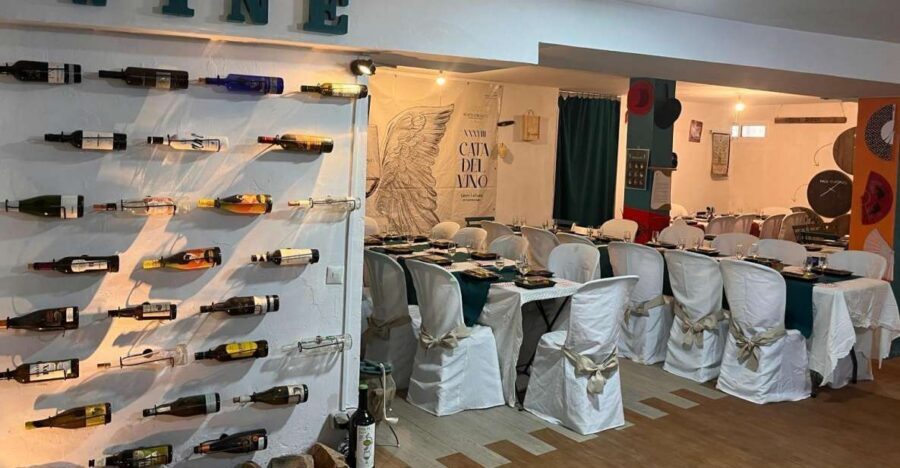
You’ll see names like Adrian, Gloria, Barbara, and Mara connected with the experience in different reviews. The common thread is that guides explain olive oil production and local Córdoba connections with real energy. They also keep the room comfortable—one account describes a cool, comfortable basement studio—so the tasting feels pleasant, not like a rushed stop.
The humor shows up too. The experience promises a fun vibe, and the feedback you’re likely to feel in the room matches that: you’ll finish with a smile because you’re not being lectured—you’re being guided.
Should you book the olive oil tasting in Córdoba?
I’d book it if you want a short, meaningful food experience that’s easy to fit into a day in Córdoba and rewards your senses immediately. The combination of 6 olive oils, breakfast-style tasting with pan del vacar, and real explanations of varieties and production makes it worth it for beginners and fans alike.
Book it especially if you plan to eat breakfast or want a break from walking tours. If you’re in the city and you care about quality, this helps you buy olive oil like a local—starting from taste, not slogans.
FAQ
What is the duration of the extra virgin olive oil tasting?
The experience lasts 75 minutes.
How much does it cost, and what’s included in the price?
The price is $15 per person, and it includes 6 olive oils from Cordoba, coffee & tea, and bread for the desayuno molinero.
Which olive oil varieties will I learn about?
You’ll learn about organoleptic characteristics of picual, arbequino, picudo, and hojiblanca varieties.
Where do I meet for the tour in Córdoba?
Meet at the big clock under the main entry to the Corredera’s square market.
What languages are available?
The instructor speaks Spanish and English.
Is this experience suitable for wheelchair users?
No, it is not suitable for wheelchair users.
Can I cancel, and is pay later available?
You can cancel for a full refund up to 24 hours in advance, and you can reserve now and pay later.