REVIEW · CORDOBA
Jewish quarter and Alcazar of the Christian Monarchs
Book on Viator →Operated by Eventour · Bookable on Viator
Córdoba changes mood fast, and this route catches that shift in two hours. You get La Judería’s artisan streets and the synagogue stop, then you move into the Alcázar de los Reyes Cristianos gardens for courtly spaces, mosaics, and more. I particularly like how practical the pacing feels, and I also like that admission to the key sights is handled for you.
One thing to keep in mind: the Alcázar experience can change during restoration season. From July 2 to September 12, you’ll visit the gardens and the Caliphical Baths instead of relying on the usual Alcázar setup, so set your expectations accordingly.
In This Review
- Key highlights you’ll care about
- La Judería: the Jewish Quarter walk that starts with atmosphere
- The synagogue stop: why this one gets singled out
- Souvenirs and crafts, without losing the plot
- Alcázar de los Reyes Cristianos: gardens, mosaics, and layers of power
- When restoration changes the Alcázar plan (July 2–September 12)
- Gardens and baths: what you’ll feel more than what you’ll count
- Price and value: paying $27.03 for admissions that do real work
- Guide and audio: why it can make or break your experience
- Who this tour suits best
- Practical things to know before you go
- Should you book this Jewish Quarter and Alcázar tour?
- FAQ
- FAQ
- How long is the Jewish Quarter and Alcázar tour?
- Is the tour offered in English?
- What’s included in the ticket price?
- What happens at the Alcázar during restoration works?
- Where does the tour start and end?
- Can I cancel for free?
Key highlights you’ll care about
- A two-stop, same-day story of Córdoba: Jewish Quarter + Christian royal spaces, connected in one smooth walk.
- Synagogue entry included: you’ll see what’s described as the best preserved synagogue in all of Andalusia.
- Alcázar de los Reyes Cristianos ticket included: plus time in the gardens.
- Roman mosaics at the Alcázar: a visual payoff that’s easy to spot and remember.
- Restoration dates matter (July 2–Sept 12): gardens + Caliphical Baths are part of the plan.
- Guides with strong English and history skills: names you may hear in this experience include Isabel and ANA.
La Judería: the Jewish Quarter walk that starts with atmosphere
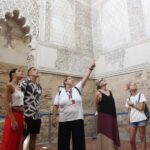
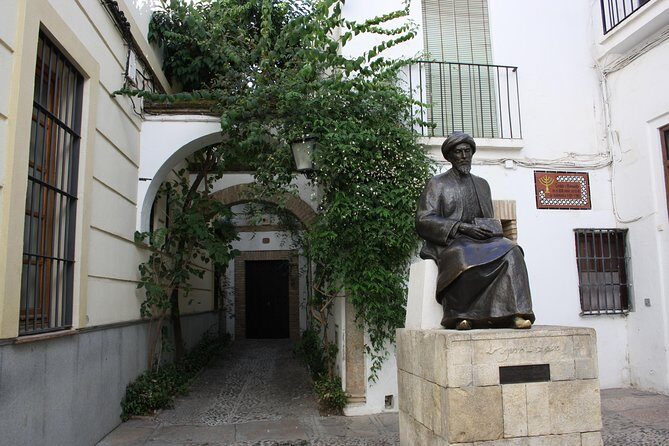
La Judería is one of those places in Córdoba where the streets do half the storytelling. This part of the walk takes you through the Jewish Quarter with time to notice how the area feels like a living neighborhood, not just a museum corridor.
You’ll also pass through the souks of the artisans, which helps you understand something important: Cordoba’s heritage isn’t only about surviving buildings. It’s also about everyday crafts, trade, and street life that continue even after empires change their labels for the city.
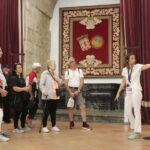
The main win here is the pace. You’re given about an hour for this section, which is enough time to get oriented, hear the big ideas from your guide, and still have a moment to look up and around when something catches your eye. Narrow streets can make sound carry oddly, so if you’re hard of hearing, it’s worth positioning yourself where you can hear your guide clearly.
Other Jewish Quarter tours we've reviewed in Cordoba
The synagogue stop: why this one gets singled out
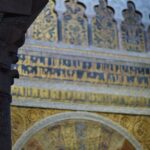
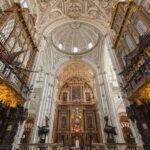
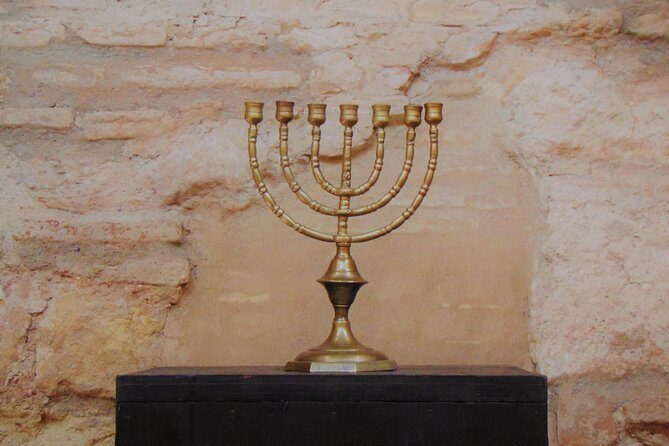
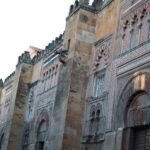
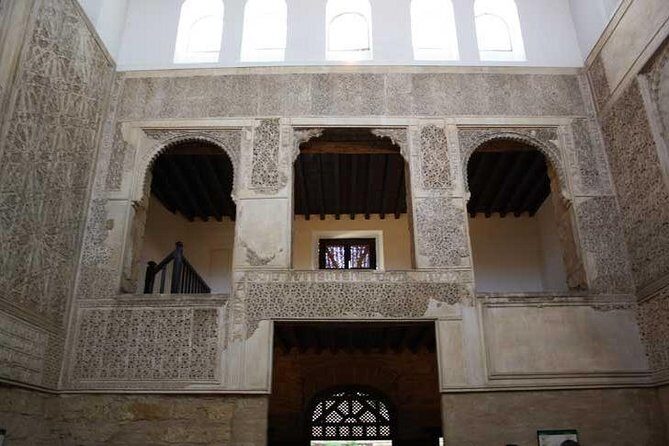
The synagogue visit is the centerpiece of the La Judería section. The experience description points out that you’re seeing the best preserved synagogue in all of Andalusia, and that matters because it shapes how the visit feels: you’re not just hearing about the past, you’re standing inside a space that survived.
Your guide’s role is key. A strong commentary turns architectural details into meaning: you start noticing elements rather than just walking through rooms. This is also where people often feel the payoff of having an English-speaking guide, since you can actually follow the explanations instead of guessing.
Practical tip: go with a slower mindset for this stop. Synagogues are meant for contemplation and respect, not speed-walking for photos. If you treat it like a quick checkpoint, you’ll miss the quieter clues your guide points out.
Souvenirs and crafts, without losing the plot
The artisan-souk portion can be either a distraction or a useful context, depending on how you approach it. I like it when the guide connects the crafts and street life to what the Jewish Quarter represented historically: a place where community, work, and culture were braided together.
Don’t feel pressured to shop. If you spot something you love, great. If not, use the time to watch how the shops line up, how the street bends, and how people move through the space. Those small observations help you remember the area as a real neighborhood rather than just a “highlight.”
If you’re taking this on a busy day in Córdoba, this stop can also help you reset. The streets are visually rich, but the synagogue stop gives your mind something structured to hold onto.
Alcázar de los Reyes Cristianos: gardens, mosaics, and layers of power
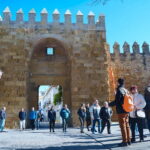
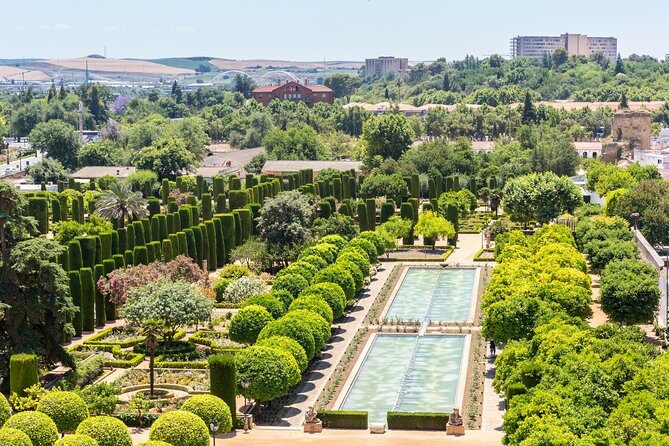
After the Jewish Quarter, you shift into the Alcázar de los Reyes Cristianos, built in the 14th century. That date alone tells you this wasn’t a static monument. It’s a royal site that reflects changing rulers, changing aesthetics, and changing ideas about what a palace should communicate.
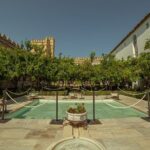
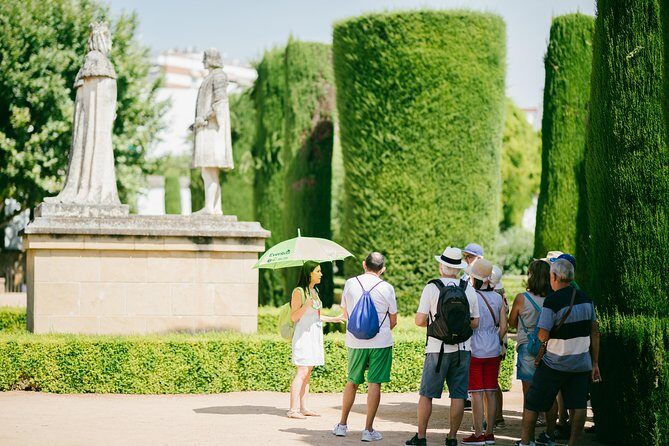
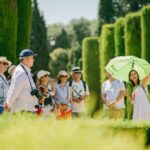
The visit focuses on walking through the gardens, and that’s a smart choice for a guided experience. Gardens give you space to breathe, keep moving, and still absorb details without feeling trapped in rooms. They also help you read the Alcázar as a designed landscape: paths, viewpoints, and the rhythm of open-and-closed spaces.
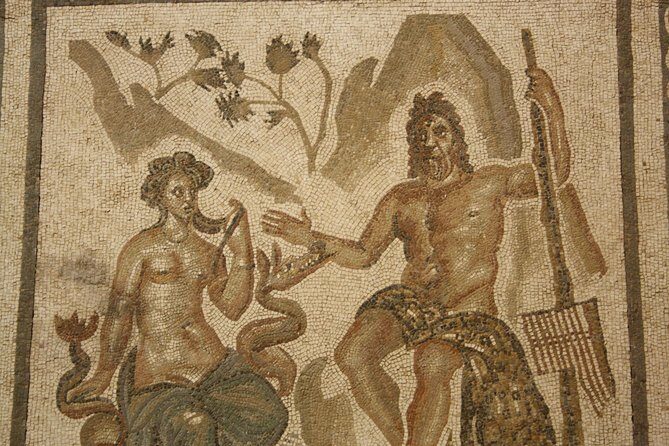
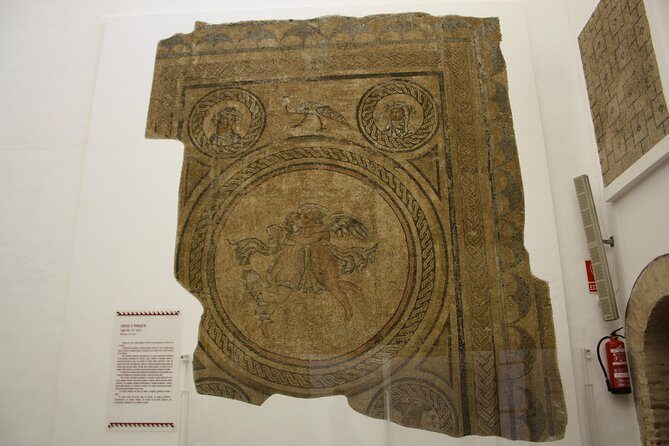
Then comes the part that many people remember: authentic Roman mosaics. Mosaics are one of those “look longer than you think you need to” sights. At a quick glance, they look like decoration. With your guide’s explanations, they start to look like messages—about taste, status, and the long life of materials reused across eras.
When restoration changes the Alcázar plan (July 2–September 12)
Here’s the big planning note. During restoration works from July 2 to September 12, you will visit the gardens and the Caliphical Baths. The Caliphical Baths are described as an archaeological jewel of the city of Córdoba, and that’s exactly the kind of swap you’d prefer if you have to lose part of a royal complex.
One reason this matters: some people expect to enter the Alcázar in the usual way and are disappointed if access is limited. The restoration note is meant to prevent surprises, but it’s still worth reading your date carefully before you go. If your travel dates fall outside that restoration window, you may experience the standard Alcázar layout more fully.
My advice: don’t treat this as a downgrade. The baths can be just as memorable because they shift the focus from power-and-palace to atmosphere-and-ritual. Even if you came mainly for the Alcázar name, the Caliphal Baths can add a different flavor that rounds out the story of Córdoba’s layered past.
Other Alcazar tours we've reviewed in Cordoba

Gardens and baths: what you’ll feel more than what you’ll count
The gardens are where this tour earns its “easy to enjoy” reputation. You’re not expected to read a wall of history by yourself. Instead, you walk, pause when something matters, and get your bearings with a guide’s storytelling.
If your date falls in the restoration window, the Caliphical Baths become the extra anchor stop. Baths sites tend to land differently than palaces: they encourage a sense of scale, craftsmanship, and daily life. Even if you only get a portion of the complex, you’ll likely come away with a stronger sense of how people moved through the building and what mattered in that design.
Roman mosaics plus baths plus gardens is a strong combination for one 2-hour block. It also means the tour has a built-in variety of sights: you get surface beauty (gardens), crafted detail (mosaics), and evocative space (baths).
Price and value: paying $27.03 for admissions that do real work
At $27.03 per person for about 2 hours, the value comes from what’s included, not just the length of time. The experience includes entry to the Synagogue of Córdoba and entry connected to the Alcázar de los Reyes Cristianos area.
That’s important because admission costs in Spain add up fast, especially in Córdoba where you’ll likely want more than one major stop. When admissions are included, your money goes straight into the sights you actually want to see, and you avoid the “ticket math” stress on the day.
The other value element is group size. The cap is 30, and in practice that can mean a more manageable experience than the huge, bus-like tours you see in big cities. A smaller group also helps with movement through tight areas like La Judería’s streets.
If you care about efficiency but don’t want to feel rushed, this is a good fit. The route is designed as a compact highlight loop, and that helps first-timers make sense of Córdoba without turning the day into a sprint.
Guide and audio: why it can make or break your experience
This kind of tour lives and dies by communication. Several guide comments from past participants highlight strong English and solid history teaching, including mentions of Isabel and ANA. When that clicks, you get a smooth flow of facts that connects buildings to the bigger story of Córdoba.
There is one potential drawback you should consider: audio can be a weak link. One account mentioned difficulty hearing and problems with microphone/headset use. That doesn’t mean it’s constant, but it does mean you should be proactive: stand where you can hear, and if the guide’s voice is hard to catch, tell the staff right away so adjustments can be made.
Also, because you’ll be walking through different spaces, acoustics change. A street corner in La Judería won’t sound the same as a courtyard in the Alcázar grounds.
Who this tour suits best
This is a strong match if you want:
- A focused intro to Córdoba’s story in a compact format
- A synagogue visit with guided context
- Gardens and mosaics without spending half a day planning routes
It can also work well for people who don’t want to juggle tickets and multiple locations alone. With admissions handled, you can spend your energy on the visit itself.
The main “not ideal” case is expectation mismatch. If you’re traveling during the July 2–September 12 restoration period, your Alcázar experience will emphasize the gardens and Caliphical Baths. That’s still interesting, but it’s not the exact same experience as a full, standard entry route.
Practical things to know before you go
Meeting point is Torre de la Paloma, Av. del Alcázar, Centro, 14004 Córdoba, and the tour ends at Palacio de Congresos y Exposiciones de Córdoba, C. Torrijos, 10, Centro, 14003 Córdoba.
You’ll have a mobile ticket, and the tour is offered in English. The group size is capped at 30, and service animals are allowed. The experience is near public transportation, which matters in Córdoba because walking times can stretch if you’re crossing hilly streets or sitting in midday traffic.
One more small timing note: this tour tends to be booked ahead (on average about 14 days), so if you’re traveling in a peak period, planning early gives you better chances.
Should you book this Jewish Quarter and Alcázar tour?
I’d book it if you want a guided, admission-included loop that covers two of Córdoba’s most meaningful areas without turning your day into a logistics project. The synagogue stop and the Alcázar gardens (plus mosaics, and sometimes the Caliphical Baths) create a good mix of atmosphere and tangible art.
I would think twice only if you strongly need a very specific Alcázar interior access on your exact dates. If your trip falls between July 2 and September 12, go in expecting the gardens and Caliphical Baths emphasis, not a standard Alcázar flow.
FAQ
FAQ
How long is the Jewish Quarter and Alcázar tour?
It’s about 2 hours.
Is the tour offered in English?
Yes, this experience is offered in English.
What’s included in the ticket price?
The Alcázar de los Reyes Cristianos entrance is included, and the Synagogue entrance is included.
What happens at the Alcázar during restoration works?
From July 2 to September 12, you will visit the gardens and the Caliphical Baths.
Where does the tour start and end?
It starts at Torre de la Paloma, Av. del Alcázar, Centro, 14004 Córdoba and ends at Palacio de Congresos y Exposiciones de Córdoba, C. Torrijos, 10, Centro, 14003 Córdoba.
Can I cancel for free?
Yes. You can cancel for a full refund if you cancel at least 24 hours in advance of the experience’s start time.