REVIEW · CORDOBA
Local cooking class in Cordoba. Hands on: Salmorejo
Book on GetYourGuide →Operated by Things to do Cordoba · Bookable on GetYourGuide
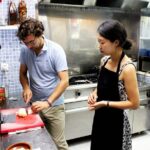
Salmorejo gets interesting fast—right at the bowl. This Córdoba class is hands-on and focused on the real work: blending ripe tomatoes, garlic, and artisanal olive oil into the creamy texture salmorejo is known for. I also like the relaxed vibe where you can chat with the instructor and learn why this dish matters in Andalusian food culture. One thing to watch: it’s only 1 hour, so you’ll leave with a solid method, but not a long, deep, multi-dish cooking mastery.
You’ll cook and eat together, with a glass of local wine, and you’ll get practical know-how you can use at home. If you have allergies or need gluten-free, you should flag it ahead of time—so the class can adapt for you. The meeting spot is easy to miss only if you aren’t looking: a black door with a yellow background.
In This Review
- Key things to know before you go
- Why Córdoba’s salmorejo is worth learning (not just tasting)
- Your 1-hour class flow: tomatoes, garlic, olive oil, then the bowl
- The texture lesson: how you learn to get creamy, not watery
- Wine, bread, and the food notes that make it feel local
- Meet the chef style: history talk with hands-on cooking
- Price and value: $11 for a real meal you can repeat
- Finding the meeting point: the black door with a yellow background
- Who this salmorejo class suits best (and who might want more time)
- Should you book this salmorejo cooking class in Córdoba?
- FAQ
- How long is the salmorejo cooking class?
- What dish will I learn to make?
- How much does the class cost?
- What’s included in the price?
- Is wine included?
- Can the class accommodate food intolerances or gluten-free needs?
- What languages does the instructor speak?
- Where do I meet the group?
- Can I request an upgrade to cook paella too?
- What’s the cancellation and payment flexibility?
Key things to know before you go
- Learn salmorejo, Córdoba’s signature dish in a focused 1-hour format.
- Hands-on blending with fresh tomatoes, garlic, and artisanal olive oil.
- One glass of local wine included, plus a communal sit-down to eat.
- Chef-led context: origins and how family/regional variations change the recipe.
- English or Spanish instruction, so you won’t feel lost in the process.
Why Córdoba’s salmorejo is worth learning (not just tasting)
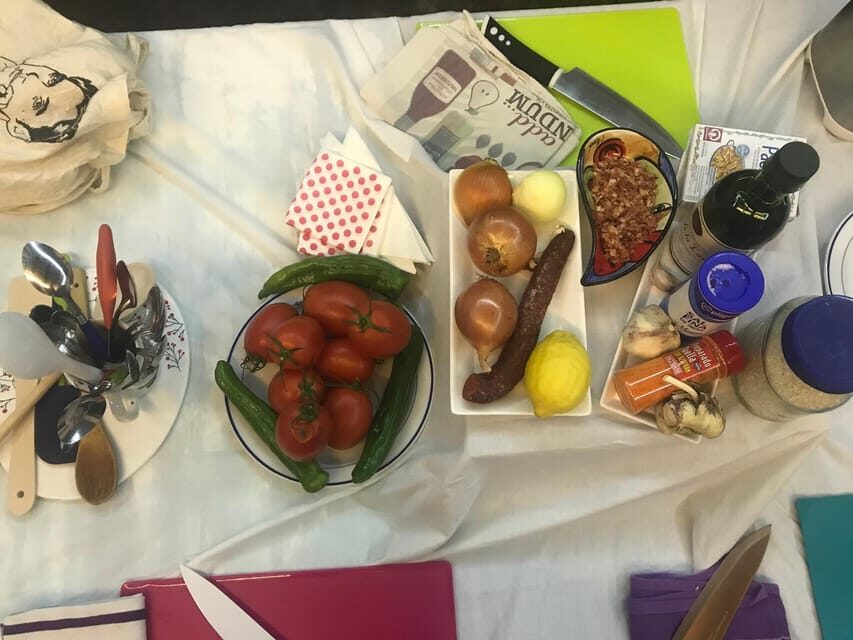
Salmorejo isn’t some abstract idea of Andalusian food. It’s a real, everyday staple with a clear identity—Córdoba’s symbol of local gastronomy. What I like about learning it in class is that you get past the idea of it being just a “tomato soup.” You’re taught to make something creamy and thick by building the right combination and texture.
This matters because salmorejo is one of those dishes that can turn out great or just… okay—based on technique and proportions. In a good class, you don’t just hear the ingredients list; you learn how the mix should feel as you blend it, and why the dish gets its bold, tomato-forward character.
You also get the cultural side, but in a practical way. The instructor shares stories about where salmorejo came from and how it evolved, plus why different regions and families can put their own touches on the recipe. That context helps you taste more carefully when you travel—and it helps you adjust at home if your tomatoes or olive oil are a bit different.
At $11 per person for a 1-hour class that includes what you cook and a drink, this is a strong deal compared with many food experiences that only give you a bite or two.
Other tapas and food tours we've reviewed in Cordoba

Your 1-hour class flow: tomatoes, garlic, olive oil, then the bowl
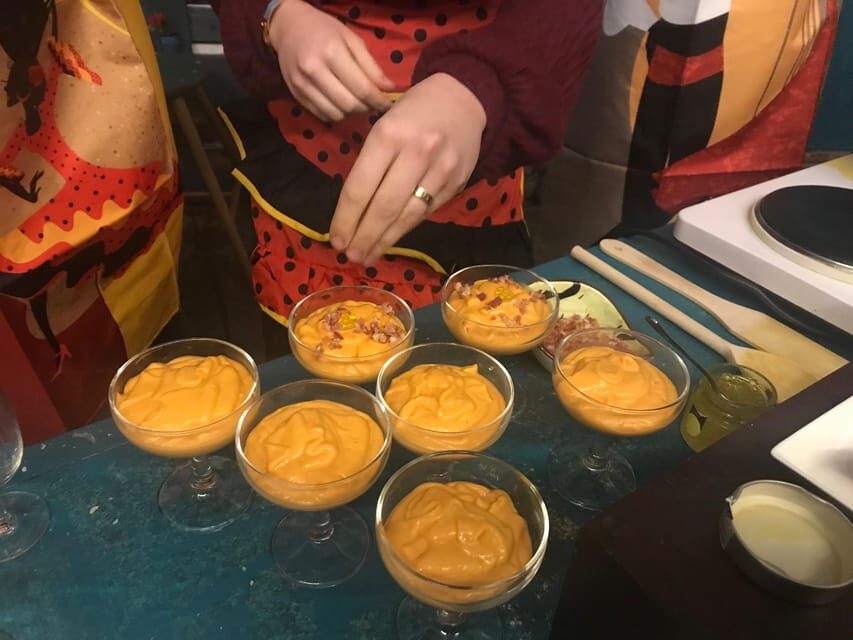
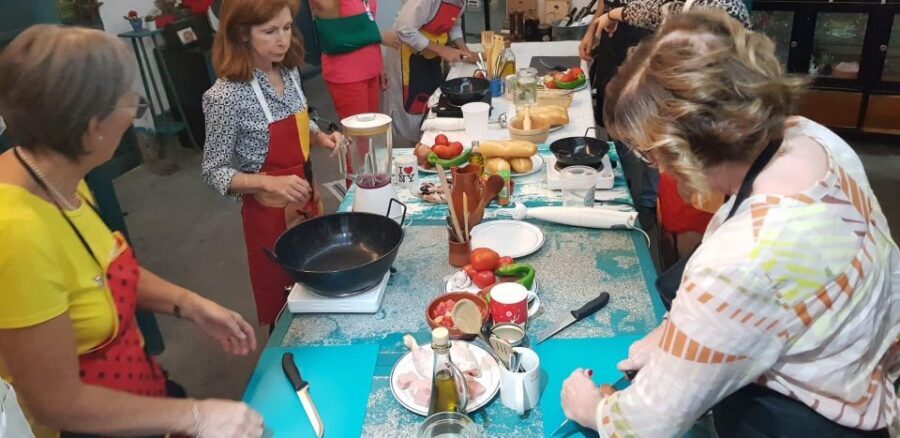
The class is built around one clear mission: make salmorejo with step-by-step guidance. You start with an introduction to the core ingredients—ripe tomatoes, garlic, and artisanal olive oil—so you understand what’s driving the flavor. Then you move into the hands-on part where the instructor guides you through combining and blending until you reach that creamy result.
What makes this timing work is that it’s concentrated. In an hour you can actually do the meaningful part: preparing the dish and eating it while it’s fresh. You’re not waiting around for long lectures, and you’re not juggling multiple recipes at once.
Along the way, there’s time for conversation. The class is described as relaxed, with an emphasis on chatting and learning together. That’s not just “nice ambiance.” It’s how you pick up those small details that usually don’t show up in recipes—like what the chef considers the important texture cues, or which ingredient qualities matter most.
By the end, you sit down for a shared meal: the salmorejo you made, paired with crusty bread and local wine. This matters because salmorejo is meant to be eaten, not just made. You taste your work immediately, and that instant feedback is what turns a cooking lesson into something you remember.
The texture lesson: how you learn to get creamy, not watery
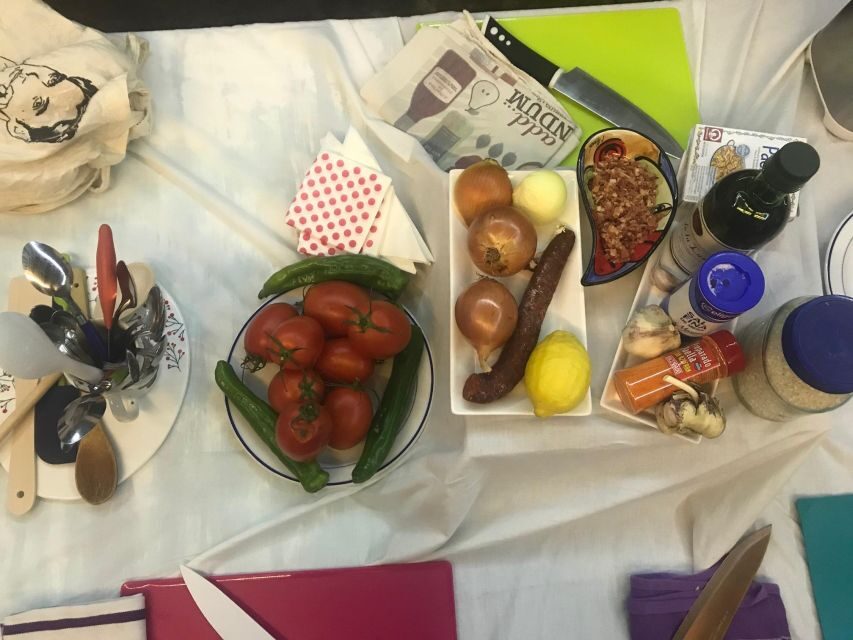
Salmorejo’s “magic” is mostly texture. The class is clear about aiming for a creamy consistency and bold taste, and that’s the skill you’re actually training.
Here’s what you can expect from the instruction focus:
- You’ll work with fresh tomatoes rather than relying on a shortcut ingredient.
- Garlic isn’t treated as a flavor afterthought. It’s part of the main blend.
- The olive oil is highlighted as artisanal, meaning the quality of what you use is part of the final result.
In a hands-on session, technique is hard to fake. If the mix is right, it blends into that thick, smooth body salmorejo is known for. If it’s off, you’ll notice quickly when you taste it—either too thin, not as cohesive, or missing that punchy tomato character.
Also, the chef talks about why salmorejo varies. Some families adjust details, and regions can have their own personal touches. That’s a helpful mindset because it teaches you to think like a cook: ingredient quality and texture are your guiding tools, not a rigid formula.
One more practical point: the class is in English and Spanish. That’s useful because texture terms can get lost in translation. Having instruction in your language helps you understand what to aim for as you blend.
Wine, bread, and the food notes that make it feel local
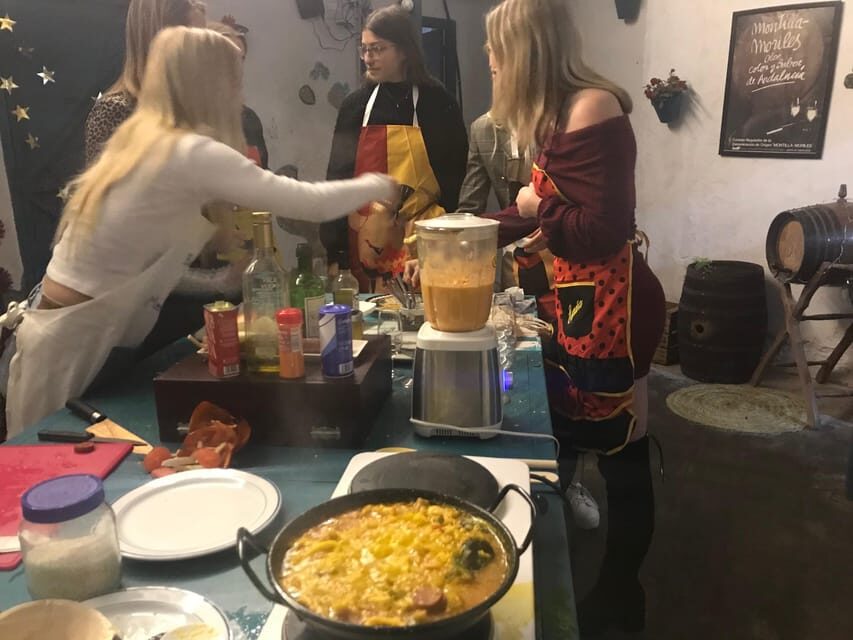
You get to cook and eat together, and the class includes crusty bread and a glass of local wine with the meal. That pairing is more than tradition. Bread helps you scoop and taste every spoonful, and wine sets the rhythm for a relaxed meal rather than a rushed snack.
One review specifically mentioned that before eating there were two different olive varieties and regional cheese, plus a little wine to sample. That’s the kind of detail that makes the experience feel like Córdoba food culture, not just a cooking demo. Still, since this isn’t listed as a guaranteed included item in the core description, I’d treat it as a nice possible extra rather than something you should plan your evening around.
There was also one lower rating where an expected component was unavailable and an alternative cheese and wine tasting was offered instead. The takeaway for you: if you care a lot about any additional tastings, ask the provider what’s included in your exact session. Keep expectations flexible and focus on the salmorejo lesson itself.
Even without any extras, you’re still getting the centerpiece: the salmorejo you make, eaten right away. That’s the part that matters most for value and for learning.
Meet the chef style: history talk with hands-on cooking
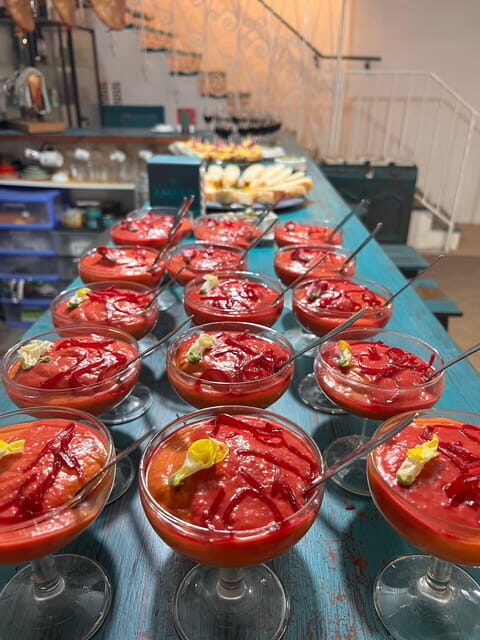
Part of why people rate this class so highly is the tone—friendly, educational, and clearly guided by a chef who enjoys the subject. One reviewer named Juan as the chef, and praised the passion for explaining the history of Andalusian cuisine. That blend of food technique plus story is exactly what makes a cooking class feel real.
Here’s what you should look for in the instructor’s approach:
- Clear guidance while you’re blending, so you don’t feel stuck.
- Context about origins and evolution—so your food knowledge grows beyond one recipe.
- Time to chat, so you can ask questions and learn from the group’s conversations.
That last piece is underrated. When you sit with other people, you hear different reasons they’re traveling and different food interests. You can pick up extra tips fast—like what ingredient quality they’re used to back home, or what to watch for when recreating the texture.
And if you’re thinking about cooking at home, the class aims to help you replicate the method. The best “learn to cook” experiences don’t just leave you with a recipe card; they leave you with an understanding of the steps and what to look for while doing them.




Price and value: $11 for a real meal you can repeat
At $11 per person for a 1-hour class, the value is mostly in two places: you get to make the dish and you get to eat it with drink and bread. Many low-cost food experiences only give you a small tasting. Here, you’re producing the food centerpiece and then enjoying it as a meal.
What’s included:
- 1 homemade salmorejo for you
- 1 glass of local wine
- Water
That’s a practical mix. Wine and water handle the comfort side, and the salmorejo itself makes the money feel tangible because you leave full and you leave with something you can cook again.
There’s also a possible upgrade: the provider asks if you want to cook also paella and says you can request it. If you’re doing just one food-focused activity in Córdoba, this could be a good way to stretch your time. If you’re short on time, though, you might stick with the salmorejo to keep it simple and focused.
Before you book, I’d ask yourself one question: do you want a hands-on skill, or do you want a broad tasting tour? If you want the skill—salmorejo is a smart starting point.
Finding the meeting point: the black door with a yellow background
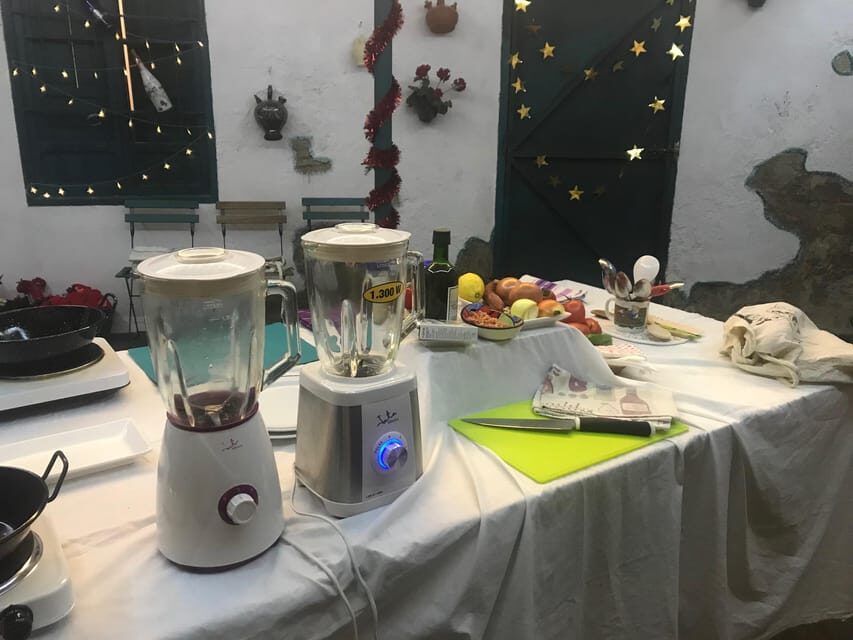
Logistics in small food classes can make or break your experience. This one gives you a simple landmark: Black door. Yellow background.
That’s helpful because you’re not hunting for an office address or a vague street corner. I recommend arriving a few minutes early so you can confirm you’ve got the right spot. When you’re ten minutes late in a tiny class, you risk slowing the group down before you even start cooking.
Who this salmorejo class suits best (and who might want more time)
This class fits you if:
- You want a hands-on Córdoba food experience, not just a taste.
- You like learning why a dish works—ingredients and technique, plus local context.
- You’re traveling with at least a bit of curiosity about Andalusian cooking culture.
- You want something doable in a short window (it’s only 1 hour).
It might not be ideal if:
- You want a long multi-course cooking workshop. This is focused and brief.
- You’re hoping to learn multiple Spanish dishes in one go. The base class is salmorejo, with paella only if you request an upgrade.
If you’re traveling solo, it can also be a nice social setting because you work together and eat together, and the conversation is part of the experience.
Should you book this salmorejo cooking class in Córdoba?
Yes—if your goal is to leave Córdoba with a skill you can actually use. The value is solid: you cook, you eat, and you get local wine included, all in a tight 1-hour lesson centered on the dish Córdoba is proud of. The chef-led instruction and the emphasis on ingredient and texture make this more than a casual food stop.
If you’re the kind of traveler who loves thorough multi-dish cooking marathons, you might feel the time limit. But if you want one memorable, practical class that turns into something you can repeat at home, this is an easy choice.
FAQ
How long is the salmorejo cooking class?
The class lasts 1 hour.
What dish will I learn to make?
You’ll learn how to cook salmorejo.
How much does the class cost?
It costs $11 per person.
What’s included in the price?
You get 1 homemade salmorejo for you, 1 glass of local wine, and water.
Is wine included?
Yes, you’ll receive 1 glass of local wine with the class meal.
Can the class accommodate food intolerances or gluten-free needs?
Yes. You should let the provider know about any intolerance, and request a gluten-free option if needed.
What languages does the instructor speak?
The instructor speaks English and Spanish.
Where do I meet the group?
The meeting point is a black door with a yellow background.
Can I request an upgrade to cook paella too?
Yes. You can request to upgrade and cook also paella.
What’s the cancellation and payment flexibility?
You can cancel up to 24 hours in advance for a full refund, and you can reserve now and pay later.