REVIEW · CORDOBA
Cordoba: Tapas Bars Tour With Local Guide
Book on GetYourGuide →Operated by Things to do Cordoba · Bookable on GetYourGuide
Three stops can tell you Cordoba fast. This Cordoba tapas tour pairs local wines with classic bites, guided by locals like sommelier Mara or chef Adrian, and it’s designed to steer you away from the usual tourist traps near Corredera Market. I especially like the wine-and-food pairing part, and I like that you get real context for what you’re eating, from Iberian ham to salmorejo.
One possible drawback: at $112, it may feel a bit steep if you’re expecting a lot more food volume for the price. Some people also found the flow a touch uneven on the night, depending on what happened with open/closed bars.
The big upside is the structure: at least three tasting stops, and the third is described as secret and private—so the night ends feeling more like a special appointment than a checklist.
In This Review
- Key highlights worth your attention
- Starting in the right spot: Corredera Market, then walking-smart tapas
- How the tapas stops work (and what you actually get)
- Stop 1: Iberian ham first, so you understand the baseline
- Stop 2: Salmorejo and the why-behind-the-bowl lesson
- Stop 3: the secret, private tasting that changes the ending
- When plans change: backup bars around closures
- The guides matter: Mara the sommelier, Adrian the chef energy
- Price and value: is $112 fair for 2.5 hours?
- Practical tips so you enjoy every stop
- Who should book this Cordoba tapas bars tour
- Should you book it: my quick decision guide
- FAQ
- How long is the Cordoba tapas bars tour?
- Where do I meet the guide?
- What’s included in the price?
- Which languages are offered for the live guide?
- Is hotel pickup and drop-off included?
- Is the tour wheelchair accessible?
- Are there restrictions on food, pets, or smoking?
Key highlights worth your attention
- Local pairing focus: every stop includes a wine tasting tied to traditional food
- Three-stop structure: 3 stops minimum, not just one bar with extra chatting
- Secret third stop: a private place you alone are meant to access
- Local-name guides: you may be hosted by sommelier Mara or chef Adrian
- Classic Cordoba foods: expect staples like Iberian ham and salmorejo, plus surprise favorites
Starting in the right spot: Corredera Market, then walking-smart tapas
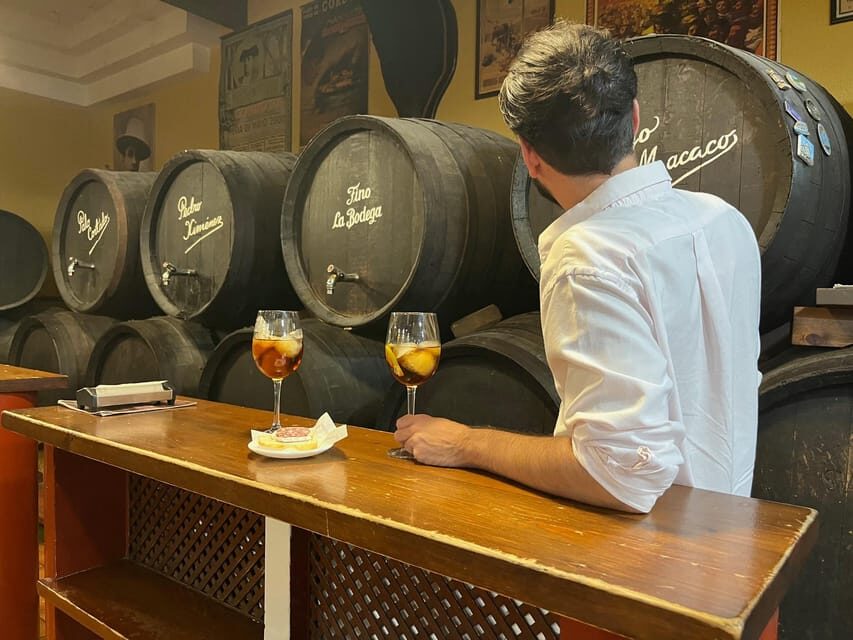
This tour starts where you’ll want to be anyway: Corredera Market, under the big clock. It’s easy to find, and the location helps you get into Cordoba’s eating rhythm without wasting time on guesswork.
You’re looking at a 2.5-hour evening with walking involved, so wear comfortable shoes and don’t treat this like a quick sit-down dinner. I like that the pacing is built around tastings, not plates meant to overwhelm you. You can still think, talk, and enjoy the wine without feeling like you got dragged through a marathon.
One thing to know before you go: the activity says wheelchair accessible, but it also lists wheelchair users as not suitable. That conflict matters. If mobility is a factor, I’d contact the operator first and ask how they handle the walking route and entry points.
Also, this isn’t set up as a kid-friendly night. It’s not suitable for children under 10, and it isn’t suitable if you have food allergies. If you’re in either group, you’ll likely be happier with a different kind of meal plan in Cordoba that can handle dietary needs more directly.
Other tapas and food tours we've reviewed in Cordoba
How the tapas stops work (and what you actually get)
The tour is simple on paper: meet your guide, visit 3 stops minimum, and at each stop you get:
- a tasting of traditional food
- a tasting of local wine
Then there’s the twist. The third stop is described as a secret, private place where only you can access. That’s the piece that changes the vibe. Even if you’ve done a tapas tour before, that last stop can feel less like a standard bar-hopping circuit and more like a personal introduction to Cordoba’s dining culture.
In practical terms, the format is good for two kinds of travelers:
- You want to taste several things without committing to a full menu in each place.
- You want a guide to translate what you’re eating into something you can remember later.
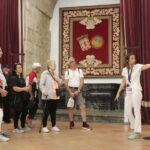
In the reviews that helped shape my expectations, guides named Mara and Adrian show up as a common pairing—Mara as the wine person and Adrian as the food/chef voice. That matters because the pairing isn’t random. The point is to connect what’s on your plate with what’s in your glass, and explain why that combination makes sense in Cordoba.
Stop 1: Iberian ham first, so you understand the baseline
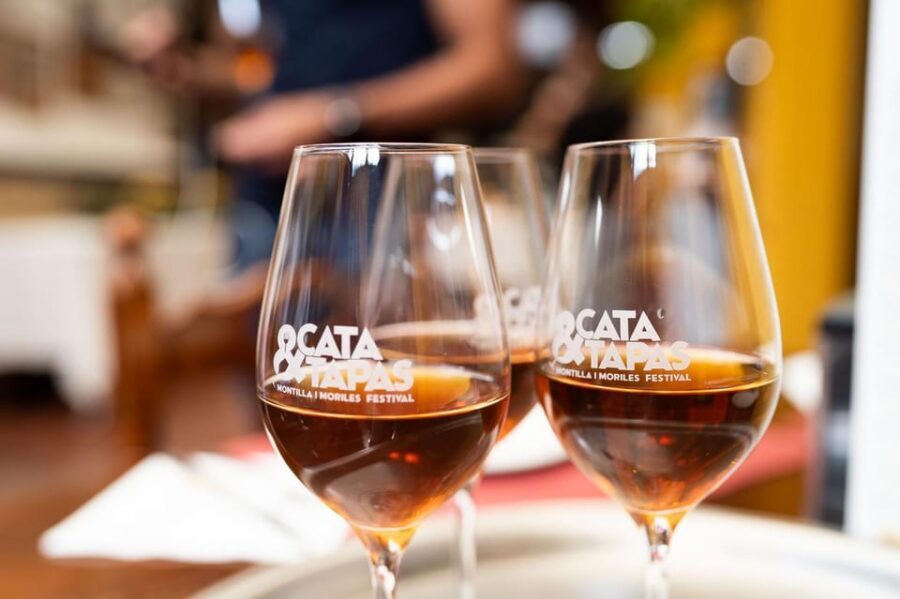
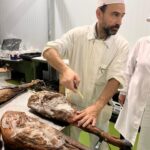
A smart tapas night often starts with something you can use as a baseline. Here, Iberian ham comes up as a classic starter you’ll likely meet early. Ham in Andalusia isn’t just meat on bread—it’s part of the regional food identity, and your guide should help you notice the differences in texture and flavor instead of treating it like a generic snack.
At stop 1, you’re also getting the first local wine tasting of the night. The value of this isn’t just the sip. It’s learning what the wine is meant to do—cut through fat, match saltiness, and keep your palate from getting dulled before the richer flavors show up later.
What to do during this stop: slow down. Take a breath, taste the ham, then try the wine after you’ve formed your first impression. If you rush, the pairing lesson turns into background noise. If you pause, you’ll actually walk away with a clearer sense of Cordoba’s flavor logic.
Stop 2: Salmorejo and the why-behind-the-bowl lesson
If stop 1 sets your palate, stop 2 is where Cordoba feels most like itself. Salmorejo is a key dish that comes up again and again—thick, creamy, and built for savoring. And it’s the kind of food where explanations help. Once you know what’s typical and why it’s served the way it is, the tasting stops becoming just filling and starts becoming information you can use when you order on your own later.
This stop includes another traditional food tasting plus another wine pairing. You may also run into vermouth as part of the evening, based on how some guides run the night. That’s a plus if you like drinks that sit between an aperitif and a social ritual. Even if you don’t drink much, the tasting is often about sampling the style, not getting wasted.
Practical expectation: you’ll be walking between places and then settling in for your tasting. So don’t wear shoes that hurt and don’t plan to take off immediately after the tour ends. If you stay for a final drink on your own, you’ll enjoy the connection you just learned between flavors and where they’re served.
Stop 3: the secret, private tasting that changes the ending
By the time you reach the third stop, you’ve usually had enough tastings to feel satisfied, but not enough to feel heavy. That’s where the described secret and private setup really matters.
Why it’s a big deal: a typical bar tour often ends with people moving along on autopilot. Here, the final stop is framed as something different—private, more personal, and meant to feel special. That can be the difference between a nice night out and a night you remember as a real Cordoba moment.
It’s also where surprise favorites show up. One stand-out detail from guide-led evenings: Cordobese snails can be highlighted at the end of the tour. If you like trying foods that feel local (and you’re brave enough for the texture), this is the kind of moment that makes tapas tours worth doing.
Even if you don’t go for snails, think of the third stop as your chance to ask better questions. You’ll likely have enough context by then to understand what you’re asking about—pairings, regional ingredients, and how locals think about what’s on the table.
Other guided tours in Cordoba

When plans change: backup bars around closures
Spain has a way of keeping you flexible. Around busy religious seasons, bars can close unexpectedly. When that happens, the best guides don’t freeze. They adapt.
In this tour’s case, there’s a documented pattern: guides may shift you to backup places and explain the change. That happened around Holy Week in at least one real night, with the hosts quickly communicating what happened and rebuilding the route so the tour could still run well.
So here’s the practical takeaway: keep your attitude easy. You’re paying for a guided food evening, not a museum ticket with one fixed door. If you stay calm when a stop changes, you’ll likely end up with a better outcome than if you insist everything must stay exactly as planned.
The guides matter: Mara the sommelier, Adrian the chef energy
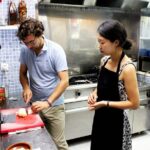
This tour’s quality often rides on who’s hosting you. The names Mara and Adrian show up in the guiding mix, with Mara working as the sommelier and Adrian bringing the chef perspective.
That combination is smart. A sommelier can connect wine to food with clear, usable reasons. A chef can talk about ingredients and technique in a way that makes the tasting feel grounded. When you get both voices, you don’t just drink and eat. You learn how Cordoba builds flavor from simple, traditional building blocks.
And the social tone is part of the value. The best nights feel like you’re being taken around by friends who actually care about the food. That’s the vibe you should look for: relaxed, funny in a natural way, and ready to adjust if your tastes run toward wine, toward savory foods, or toward something specific you want to understand.
Price and value: is $112 fair for 2.5 hours?
Let’s talk straight about money. At $112 per person for about 2.5 hours, you’re paying for a trained local guide, at least three stops, each with a wine tasting and a food tasting, plus the described private third stop.
If you tried to build this yourself, you’d still need to solve the biggest problems a guide handles:
- finding the places locals use
- figuring out what to order without wasting time
- understanding the food and wine connections so you don’t just guess
That said, there’s a legitimate concern to weigh. One piece of feedback you should treat seriously: some people felt the price was too high for the number of tastings they received. That doesn’t mean it’s overpriced for everyone. It means your expectations should match what’s included: tastings, not a full dinner at three restaurants.
My advice on value: if you enjoy wine and you like learning what you’re eating, you’ll likely feel the price makes sense. If you prefer large portions over guided context, look for a meal-focused option instead of a tasting crawl.
Practical tips so you enjoy every stop
A few small moves help you get more out of the evening.
- Bring water and sip before you’re too deep into wine. You’ll feel better at stop 3.
- Wear comfortable shoes. You’ll be doing walking between bars and taverns.
- Bring a camera, since a lot of the fun of Cordoba tapas is the atmosphere and the plating you don’t get in a generic tourist meal.
- Don’t smoke during the tour, since smoking isn’t allowed.
- Don’t bring pets, and skip this plan if you have food allergies, since it’s not suitable for allergies.
Also pay attention to the drink rules. The tour includes alcohol tastings, but alcohol and drugs are listed as not allowed, which reads like a no outside substances rule. Keep it sensible and follow the guide’s lead.
Who should book this Cordoba tapas bars tour
This is a strong fit if:
- you want Cordoba wine pairings with traditional foods
- you like short, guided tastings rather than long, formal dinners
- you want to avoid tourist-trap bars and go where locals actually eat
- you enjoy guides who can explain how dishes connect to local culture
This is not a great fit if:
- you’re traveling with kids under 10
- you have food allergies (not suitable)
- you need wheelchair support but the route details aren’t clear to you, because the listing info conflicts
If you’re unsure, you can still make the decision. Just ask how they handle the walking and entrances, and confirm what “private third stop” means for your specific date.
Should you book it: my quick decision guide
Book this tour if you want a guided Cordoba tapas night where the food comes with wine pairings and some real explanations. The combination of multiple stops, the described secret private final stop, and hosts like Mara (sommelier) and Adrian (chef) gives the night a clear purpose beyond just sampling.
Consider skipping or choosing a different format if you’re chasing huge portions, you have dietary restrictions, or mobility needs require extra clarity. For everyone else, this is one of the best ways to learn Cordoba’s eating style in a couple of hours, then know what to order later on your own.
If you do book, show up with comfortable shoes, a camera ready, and a relaxed mindset. In a city like Cordoba, the best nights are the ones you let the locals guide.
FAQ
How long is the Cordoba tapas bars tour?
The tour lasts 2.5 hours.
Where do I meet the guide?
Meet at Corredera Market under the Big Clock.
What’s included in the price?
You get an expert gastronomic guide, 3 stops minimum, and at each stop you receive 1 wine tasting and 1 traditional food tasting. The third stop is described as secret and private.
Which languages are offered for the live guide?
The live tour guide is available in English and Spanish.
Is hotel pickup and drop-off included?
No. Hotel pickup and drop-off are not included.
Is the tour wheelchair accessible?
The information lists wheelchair accessible, but it also states it is not suitable for wheelchair users. If this affects you, it’s smart to confirm route and entry details with the provider before booking.
Are there restrictions on food, pets, or smoking?
Pets are not allowed, smoking is not allowed, and the tour is also listed as not suitable for people with food allergies. Alcohol and drugs are also listed as not allowed.