REVIEW · CORDOBA
Córdoba: Alcázar and Jewish Quarter 2-Hour Guided Tour
Book on GetYourGuide →Operated by Eventour Andalucía Incoming S.L · Bookable on GetYourGuide
Córdoba has layers, and this tour follows them. You’ll start near the Jewish Quarter wall at the Averroes statue and wind through old-city lanes tied to names you’ve heard in textbooks, then shift to the Alcázar grounds for gardens and big architectural stories. I love how the route connects streets and monuments instead of treating them like separate “photo stops.”
My other big plus is the payoff inside: the Roman mosaic room feels like a time machine, and the guide explains what you’re actually looking at (not just dates). One possible drawback: the experience can feel a bit fast at times, and if the Alcázar is closed (it can be completely unavailable around January 7), part of the visit will be swapped, which may change your expectations.
In This Review
- Key things I’d circle before you go
- Starting at the Averroes statue: how you’ll get oriented in minutes
- The Jewish Quarter route: Street of Flowers, Bonfire Street, and names you’ll remember
- Artisan souk vibes and a few small squares that add texture
- Moving from the old town to the Alcázar: gardens and the royal layer of power
- Inside the Alcázar complex: the Roman mosaic room payoff
- If Alcázar de los Reyes Cristianos is closed: your visit gets redirected
- The guide and pacing: great context, with a slight speed edge
- What $27 buys you in Córdoba (and why the value can be real)
- Who should book this tour (and who should shop around)
- Should you book the Córdoba Alcázar and Jewish Quarter tour?
- FAQ
- Where does the tour start?
- How long is the guided tour?
- What languages are offered?
- Is monument entrance included?
- Are food and drinks included?
- Does the tour help you avoid waiting in line?
- What happens if the Alcázar is closed?
- Is there free cancellation?
- Can I reserve now and pay later?
Key things I’d circle before you go
- Old Jewish Quarter streets with meaning, including Street of Flowers and Bonfire Street
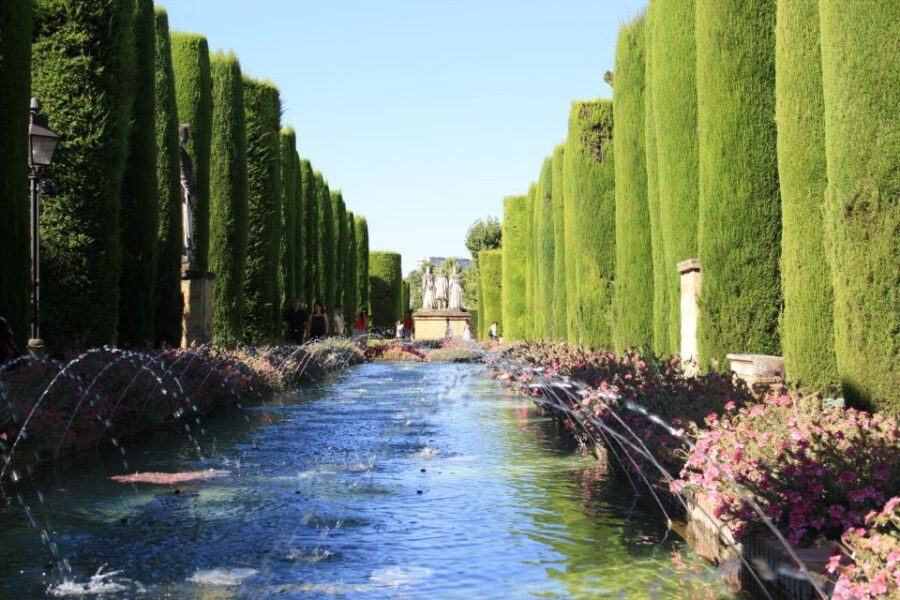
- Garden time at the Alcázar, with ponds, flowers, and the Walk of the Kings photo moment
- Skip-the-line express security check, so your time stays focused on sights
- Original Roman mosaics and a well-preserved sarcophagus room
- Smart substitute plan if Alcázar is closed, with Baths of the Caliphate Palace and Old Palace courtyards
Starting at the Averroes statue: how you’ll get oriented in minutes
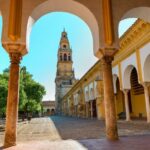
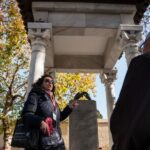
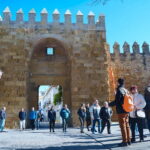
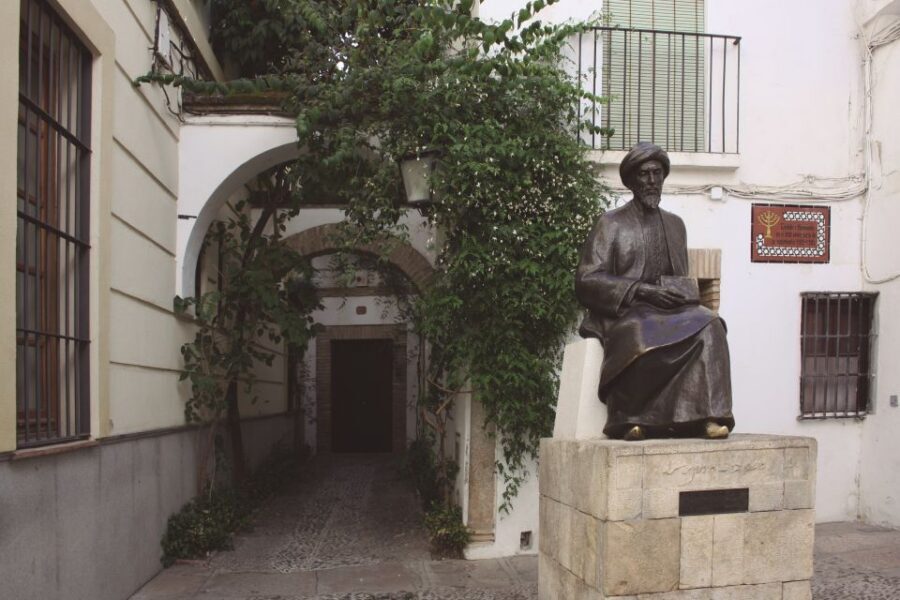
The tour starts at the Averroes Statue, right by the wall of the Jewish Quarter. That location matters more than it sounds. If you’ve arrived in Córdoba and feel like everything is “historic” (which is true), a good starting point helps you place the maze: you’re stepping into an older Córdoba layer, not just walking around pretty buildings.
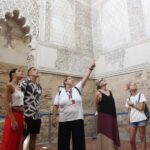
In the first stretch, you’re guided through the Jewish Quarter and old town streets, with stops that anchor you to major place-names. You’ll hear about squares and statues you might otherwise just pass. The guide also frames what you’re seeing so it clicks—why a street’s name matters, why a location is repeated in stories, and how different eras left fingerprints on the city.
If you like self-guided wandering, you still get something here. It’s not only about “where to go,” it’s about how to read the city while you walk.
Other Jewish Quarter tours we've reviewed in Cordoba
The Jewish Quarter route: Street of Flowers, Bonfire Street, and names you’ll remember
This is where the tour earns its keep: you’re not just ticking off neighborhoods, you’re walking symbolic streets of the old city with context.
You’ll pass by streets known as the Street of Flowers and the Bonfire Street. Those names might sound like local color, but with a guide you start to see them as part of Córdoba’s story—how daily life and cultural identity showed up in the city’s geography. It’s also a relief to have someone point out what’s worth noticing, because Córdoba’s historic center can blur together when you’re on your own.
Expect a mix of quiet street corners and little open spaces—enough variety to keep your attention. And you’ll also see a few “pinpoints” that help your brain build a map: the square of Cardenal Salazar and the statue of Maimonides are on the list, and those moments help you connect the walk to people who shaped Jewish intellectual and cultural life.
The main value here is that you come away with a mental route. Later, if you want to return on your own, you’ll know where you are and why the streets feel like they do.
Artisan souk vibes and a few small squares that add texture
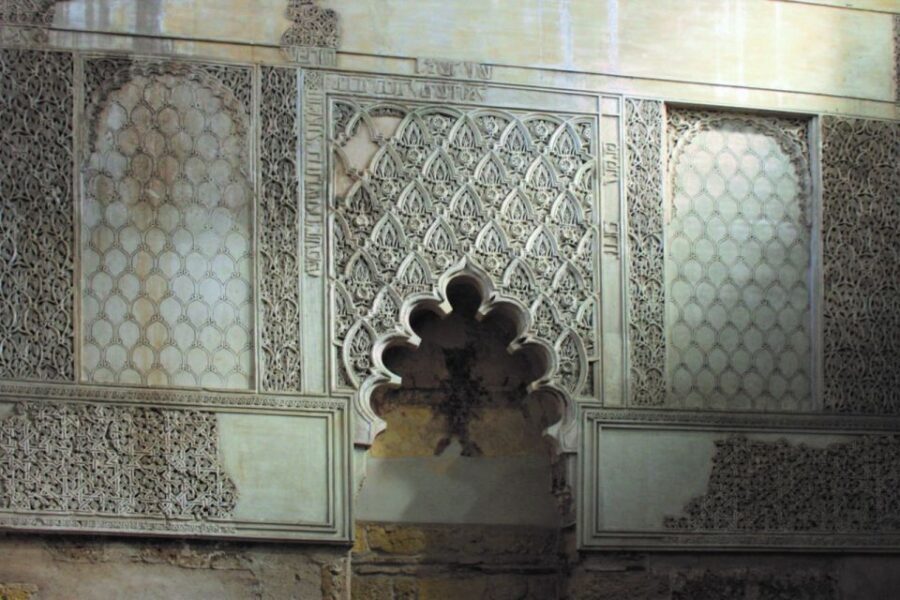
Between the most famous named streets, you’ll hit smaller scenes that make the tour feel lived-in. One highlight is the souk of the artisans—less about shopping and more about atmosphere. You’ll get a quick look at how old trading culture shaped how neighborhoods worked and how commerce was woven into daily movement.
You’ll also make time for the square of Cardenal Salazar. Squares are important in Córdoba because they’re where people gather, slow down, and share the city’s energy. Even if you’re not there long, having your guide steer you toward the right square makes you notice details like orientation, flow of foot traffic, and where sightlines naturally pull you.
These parts aren’t “major monuments,” but they’re exactly what makes a short tour feel satisfying. A 2-hour walk can’t cover everything. This one chooses the streets and squares that help you understand the city’s rhythm.
Moving from the old town to the Alcázar: gardens and the royal layer of power
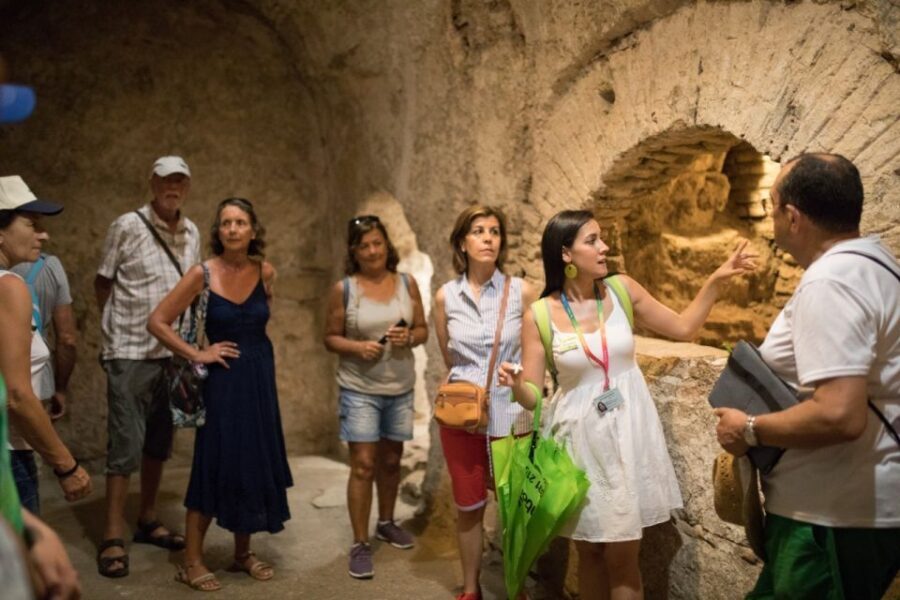
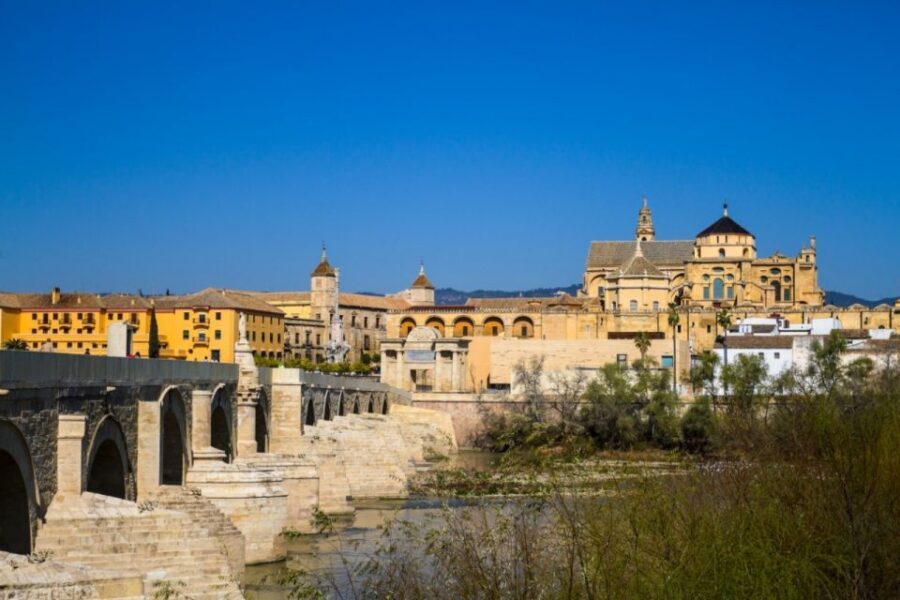
After the Jewish Quarter walk, you shift toward the Alcázar. This is a big change in mood: you go from tight old streets to a palace complex with landscaped space.
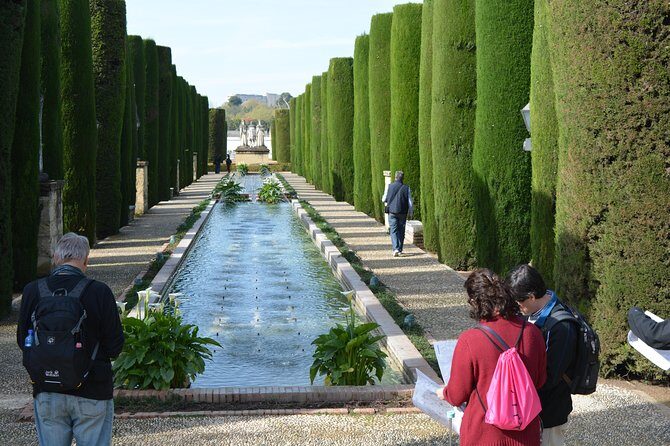
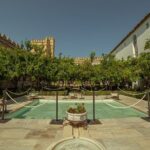
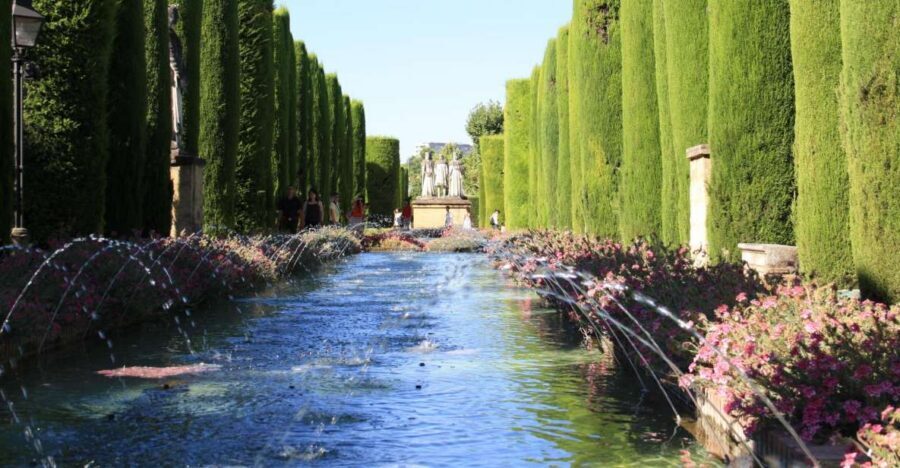
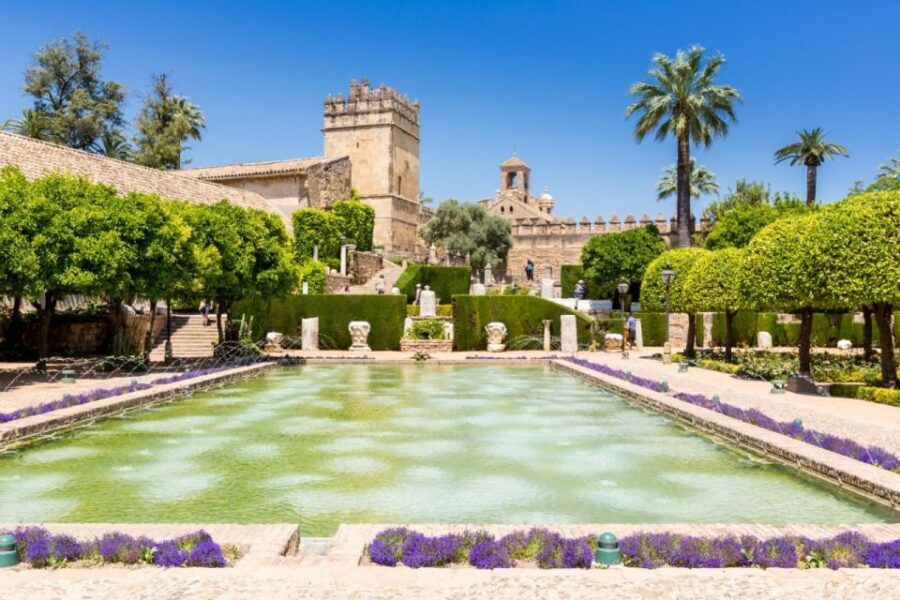
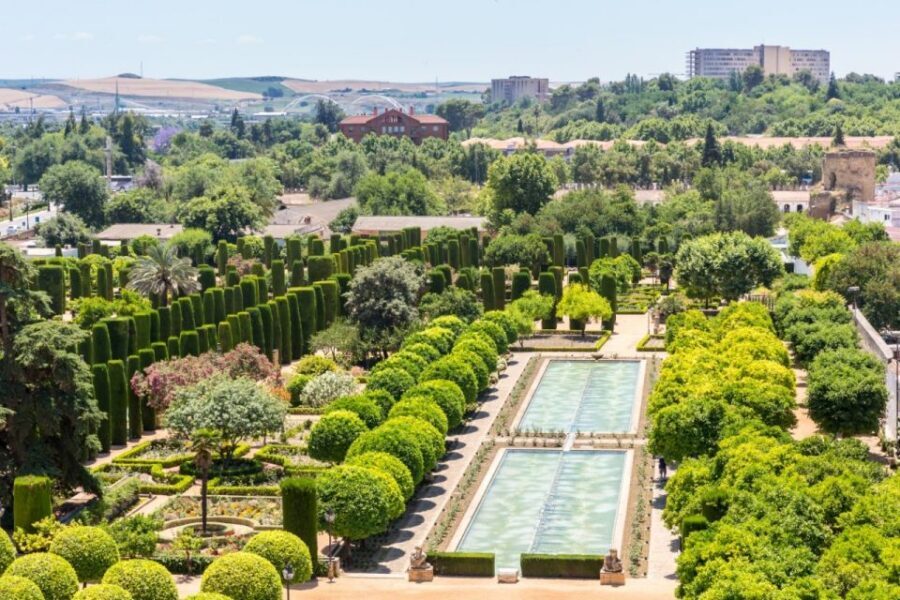
At the Alcázar, you’ll visit the gardens. Think ponds, flowers, and plants—plus an explanation of their history and physiognomy. That’s not random botanical chat. In palace gardens, plant placement, water features, and pathways are often designed to signal status and control, not just beauty.
You’ll also have a key photo moment at the Walk of the Kings, where you can frame the most well-known monument views. Even if you’re not a serious photographer, these “stand here” points are useful. They break the tour into manageable chunks and prevent the classic problem of walking and then realizing you never looked up.
One thing the tour makes clear: the Alcázar de los Reyes Cristianos wasn’t only a royal palace. It also became associated with the Inquisition. The guide’s framing helps you understand that the same walls can represent different eras and different kinds of power.
Inside the Alcázar complex: the Roman mosaic room payoff
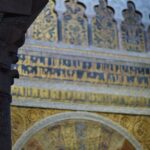
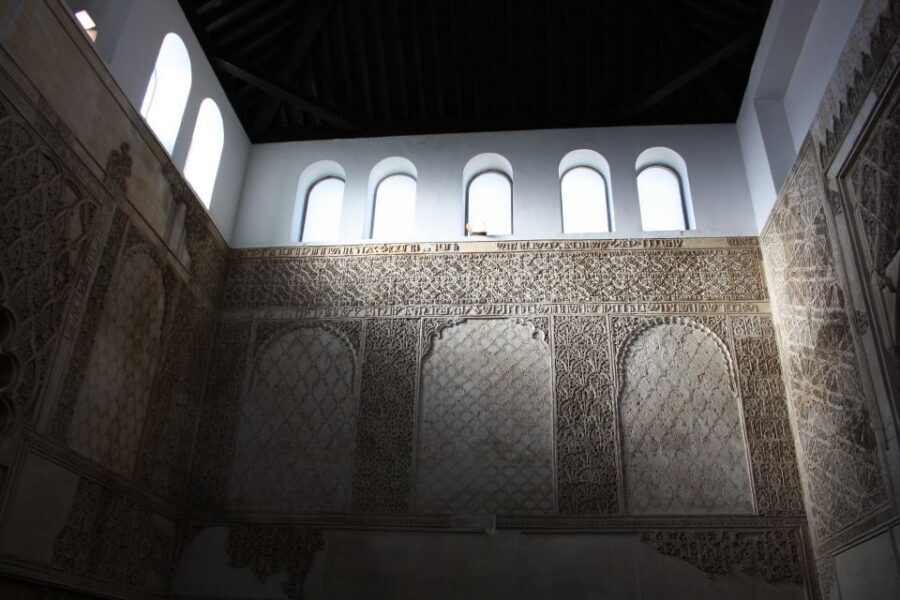
The best indoor moment is the mosaic room. You’ll admire original mosaics made in Roman times. That’s the kind of detail that’s hard to appreciate without guidance, because mosaics look beautiful but can also look “general” if you don’t know what you’re seeing.
Here, the guide’s job is to help you notice patterns, materials, and what makes the mosaics historically significant. When you’re standing in front of Roman art that has survived so long, it stops being abstract. You start to understand why Córdoba’s layers matter.
You’ll also see a Roman sarcophagus in a very good state of conservation. This isn’t the kind of stop that’s all hype. It’s a quiet, “wow, it’s still here” moment, which for me is the best kind of museum experience: fewer speeches, more looking.
This is the part that most people feel the most after the tour. If you’re choosing between booking a street tour and one focused on a major complex, this stop is a strong reason to pick this one.
Other Alcazar tours we've reviewed in Cordoba
If Alcázar de los Reyes Cristianos is closed: your visit gets redirected
Here’s the big practical reality: the Alcázar de los Reyes Cristianos can be completely closed from January 7 pending confirmation of a new opening date. When that happens, normal visits to the Alcázar won’t be possible.
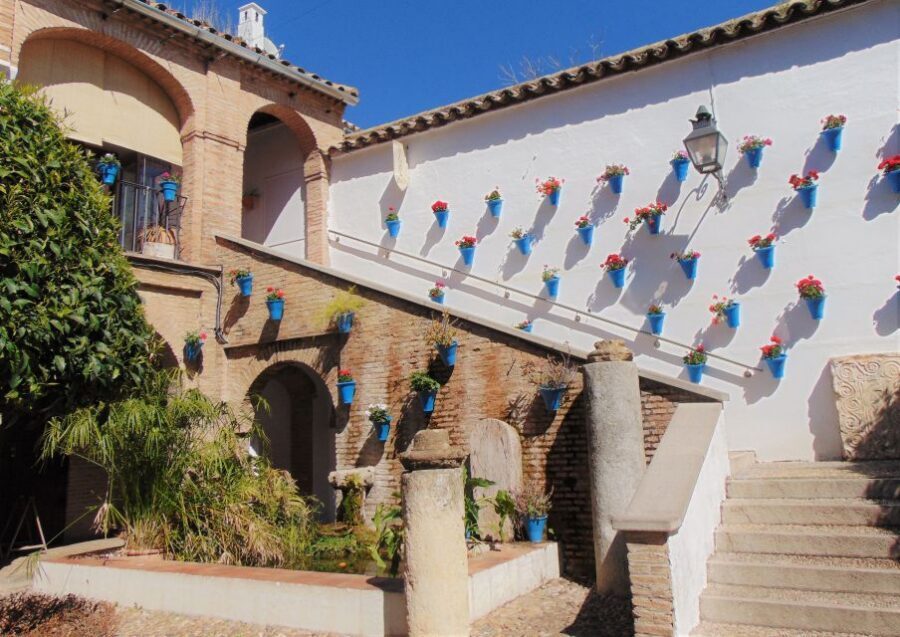
Good news: the tour has a built-in replacement plan at no additional cost and without changes to your reservation. The Alcázar portion will be replaced with a visit to the Baths of the Caliphate Palace and a tour of the Old Palace Quarter, including emblematic courtyards.
That matters for two reasons. First, you won’t end up with a half-empty experience. Second, even though it changes the “Roman mosaics + Alcázar gardens” expectation, it still keeps you inside the palace world—just with a different historical focus.
If mosaics are your #1 must-see, double-check your dates and what the substitute includes. But if you want to understand how Córdoba’s palaces and baths evolved over time, the replacement can still feel rewarding.
The guide and pacing: great context, with a slight speed edge
The tour is led by a live local official guide. Languages listed are Italian and English. In at least one case, the English tour ran as a small group that felt close to private, which is ideal if you want your questions answered on the spot. In general, shorter guided walks like this benefit from a guide who can adjust to the group.
The best guide moments are the ones that turn “I saw it” into “I understand what I saw.” Expect explanations tied to the streets you’re walking and the palace complex you’re entering.
That said, one consideration is pace. Some people felt rushed—like you don’t get much slack time for water or a quick reset. If you’re sensitive to timing, plan ahead: carry water if you can, wear comfortable shoes, and don’t assume there will be long breathing breaks between stops.
If you’re the kind of traveler who likes to linger for 15 minutes on a single wall, you might prefer adding a separate free afternoon after this tour. But if you’re the type who wants structure and clear highlights in 2 hours, this format fits.
What $27 buys you in Córdoba (and why the value can be real)
At $27 per person for a 2-hour guided experience, you’re paying for three main things:
- A guide who connects the dots between the Jewish Quarter streets and the Alcázar palace story. In a place like Córdoba, context is what you can’t easily DIY without time.
- Monument entrance fees included, plus VAT. That helps you avoid the cost-and-checking friction that can add up when you buy tickets separately.
- Skip the line via an express security check, which keeps your entry smoother. Security queues can steal time fast on popular days.
You do not get food or drinks included. That’s normal for a 2-hour focus tour, but it means you should plan a snack or water before you meet.
Is it “cheap”? No. But for what you receive—Jewish Quarter highlights, palace gardens context, the Roman mosaic room, and included admission—this can feel like a fair deal, especially when you compare it to paying entrance tickets plus spending extra time figuring routes on your own.
Who should book this tour (and who should shop around)
This is a strong fit if you want:
- A guided walk that combines the Jewish Quarter with the Alcázar complex
- A manageable time commitment (2 hours)
- A stop that goes beyond photos: Roman mosaics and a well-preserved sarcophagus
- Practical direction on what to see nearby afterward (some guides also share restaurant tips, including vegetarian options)
You might want to think twice if:
- You’re hoping for lots of free wandering time (the structure is the point)
- You’re traveling at a date when the Alcázar closure substitution could disappoint you (it won’t leave you with nothing, but it changes the emphasis)
- You don’t enjoy guided narratives and would rather read slowly on your own
In other words: book this when you want clarity and highlights. If you want slow and solitary, you’ll likely do better with a self-guided plan plus a museum audio guide.
Should you book the Córdoba Alcázar and Jewish Quarter tour?
If you like your sightseeing with guidance that makes the city make sense, I’d book it. The combination is smart: named Jewish Quarter streets and key historic anchors, then gardens and the standout Roman mosaic room.
I’d especially recommend it if you value entrance inclusion and hate wasting time in queues. And if you’re traveling in the period when Alcázar access may be affected, read the closure note carefully. The replacement plan keeps the experience moving, but it may shift which highlights feel most central to your trip.
Overall, this tour is best for travelers who want a strong hit of Córdoba in two hours—without spending your day hunting for the next stop.
FAQ
Where does the tour start?
The tour begins at the Averroes Statue, by the wall of the Jewish Quarter. The meeting point may vary depending on the option booked.
How long is the guided tour?
The duration is 2 hours.
What languages are offered?
The live tour guide is available in Italian and English.
Is monument entrance included?
Yes. Monument entrance fees are included, along with VAT.
Are food and drinks included?
No. Food and drinks are not included.
Does the tour help you avoid waiting in line?
Yes. The tour includes skip the line through an express security check.
What happens if the Alcázar is closed?
If the Alcázar de los Reyes Cristianos is completely closed from January 7 pending confirmation of a new opening date, the Alcázar part is replaced by a visit to the Baths of the Caliphate Palace and a tour of the Old Palace Quarter with emblematic courtyards, at no additional cost.
Is there free cancellation?
Yes. You can cancel up to 24 hours in advance for a full refund.
Can I reserve now and pay later?
Yes. The option is reserve now & pay later, so you can book your spot and pay nothing today.