REVIEW · CORDOBA
Córdoba: Mosque, Jewish Quarter & Tour with Ticket
Book on GetYourGuide →Operated by CÓRDOBA A PIE · Bookable on GetYourGuide
Two hours in the Mezquita feels like magic. I love the skip-the-line entry that gets you inside without wasting precious Córdoba time, and I love how the tour is run by a certified guide with headsets so the story stays clear. One thing to consider: the pace is efficient, so if you want long, quiet wandering time, you’ll feel slightly time-boxed.
This is a great match if you like history you can see, not just read. You’ll move from the peaceful courtyard (hello Patio de los Naranjos) into the Prayer Hall, then shift gears to the narrow streets and landmarks of the Jewish Quarter, including a stop at the synagogue (with day-of-week limits).
In This Review
- Key highlights you’ll care about
- Why this 2.5-hour Córdoba plan is smarter than trying it alone
- Mosque-Cathedral entry: separate entrance and a headset that actually helps
- Patio de los Naranjos: where the complex slows down
- Inside the Mosque-Cathedral: Prayer Hall, Mihrab, and why the arches matter
- Expansions and architecture changes: the “history you can spot”
- Jewish Quarter walking route: markets, lanes, and small “aha” moments
- Synagogue visit: included, but Mondays change the plan
- Iglesias Fernandinas: a bonus you can request
- Shared vs private: who should choose which?
- Languages, guide quality, and why the best tours feel effortless
- Practical stuff: clothing rules and photo gear you can’t bring
- Price and value: why $34 can make sense for this exact combo
- Who this tour suits best
- Should you book this Mosque and Jewish Quarter tour?
- FAQ
- How long is the tour?
- What does the ticket include?
- Is the Córdoba Synagogue visit always included?
- Are we allowed to enter the Bell Tower?
- Are there restrictions on what I can wear or bring?
- Is the tour wheelchair accessible?
Key highlights you’ll care about
- Skip-the-ticket-line entry to the Mosque-Cathedral of Córdoba via a separate entrance
- Certified guide + audio headsets, so you get details without straining in crowds
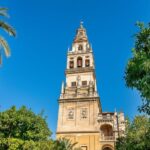
- Patio de los Naranjos + Bell Tower area, with lots of photo opportunities along the way
- Jewish Quarter walk featuring El Zoco artisans market, Calleja de la Luna, and a Maimónides statue
- Synagogue visit included, but closed on Mondays (you’ll still see it from outside)
Why this 2.5-hour Córdoba plan is smarter than trying it alone
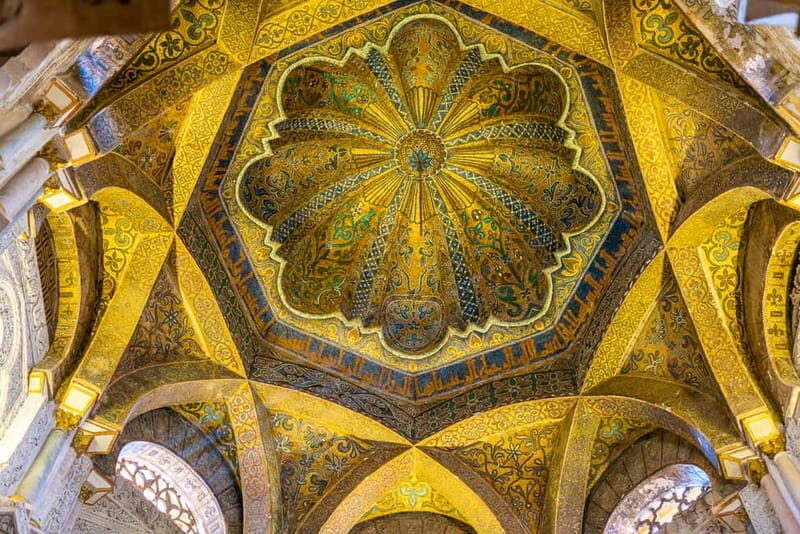
Córdoba’s top sights have a lot of “stand here, read this, move on” energy when you self-tour them. This format cuts through that. In about 2.5 hours, you get guided time where it matters most: the Mosque-Cathedral (the building itself) and the Jewish Quarter (the streets and symbols that make the stories make sense).
You’ll also avoid one of the biggest practical headaches in Córdoba: ticket lines. Since entry is handled with skip-the-line access, your guide can start teaching right away instead of burning time waiting. For a city where you may only have a short window, that’s a big deal.
If you’re the kind of person who likes a well-structured walking route, this one fits. You’re not just “doing Córdoba.” You’re walking a storyline: Moorish power, architecture changes over time, then Jewish life in the old quarter.
Other Jewish Quarter tours we've reviewed in Cordoba
Mosque-Cathedral entry: separate entrance and a headset that actually helps
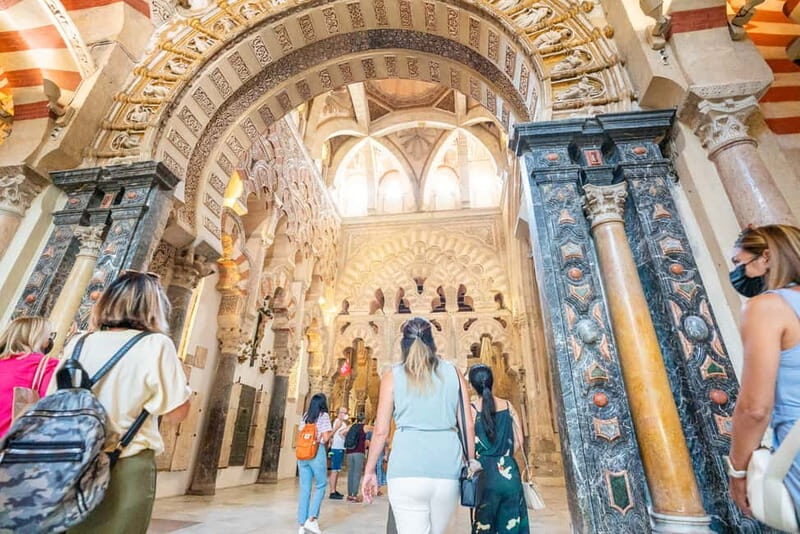
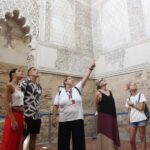
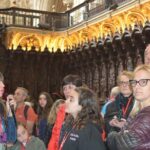
The tour meets outside the Mosque-Cathedral, and after a quick start, you’re given audio equipment. That detail matters more than it sounds. Inside the complex, it can be noisy, and groups are constantly flowing. The headsets make the guide’s explanation easier to follow, even when you’re standing near other visitors.
You also get a monolingual guide (the guide won’t switch languages mid-tour). If you’ve ever been annoyed by mixed-language groups, you’ll appreciate this. It keeps explanations consistent and reduces that awkward half-hearing what’s important.
The “no wandering forever” part is real, though. You’re there to learn, not to linger. You won’t be able to stay inside the Mosque-Cathedral after the guided portion ends, so plan any extra photo time before the tour wraps.
Patio de los Naranjos: where the complex slows down
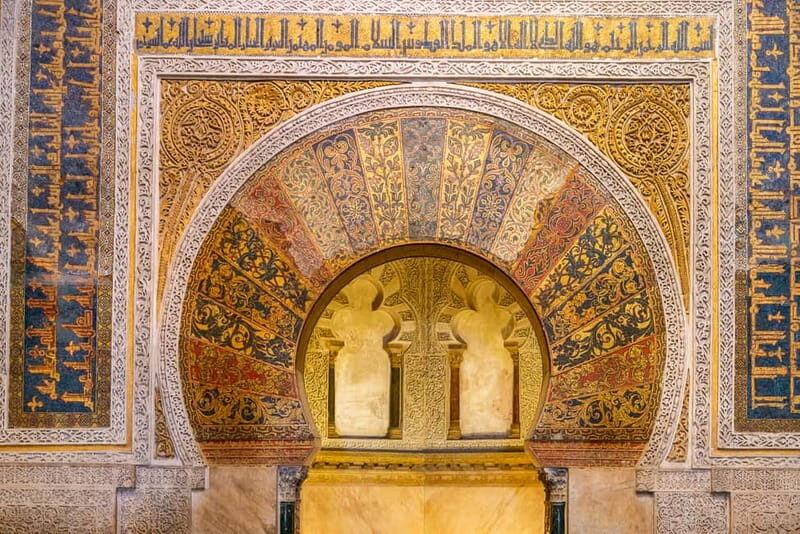
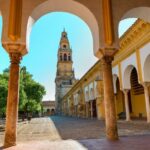
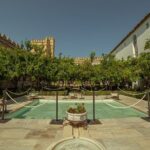
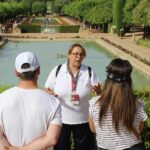
Before you enter the main interior spaces, the route brings you through the courtyard area: the Patio de los Naranjos. This is one of those places that feels calmer than the busy city around it. You’ll see greenery, soak up the quieter atmosphere, and get a better sense of how the whole site is designed.
This part of the visit works well because it gives your brain a breather before the architecture-heavy moments. It also helps you understand the building as a whole, not just a room you rush into.
There’s also mention of the Bell Tower. Even though entry to the Bell Tower itself isn’t included, you still get time for the visual moments that make it part of the “you’re really in Córdoba” experience.
Inside the Mosque-Cathedral: Prayer Hall, Mihrab, and why the arches matter
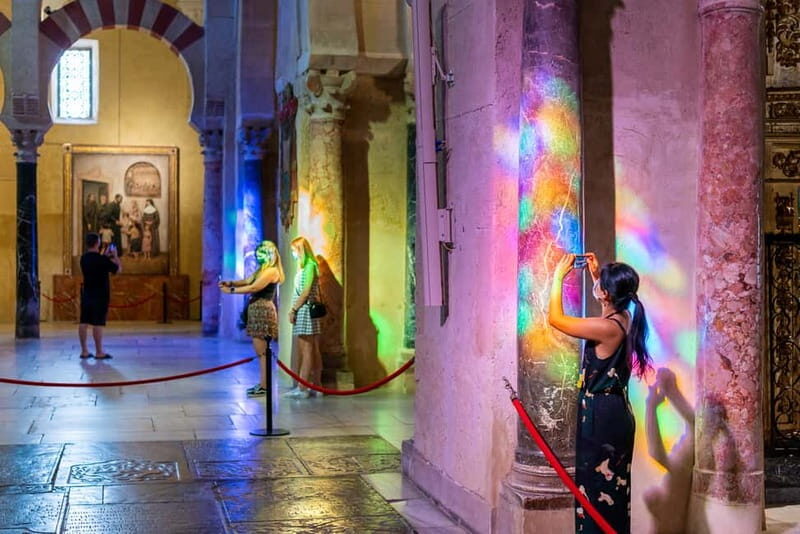
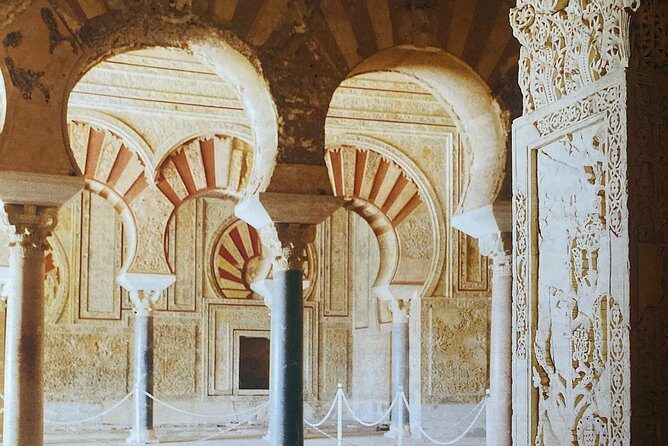
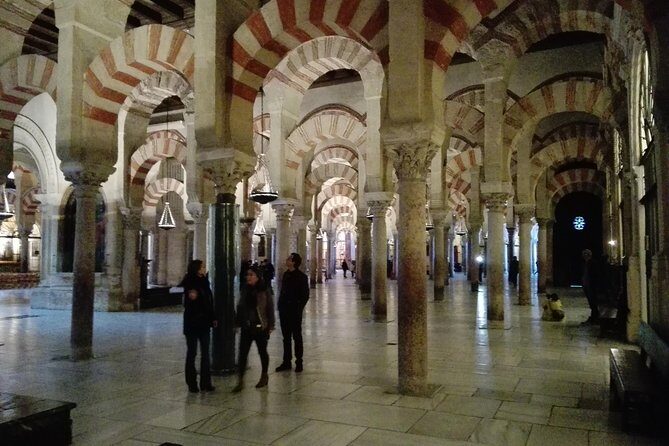
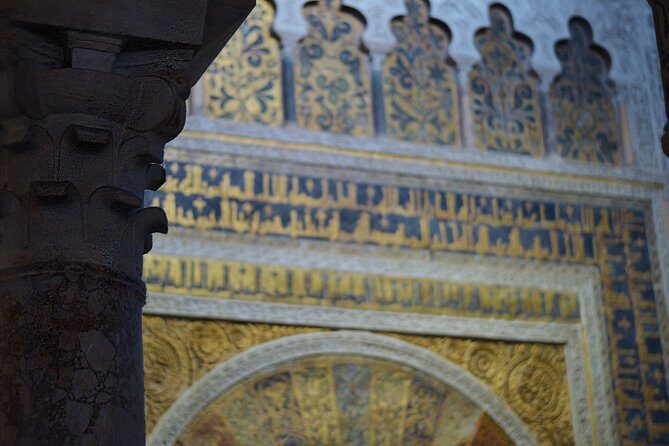
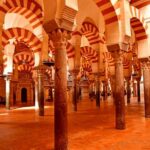
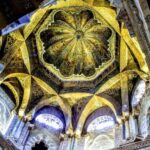
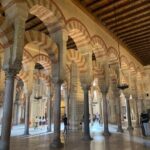
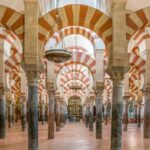
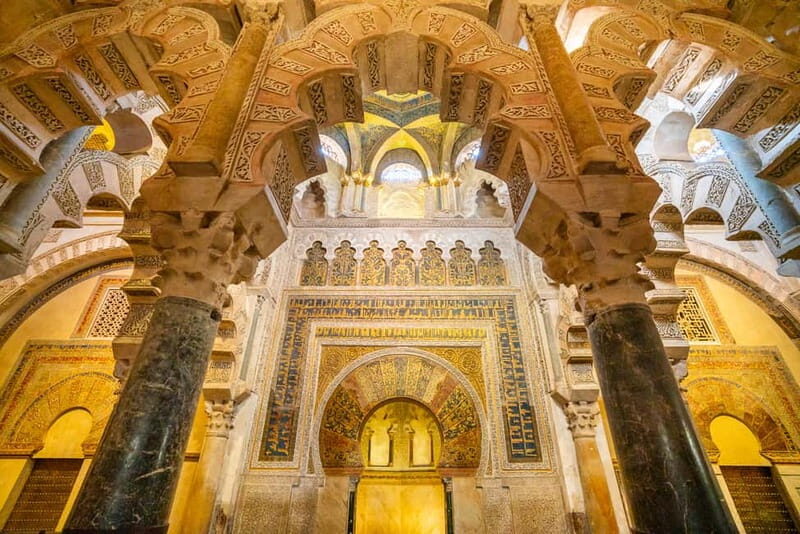
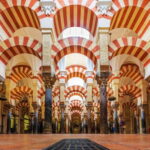
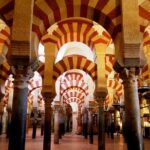
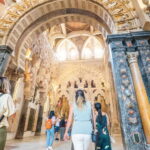
Once you’re inside, the guide takes you around key areas: the Prayer Hall, the Mihrab, and the famous red-and-white arches. These are the iconic elements most people come to see, but a good guided explanation changes what you notice.
Here’s what I’d pay attention to while you’re there:
- The Mihrab and what it symbolizes in the space
- The rhythm and repetition of the arches (it’s not random decoration—it’s part of how the building “moves” your eye)
- The way the guide points out details you’d normally miss if you were just taking photos
The tour also describes different phases and expansions of the complex. This is one of the biggest value pieces of a guided visit: you don’t just walk through a pretty monument. You learn what changed, when, and why—so your photos start matching the story.
The building can feel mind-bending at first glance. The guide’s job is to make it legible, and the strongest tours in the format do exactly that: they slow you down at the right moments.
Expansions and architecture changes: the “history you can spot”
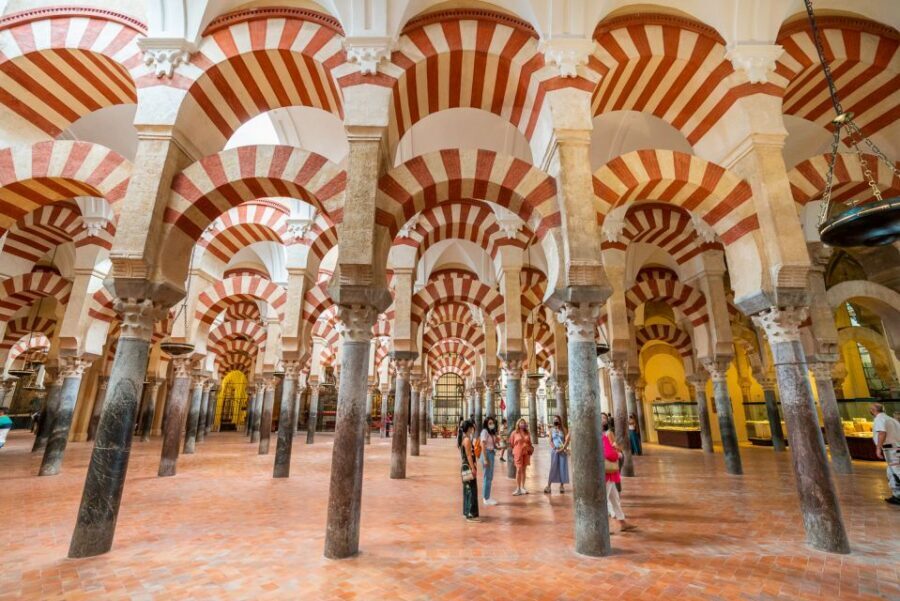
A lot of Mosque-Cathedral tours are either too broad or too technical. What you want is a clear path through the key architectural shifts, and this one is built for that.
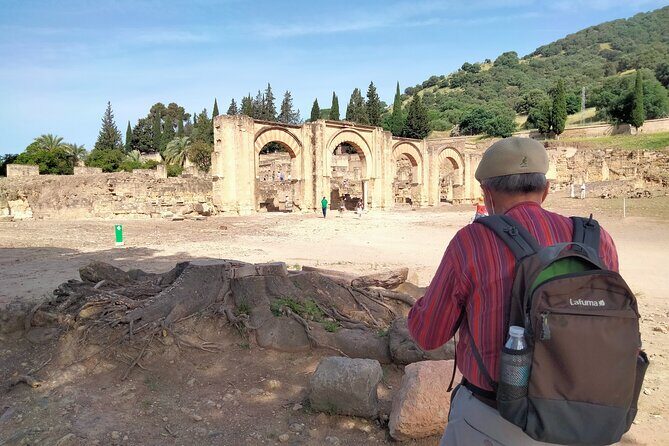
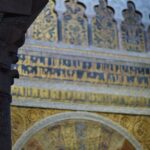
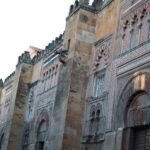
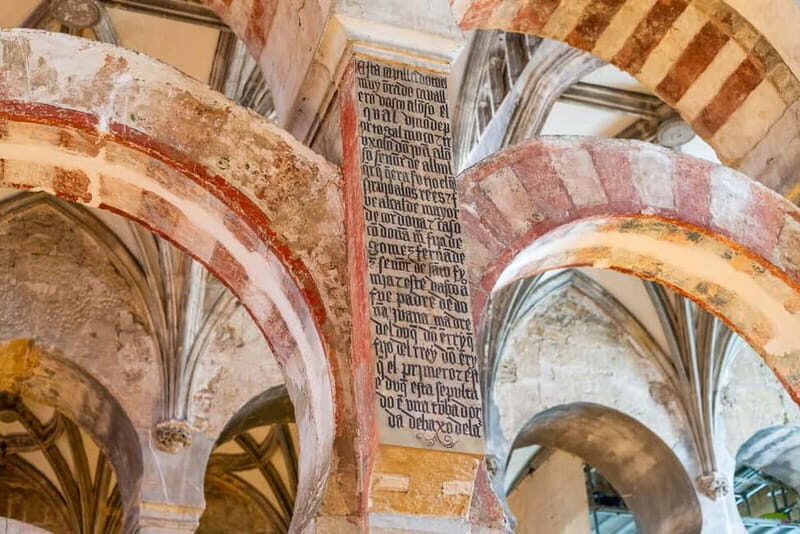
As you move around, the guide explains expansions and hidden architectural details—things like how different additions reshape the overall feel of the monument. You’ll likely hear about the period of Moorish rule and how Spain’s history unfolded under that influence. The goal isn’t to turn this into a textbook. The goal is for you to walk away thinking, Oh, now I see why it looks the way it looks.
If you’re the type who likes “look here, notice that” guidance, you’ll find the pacing helpful. If you want to memorize dates, you might not get everything you’d like—but you’ll get enough context to understand what you’re looking at.
Other combined monument tours we've reviewed in Cordoba
Jewish Quarter walking route: markets, lanes, and small “aha” moments
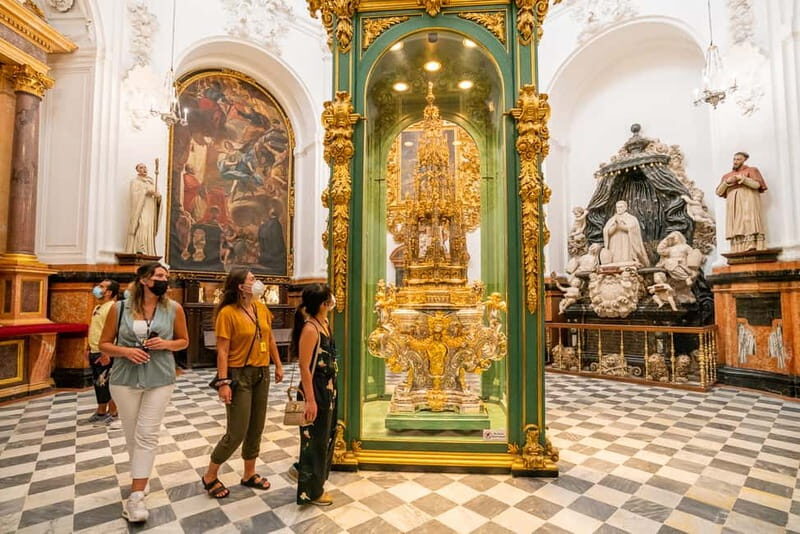
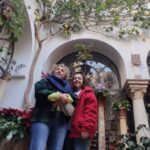
After the Mosque-Cathedral, the tour turns into a walking experience around the historical Jewish Quarter. This part is often where Córdoba surprises people, because it’s not one single monument. It’s a set of streets and landmarks that help explain how the neighborhood functioned.
Your route includes stops and photo opportunities such as:
- Calleja de la Hoguera, tied to Jewish heritage in the area
- El Zoco artisans market
- Plaza del Cardenal Salazar
- Calleja de la luna, one of those narrow lanes that feels instantly cinematic
- A look at the souk atmosphere and related corners of the quarter
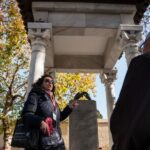
You also get a visit to the Chapel of Saint Bartholomew and time to see a statue of Maimónides, a major thinker strongly associated with this cultural story.
The value here is not just “pretty streets.” It’s learning how these places connect to the bigger narrative of Córdoba’s past. The guide’s explanations make the neighborhood feel less random and more like a map of lived history.
Synagogue visit: included, but Mondays change the plan
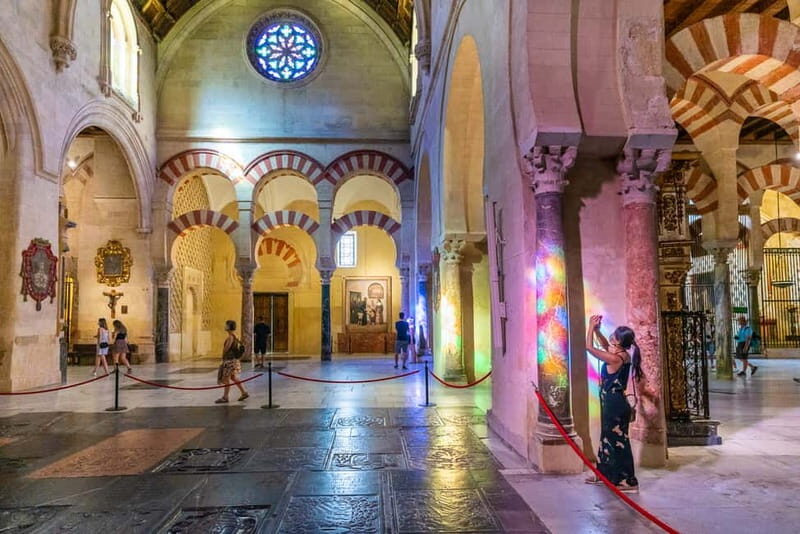
The tour includes a visit to the Córdoba Synagogue. The one major day-of-week issue is straightforward: the synagogue is closed on Mondays. If you’re booking for Monday, you won’t go inside, but you’ll be able to see the synagogue from the outside.
This affects how much time you’ll spend on that final cultural block. It’s still worthwhile, but you should adjust your expectations if you’re hoping for interior time on a Monday.
Also keep in mind: you’re not stuck inside anywhere for long after the guided segments. If you want to spend extra time after the tour, you’ll need to plan a separate return—this experience is designed to be a guided highlights circuit.
Iglesias Fernandinas: a bonus you can request
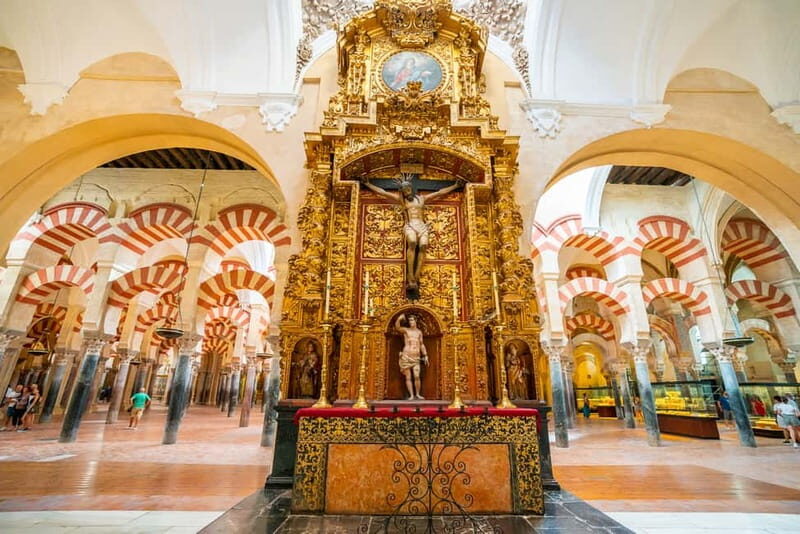
There’s an included entry component for Iglesias Fernandinas. The practical twist is that you can ask the guides for entry. So you don’t have to assume it’s guaranteed on every departure—but it’s part of what the tour provider can offer.
How does this help you? It adds another layer to the “Spain under different rulers and religions” theme—without turning the tour into a scavenger hunt. If you’re curious how religious buildings evolved side-by-side over time, it’s a useful add.
Shared vs private: who should choose which?
You can choose either a shared or private group. Here’s how I’d decide:
- Choose shared if you want the value and don’t mind moving with other people at a guided pace.
- Choose private if you’d rather ask more questions and get more targeted explanations—especially if you care about architecture vs daily-life neighborhood history.
Private can also be easier if you’re traveling with someone who has mobility needs. The tour is described as wheelchair accessible (no stairs during the tour), but the ground can be uneven in several spots—so a smaller group can help keep things smoother.
Languages, guide quality, and why the best tours feel effortless
The tour runs with live guides in English, Spanish, and French. The monolingual approach (no switching back and forth) makes a noticeable difference because you don’t lose context.
In terms of guide quality, the overall impression from the guides’ style is consistent: they’re engaging, and they connect architecture and neighborhood sites to the human stories behind them. You’ll hear explanations delivered with confidence, and the audio headsets mean you’re less dependent on catching every word.
That’s also why your photo results tend to be better than you might expect. When the guide points out what matters, you aim your camera at the right details instead of only chasing the famous view.
Practical stuff: clothing rules and photo gear you can’t bring
This is one place where the rules matter. The tour does not allow:
- Shorts
- Short skirts
- Sleeveless shirts
- Tripods
- Unaccompanied minors
So, if you’re visiting in hot weather, plan for breathable, covered clothing. It’ll save you from last-minute stress right at the entrance.
Tripod rules are common at major sites, but they still catch people off guard. If you use a phone or small handheld camera, you’ll be fine—just don’t bring equipment that could block pathways.
Timing is also part of the practical reality. The tour is 2.5 hours, and the itinerary is structured so you’re always moving. If you’re the type who likes to linger 20 minutes on one arch, build in extra time elsewhere in Córdoba for your own pace.
Price and value: why $34 can make sense for this exact combo
At about $34 per person, you’re paying for more than “someone walking with you.” You’re paying for:
- Skip-the-line entry to the Mosque-Cathedral
- Guided time with a certified guide
- Mosque entry fee included
- Audio headsets
- Jewish Quarter walking tour + synagogue visit (when open)
- Additional included entry for Iglesias Fernandinas (with the guide’s help)
If you did this alone, you’d likely spend at least some time figuring out routes and interpretation on the fly. You might also lose the advantage of timed entry flow and risk more waiting at the Mosque-Cathedral.
So the value equation is mostly about convenience plus context. When you consider how complex and visually overwhelming the Mosque-Cathedral can be, a guided explanation for a modest price is a smart trade—especially if you’re visiting with limited time in Córdoba.
Who this tour suits best
This experience is ideal if you:
- Want the Mosque-Cathedral story explained in a way that makes the building understandable
- Like guided walking through historic neighborhoods, not just museum-style stops
- Prefer a structured route with headset support in busy places
- Appreciate learning about Moorish-era influence and Córdoba’s religious/cultural layers
It’s less ideal if you:
- Want to stay inside the Mosque-Cathedral for long self-directed photo sessions
- Don’t want rules around clothing or tripods
- Need a very slow pace (the itinerary keeps moving)
Should you book this Mosque and Jewish Quarter tour?
If you’re planning a short Córdoba visit, I’d book it. The skip-the-line entry plus guided architecture walkthrough gives you the most “bang per hour” at the city’s top monument. Then the Jewish Quarter segment makes the rest of the old city feel like it has meaning, not just charm.
Skip it only if you already know the architecture well and you want maximum free time inside the Mosque-Cathedral. Otherwise, this is a well-balanced way to cover the essentials while still learning something real.
FAQ
How long is the tour?
The duration is 2.5 hours. Starting times can vary, so you’ll want to check availability for the specific slot you want.
What does the ticket include?
It includes Mosque-Cathedral entry, skip-the-ticket-line access, Iglesias Fernandinas entry (with the guide’s help), the tour with a certified guide, and the use of audio equipment.
Is the Córdoba Synagogue visit always included?
It’s included, but the synagogue is closed on Mondays. If you book for a Monday, you can still see it from the outside.
Are we allowed to enter the Bell Tower?
Entry to the Bell Tower is not included in this tour.
Are there restrictions on what I can wear or bring?
Yes. Shorts, short skirts, and sleeveless shirts are not allowed, and tripods are also not allowed. Unaccompanied minors aren’t permitted.
Is the tour wheelchair accessible?
Yes, it’s described as suitable for wheelchair users with no stairs during the tour. The ground can be uneven in several places, though.