REVIEW · CORDOBA
Private Full Day Tour of Cordoba & Medina Azahara with Hotel pick up & drop off
Book on Viator →Operated by Tour Travel & More · Bookable on Viator
Cordoba can feel like a time machine you can walk into. This private full-day tour ties together two UNESCO World Heritage sites plus the key neighborhoods and viewpoints that explain how Cordoba worked at different moments in time. I like that you get hotel pickup and round-trip transfers without the hassle of figuring out parking or timing, and you stay with one professional guide for about six hours.
One thing to consider: this is a moderate physical fitness day. Even with vehicle time, you’ll still be walking at several stops, and Medina Azahara is an archaeological site where surfaces may be uneven.
In This Review
- Key things that make this tour worth your time
- A 9:00 start that helps you see more of Cordoba
- Mezquita-Catedral: where the guide makes the layers click
- La Judería: a focused walk through Cordoba’s old quarter
- Alcázar de los Reyes Cristianos, plus Roman bridge and Roman temple
- Medina Azahara: timing, shuttle logistics, and what to expect
- Roman-and-Medieval threading: how the day connects
- Price and value: what $774.82 per person includes (and what doesn’t)
- Who this private Cordoba & Medina Azahara tour fits best
- Practical pacing tips for your day
- Should you book this tour?
- FAQ
- What time does the tour start?
- Where do you get picked up?
- Is this a private tour?
- What’s included in the price?
- Are tickets included for the Alcázar?
- Are tickets needed for La Judería?
- How long is the tour?
- Is there free cancellation?
Key things that make this tour worth your time

- Two UNESCO sites covered: Mezquita-Catedral and Medina Azahara, with major context from your guide.
- Your day is paced for you: private setup means you can move at the group’s speed instead of being herded.
- Tickets included for the biggest anchors: Mezquita-Catedral and Medina Azahara entrance are included.
- Smooth Medina Azahara access: a shuttle runs between the parking area and the archaeological site.
- A strong guide style: the guide’s storytelling approach helps a long day feel manageable, and English communication is reported as excellent.
A 9:00 start that helps you see more of Cordoba
The day begins at 9:00 am, with pickup from your place of choice in Cordoba. That timing matters in Cordoba because mornings give you the best chance to move through the center without crowds (or at least with less push). It also helps you enjoy the Mezquita-Catedral while your energy is still high.
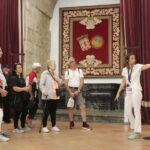
This is a private tour, meaning your group is the only group participating. You’re not learning someone else’s agenda. Practically, that gives you a big advantage when a stop runs a little long—questions come up, photos happen, and the visit doesn’t feel rushed by the clock.
You’ll be in the care of a professional guide for about 6 hours and also use a private vehicle with chauffeur for the day. That combination is a big part of the value: your time isn’t split between public transport schedules and waiting around for connections.
Other Medina Azahara tours we've reviewed in Cordoba
Mezquita-Catedral: where the guide makes the layers click
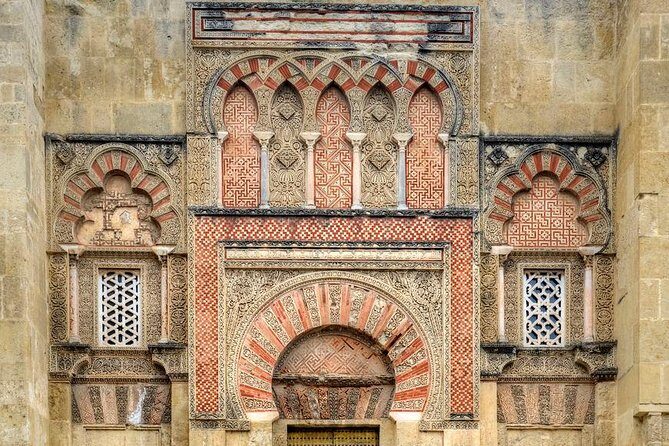
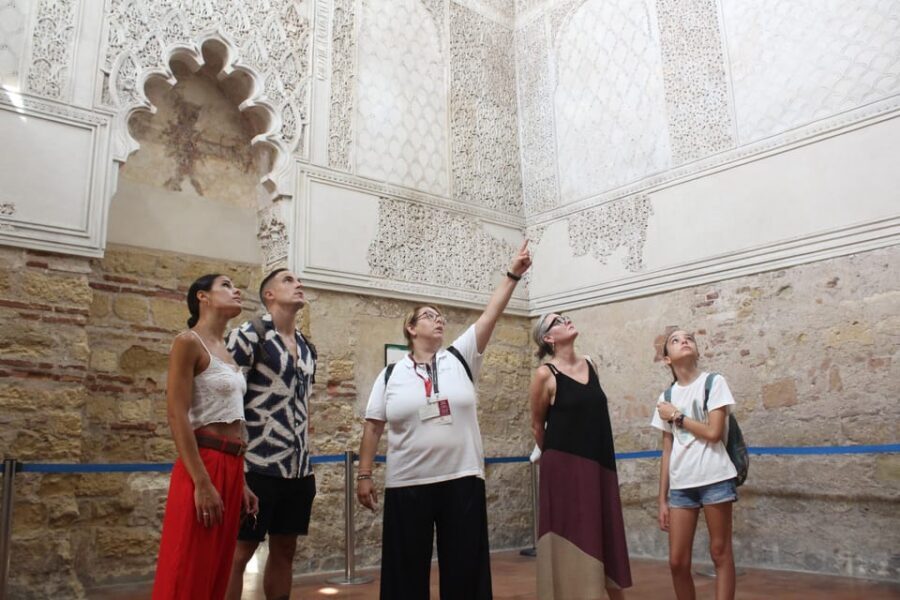
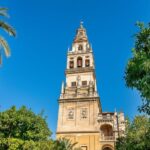
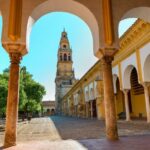
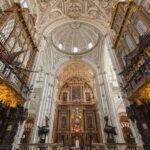
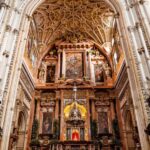
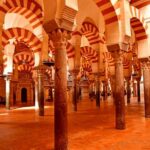
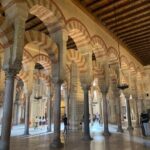
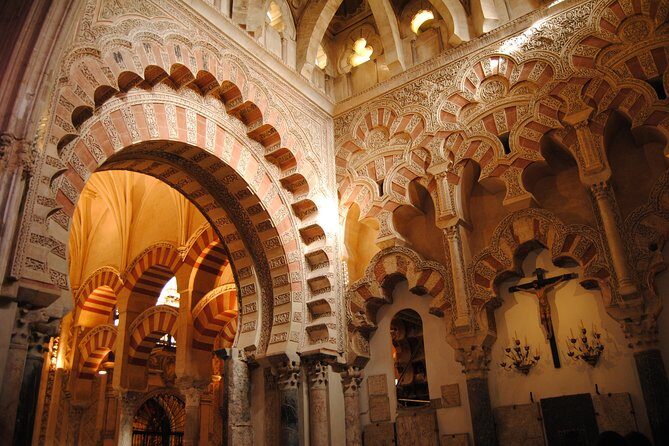
Your first stop is the Mezquita-Catedral de Cordoba (Mosque/Cathedral), with about 1 hour on site and an admission ticket included.
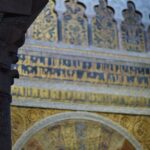
What I love about the way this kind of visit works is that the building is the lesson. You can stare at arches and call it beautiful, sure—but a strong guide helps you understand why it looks the way it does, and what changed over time. With this tour, you’re not left to guess. You get a structured explanation while you’re standing inside, so the history becomes visible instead of just memorized.
One practical benefit: having a guide means you’ll know where to look first. You’ll also understand how to read the space as you walk—so the visit doesn’t turn into a checklist. And because the visit is timeboxed to about an hour, it’s long enough to absorb what’s important without turning into museum fatigue.
Possible drawback: if you prefer free-roaming, slow photography, you may feel the time limit. But for most people, an hour is a sweet spot for a first (or even repeat) Mezquita visit with context.
La Judería: a focused walk through Cordoba’s old quarter
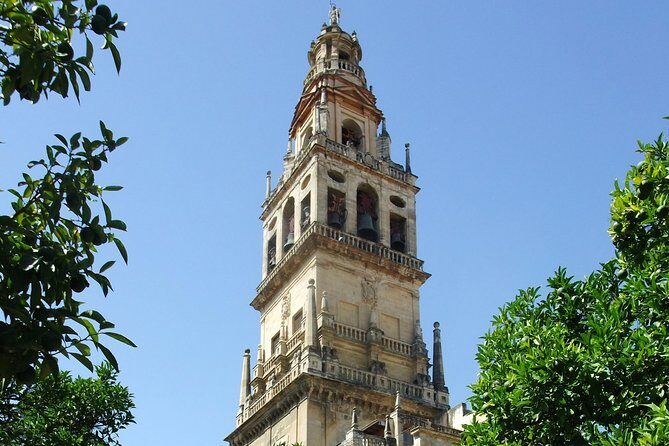
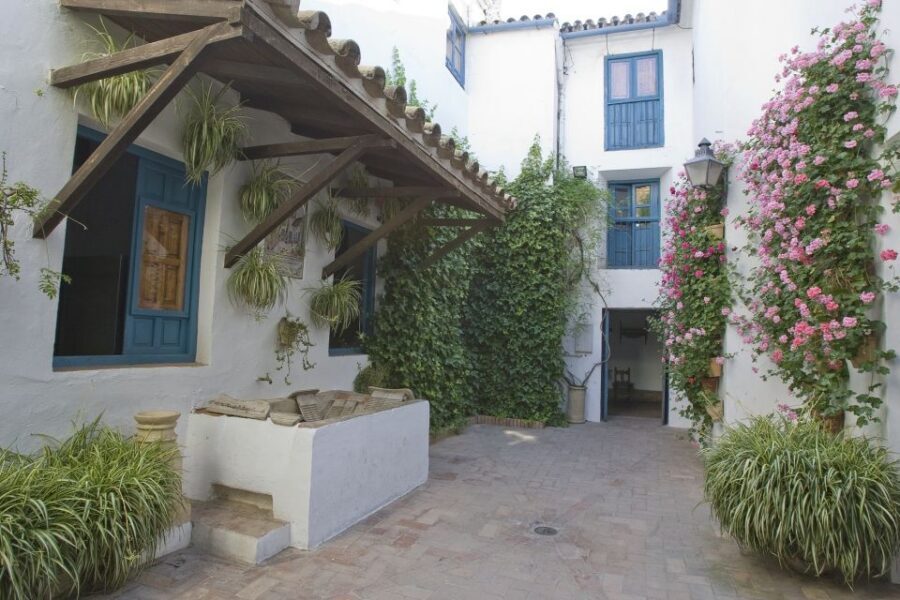
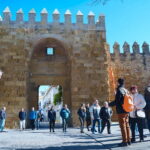
Next is La Juderia, the Jewish quarter area, with about 1 hour and admission ticket listed as free.
This stop is valuable because it shifts you from a single monumental building to the human scale of streets and community structure. You start thinking about daily life: where people lived, how neighborhoods worked, and why Cordoba’s story isn’t only about rulers and religious sites.
Since this is a walking-and-looking stop, what you get depends heavily on your guide’s explanations. The upside of a private tour is that you can ask questions as they come up, instead of waiting for a group rhythm.
A consideration here: La Juderia is part of the older city fabric, so expect typical historic-center walking. If you’re sensitive to uneven pavement or tight streets, plan for slower steps.
Alcázar de los Reyes Cristianos, plus Roman bridge and Roman temple
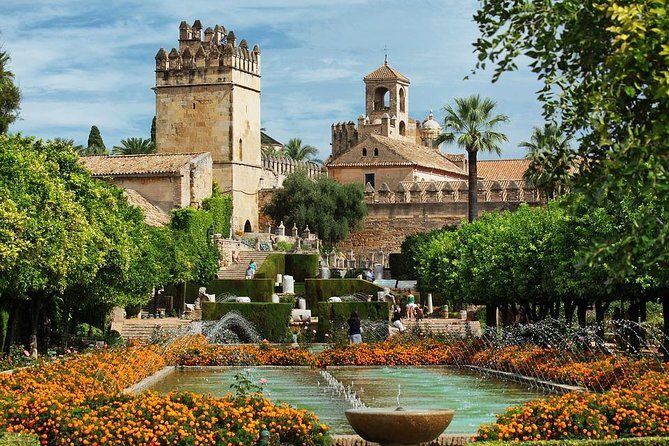
After La Juderia, the tour includes Alcazar de los Reyes Cristianos for about 45 minutes. Here’s the key practical detail: its admission ticket is not included, so you’ll want to factor that into your day.
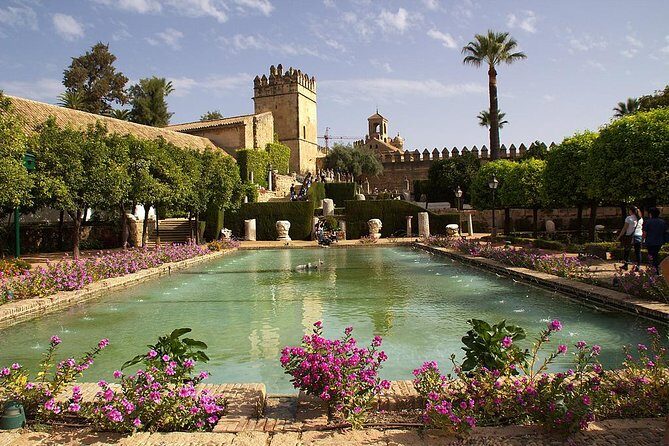
Even though tickets aren’t included, the stop still matters. The Alcázar is described as a military-leaning building ordered by King Alfonso XI of Castile in 1328, on top of earlier layers (including Islamic-era Umayyad structures). The gardens and courtyards are noted for a Mudéjar inspiration, and that blend is exactly the kind of thing you’re hoping to notice in Cordoba: different eras overlapping in materials, layout, and style.
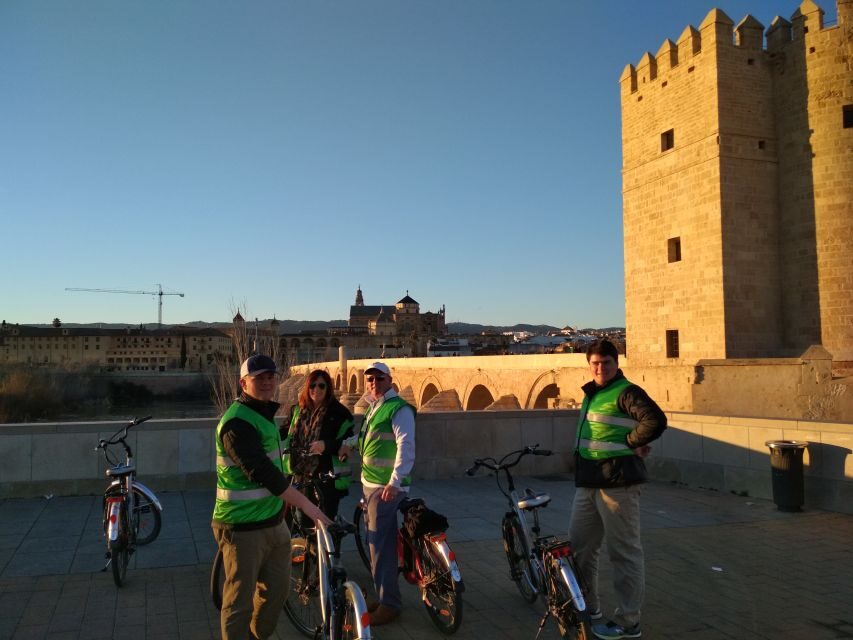
Also on the itinerary are two more sights: a Roman bridge and a Roman temple. They may not take as much time as the main anchors, but they add something important: they remind you Cordoba wasn’t only medieval. It grew on older roots, and the city kept reusing and adapting space across centuries.
Consideration: since these additional stops are shorter, you’ll get the most out of them if you go in ready to look for connections. Ask your guide how the Roman-era remnants relate to later urban life, instead of treating them as isolated photo points.
Medina Azahara: timing, shuttle logistics, and what to expect
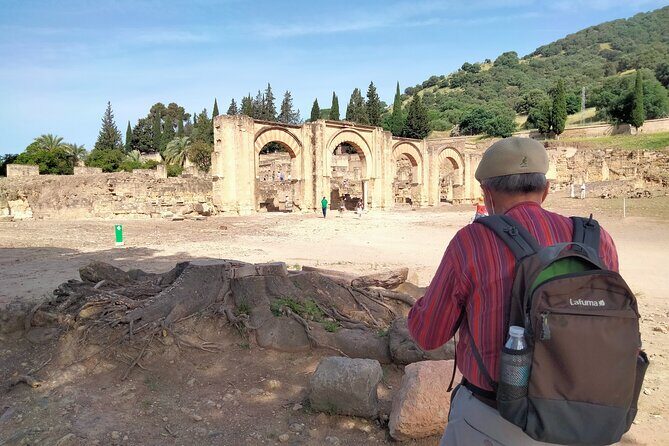
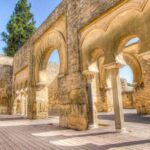
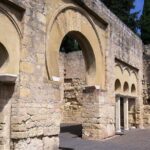
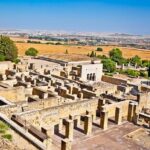
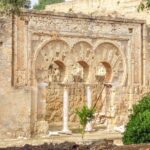
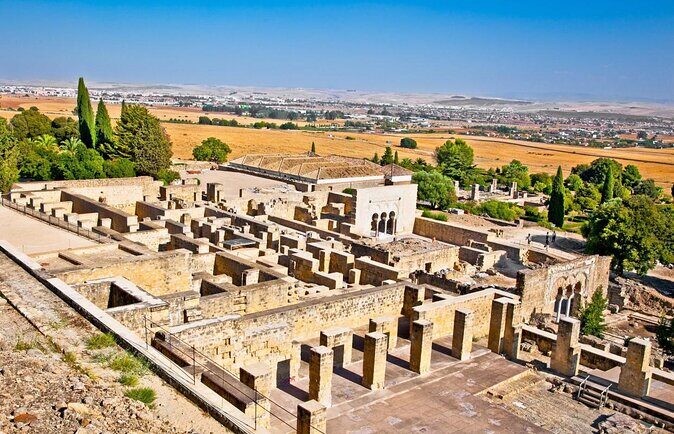
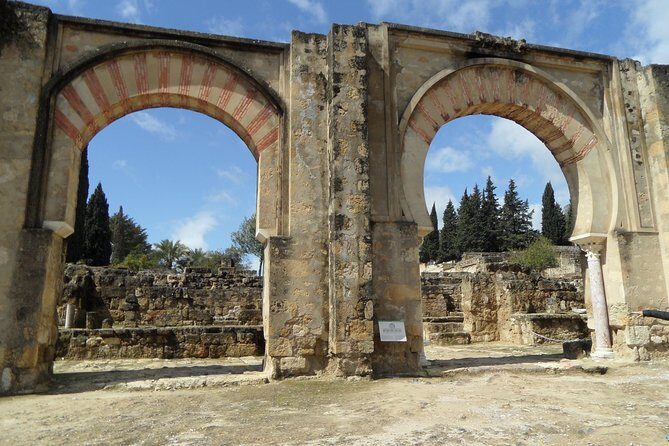
The crown jewel of the day for many people is Medina Azahara, an archaeological site and UNESCO World Heritage site. Your visit is about 1 hour, and admission is included.
Getting there is part of the experience. You’ll use a shuttle bus between the parking area and the archaeological site, which is a helpful detail. It reduces friction and makes the visit feel more straightforward—especially compared with trying to manage your own transport.
What I like about a timed Medina Azahara visit is that it forces a structure. One hour at an archaeological site can feel short if you’re expecting to read every information panel, but it’s also long enough when your guide is guiding your attention. The best visits are the ones where you learn how to “read” ruins as a layout—what areas likely did what, and how the city functioned when it was active.
Because Medina Azahara is outdoors and uneven in places, the “moderate physical fitness” note matters. You don’t need to be an athlete, but you should be comfortable with walking on archaeological grounds and taking your time at stops.
Other private tours in Cordoba


Roman-and-Medieval threading: how the day connects
Even though the tour hits multiple sites, it’s not random sightseeing. The sequencing is the point.
You start with the Mezquita-Catedral to get the big architectural story: sacred space and political power shaping a building over time. Then you move to La Juderia to see how the city’s communities fit into that larger framework. After that, the Alcázar and the Roman stops broaden the timeline—showing how Cordoba’s identity was layered instead of replaced.
By the time you reach Medina Azahara, you’re ready to understand what you’re looking at. Instead of seeing distant ruin walls, you’re seeing a piece of the same puzzle: a city shaped by eras, governance, and cultural mixing.
Price and value: what $774.82 per person includes (and what doesn’t)
Let’s talk money honestly. At $774.82 per person, this tour is not a bargain-basement option. But it also isn’t just a guide walking you around. The price is built around several high-cost items:
Included value drivers:
- Private vehicle with chauffeur for about 6 hours
- Hotel pickup and drop-off from your chosen location in Cordoba
- Professional guide for the full stretch
- Shuttle bus access to and from Medina Azahara parking
- Entrance tickets included for Mezquita-Catedral and Medina Azahara
Not included (so you should budget for it):
- Food and drinks
- Other entrance fees, including Alcázar de los Reyes Cristianos (listed as not included)
Here’s how I’d judge value for you: if you’d otherwise pay for guide time, taxis/transport, and key tickets separately, the total can creep upward fast. The tour’s strongest value is in removing planning stress. You show up, get picked up, and tickets for the two biggest UNESCO anchors are handled.
If you’re traveling on a tight budget, this might feel steep. If you’re prioritizing time, language support, and making sure the big sites actually make sense, it’s priced like a “high-friction problem solved” day.
Who this private Cordoba & Medina Azahara tour fits best
This tour fits best if you want:
- A guided explanation at the moments you’d otherwise read slowly or miss details
- Hotel pickup so you don’t lose time on logistics
- A day that covers major UNESCO highlights without running around on your own
- Private pacing, where the visit doesn’t feel like a race
It’s also a good match if you’re traveling as a small group and want a single plan instead of splitting up into taxi-and-ticket chaos.
If you prefer self-guided travel and don’t want to pay for interpretation, you might find a DIY plan more satisfying. But if you want clarity—why the buildings look the way they do, what changed, and what to notice next—this setup is built for you.
Practical pacing tips for your day
A few small moves will help you enjoy the whole schedule:
- Wear comfortable walking shoes. You’ll do enough strolling that sore feet can ruin the last hour.
- Bring water. Food and drinks aren’t included, and you’ll want the freedom to choose your own snack timing.
- Plan for a longer day than you think. About six hours sounds manageable, but the sites are dense and you’ll want time to look.
- If you care about photos, ask your guide when to pause. A good guide will help you avoid rushed shots.
Should you book this tour?
Book it if you want a smooth, private, English-guided day that hits the two biggest UNESCO anchors—Mezquita-Catedral and Medina Azahara—plus the key Cordoba neighborhoods and supporting sights. You’re paying for a chauffeur-driven convenience layer and for interpretation at the places that matter most.
Skip it if you’re on a strict budget, hate structured schedules, or want to spend lots of quiet time wandering without guidance.
For most people deciding between “see it on my own” and “have it explained,” this tour lands on the side of clarity and comfort, and that’s exactly what makes a day in Cordoba feel worth the effort.
FAQ
What time does the tour start?
The tour starts at 9:00 am.
Where do you get picked up?
Pickup is from your place of choice in Cordoba, including your hotel.
Is this a private tour?
Yes. It’s a private tour and only your group participates.
What’s included in the price?
The tour includes a professional guide, private vehicle with chauffeur, hotel pickup/drop-off, shuttle bus for Medina Azahara, and entrance tickets for the Mosque/Cathedral and Medina Azahara.
Are tickets included for the Alcázar?
No. Alcázar de los Reyes Cristianos entrance is not included.
Are tickets needed for La Judería?
No. La Judería is listed as free (admission ticket free).
How long is the tour?
The duration is about 6 hours.
Is there free cancellation?
Yes. You can cancel for a full refund up to 24 hours in advance of the experience start time.