REVIEW · CORDOBA
Cordoba: Medina Azahara 3–Hour Guided Tour
Book on GetYourGuide →Operated by Eventour Andalucía Incoming S.L · Bookable on GetYourGuide
The Shining City is hidden just outside Córdoba. In this 3-hour guided visit, you get walked through Medina Azahara (built by Abderramán III in the 10th century) and then you finish with a museum stop featuring 160 original pieces, guided all the way by staff like Carmen. That mix of real ruins plus explained artifacts is what makes this tour click fast.
What I like most is simple: the guided route at the archaeological site, and the museum visit where you’re not left guessing what you’re looking at. One thing to consider: this tour is not suitable for mobility impairments, and the site involves walking on outdoor, uneven ground—so you’ll want comfortable shoes and water.
In This Review
- Key Things I Found Most Useful
- Medina Azahara: Why This “Shining City” Matters
- Getting There From Córdoba: Bus Options and the Meet-Up Point
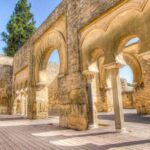
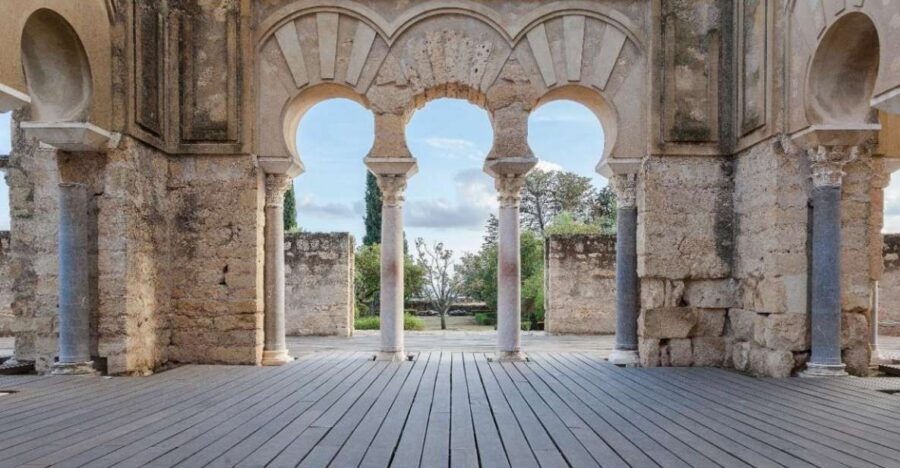
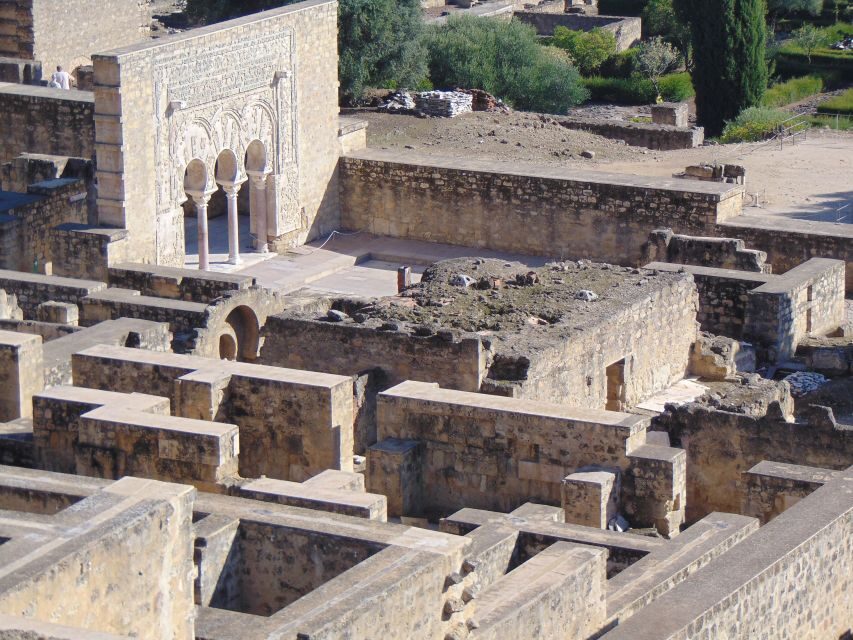
- The 10th-Century Walk: What You’ll See at the Archaeological Site
- Visitor Center Museum: 160 Original Pieces You Can Actually Interpret
- The Video Finale: Making the City Come Back to Life
- Price and Value: Is $18 a Smart Deal?
- What to Bring (and What to Wear) for a Comfortable Visit
- Who This Tour Suits Best (and Who Should Rethink It)
- Should You Book This Medina Azahara Tour?
- FAQ
- How long is the Medina Azahara guided tour?
- Where do I meet the group?
- Does the tour include bus transportation from Córdoba?
- Is the museum visit included?
- How many original pieces are in the museum?
- Is the entrance fee included?
- What language is the live guide?
- What should I bring?
- Is food and drinks included?
Key Things I Found Most Useful
- A structured 10th-century story: you learn the context as you walk, not after you’re already tired.
- Museum time with original pieces (160 total): you see what’s preserved and why it matters.
- Guides that explain clearly in Spanish: people like Carmen and María del Carmen Moreno Gayoso are praised for making the period make sense.
- A visual wrap-up: the tour ends with a video showing the city as it would have looked in the 10th century.
- Time-efficient format: all of this fits into about 3 hours, which is great when you have limited days.
Medina Azahara: Why This “Shining City” Matters
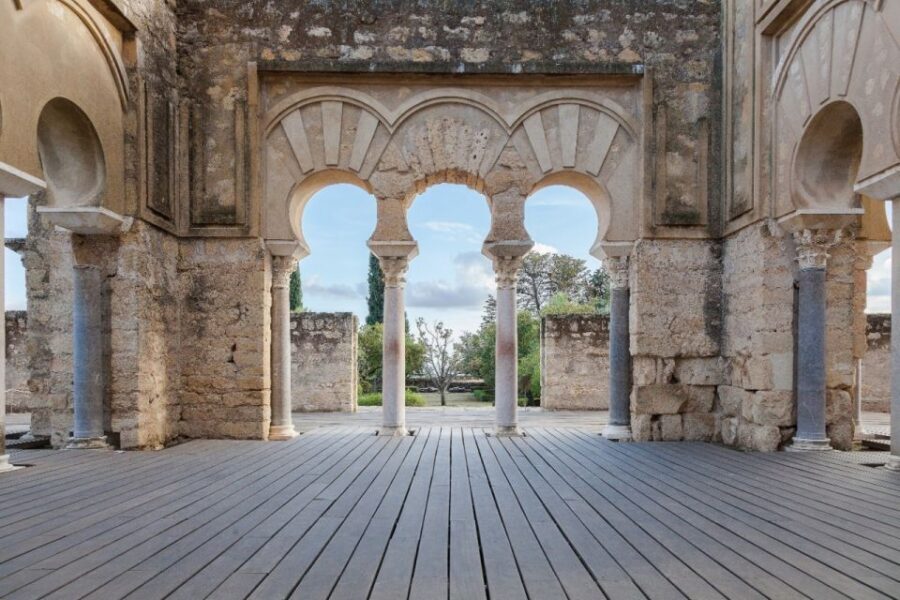
If you’re already enjoying Córdoba, Medina Azahara gives you the “why” behind some of the power people associate with the caliphate era. This was a city built by Abderramán III in the 10th century, and the name Shining City points to the impression it was meant to leave.
What I like about the way this tour is set up is that it treats the site like a story you can follow. You start with the historical context, then you see the spaces that are open to visitors, and finally you confirm details in the museum. Even if you only know the basics of Andalusia’s medieval era, the structure helps you connect the dots quickly.
Also, Medina Azahara is one of those places where you can look at stones and still feel lost. A good guide fixes that by translating ruins into function: where things likely fit in daily life, how the city was laid out, and how the legends connect to what’s preserved.
Other Medina Azahara tours we've reviewed in Cordoba
Getting There From Córdoba: Bus Options and the Meet-Up Point
This experience has two ways to start, and it matters because it changes how much you do before you even reach the ruins.
- If you choose the option with the bus, you’ll travel from Córdoba to Medina Azahara together with the group.
- If you choose the meet-direct option, you’ll go straight to Medina Azahara and join the group there.
Either way, the meeting point may vary depending on what option you booked. So before you go, I’d double-check your exact start location in your confirmation details.
Why this matters: a bus can save time and stress, especially if you’re trying to stack sights in Córdoba. But the direct-meet option can work well if you like to control your pacing and you’re already nearby.
The 10th-Century Walk: What You’ll See at the Archaeological Site
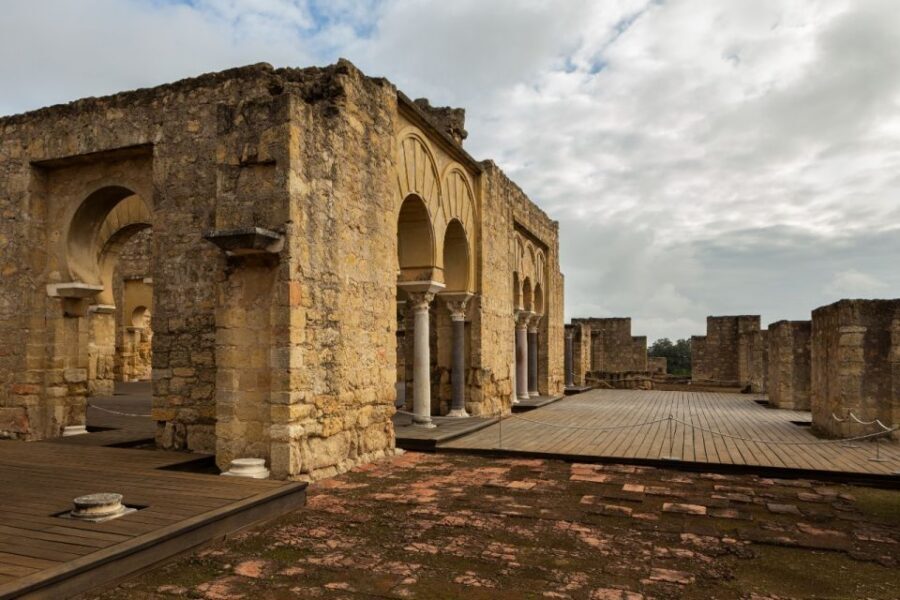
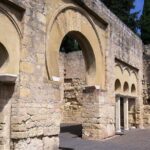
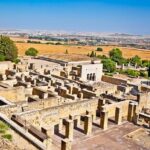
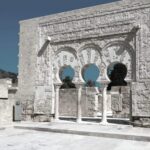
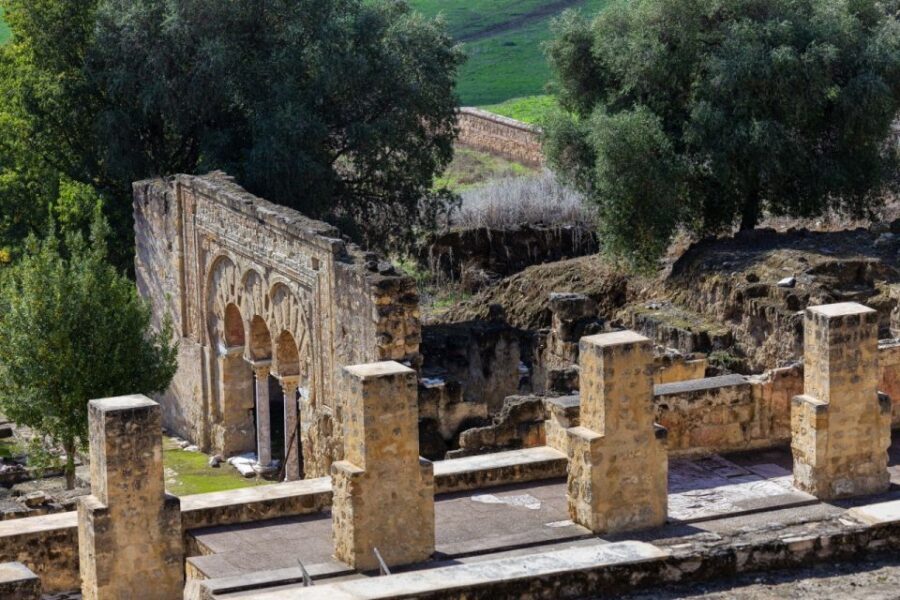
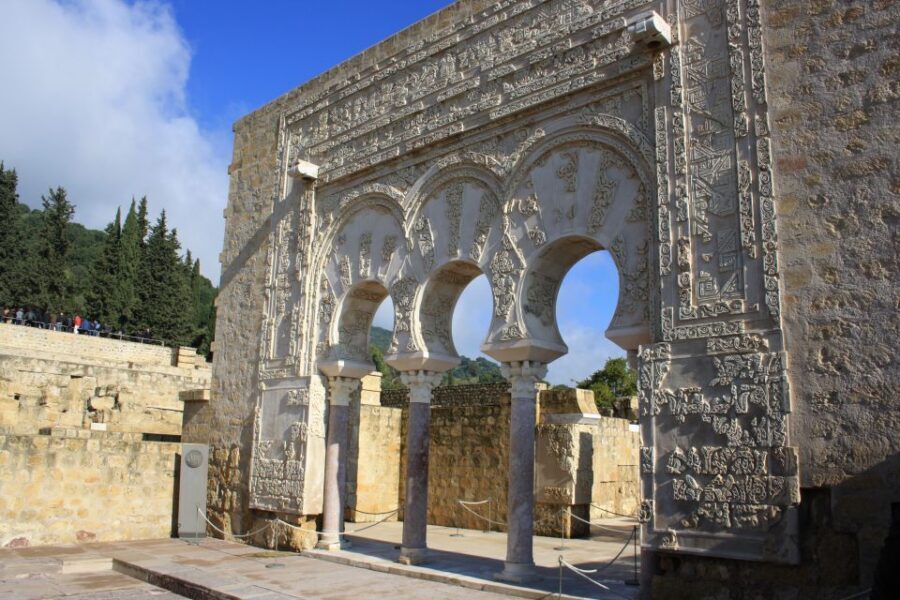
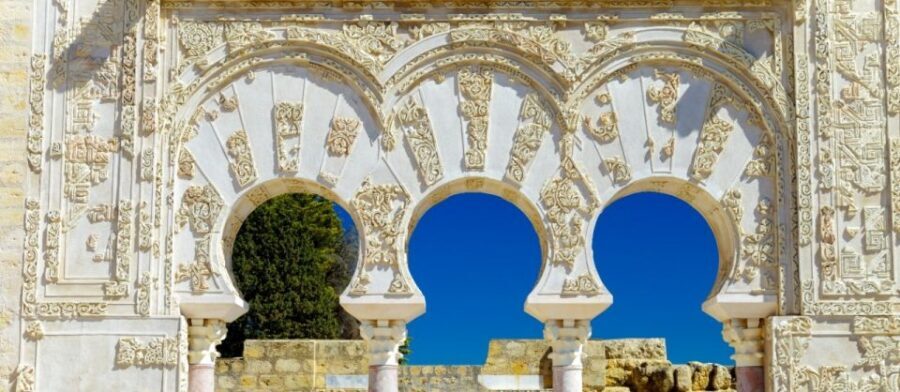
The heart of the tour is the guided visit around Medina Azahara’s archaeological area. This is where you’ll step back into the 10th century, guided through the parts of the site that can be visited.
Expect two things at this stage:
- Context first, so you know what you’re looking for.
- A guided route, so you’re not wandering around trying to figure out where everything is.
The guide’s job here is to connect the physical layout and surviving elements to the bigger idea of what Medina Azahara was. That’s what turns the ruins into more than a photo stop. You get the feeling of a planned, impressive city—why it was called bright, and what made it important in the era of Abderramán III.
One more practical note: the tour is only 3 hours total, so the pace stays active. You’ll be moving, listening, and walking from point to point. If you hate time-pressure, plan to arrive early and settle in before the tour starts.
Visitor Center Museum: 160 Original Pieces You Can Actually Interpret
After the archaeological walk, the tour shifts to the visitor center for the museum portion. This is where the experience becomes much easier to understand.
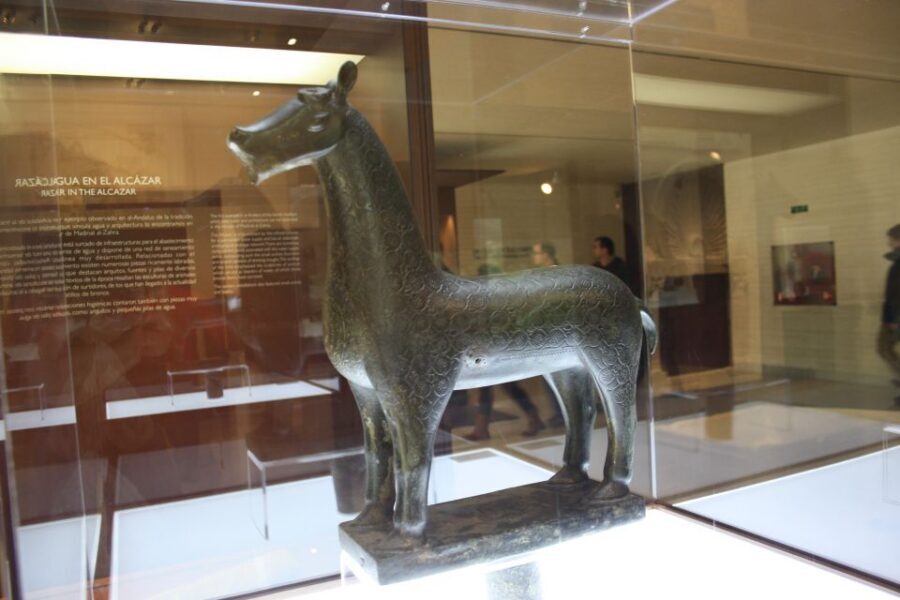
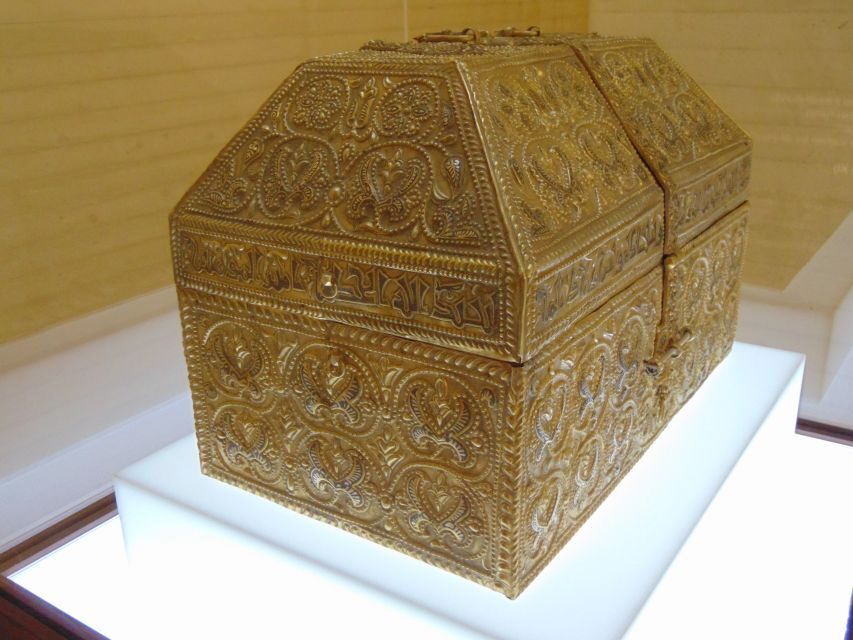
You’ll see a museum with more than 160 original pieces of Medina Azahara. The key word here is original. Instead of looking at reconstructions only, you get to focus on what was recovered and preserved.
Your guide will stay with you and point out the most important elements, which is exactly what you want if you’re not a specialist. These museum pieces can feel abstract when you’re on your own. In a guided setting, you learn what matters and how to read small clues—size, style, and how objects relate to the larger city story.
You also get a stronger sense of continuity. The outside ruins show you where things were in space. The museum helps you understand what survives in objects, materials, and preserved features, and why scholars can still piece together details about the city’s design and culture.
I also appreciated the emphasis on explanation quality in Spanish. Reviews highlight guides such as Carmen for making the historical period feel clear and engaging, and María del Carmen Moreno Gayoso for professionalism and strong historical knowledge. That’s a big deal here because the museum is the part where good interpretation changes the whole experience.
The Video Finale: Making the City Come Back to Life
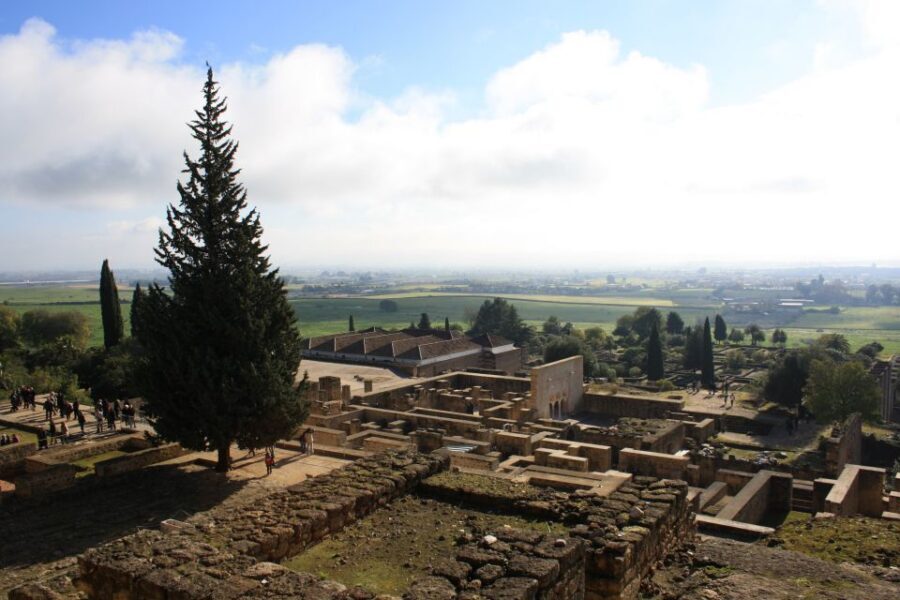
The visit ends with a video that represents Medina Azahara as it would have been in the 10th century. This is the part that can feel optional, but I think it’s more useful than it sounds.
Here’s why: after time in the ruins and the museum, your brain has the raw ingredients. The video gives you the “put it together” moment. You stop thinking only in terms of scattered remains and start seeing the city as a functioning place.
This is also a friendly reset. You’ve been outdoors and walking. A short indoor visual lets you absorb what you learned without the physical strain.
If you prefer a hands-on approach, you can still find value here because the video is tied directly to what you just visited. It’s not random sightseeing media; it’s meant to complete the narrative.
Other guided tours in Cordoba

Price and Value: Is $18 a Smart Deal?
At about $18 per person for a roughly 3-hour guided outing, this tour can be strong value, as long as it fits what you want that day.
What makes the price work:
- You get a local guide for the archaeological site and the museum.
- The tour includes monument entrance fee including VAT only for EU citizens.
- If you booked the Córdoba option, you may also have transport by bus included.
The biggest value lever is the guide. Medina Azahara is not the kind of site where you’ll automatically get meaning from looking around. A good guide turns your time into understanding—especially at the museum, where original pieces can be hard to interpret without help.
One consideration on cost: if you’re not an EU citizen, the entrance fee detail says inclusion is only for EU citizens, so you may want to check what you personally need to pay on top.
Also, there’s no food or drinks included. That doesn’t mean it’s expensive—it just means you should plan for your own water and a snack if your day is long.
What to Bring (and What to Wear) for a Comfortable Visit
This is an outdoor-first experience, so your preparation matters.
Bring:
- Comfortable shoes (the ground can be uneven)
- Sun hat
- Water
The tour info also suggests bringing drinks and wearing comfortable clothes and shoes. I’d take that seriously, because “comfortable” for this site isn’t about fashion—it’s about staying steady while walking and listening.
If you’re sensitive to sun, plan for it. Even if the morning starts pleasant, you’ll still be outside for the site portion, then inside for the museum and video.
Who This Tour Suits Best (and Who Should Rethink It)
This tour is a good match if you want:
- A guided look at Medina Azahara without needing to study beforehand
- A quick, organized plan that fits into a half-day
- Help understanding the ruins and museum pieces
- Spanish narration (live guide is listed as Spanish)
It’s also a strong choice for people who like history explanations with a clear teaching style. The feedback you get on guides like Carmen, María del Carmen Moreno Gayoso, and Mamen is consistent: they’re praised for explaining the era well and keeping attention from the start.
Who should rethink it:
- This tour is not suitable for people with mobility impairments.
- If you don’t speak Spanish, you may find the museum and site explanations harder to follow because the live guide is listed as Spanish.
Should You Book This Medina Azahara Tour?
I’d book it if you want a guided, efficient way to understand Medina Azahara instead of just walking around and hoping it clicks. The strongest reasons are the pairing of the archaeological visit with the museum stop, plus the fact that the guide stays with you long enough to make the artifacts meaningful.
If you’re short on time in Córdoba, this format makes sense. It’s long enough to cover the key parts, but not so long that it eats your entire day. And when the guide is doing well, the tour turns confusing ruins into a clear 10th-century storyline.
Skip it or approach with caution if:
- You need accessibility support (it’s not suitable for mobility impairments).
- You’re expecting food included.
- You don’t speak Spanish and you rely on guided explanation to get value.
If you’re in the right mindset—comfortable walking, ready to learn in Spanish, and excited by the Abderramán III era—this is one of those tours where spending the money on a guide usually pays off.
FAQ
How long is the Medina Azahara guided tour?
The duration is 3 hours.
Where do I meet the group?
The meeting point may vary depending on the option you booked (either meeting at Córdoba for the bus option or meeting directly at Medina Azahara).
Does the tour include bus transportation from Córdoba?
Bus from Córdoba to Medina Azahara is included only if you selected that option.
Is the museum visit included?
Yes. After the archaeological visit, you’ll go to the visitor center to see the museum.
How many original pieces are in the museum?
The museum includes more than 160 original pieces of Medina Azahara.
Is the entrance fee included?
Monument entrance fee including VAT is included only for EU citizens.
What language is the live guide?
The live tour guide is Spanish.
What should I bring?
Bring comfortable shoes, a sun hat, and water.
Is food and drinks included?
No. Food and drinks are not included.