Córdoba makes sense fast on two wheels. I love the small-group attention and the patios moments that make the city feel lived-in. One consideration: it’s a highlights loop, so you’ll get quick looks at big sights rather than long inside-the-museum time.
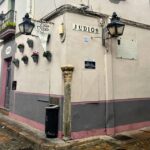
This tour is built for orientation. You’ll roll past landmarks like the Roman Bridge area and Torre Calahorra, then move into quieter neighborhoods where the city’s “best kept” feel shows up in courtyards and historic corners. And your guide, often Francisco, shares practical ideas for where to eat, drink, and what to chase next.
It’s also pretty user-friendly. Most people can join, the ride is planned for an easy flow, and e-bikes are available on request (though Córdoba is not hilly, so you’ll probably be fine without one). The tour starts and ends at C. Moriscos, 10, in the Centro area.
In This Review
- Key things that make this bike tour worth it
- Why this Córdoba bike loop is a smart first move
- Price and value: what $35.09 buys you in real terms
- Meeting point, timing, and how to plan your day
- Your stop-by-stop ride: what you’ll actually see and why it matters
- Fernandine Church San Lorenzo
- Guadalquivir River
- Roman Bridge (and the approach)
- Puerta del Puente
- Torre Calahorra
- San Basilio Patios quarter
- Alcázar de los Reyes Cristianos (Castle of the Christian Kings)
- Plaza del Potro
- Plaza de la Corredera
- Palacio de Viana
- Patios matter more than photos: how to enjoy the courtyard stops
- The guide’s role: Francisco-style storytelling and practical ideas
- Bikes, e-bikes, and family options that won’t break your plans
- What to bring (since snacks and coffee aren’t included)
- How to use the tour to plan the rest of Córdoba
- Should you book Bike Tour Córdoba?
- FAQ
- How long is the Bike Tour Córdoba?
- What does the tour cost?
- Is the tour offered in English?
- Where does the tour start and end?
- Is a bicycle included?
- Are snacks or coffee included?
- Are e-bikes available?
- Do you offer options for children?
- What if the weather is bad?
- How many people are on the tour?
Key things that make this bike tour worth it
- Small group size (max 8) keeps the pace relaxed and questions realistic.
- Courtyards and patio stops add charm beyond the usual monument photos.
- A tight 2-hour loop helps you get your bearings on day one.
- Guide-led local recommendations help you turn the tour into a smart plan for later.
- E-bikes and child options are available when you need them.
Why this Córdoba bike loop is a smart first move
Córdoba is one of those cities where the streets have layers. A walking tour can show you a lot, but a bike tour changes the rhythm. You cover more ground, hit more neighborhoods, and still stop often enough to actually absorb what you’re seeing.
This tour is also designed around the reality of travel days. Two hours is short, so it works when you’re jet-lagged, short on time, or trying to avoid spending your whole first day in line queues. You’re left with a mental map of where things are and what they mean, so your later exploring feels focused instead of random.
I especially like that the route mixes postcard sights with calmer residential texture. You get the big civic anchors, then you drift into courtyard culture. That combo helps Córdoba feel like a city you can return to, not a checklist you sprint through.
Other bike and e-bike tours we've reviewed in Cordoba
Price and value: what $35.09 buys you in real terms
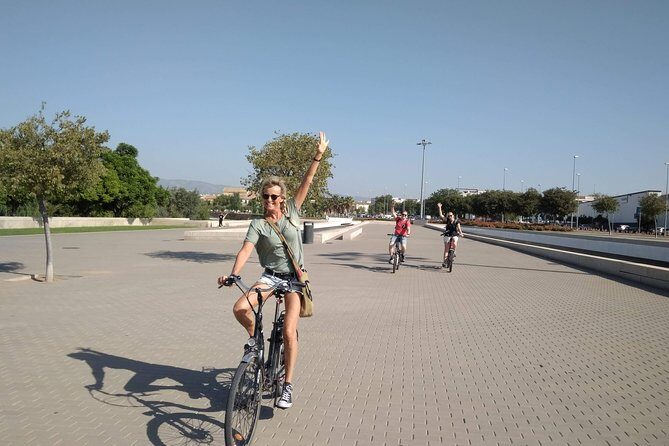
At about $35.09 per person for around 2 hours, the value comes from three things: the bike is included, the group stays small, and the guide is doing more than reciting facts.
Bike included matters. Rentals add up fast in European cities, and having a bike waiting for you removes friction. Small group size matters too. With up to 8 travelers, you’re more likely to get clear answers, quick help if you’re unsure on cobbles, and better back-and-forth during stops.
The third value piece is the local lens. The tour highlights where to go next for food and drink, plus what to explore later. When you’re in a place like Córdoba, that kind of advice often saves more time than another hour of sightseeing.
Optional add-ons are extra. For example, e-bikes cost €10 on request, but the city is described as not very hilly, so most people won’t need it. Child options are also available with set pricing (child seats and child bikes), which can make family travel easier to budget.
Meeting point, timing, and how to plan your day
The ride starts at C. Moriscos, 10, Centro, Córdoba and ends back at the same point. That matters. You don’t have to figure out a last-mile return to a hotel or wait around for a pickup later.
You can choose a morning or afternoon time slot. Pick based on your energy and weather. This experience requires good weather, and rain can shut down cycling plans. If the day looks questionable, it’s worth reserving for a time when you’re hopeful the streets will be dry.
A mobile ticket is used, which keeps things simple. You won’t need a printed pass, and you can plan around that with less hassle.
Your stop-by-stop ride: what you’ll actually see and why it matters
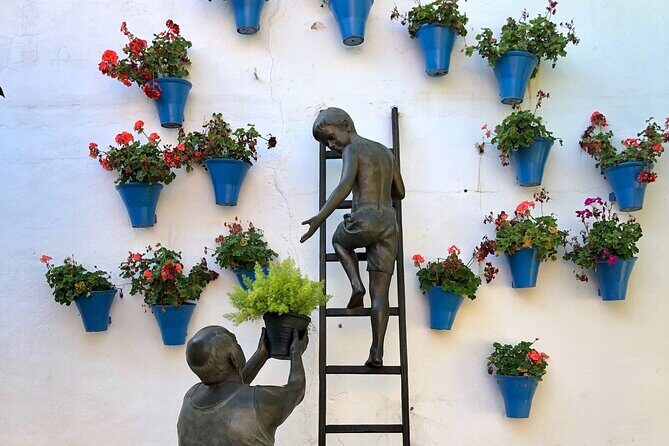
This is a highlights-style circuit, so think short stops, photo chances, and quick context. Here’s how the key parts fit together.
Fernandine Church San Lorenzo
You’ll start by getting your bearings with historic architecture and local storytelling. Church exteriors and nearby streets are often where Córdoba’s history feels most tangible, because you can see how the city grew around religious and civic life.
A practical note: these early stops are usually where you learn what to watch for later. I’d treat it like your orientation training wheels.
Other cycling tours in Cordoba
Guadalquivir River
The Guadalquivir River area gives you a big-picture sense of geography. When you understand where the river sits, the rest of Córdoba starts making spatial sense. It also helps to connect the city’s past to the flow of trade, power, and settlement.
Don’t plan on a long riverside break here. Expect it as part of the “glance, learn, move” rhythm.
Roman Bridge (and the approach)
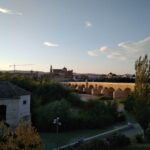
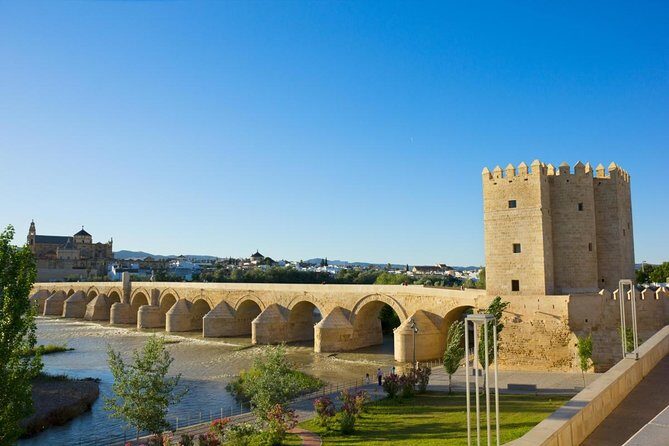
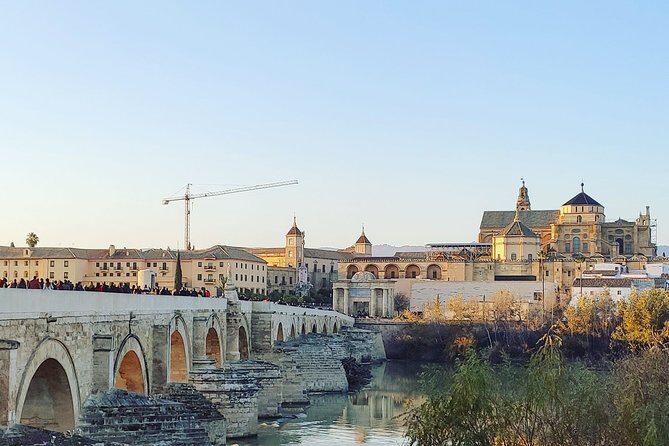
The Roman Bridge zone is one of Córdoba’s signature moments. Even without going inside anything, the bridge viewpoint tells you a lot: how routes crossed the river, where movement concentrated, and why certain neighborhoods became important.
If you like views, this is where the tour pays off. If you’re sensitive to crowds, go in calmly—this is a highlight area, so expect it to be busy.
Puerta del Puente
Right by the bridge area, Puerta del Puente adds the “city gateway” feel. It’s one of those structures that helps you understand Córdoba as a fortified, controlled space, not just a pretty postcard.
This stop works as a bridge between the dramatic river crossings and the more intimate old-city corners you’ll see next.
Torre Calahorra
Torre Calahorra is a key piece for visualizing defensive architecture. Tower and river make sense together here. You get a feel for how power was watched, controlled, and protected.
In a short tour like this, the goal isn’t to read every stone. It’s to understand what the tower represents so you can spot its logic later as you explore on your own.
San Basilio Patios quarter
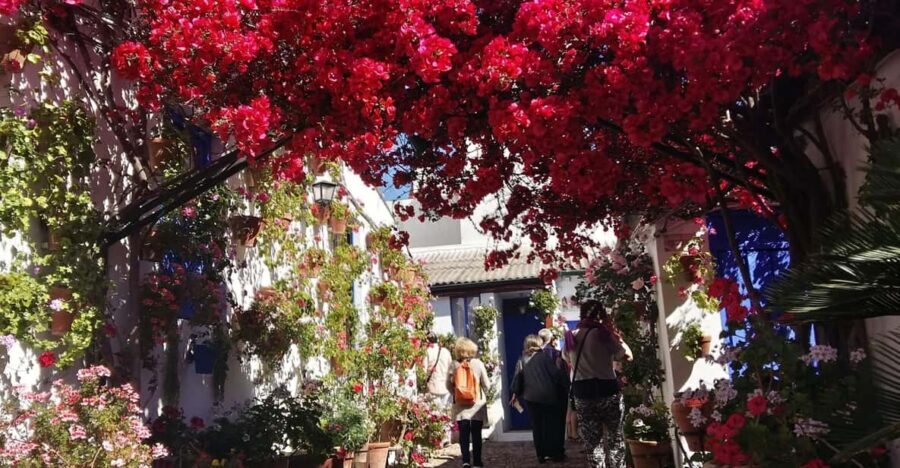
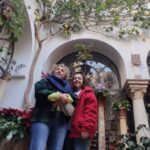
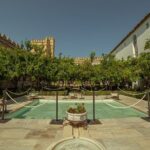
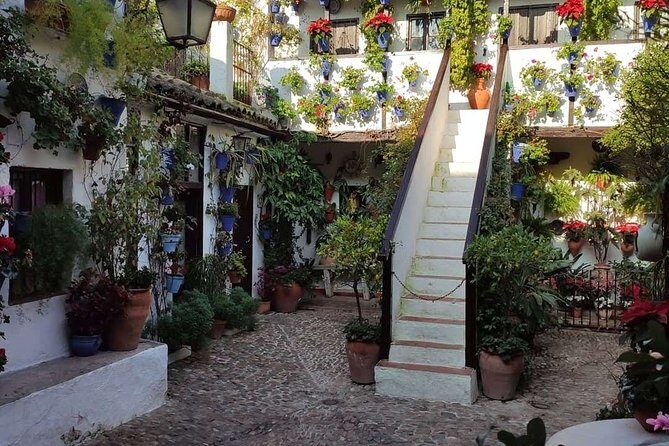
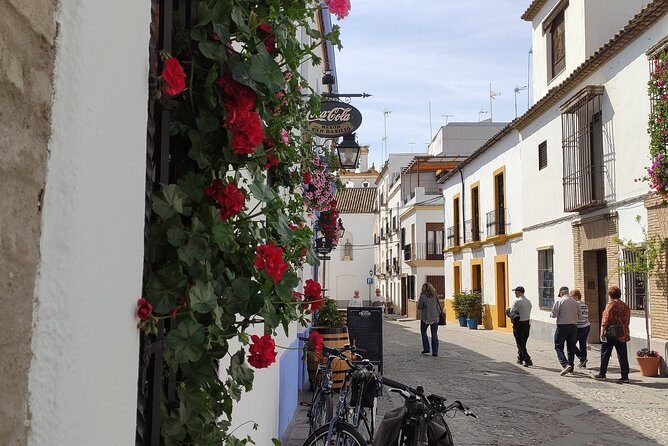
Now you shift into Córdoba’s courtyard culture. The San Basilio Patios quarter is where the city stops feeling like monuments and starts feeling like everyday life—cool shade, hidden corners, and the patio tradition that makes Córdoba famous.
A good consideration: patio stops can be visually compact. You might get time to look closely, but it’s not designed as a long, sit-down visit.
Alcázar de los Reyes Cristianos (Castle of the Christian Kings)
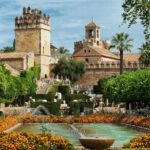
The Alcázar de los Reyes Cristianos stop is your classic “this is why Córdoba mattered” moment. A castle setting frames the city’s history around rulership, defense, and control.
What’s nice is that the context sticks. After the tower and bridge stops, the castle doesn’t feel random. It feels like the logical endpoint of the same story: who held power and how they protected it.
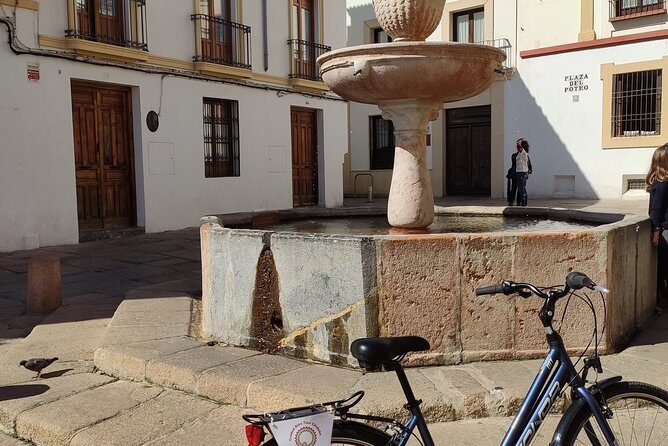
Plaza del Potro
Plaza del Potro brings you into a lively public square feel, which helps balance the more vertical or fortress-style stops. It’s the kind of place that gives your brain a breather: open space, street energy, and a sense of local daily rhythms.
This is also a helpful stop for photos because the framing is easier than it is in tight cobbled lanes.
Plaza de la Corredera
Then you move into Plaza de la Corredera, another major square that reinforces Córdoba’s “gathering spots” pattern. Squares are where plans happen—markets, meetings, and the kind of social energy that keeps a city from turning into a theme park.
Because this is a bike tour, you’re not lingering forever. But you’ll get enough to remember where to return if you want the slower café pace.
Palacio de Viana
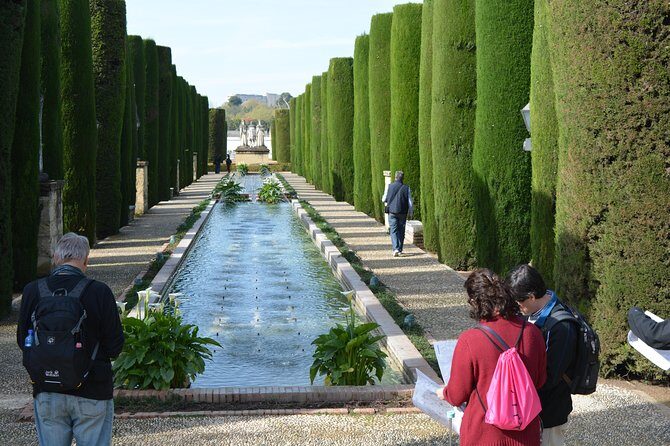
The Palacio de Viana stop is where courtyard culture peaks. You’ll see how patios function like little worlds inside the city. This is the kind of place that makes Córdoba feel personal, because it’s not only about who ruled—it’s also about how people lived.
Time inside can be limited on a 2-hour highlights route. Still, it’s one of the strongest reasons to pick this format instead of a pure walking loop.
Patios matter more than photos: how to enjoy the courtyard stops
Córdoba’s patio tradition isn’t just decorative. It’s an entire social habit, and patios are where you understand comfort in a warm Mediterranean climate. They’re also where the city’s layers show up in a small space: architecture, plants, water, and community pride.
On this tour, patios are a headline part of the schedule, so you’ll get more than a quick glance from a street corner. I love that the guide doesn’t treat them like a generic “pretty garden” stop. You’re usually given enough context to notice what makes a patio special, not just what it looks like.
Practical tip: wear sunglasses and keep your camera handy. Courtyards can shift from bright street light into shaded interiors fast, and the contrast is where the best details live.
The guide’s role: Francisco-style storytelling and practical ideas
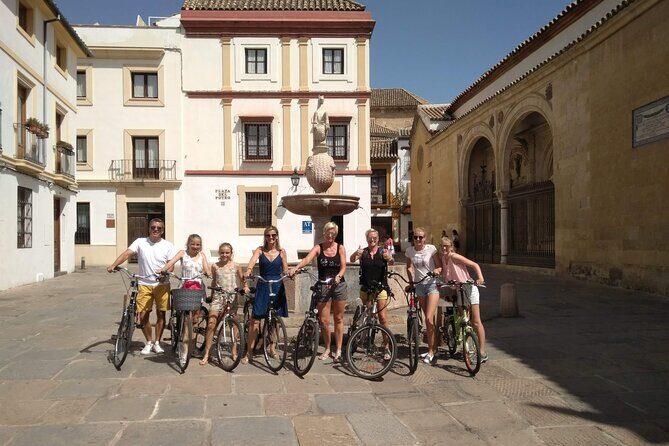
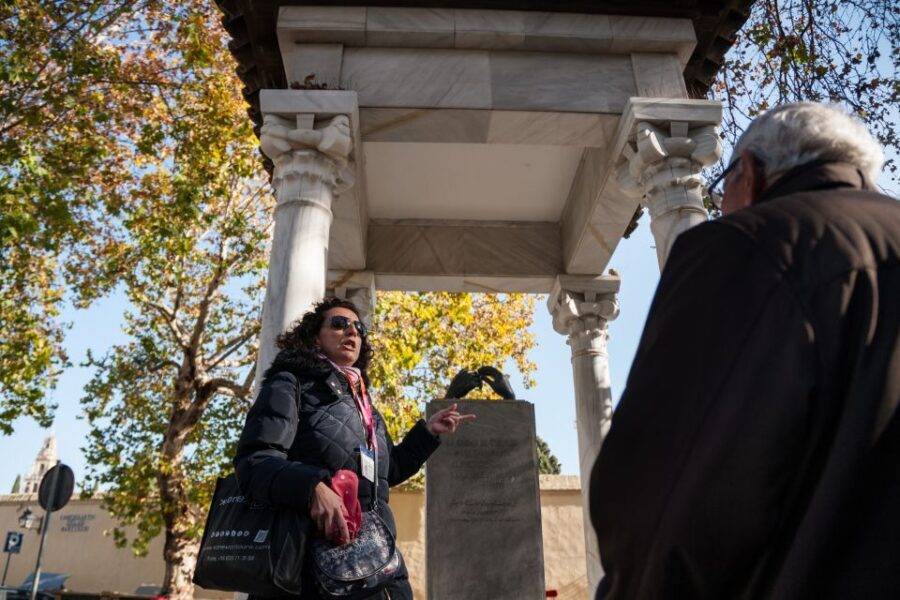
A good bike guide does two jobs: keeps the ride safe and makes the city legible. This tour leans hard into the second job.
Francisco is often named in accounts of the tour, and the common thread is that he combines city history with personal, useful suggestions. You’ll get guidance on where to eat and drink, plus ideas for what to explore after your loop.
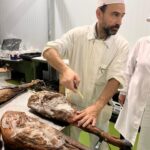
One bonus detail: Francisco is also connected to a wine shop and can help you book a wine tasting experience. If that sounds like your kind of evening, you’ll appreciate having a local link instead of guessing where to start.
As for pacing, the tour is built to balance information with movement. You won’t spend the whole time listening, and you won’t spend the whole time biking with nothing to learn.
Bikes, e-bikes, and family options that won’t break your plans
Córdoba is not described as hilly, and that affects bike choices. E-bikes are available on request for an additional €10, but many people won’t need them.
Still, it’s nice to know the option exists. If your legs are tired, you’re not an experienced cyclist, or you just want an easier spin, you can plan without stress.
Bikes are included, and at least some riders mention the bikes feel sturdy and easy to use. That’s important because street surfaces can vary, and you want equipment that feels dependable.
Family travel options are also spelled out:
- Child seats are available up to 22 kg for €5.
- Child bikes are available on request starting from 6 years.
Also, the group is capped at 8, which helps with safety and coordination when you have kids on board.
What to bring (since snacks and coffee aren’t included)
Snacks and coffee/tea are not included, so you’ll want to plan your timing around that. If you know you get hungry quickly, grab something before you meet.
Water helps too, especially if you’re out in the sun. The tour is short, but you’re still outside and moving between stops.
Wear closed-toe shoes that handle cobbles. Even if the city is not hilly, old streets can be rough under wheels.
How to use the tour to plan the rest of Córdoba
This tour works best as a day-1 or day-2 anchor. You come in, you learn the layout, then you decide what to revisit slowly.
Here’s a simple way to use it:
- During the ride, note which stop you liked most: bridge views, fortress feel, or courtyard patios.
- After the tour, go back to your favorites first.
- Use the guide’s restaurant and drink suggestions to avoid spending your first night searching.
Because you’ll see both major sights and smaller neighborhoods, you’ll also start to recognize the city’s “feel” as you walk later. That makes it easier to wander without ending up far from the places you care about.
Should you book Bike Tour Córdoba?
Book it if you want a fast, friendly orientation and you like learning while moving. It’s especially strong for first-time Córdoba visits, tight schedules, and people who want more than a walking tour covers in the same time window.
Skip it or choose a different format if you care most about long interior visits. This is not a slow museum day. It’s a highlights circuit with short stops, so you should expect brief looks rather than extended time inside.
If the weather is doubtful, keep an eye on forecasts. This experience needs good weather, and cycling plans depend on it.
FAQ
How long is the Bike Tour Córdoba?
It runs about 2 hours (approx.).
What does the tour cost?
The price is $35.09 per person.
Is the tour offered in English?
Yes, it is offered in English.
Where does the tour start and end?
It starts at C. Moriscos, 10, Centro, 14001 Córdoba, Spain and ends back at the same meeting point.
Is a bicycle included?
Yes. Bicycle use is included.
Are snacks or coffee included?
No. Snacks and coffee and/or tea are not included.
Are e-bikes available?
Yes, e-bikes are available on request for €10, depending on availability. The city is described as not hilly, so they may not be needed.
Do you offer options for children?
Yes. Child seats are available up to 22 kg for €5. Child bikes are available on request from 6 years.
What if the weather is bad?
This experience requires good weather. If it’s canceled due to poor weather, you’ll be offered a different date or a full refund.
How many people are on the tour?
The tour has a maximum of 8 travelers.