REVIEW · CORDOBA
Tour bicicleta a Medina Azahara
Book on GetYourGuide →Operated by Elektrik bikes · Bookable on GetYourGuide
E-bikes make ancient ruins feel close. In 4 hours you roll from Cordoba toward Medina Azahara, then follow a mostly flat bike trail out through fields and a canal before returning the same way on electric bikes. I love the mix of real countryside riding and guided context, and I love the structured stop at the free museum before you see the actual site. The main thing to watch: the museum time can feel short, and if the film moment isn’t your favorite, that indoor stop may drag.
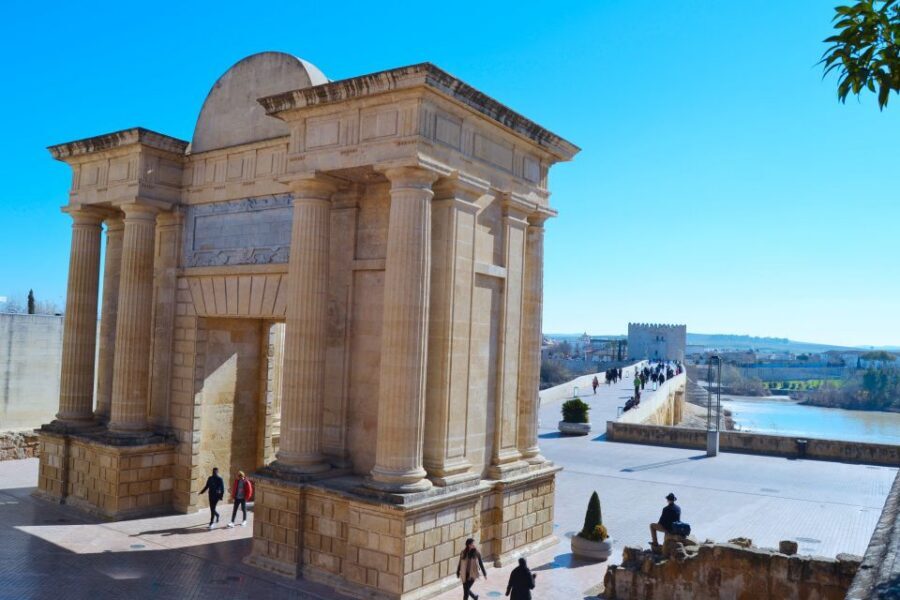
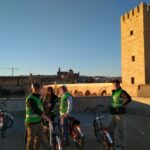
You meet at the electric shop behind the city hall, close to the Roman temple, and the group stays small (10 people max), which keeps the ride friendly instead of crowded. This is a guided tour in English, with a guide who can also speak Spanish—useful if you’re more comfortable asking a question in Spanish.
In This Review
- Key things that make this ride work
- From the Roman Temple Meeting Point to a Canal Ride Outside the City
- The Free Museum Stop: Quick Context Before You See the Real Site
- Cycling Up to Medina Azahara Ruins: Seeing the Power of the Caliphate
- 4 Hours on an E-Bike: Pace, Terrain, and What to Expect Day-of
- Your Guide Matters: What Makes the Tour Shine (and Where It Can Fall Flat)
- Price and Value: Why $53 Can Be Worth It
- Who Should Book This Bike Tour (and Who Might Skip)
- Should You Book the Tour?
- FAQ
- Where is the meeting point?
- How long is the tour?
- What does the price include?
- What size is the group?
- What languages is the tour offered in?
- Is the ride difficult?
- Is the museum stop included?
- Is there free cancellation?
- Does the tour have reserve now, pay later?
Key things that make this ride work
- Electric assist for an easy pace: help is dialed up on the bike, so the route feels manageable even when the road tilts.
- A guided arc from town to countryside: you get comfortable moving in Cordoba before you leave the busy streets.
- Free museum context first: you see how the caliphate capital fits together before walking the ruins.
- Mostly flat riding with a couple of tougher moments: one steep stretch shows up, but the e-bike support takes the sting out.
- Small group energy: capped at 10, so Jorge-style questions and explanations actually land.
From the Roman Temple Meeting Point to a Canal Ride Outside the City
This tour starts in an easy-to-find spot: an electric shop behind the city hall, near the Roman temple. That matters more than you’d think. If you arrive early and get your bearings, you waste less time fiddling with helmets, bags, and bike adjustments—and you can get moving with confidence.
Once you’re on the bike, the route is designed to feel like a transition. You roll around Cordoba first, then move toward the countryside. That sequencing is smart because it helps you learn the bike’s rhythm before the longer open-air part of the trip. In real terms: you’re not dropped immediately into a long stretch of wind and silence. You get a warm-up in town, then the ride loosens up.
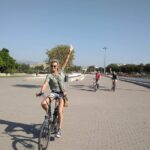
Then comes the scenery shift. The ride heads to the bike trail in the fields, and the path follows a river channel. You cross open areas on the outskirts where the air feels different from the old-city streets. Expect it to be mostly flat—one review called out about 40 minutes on the e-bike in that section—so you can focus on the view and the guide’s explanations instead of working too hard.
Other Medina Azahara tours we've reviewed in Cordoba
The Free Museum Stop: Quick Context Before You See the Real Site
The tour builds in a history checkpoint at the Medina Azahara museum, and it’s a big part of why this route makes sense. The museum is free, and the goal is to give you the basics so the ruins don’t look like random piles of stone.
In practice, you’ll get a guided introduction, with a short film/animation component that explains how the site worked in its prime. For many people, that’s the difference between seeing architecture and understanding it. You learn what the capital of the caliphate meant, and how the place connects to the larger story of Cordoba.
There are two timing realities to be aware of. First, the museum portion can feel a bit rushed. Second, the museum’s film moment can make or break your mood—one participant found it less engaging (especially if the film couldn’t be fully viewed), and that changed their take on the stop. If you’re the type who wants to linger with exhibits, plan to treat this as an intro, not a full museum day.
My advice: treat the museum like a pre-game. You’re there to get the main terms and a mental picture, so the ruins later feel like a chapter you already started reading.
Cycling Up to Medina Azahara Ruins: Seeing the Power of the Caliphate
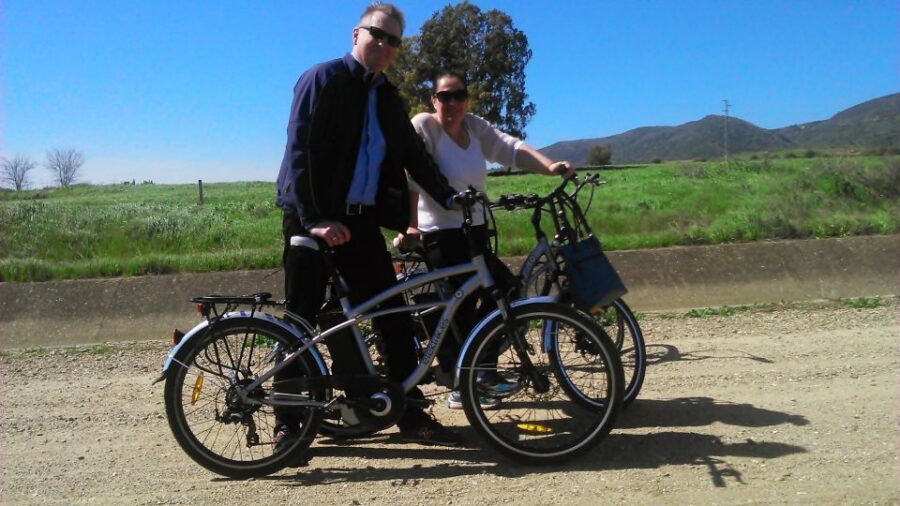
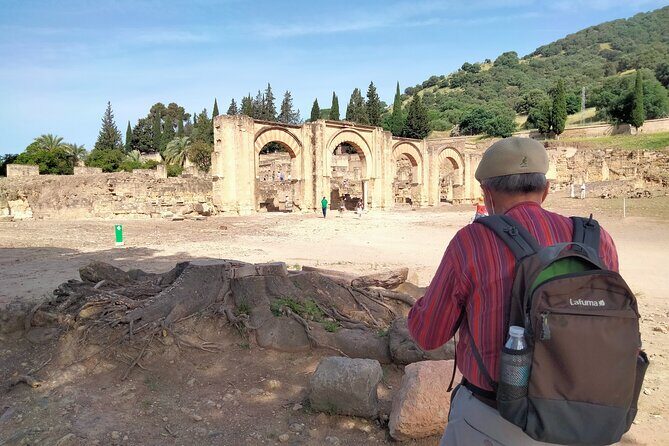
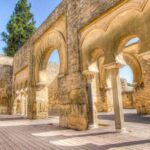
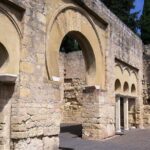
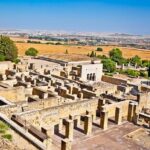
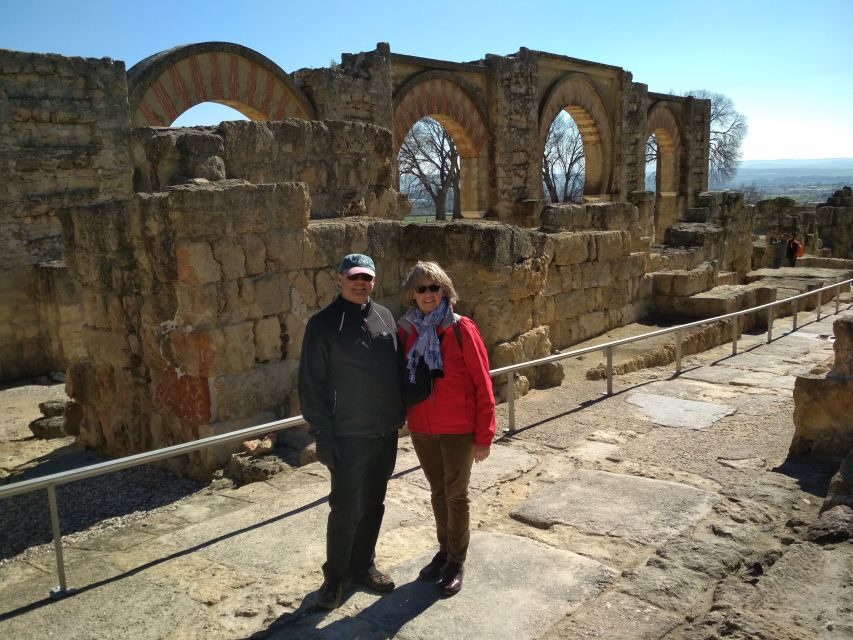
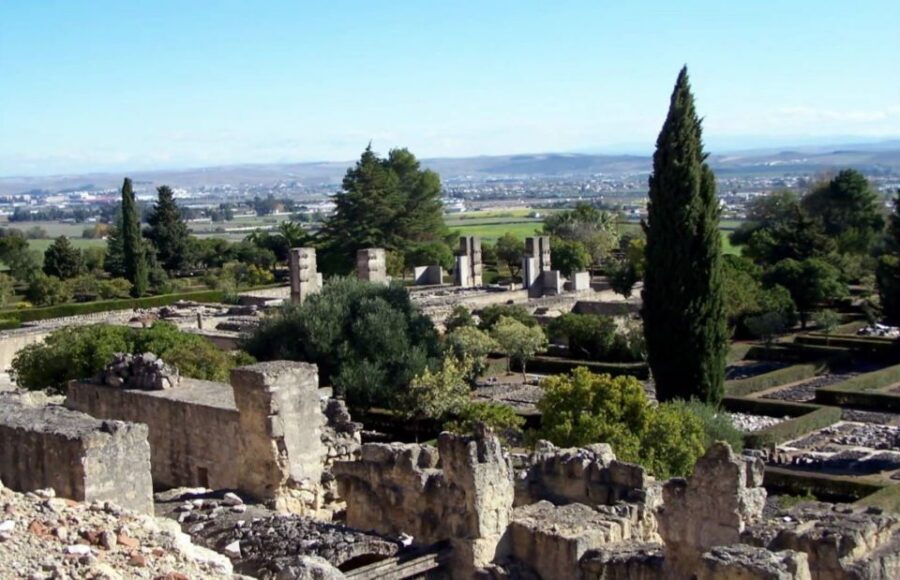
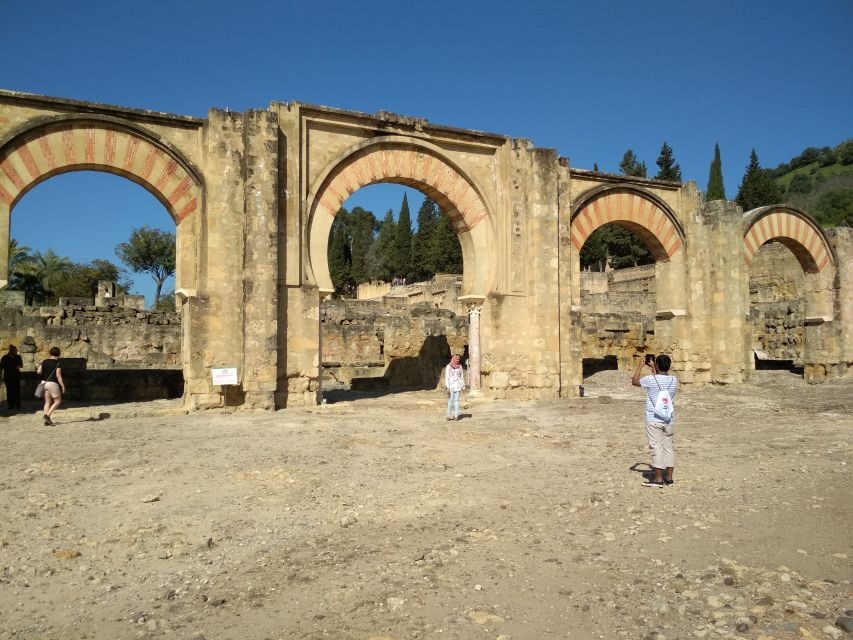
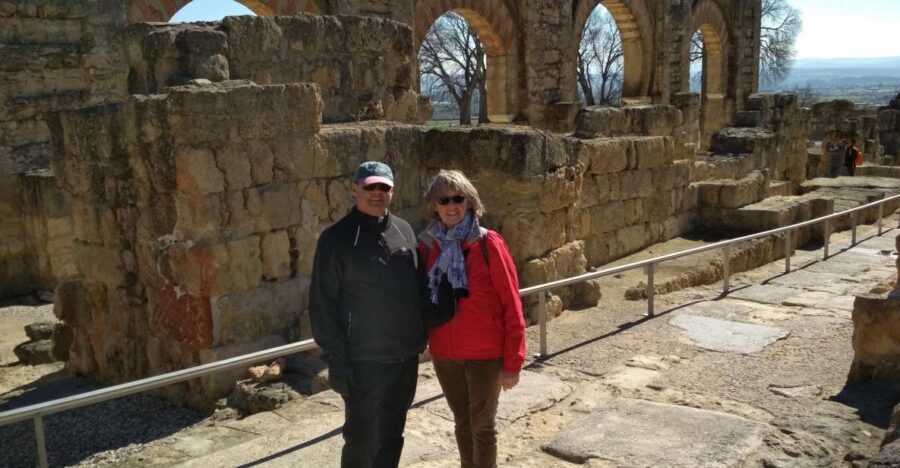
After the museum, you cycle again to the ruins where the story becomes physical. This is the moment most people came for: the citadel ruins of Medina Azahara and the scale of what once was a political center.
What I like about the way this tour sequences things is that it sets you up to notice details. Instead of arriving cold, you already know what to listen for: the idea of Medina Azahara as the capital of the caliphate, the sense of intended grandeur, and how the site layout connects to those ambitions.
The ride there has a little attitude. Even with electric bikes doing the heavy lifting, there can be a steep stretch on the approach. That said, the e-bike support makes it a breeze for most people—one review specifically noted that the route up can be steep but not hard with the right boost level. Translation for you: don’t worry if you’re not a hardcore cyclist. The assistance is part of the design.
Once you reach the ruins, you get time to see what’s left and understand what those ruins represent. This tour also respects your attention span. It doesn’t turn the day into a lecture marathon. You get guidance, you move, and the setting does the heavy lifting.
4 Hours on an E-Bike: Pace, Terrain, and What to Expect Day-of
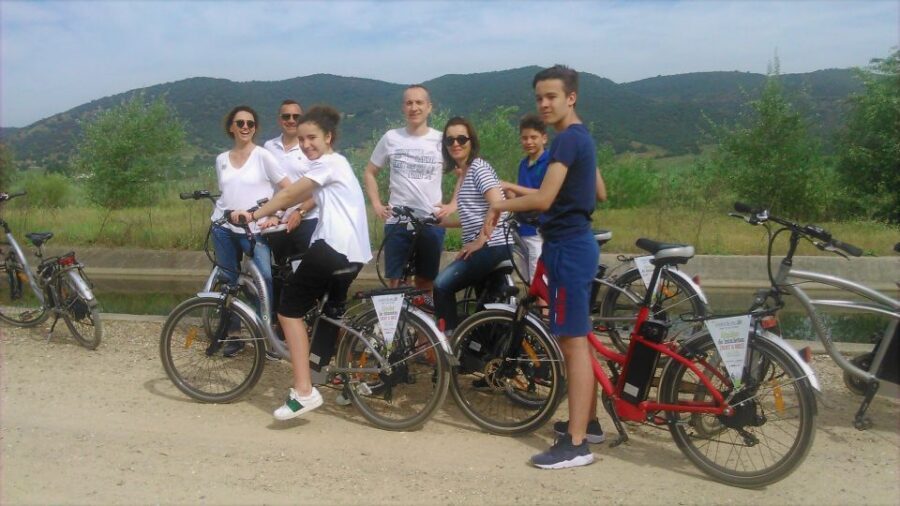
The whole experience is about 4 hours, and that time is used in a practical way: ride, museum, ride, ruins. A lot of shorter tours try to cram too much. This one feels tuned for a “fit and informed” outing rather than a rushed sprint.
Terrain-wise, you’re in for a mostly comfortable day. One participant described the ride outside Cordoba as fun and mostly flat, with the canal path and fields making for easy rolling. Another review echoed the same shape: roughly 40 minutes out, then 40 minutes back on flat terrain.
Still, don’t expect every meter to be totally gentle. There’s that steep approach mentioned earlier, and it can affect how you feel halfway up. If you’re worried, here’s the good news: you control the bike’s boost. One review noted that the assistance level can be dialed up quite high. So even if your legs get tired, the bike support can keep the ride pleasant.
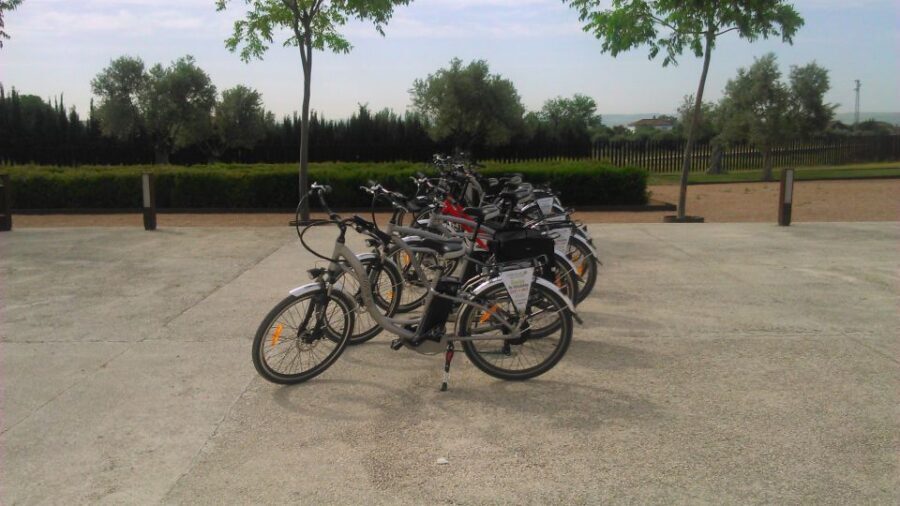
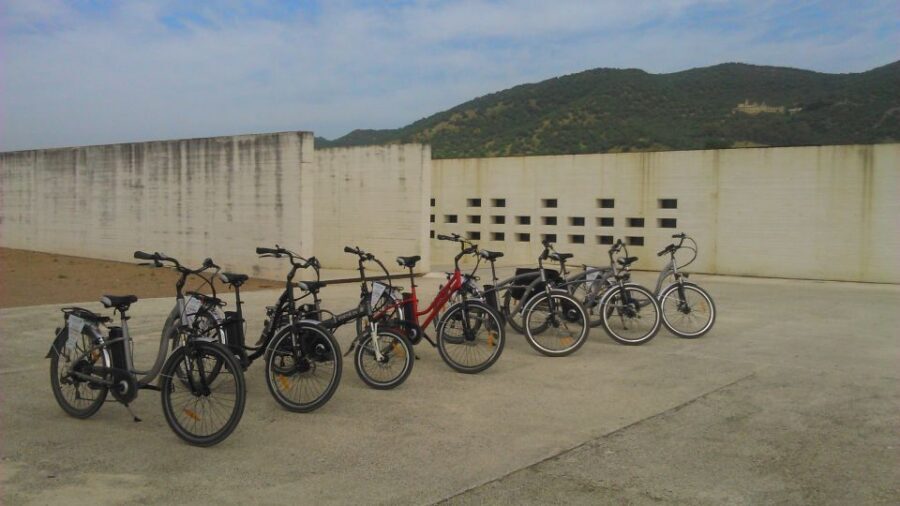
Group size is another quiet advantage. With a max of 10 participants, the guide can handle safety checks, answer questions, and keep the group together without the constant stop-start that happens on bigger tours. Helmets are provided and you’ll wear one, and there’s a lock and travel bag included—nice details that reduce stress when you arrive ready to ride, not ready to hunt for gear.
Your Guide Matters: What Makes the Tour Shine (and Where It Can Fall Flat)
A guided ride lives or dies by explanation quality. The good news: the guide experience here tends to be strong. In one review, the guide named Jorge stood out as fun and knowledgeable, and the group appreciated both the history context and the friendly energy.
There’s also a second, more cautious lesson. Not every guide hit the same level for every person. One review felt the guide didn’t have enough depth to deliver a truly standout commentary during the walk. That doesn’t mean you’ll get that; it just means your satisfaction may depend on the specific guide that day.
So how do you protect yourself as a visitor? Use simple tactics. Ask one or two focused questions about the caliphate and what you’re looking at in the ruins. If your guide has the answers, you’ll immediately feel the difference. And if you don’t, you can still enjoy the structure: museum first, then ruins, with the ride doing much of the storytelling through setting.
Also, since the tour is in English, you can ask in English for sure. And the guide also speaks Spanish, so if you’re bilingual and want to clarify a point, that can help.
Other bike and e-bike tours we've reviewed in Cordoba
Price and Value: Why $53 Can Be Worth It
At $53 per person for 4 hours, you’re paying for three things in one bundle: a guided outing, an e-bike ride, and a museum introduction that’s free to access. You’re not just buying movement—you’re buying context so the ruins make sense faster.
Here’s where value really shows. A bike ride to the countryside can turn into a logistical headache: finding bikes, dealing with locks, and guessing how to structure the day. This tour handles the basics. You get helmets, plus a lock and travel bag, so you can stop without extra hassle. You also keep your day compact, which matters in Cordoba when you’re juggling other sights.
The ride itself is part of the price justification. You’re outside the busy streets, following a path with canal scenery, then getting back to the ruins with a guided rhythm. If you enjoy active sightseeing—even lightly active—this price feels fair for what you get.
Who Should Book This Bike Tour (and Who Might Skip)
This is a strong match if you want history without sitting still all day. If you like outdoor time and you’re curious about Medina Azahara as the caliphate capital, the sequence here is built for you: museum intro, then ruins with a guide, all connected by an easy-to-handle e-bike ride.
It also fits families and mixed groups better than you might expect because the tour includes a child seat. That can be a big deal if you’re traveling with kids and want to avoid splitting your day into separate plans.
You might consider skipping—or at least going in with the right expectations—if you’re the type who wants a long, slow museum experience. The museum stop can feel rushed, and the film portion may not work for everyone in the same way. This isn’t a full museum day. It’s a connector day.
Finally, if you’re very sensitive to the idea of cycling, remember that while the overall ride is mostly flat, there is a steep approach segment. The e-bike helps, but you should still be comfortable riding and braking steadily.
Should You Book the Tour?
If you want a practical way to reach Medina Azahara without turning your day into a transport puzzle, I’d book this. The small group, the guided museum-to-ruins flow, and the mostly flat countryside cycling make it an efficient and fun use of half a day.
Book it especially if you’ll enjoy learning as you move—Cordoba first, then fields and canal paths, then the ruins with context. If you dislike indoor segments or expect a slow museum visit, go anyway but treat the museum as a fast primer, not your main event.
FAQ
Where is the meeting point?
You meet at the electric shop behind the city hall, close to the Roman temple in Cordoba.
How long is the tour?
The duration is 4 hours.
What does the price include?
Helmets, a child seat, a lock, and a travel bag are included.
What size is the group?
It is a small group limited to 10 participants.
What languages is the tour offered in?
The guide offers Spanish and English, but the tour itself is only available in English.
Is the ride difficult?
The ride is designed to be easy and eco-friendly, with mostly flat terrain on the trail. There may be a steep stretch on the way up to the site, but the e-bikes make it manageable.
Is the museum stop included?
You’ll visit the Medina Azahara museum as part of the tour, and it’s described as a free museum stop before heading to the ruins.
Is there free cancellation?
Yes, you can cancel up to 24 hours in advance for a full refund.
Does the tour have reserve now, pay later?
Yes. You can reserve now and pay later to keep your plans flexible.