REVIEW · CORDOBA
Cordóba: Gardens & Fortress of Catholic Monarchs Guided Tour
Book on GetYourGuide →Operated by Konexion Tours · Bookable on GetYourGuide
A palace-fortress with a prison past. This guided walk in Córdoba turns the Fortress of Catholic Monarchs into a clear story you can actually follow on your feet. You’ll look at the rooms connected to the Catholic Monarchs, then step into the gardens where the whole complex sits on earlier layers of power.
What I especially like is how the tour focuses on two big, practical things: the royal residence spaces (not just photos from outside) and the formal garden grounds tied to the palace-fortress setting. One thing to consider: the fortress interior can be affected by restoration work, so your guide may adjust what you see and how.
In This Review
- Key Points at a Glance
- A Fortress That Got Reused Again and Again
- Meeting at Avenida del Alcázar: Getting There Without Stress
- Entering the Alcázar: What You’ll See in the Royal Quarters
- The Garden Side of Córdoba: Where the Palace-Fortress Breathes
- When Restoration Changes the Plan (And What Your Guide Can Do)
- UNESCO Context Without the Lecture
- Avenue of the Monarchs: A Simple Way to Learn Names Fast
- Price and Value: What $35 Buys in Real Terms
- Who This Tour Is Best For
- Should You Book This Córdoba Tour?
- FAQ
- Where is the meeting point for the tour?
- How long does the guided tour last?
- What’s included in the price?
- Do I need to buy tickets in advance?
- What languages are available for the live guide?
- What should I bring and what should I avoid?
- Is transportation or food included?
Key Points at a Glance
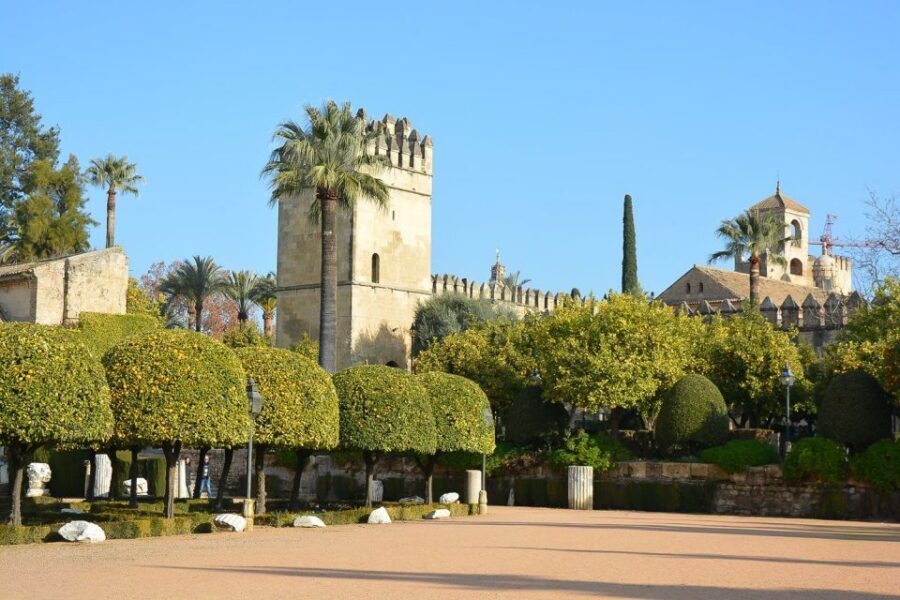
- A palace-fortress story in one walk: Catholic Monarchs → Holy Offices → prisons → military use
- UNESCO-linked setting in Córdoba: historical monument status plus a World Heritage area
- Avenue of the Monarchs statues: you can connect the people to the place as you walk
- Gardens with protected status: town planning laws have protected them since 1986
- Flexible substitutions when interiors are closed: guides may reroute to other nearby highlights
A Fortress That Got Reused Again and Again
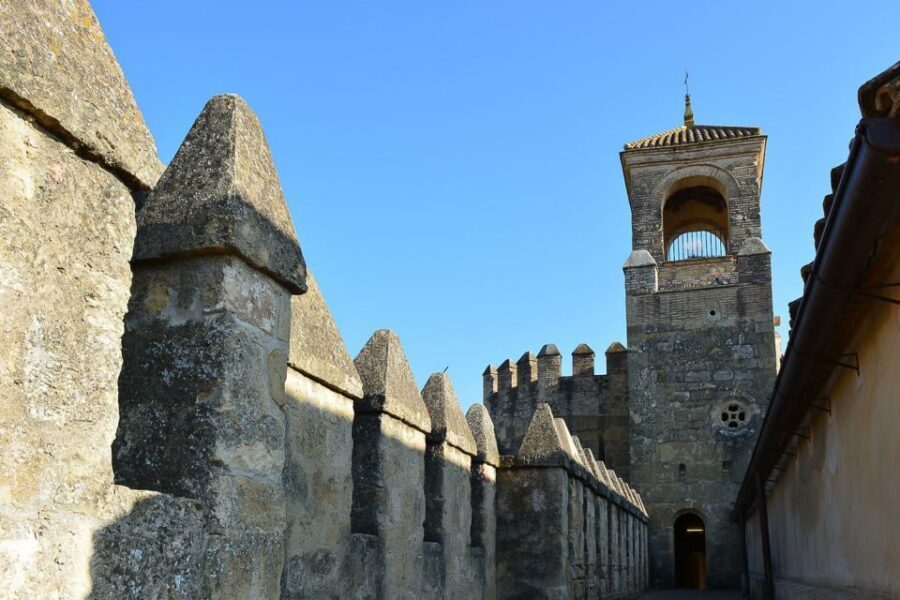
The Alcázar of the Christian Monarchs in Córdoba isn’t just a “pretty old building.” It’s a rare kind of place where the same walls served rulers, courts, and confinement. First, it was the residence connected to the Catholic Monarchs. Later it became linked to the Courts of the Holy Offices, then functioned as a civil prison and eventually a military prison. When you know that sequence, the fortress stops being a static monument and becomes a living timeline.
What makes this tour work well is that it doesn’t ask you to memorize dates. Your guide points out what you’re looking at, then ties it back to the complex’s different roles over time. And the location adds weight: the fortress sits on the remains of the former caliph’s palace. That layered foundation is a big reason Córdoba history feels so physical.
Other Alcazar tours we've reviewed in Cordoba

Meeting at Avenida del Alcázar: Getting There Without Stress
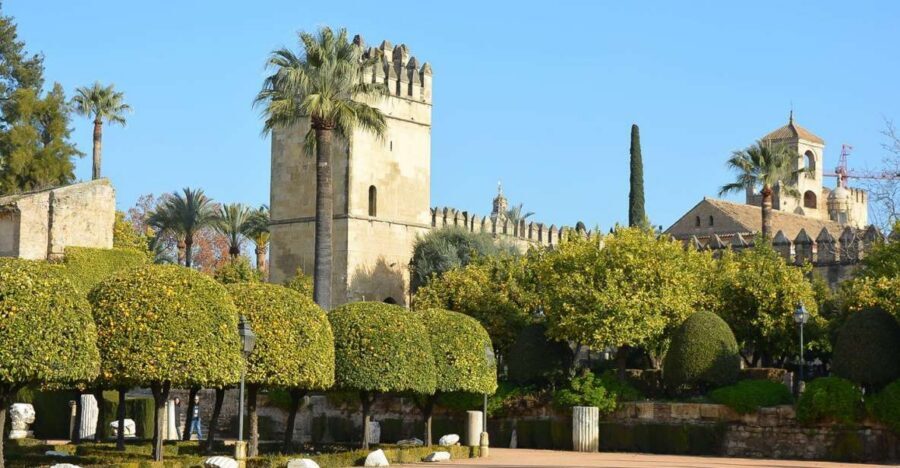
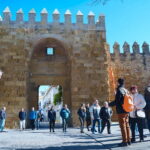
You meet at the main door of the Fortress of Catholic Monarchs on Avenida del Alcázar, right by the river. That matters because Córdoba’s old core can feel like a maze, especially if you’re juggling buses, trains, or a walking day already full of stops.
Plan on comfortable shoes. The tour is short—listed at 1 hour—but the fortress and gardens still require solid walking and some time moving between viewpoints and rooms. Also, don’t bring luggage or large bags; they’re not allowed. A small daypack is usually the safe bet, but you’ll want to keep it light.
The tour also includes skip the ticket line, so you won’t waste your short time hunting down the right window. You’ll still want to arrive a few minutes early so you start on time.
Entering the Alcázar: What You’ll See in the Royal Quarters
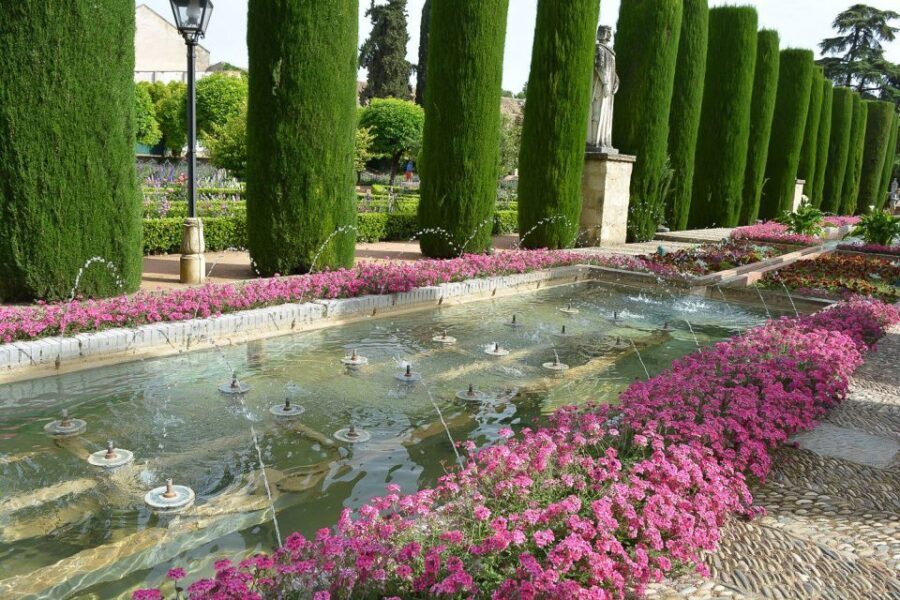
Inside, the focus is on a selection of rooms connected to the royal residence. You’re not just passing through hallways; you’re seeing the kind of spaces where power was displayed and decisions were made. The Catholic Monarchs period is the central theme, but your guide also frames how the same complex later became the site of the Courts of the Holy Offices and prisons.
This is one of the tour’s strengths: it treats the building as an object with a changing purpose. If you’re the type of traveler who likes to understand why a place looks the way it does, this works better than a pure architectural lecture.
Practical timing note: you’ll spend time indoors and then move outward. If you’re sensitive to heat or sun, bring a light layer. Córdoba can feel bright and intense, especially if your garden time stretches longer than you expect.
The Garden Side of Córdoba: Where the Palace-Fortress Breathes
After the fortress rooms, you shift to the gardens around the palace-fortress. This is where the tour becomes more than “history facts.” The gardens help you understand scale and mood—why a fortress complex could also be a refined, planned environment.
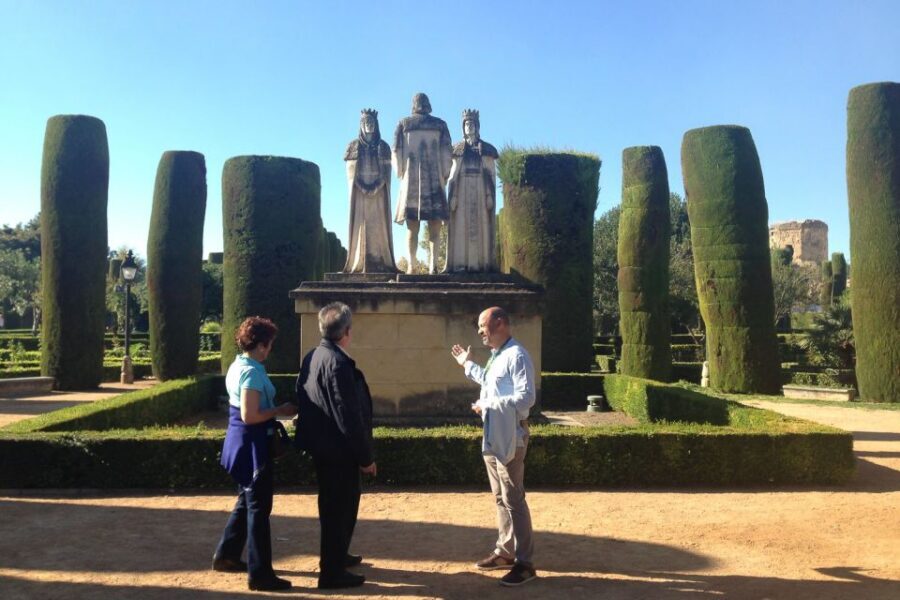
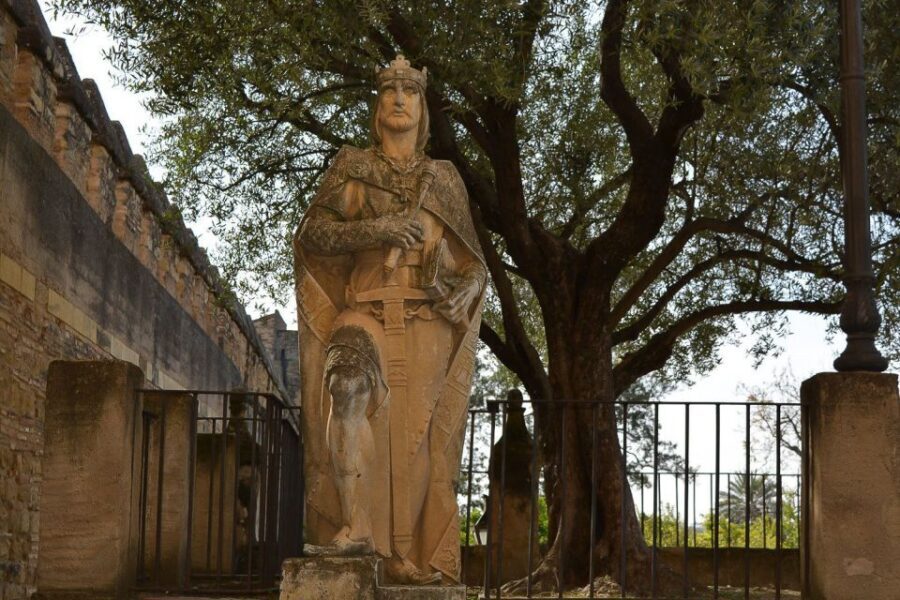
The gardens have protected status since 1986 through town planning laws. That’s a helpful detail because it tells you the gardens weren’t just left alone; they’ve been cared for and regulated. You also visit the Avenue of the Monarchs, which features statues of the monarchs who had connections to the palace-fortress. It’s a smart way to add names to your mental map. Instead of seeing statues as random ornaments, you connect them to the specific setting you’re touring.
One timing wrinkle: the overall experience is advertised as 1 hour, but the description explains that the gardens visit can take your walk toward about 90 minutes. In plain terms, don’t plan your next reservation back-to-back with zero buffer. Give yourself some slack so you don’t feel rushed when the group finishes the garden portion.
When Restoration Changes the Plan (And What Your Guide Can Do)
Here’s the honest catch: the fortress interior may be closed for works. I’ve seen reports of this situation, and it can affect what’s possible on the day you go. One person noted the fortress was closed for restoration, while the gardens were still accessible.
The good news is that guides tend to handle it thoughtfully. In at least one case, a guide offered an alternative that replaced the planned fortress interior experience with other nearby sights, like the caliphal baths area. Another report described a switch to the Jewish quarter and a synagogue when the palace and gardens were closed as well.
Two guide names came up clearly in feedback: Paquita and Carmen. The common thread wasn’t just friendliness. It was the ability to keep the tour educational and moving even when the plan changed. If the day’s access changes, that guide skill is the difference between a half-finished visit and a still-satisfying one.
If you’re someone who absolutely wants the interior rooms above all else, I’d treat that as a reason to go in with flexibility, not certainty.
Other guided tours in Cordoba


UNESCO Context Without the Lecture
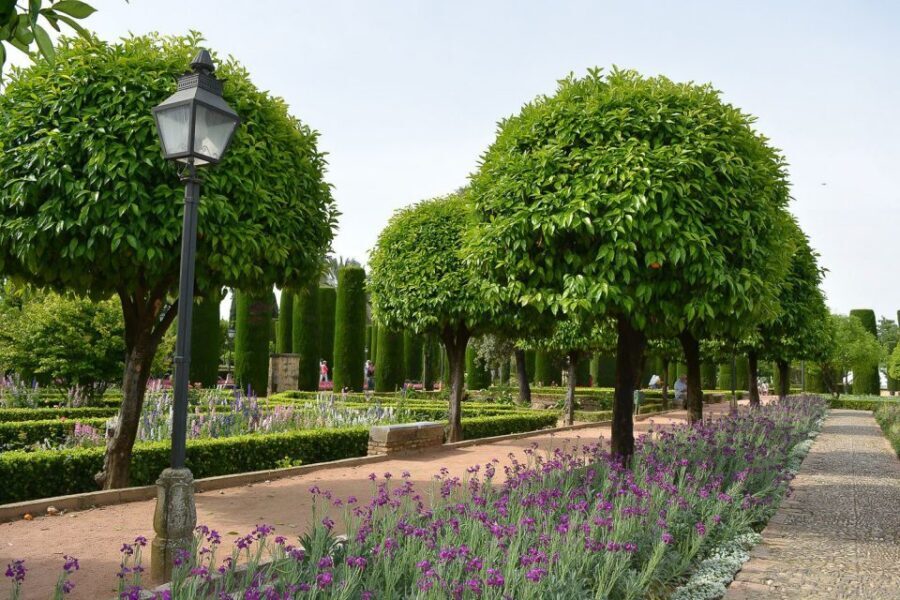
This fortress isn’t only important locally. It’s part of a bigger protected story. It was declared a Historical Monument in 1931, and the area became part of a UNESCO World Heritage Site in 1994. Those are big labels, but your tour helps translate them into real on-the-ground meaning.
You’ll see how the building’s identity doesn’t come from one era alone. The foundation on the caliph’s palace remains reminds you Córdoba wasn’t a one-chapter city. It was a layered one. Then the Catholic Monarchs connection brings a different political and religious chapter. Later still, the courts and prison uses show how the complex shifted into different forms of authority.
That’s why a guided approach adds value here. Without context, you might walk through thinking you’re seeing “one more old fortress.” With context, you start seeing the place as a pivot point.
Avenue of the Monarchs: A Simple Way to Learn Names Fast
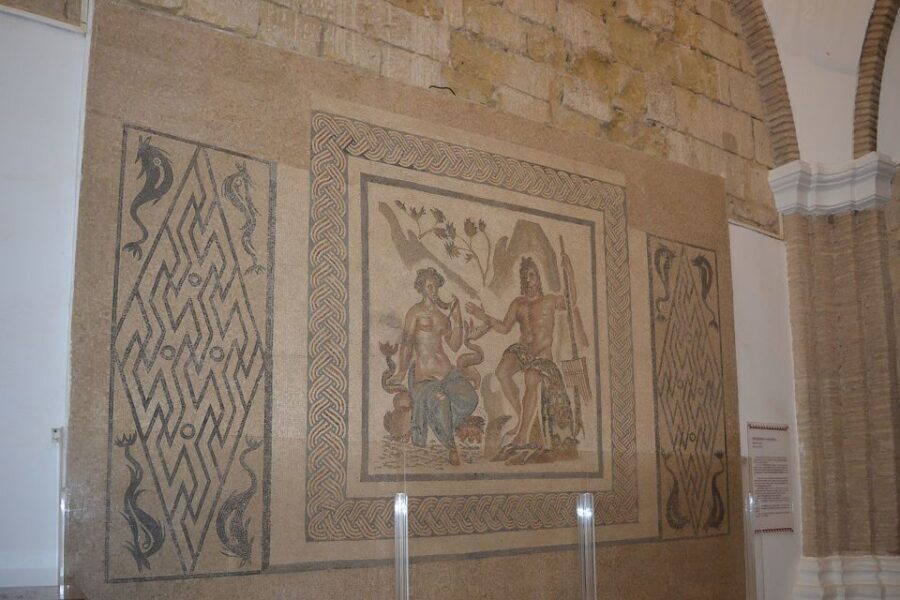
The Avenue of the Monarchs is easy to underestimate until you’re actually walking it. The statues give you something you can do in a short tour: match names to a place you can stand in.
For travelers, that’s a big deal because Córdoba is full of monuments, and it’s easy to mix them up. This garden walk gives your brain a structure. You’re moving from point to point, and your guide’s job is to link each statue and moment to the fortress connection.
Even if you’re not a “statue person,” the Avenue helps you understand why the gardens sit right next to a palace-fortress rather than being a separate afterthought.
Price and Value: What $35 Buys in Real Terms
At about $35 per person for a guided experience, the value depends on what you care about most.
If you like guided interpretation, this is a fair price because you’re getting:
- a qualified local guide
- fortress admission included
- VAT included
- time-efficient “what to look at” help, rather than just wandering
The tour is also short, which makes it easier to fit into a busy Córdoba day. And you avoid the ticket line thanks to skip-the-line entry.
Where value can feel lower is if the fortress interior access ends up limited due to restoration closures. In that scenario, you may rely on your guide’s substitution plan to keep the experience meaningful. Based on feedback you can find, some guides handle rerouting extremely well. But it’s still a reason to read your schedule carefully and avoid locking in a tight itinerary right after.
Food and drinks aren’t included, and transportation isn’t included. That’s normal for a short walking tour. I’d budget for water and a snack if you’re stacking it with other stops.
Who This Tour Is Best For
This is a great fit if you:
- want a high-impact, short introduction to a major Córdoba monument
- like history that explains how buildings changed roles over time
- want gardens that are part of the story, not just a bonus walk
It’s also a good choice for travelers who are short on time but still want to feel like they did more than just take pictures. The fortress and gardens pairing helps you understand the place as a whole.
If you’re traveling with mobility limits, the tour’s indoor/outdoor movement and garden walking may be harder than a pure sit-and-listen museum visit. Comfortable shoes are strongly suggested, so assume there will be some uneven pacing.
Should You Book This Córdoba Tour?
Yes, I think you should book it if you’re excited by a palace-fortress with layers—Catholic Monarchs, institutional courts, and prison-era uses—plus a garden walk that ties the monarch theme to real space.
I’d book with one expectation set: the fortress interior can change due to restoration, and your guide may adjust the plan. If you can stay flexible, that flexibility often turns into a better story day rather than a letdown.
If you want the interior rooms no matter what, consider planning a little buffer time and having a backup activity in the area just in case access differs.
FAQ
Where is the meeting point for the tour?
Meet your guide at the main door of the Fortress of Catholic Monarchs, Avenida del Alcázar, in front of the River.
How long does the guided tour last?
The activity is listed as 1 hour. The gardens portion may extend the overall walk depending on timing.
What’s included in the price?
The price includes a qualified local guide, the fortress admission fee, and VAT.
Do I need to buy tickets in advance?
No. The tour includes skip the ticket line, and fortress admission is included.
What languages are available for the live guide?
The live guide is available in Spanish, French, and English.
What should I bring and what should I avoid?
Bring a passport or ID card and wear comfortable shoes. Luggage or large bags are not allowed.
Is transportation or food included?
Transportation and food and drinks are not included.