REVIEW · CORDOBA
private guided walking tour of the historic center of Córdoba
Book on Viator →Operated by Córdoba EcoExperience · Bookable on Viator
Córdoba rewards slow attention, even on a tight schedule. This private guided walking tour turns the historic center into a clear story you can follow, with a certified guide ready to explain what you’re seeing. You get a smart mix of major landmarks, including Roman-era stops and the Al Andalus layer, without feeling like you’re just checking boxes.
My two favorite parts are the way the guide connects monuments to what life was like around them and the chance to pause in the best spots to take it all in. The one thing to plan for: you’re walking a fair bit on old streets, and Córdoba’s sun and weather can be a factor, so comfortable shoes and a weather-friendly date help.
In This Review
- Key highlights worth knowing before you go
- What this Córdoba walking tour gets right (and why it’s good value)
- Starting at Plaza de las Tendillas: Córdoba’s living meeting point
- Roman Córdoba’s oldest landmark: the Roman Temple stop
- Plaza de la Corredera: one of Andalusia’s most unusual square layouts
- Plaza del Potro: where art and fine arts museums come into the story
- Roman Bridge, Bridge Gate, and Calahorra Tower: the “why this area matters” cluster
- Puerta del Puente: a preserved door from the walled-city days
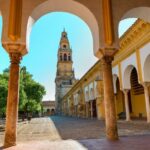
- Patio de los Naranjos: the living garden that teaches you the Cathedral Mosque area
- Calleja de las Flores: the perspective that makes Córdoba famous
- Calleja del Panuelo: 50 cm of legend and a true sense of scale
- Logistics that matter: timing, private pace, and where you end up
- Who should book this Córdoba historic center walk?
- Should you book this tour?
- FAQ
- What’s the duration of the Córdoba historic center walking tour?
- What’s the price per person?
- Is this tour private or shared with other groups?
- Where does the tour start and what time does it begin?
- Where does the tour end?
- Is pickup available?
- Do I need to pay extra for entry tickets at the stops?
- Is transport included in the price?
- What happens if the weather is bad?
- Is there free cancellation?
Key highlights worth knowing before you go
- Plaza de las Tendillas’s changing character: you’ll hear how the square evolved across different stages of its life.
- Roman Temple history at a human pace: one of Córdoba’s oldest monuments, with a story that starts with a lucky discovery.
- Plaza de la Corredera’s unusual Castilian layout: a standout square in Andalusia that doesn’t follow the usual regional pattern.
- Calahorra Tower and the Al Andalus museum focus: fewer people visit this tower, but it has a strong payoff.
- Patio de los Naranjos for orientation: a major Moorish garden landmark that helps you understand the Cathedral Mosque area.
- Calleja del Panuelo’s legend + extreme narrowness: a street so tight it’s often measured as about 50 cm.
What this Córdoba walking tour gets right (and why it’s good value)
At $71.15 per person for about 1.5 hours, this is priced like a guided experience, not a “wander alone and hope you get the details” day. The big value is that you’re not paying extra for transport inside the city, and the stops are mostly practical walk-by moments—so you spend your time understanding what you see.
Because it’s private, your guide can adjust to your group: if you want photo pauses, or you’re the type who asks why a building looks the way it does, you’ll get room to do that. And since each stop is listed as admission ticket free, you’re not hit with a bunch of surprise add-on entry fees for quick landmark segments.
The schedule is also tight in a good way. Ten stops in roughly 90 minutes means you’re moving, but not sprinting. If you’re moderately comfortable walking (the tour calls for moderate fitness), this is a strong way to orient yourself in the historic center early in a trip.
Other walking tours we've reviewed in Cordoba
Starting at Plaza de las Tendillas: Córdoba’s living meeting point
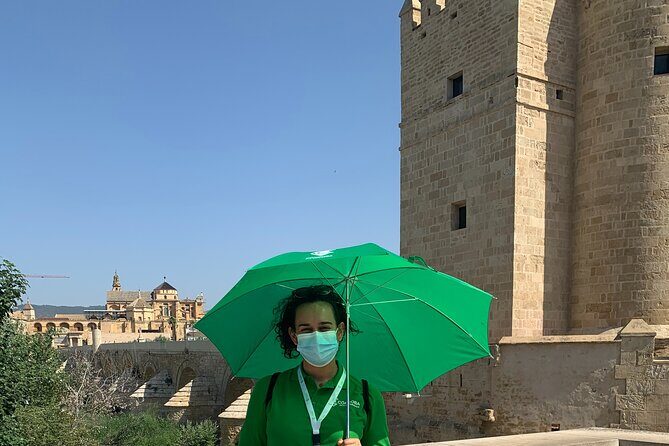
You begin at Plaza de las Tendillas, right in the center where the city’s energy gathers. This is one of those places you’ll see again and again on maps, but it’s more than a starting dot on a walking route.
The fun part here is the context. The guide helps you understand that this square has changed over time, so when you look at the buildings and the open space, you can read it as layers, not a single snapshot. If you like cities where the present explains the past, you’ll probably enjoy how the guide frames what you’re seeing.
It also sets you up for the rest of the walk. From a planning perspective, Plaza de las Tendillas is a practical place to meet, and it’s easy to find in the central area. If you’re coming by public transportation, being “near transit” matters—this start point fits that.
Roman Córdoba’s oldest landmark: the Roman Temple stop
Next comes the Roman Temple, described as Córdoba’s oldest monument. It’s one of those discoveries that feels like it could only happen in a place with deep time underneath everything—this temple was found by chance.
On a normal self-guided walk, you can easily miss what makes it significant. With a guide, you get the story behind why it survived in the way it did and what its presence says about Córdoba when Romans were shaping the city.
This is a great early stop because it gives you a reference point. By the time you move toward later Islamic-era sites, you’ll have a clearer sense of how many different cultures left marks here—and you’ll notice the contrasts more easily.
Plaza de la Corredera: one of Andalusia’s most unusual square layouts
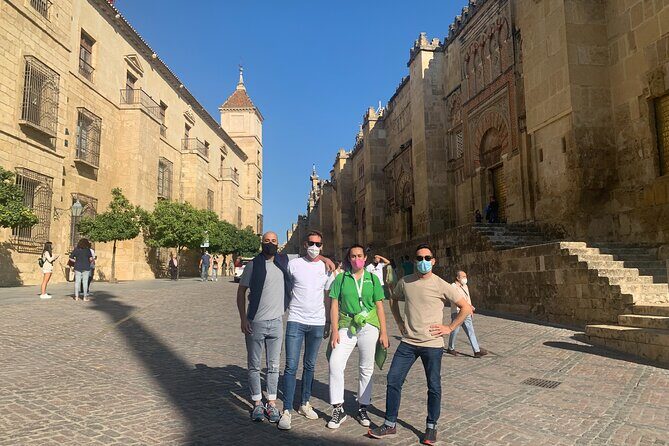
Then you step into Plaza de la Corredera. Here’s what makes it special: it’s the only plaza in Andalusia with a Castilian layout, which gives it a different feel from the plazas many people expect in southern Spain.
On foot, you’ll notice how the space is organized and how that organization affects movement and views. A square can feel like a “pause point,” but with the guide’s framing, it becomes an architectural clue—why certain kinds of public spaces look the way they do, and how a city’s identity shows up in layout.
If you’re the kind of traveler who likes street-level reading (not just famous monuments), this stop is a pleasant mental shift. It’s a reminder that not everything important is a cathedral or a fortress.
Plaza del Potro: where art and fine arts museums come into the story
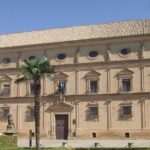
At Plaza del Potro, you’ll connect the square with two museum names: the museum of the artist Julio Romero de Torres and the Museum of Fine Arts. Even if you don’t spend a long time inside, the guide’s mention of these places matters because it places the plaza in Córdoba’s cultural life, not only its historic sequence.
Plazas like this often work as informal hubs—people meet, walk through, linger for a bit. When you add the art-museum context, it changes your attention. You start noticing details you’d otherwise treat as background.
A potential consideration: since this is a short walking tour segment, you may not get the kind of long museum experience you’d want if you’re a serious art traveler. But for most people, the museum references are ideal. They plant ideas for later, when you have more time to explore on your own.
Other walking tours we've reviewed in Cordoba

Roman Bridge, Bridge Gate, and Calahorra Tower: the “why this area matters” cluster
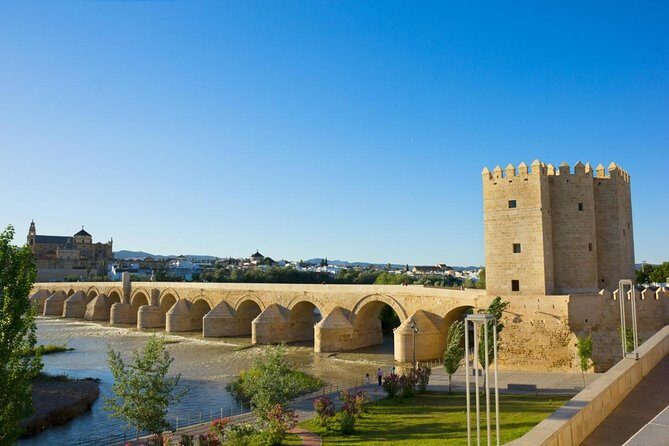
After Plaza del Potro, you reach one of Córdoba’s best-known monuments: the Roman Bridge. The bridge is from Roman times, and it has also been modified over the years, which is exactly what makes it a good guided stop. You learn to look at it as a living structure, not an unmoving relic.
From here, the tour connects the Roman Bridge area with the bridge gate and Calahorra Tower as culturally important points. This matters because it turns the area into a system. You’re not just looking at one object; you’re seeing how entry and movement shaped the city over time.
Calahorra Tower is one of those places that doesn’t get as much attention as the headline sights, but that’s also why it can feel rewarding. It has a special charm, and it houses a museum dedicated to Al Andalus. Even if you only get a short look, having the Al Andalus connection in your head makes the tower feel less like a random detour and more like a key chapter.
If you’re traveling with kids or with people who prefer fast, scenic photos: Calahorra Tower can still work, but plan for attention spans. The value of this stop is in the explanation, not the view alone.
Puerta del Puente: a preserved door from the walled-city days
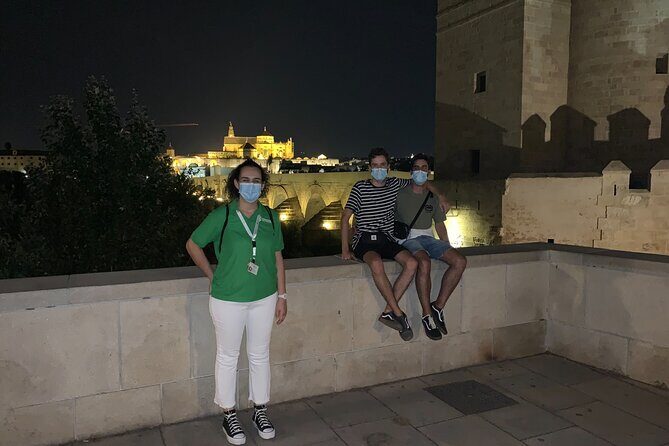
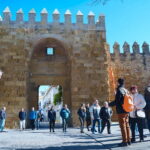
Next is Puerta del Puente, described as one of the doors preserved from when Córdoba was a walled city. On a self-guided walk, it’s easy to treat a gate like a background detail. Here, the guide helps you see it as a last-sight link to the city’s older defenses and controlled movement.
A preserved city door is like a time machine with a small opening. It reminds you that cities weren’t open free-for-alls in the past. They were managed spaces, with rules about who entered and when.
This is also a nice moment for practical sightseeing. When you’re in the historic center, you can feel like everything is close together. A gate like this helps you re-map the city in your mind: where you are now, and where the old perimeter once would have been.
Patio de los Naranjos: the living garden that teaches you the Cathedral Mosque area
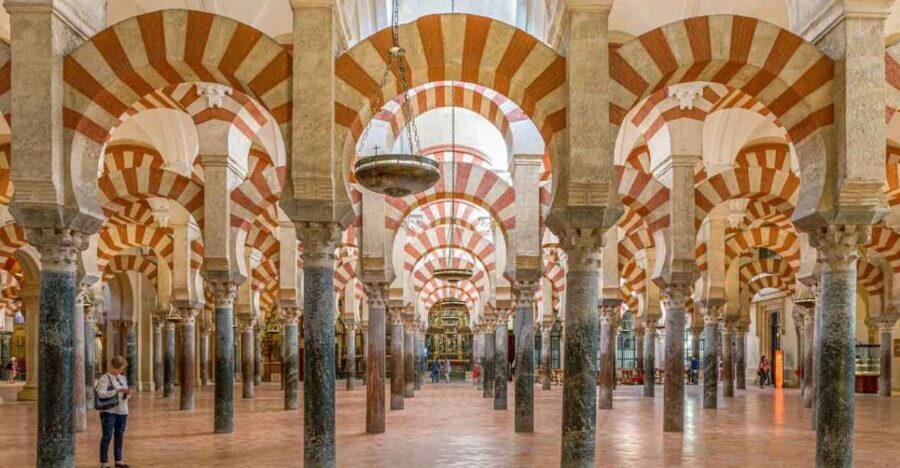
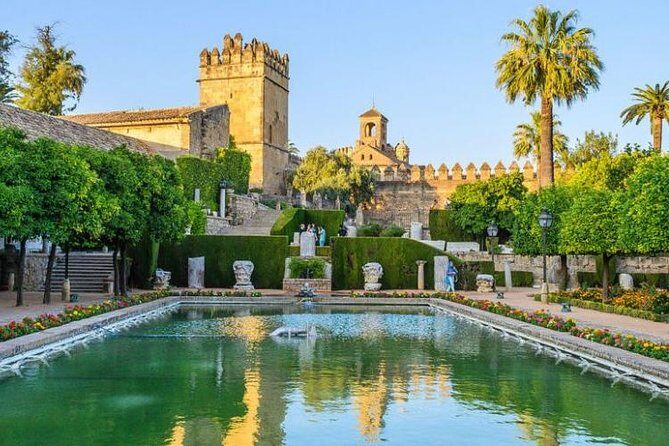
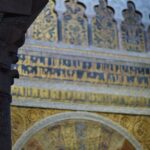
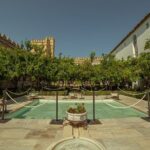
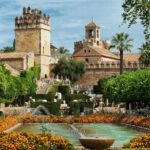
Then you reach Patio de los Naranjos, described as the oldest and largest living garden in Europe. That’s a big claim, so the guided value is in how it’s framed: the guide helps you understand why this patio matters when you’re near the Cathedral Mosque area.
Even without going deep into architectural jargon, you’ll probably feel the shift in the space. Gardens change the pace. They give your senses somewhere to rest while the surrounding buildings keep the story moving.
For me, the best part of this stop is how it ties the “monument photos” to a more human experience. Courtyards and patios were everyday spaces in the past, not just decorative scenery. Standing there with the guide’s explanation, you can start to imagine how people used the area day to day.
One practical note: because it’s a major landmark area, it can be a busy spot depending on the time of day and season. The private format helps because your guide can suggest the most comfortable viewing approach for your group.
Calleja de las Flores: the perspective that makes Córdoba famous
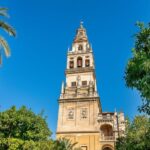
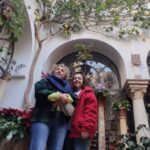
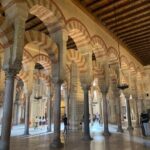
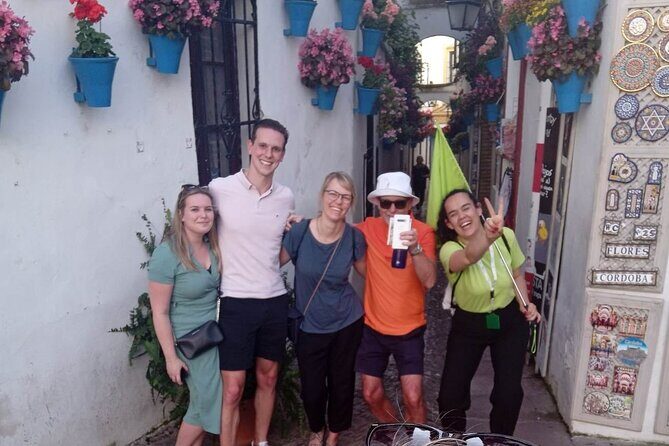
Calleja de las Flores is one of Córdoba’s most popular streets for a reason: the perspective. You get a fantastic view line with the bell tower and the caliphal arches in the alley.
A normal photo stops at the surface—pretty street, cute angle. With a guide, you’re taught how to look. You’re not just walking down a narrow passage; you’re learning where the best sightline is and how the arches shape the way light and vision move.
This is a top stop for anyone who likes iconic street scenes and wants to know what creates the postcard effect. If your goal is to take home photos that look like Córdoba’s best reputation, this alley is one of your strongest bets on the route.
Calleja del Panuelo: 50 cm of legend and a true sense of scale
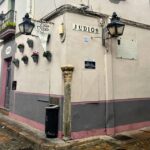
The tour finishes with Calleja del Panuelo, known as the narrowest street in the city—about 50 cm in diameter. The guide also shares that Cordovan people associate it with legends.
This is a great “last impression” stop because it’s surprising. You walk in expecting a narrow street, then you hit the real scale difference, and it makes the whole city feel bigger in your mind—oddly enough, even though you’re walking in the tightest space imaginable.
This also works well as a conversation moment. If your guide shares the legend angle, it adds character beyond the measurement. You’ll remember it because it’s odd in a good way.
Logistics that matter: timing, private pace, and where you end up
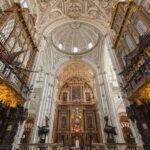
You start at Plaza de las Tendillas at 10:00 am. The walking loop brings you toward the Cathedral Mosque area, and it ends around the Patio de los Naranjos area.
Two small details you’ll appreciate:
- Pickup is offered, which can save time if you’re not starting exactly at the meeting square.
- You’ll have a mobile ticket, so you’re not hunting for paper vouchers.
Transport isn’t included, so plan how you’ll reach the start point. The good news is the tour is described as near public transportation, which keeps it realistic for day-trippers and visitors who don’t want to coordinate taxis for a short central walk.
And because the tour is private, you’ll only share the experience with your group. That matters in a historic center where crowd energy can otherwise flatten your attention.
Who should book this Córdoba historic center walk?
Book it if you want:
- A guided route that hits major highlights in about 90 minutes
- Clear explanations at each stop, including Roman and Al Andalus connections
- A private format that lets your group set the tone (slower, faster, photo-heavy, question-heavy)
I’d also say it’s a solid pick if you’re visiting Córdoba for the first time and you want your bearings fast. The route naturally organizes the city into meaningful chunks: Roman landmarks, Castilian-influenced public spaces, museum-adjacent culture, and courtyard-and-alleys atmosphere.
If you’re an advanced architecture specialist who wants long museum time and quiet reading, you might still enjoy the walk—but you’ll likely want to pair it with extra independent time afterward to go deeper.
Should you book this tour?
I think it’s a good buy if you value guided context more than you value long, slow museum visits. The price per person makes sense for a certified guide, a private group, and a route that covers landmark after landmark without forcing you to pay multiple entrances.
If you care about those “how does it all connect” answers—how the Roman pieces relate to later Córdoba, and how courtyard life and street perspectives fit into the bigger picture—this is the kind of walk that improves your whole trip. Just time it with good weather, wear comfortable shoes, and you’ll get a far more memorable Córdoba than you’d get from walking the same streets without a guide.
FAQ
What’s the duration of the Córdoba historic center walking tour?
The tour lasts about 1 hour 30 minutes.
What’s the price per person?
The price is $71.15 per person.
Is this tour private or shared with other groups?
It’s a private tour/activity. Only your group participates.
Where does the tour start and what time does it begin?
The tour starts at Plaza de las Tendillas and begins at 10:00 am.
Where does the tour end?
The tour ends at the Patio de los Naranjos in the Cathedral Mosque area (and it’s associated with the Alcázar de los Reyes Cristianos area as the end point).
Is pickup available?
Yes, pickup is offered.
Do I need to pay extra for entry tickets at the stops?
The tour details list admission ticket free for the stops on the route.
Is transport included in the price?
No. Transport is not included.
What happens if the weather is bad?
The experience requires good weather. If it’s canceled due to poor weather, you’ll be offered a different date or a full refund.
Is there free cancellation?
Yes. You can cancel up to 24 hours in advance for a full refund.