REVIEW · CORDOBA
Córdoba Mid-Morning Walk – Small Groups, Native English.
Book on GetYourGuide →Operated by Experience Córdoba · Bookable on GetYourGuide
Quiet streets make Córdoba feel personal. This 1.5-hour mid-morning walk blends famous sights with off-the-beaten side streets, guided by a resident foreigner who speaks clear native English. I also like the timing: you’re out while the city is just starting to wake up, so you get great photos without the mega-crowd crush.
Two other strong points: you’ll pick up practical local customs and good-to-know context, and you’ll get hands-on tastings and shopping ideas (think first-press olive oil and hand-made ceramics). The one thing to consider is that you’re walking and learning, not entering major monuments—so budget for tickets if you want inside views later.
In This Review
- Key reasons this walk is worth your time
- Why 8:30 in Córdoba is the sweet spot
- Plaza de las Tendillas: your meetup hub and coffee plan
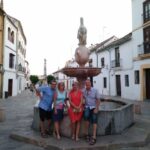
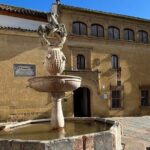
- Corredera Square: the perfect quick photo opener
- Calleja de las Flores: small street, big atmosphere
- Roman Temple and Bridge: seeing Córdoba as an older city
- Patios de San Basilio and the neighborhood feel
- La Judería and ancient city walls: history you can trace on foot
- Albolafia Watermill: why water matters in Córdoba
- Mosque-Cathedral views: street-level impact before tickets
- Ceramics, calabaza crafts, and the olive oil tasting
- What the small private group really changes
- Food and shopping: how to turn the walk into a real day
- Who should book the Córdoba mid-morning walk
- Price and logistics: is $33 good value?
- Should you book this walk?
- FAQ
- How long is the Córdoba mid-morning walk?
- What language is the tour guide speaking?
- Where do we meet, and where does the tour end?
- Are entry tickets to major monuments included?
- Is food or drinks included during the walk?
- Do we taste olive oil on this walk?
- Is the group private and small?
- Is the tour wheelchair accessible?
- What’s the cancellation policy?
Key reasons this walk is worth your time
- Native English, no guesswork: explanations are easy to follow the whole way.
- Morning light + fewer crowds: the route is set up for photos before the big surge.
- Ceramics and calabaza crafts: you’ll get pointed toward hand-made work and where to find it.
- La Judería and old city walls: history that feels connected, not chopped into museum facts.
- Concrete food tips after: where to order coffee and where to grab cheap tapitas.
- Small private group feel: you can ask questions and still move at a human pace.
Why 8:30 in Córdoba is the sweet spot
Córdoba looks its best when the temperature is kind and the streets are calm. This walk is aimed at a mid-morning rhythm, when it’s warm enough to enjoy wandering but not so hot that you start rushing. If you’re coming in fall, that timing is extra comfortable.
You also get a better read on the city. Instead of arriving during the loudest hours, you’ll see how locals move early—coffee, tostadas, and daily routines—then watch the center begin to fill in behind you. That makes it easier to plan the rest of your day without feeling lost.
The guide’s job here isn’t just to point at landmarks. It’s to give you context you can use while you keep exploring on your own later. That’s why the small pace and short stop-and-go rhythm works so well for a 1.5-hour hit of orientation.
Other walking tours we've reviewed in Cordoba
Plaza de las Tendillas: your meetup hub and coffee plan
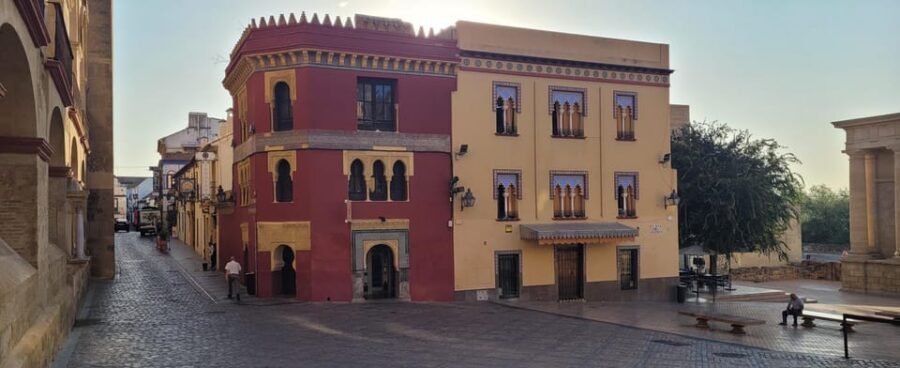
You start and end at Plaza de las Tendillas, right by the tourist kiosk where you’ll spot the Experience Córdoba flag. From a planning standpoint, this is smart: it’s a central anchor point, so you can keep your day simple before or after the walk.
If you want to treat this like a true local morning, you’ll have options nearby. After the tour, there’s a recommended stop for coffee: Café Tendillas 5, where a cappuccino is listed at €2.50. If you order café con leche, you’ll get their foamy take—plus soy milk is available if you ask for leche de soya or soja.
And yes, ordering language matters when you’re on a schedule. If you’re visiting in summer and want your coffee chilled, the suggested phrase is con hielo, por favor. It’s a small thing, but it saves you from ordering wrong and then waiting while your coffee cools.
Corredera Square: the perfect quick photo opener
The walk begins with a photo stop at Corredera Square. This part of the route is handy because it gives you an early landmark to orient yourself. Even if you’ve seen photos online, being there in person helps you map the geometry of the center in your head.
This stop is short—about 10 minutes—so it’s not meant for long reading or sketching. Instead, it’s meant to help you settle your bearings, grab a few shots, and keep your energy for the tighter, moodier alleyways that come next.
A small consideration: if you’re sensitive to walking pace, the whole tour is built around moving. You’ll pause often, but it’s still a walk, so wear shoes that handle cobblestones.
Calleja de las Flores: small street, big atmosphere
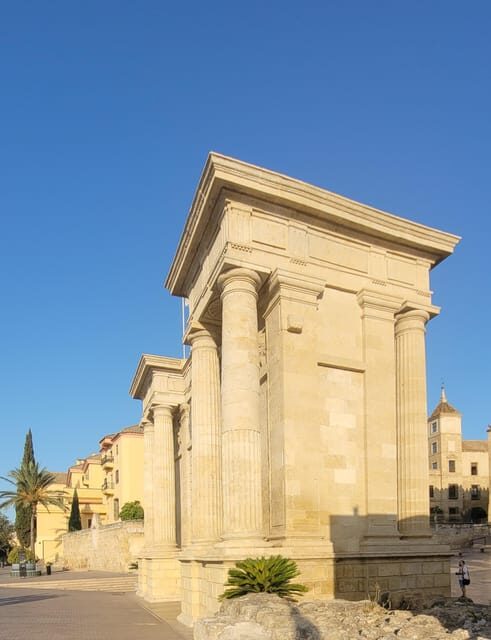
Next up is Calleja de las Flores, another photo stop (also around 10 minutes). This lane is the kind of street you’ll want to photograph from a couple of angles, because Córdoba’s charm often hides in the details—doorways, walls, light, and that sudden feeling of the city tightening in around you.
What I like about placing this after Corredera is that the experience shifts fast: open square to narrow passage. That quick change helps you see Córdoba as more than one “main attraction,” and it sets you up for the Roman and historic layers that follow.
If you’re traveling with a camera, this is a good stretch to slow down for composition. Don’t worry about being perfect—your guide’s timing helps you catch the right moment before the next crowd wave builds.
Roman Temple and Bridge: seeing Córdoba as an older city
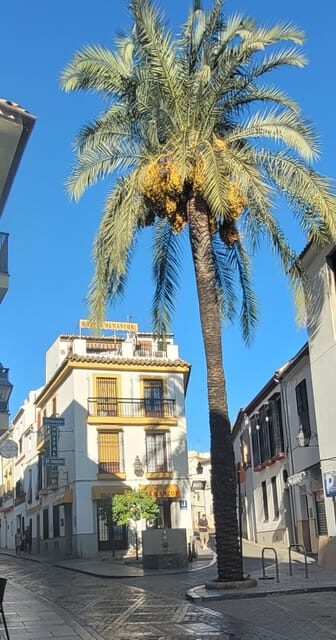
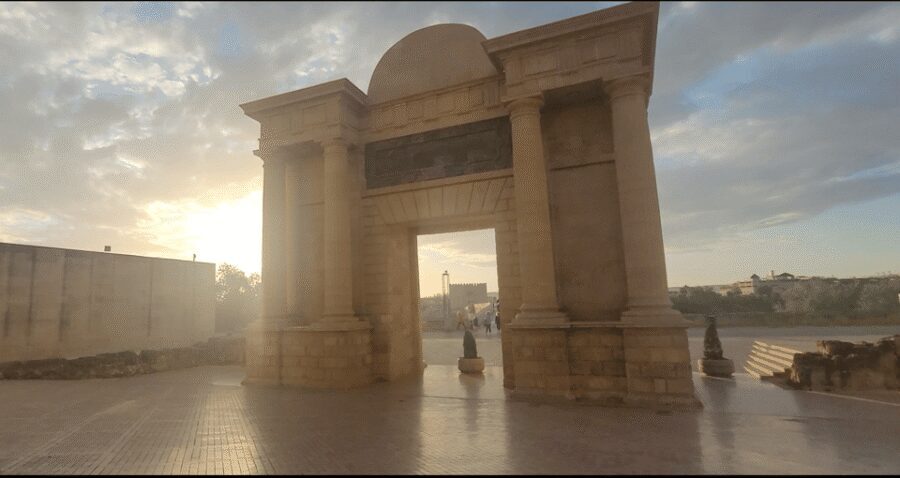
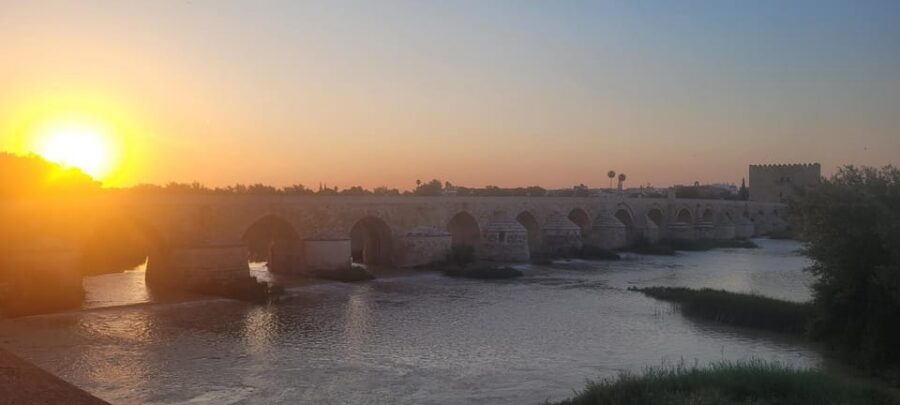
Two stops later, you’ll hit Roman-era sights: the Roman Temple of Córdoba (about 15 minutes for photos) and then the Roman Bridge (another photo stop around 15 minutes). The value here is not only the monuments themselves—it’s how the route teaches you to spot what survives.
At the Temple, focus less on trying to memorize dates and more on understanding what Roman architecture looks like in a city that later layered new identities on top. The guide’s commentary is the key: it ties what you’re looking at to the bigger story so it clicks instead of feeling random.
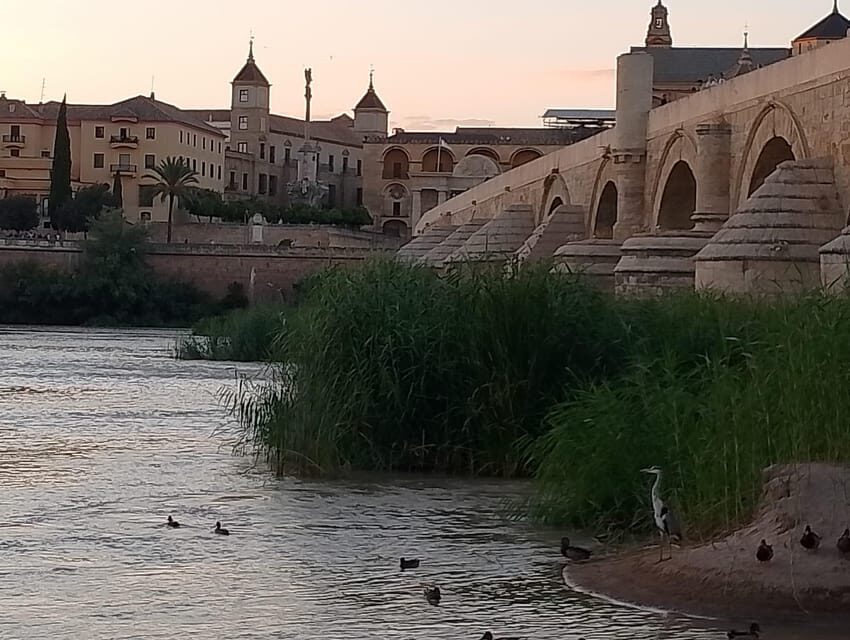
Then the Roman Bridge adds a different kind of perspective. Stand where the guide suggests, and you’ll see how river crossings and movement shaped where people built, traded, and gathered. If you’re the type who likes “how did cities actually work?” this part is for you.
One practical drawback: photo stops mean you won’t get a long, unhurried walk around each area. If you want total freedom to roam, plan to return later using your guide’s recommendations.
Other walking tours we've reviewed in Cordoba

Patios de San Basilio and the neighborhood feel
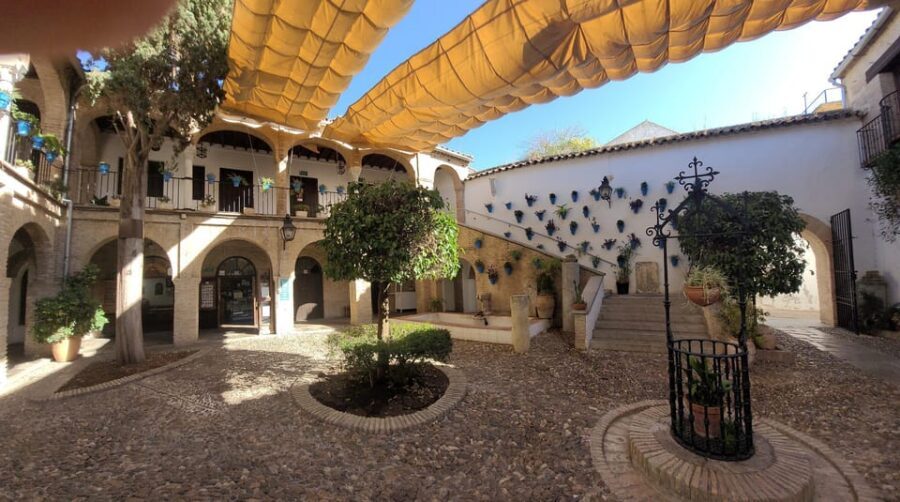
The tour includes Patios de San Basilio (about 10 minutes for a photo stop). This is a great moment to slow your eye and notice the residential side of Córdoba, where the city’s character isn’t just in grand buildings. You’ll also get a quick peek from the outside in the patio street area.
This stop matters because patios are a Córdoba identity people often understand only from pictures. Seeing them in the flow of a walk helps you connect the patios to daily life—space, shade, and where people gather.
Also, this is one of the route’s “feel good” moments. After squares and Roman views, a patio street offers quieter texture. It’s a good break before you cross into more landmark-heavy sections.
La Judería and ancient city walls: history you can trace on foot
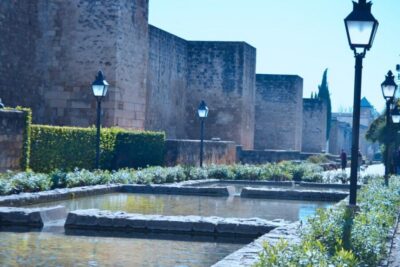
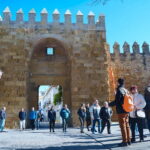
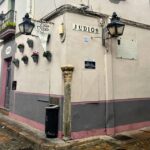
You’ll pass through La Judería (the Jewish Quarters) and follow ancient city walls. For many visitors, this is where Córdoba shifts from postcard city to lived-in city. The guide’s job is to help you notice transitions—streets that change mood, corners that hint at defensive design, and spaces that suggest older social life.
The strength of this segment is the walking rhythm. Instead of learning history in one stop, you’re building a mental map as you move. That makes it easier to recognize patterns later when you’re exploring on your own.
A possible consideration: if you’re expecting every stop to be a “major landmark,” this part can feel quieter. But that quiet is the point. It’s how you get the off-the-beaten-path angle without turning your day into a sprint.
Albolafia Watermill: why water matters in Córdoba
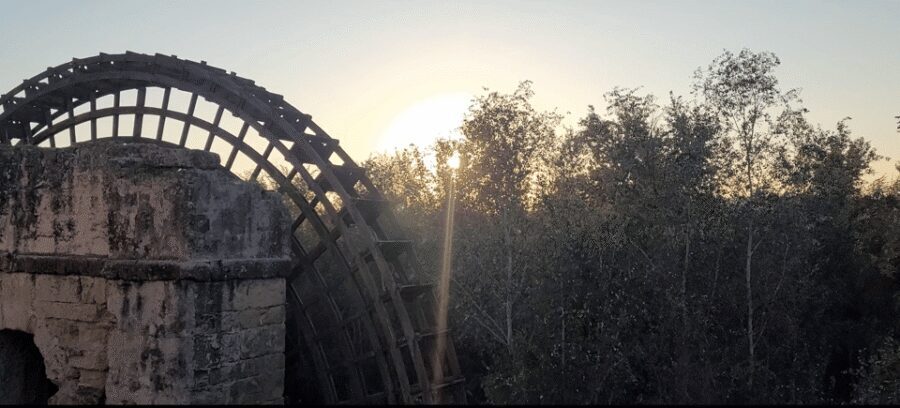
Then comes Albolafia Watermill (about 10 minutes for photos). Water engineering sounds technical until you see how it influenced daily life. This is a solid stop if you like stories tied to real-world systems: how a city moves and feeds itself.
If you enjoy photography, this is also a good chance to look for lines—where the eye travels, how the structure frames the surroundings, and how the light hits surfaces. Because the stop is short, it’s best to come with a quick plan: one wide shot, one detail shot, then move on.
You’ll feel the pace pick up again after this. That’s not a bad thing; it keeps the tour from dragging and helps you save time for the bigger landmark climax.
Mosque-Cathedral views: street-level impact before tickets
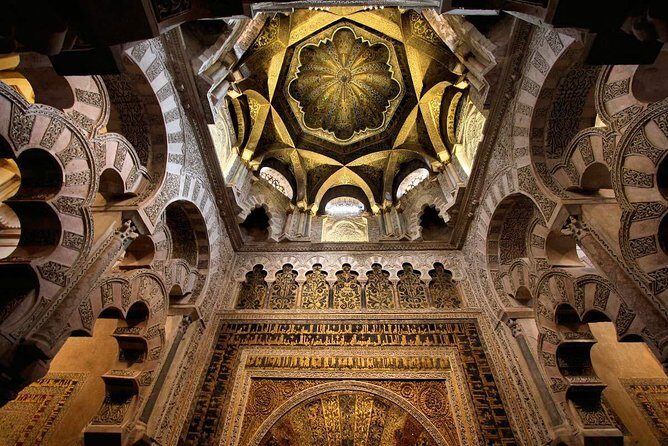
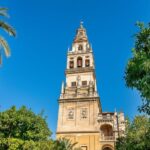
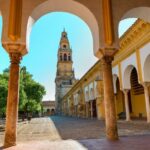
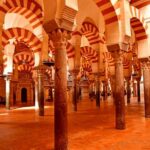
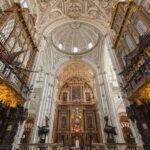
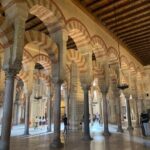
Your next major stop is the Mosque-Cathedral of Córdoba (about 15 minutes for photos). Since entry is not included, you’ll focus on the exterior experience and the best angles the walk sets you up to capture.
What makes this stop useful—even without going inside—is context. The guide’s commentary can help you understand what to notice later if you buy tickets. So you’re not just collecting photos; you’re collecting cues.
One drawback to consider: if you were hoping for a full inside visit during the 90 minutes, this tour isn’t that. You’ll likely want to plan a second visit or add on a monument entry afterward if the interior is a priority.
Ceramics, calabaza crafts, and the olive oil tasting
This is one of the more distinctive parts of the experience. You’ll get recommendations for hand-made ceramics, including references to Cubism and La Rambla-style handmade work, plus guidance on where to find hand-made guitars and lamps made from calabaza (a Spanish gourd). In a city full of souvenirs, this helps you shop with taste instead of grabbing the first thing in sight.
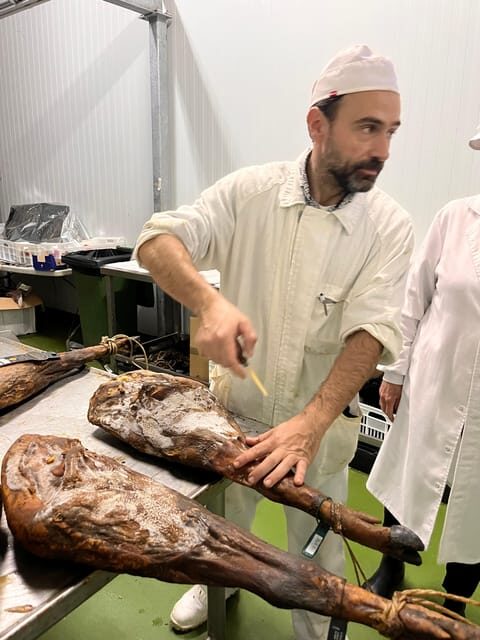
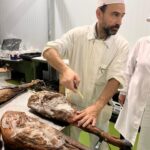
And yes, you’ll also taste first-press olive oil—described as robust and green-toned in the tour info. For food lovers, this matters because it turns “olive oil talk” into a sensory memory. You’ll leave with a better idea of what to look for when you shop later.
If you have allergies or sensitivities, the tour data doesn’t specify alternatives beyond the coffee/soy milk mention. In that case, it’s smart to ask the provider ahead of time about what’s included with tastings.
What the small private group really changes
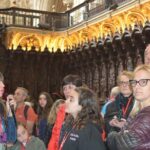
The tour is described as a private group, which is why it can feel more personal than a standard group walk. The reviews associated with the experience specifically mention small group sizes (as small as three), and that difference shows up in how often you get direct answers and follow-ups.
This kind of format is great if you like asking questions but don’t want to shout over a crowd. It also helps the guide adjust pacing. If someone needs a bathroom break or wants an extra minute at a viewpoint, the route doesn’t have to stretch to accommodate a large schedule.
I also like that the guide uses native English communication. That means you’re not piecing together meaning from body language and partial translations. You get clarity the whole way, so you can enjoy the city instead of decoding it.
Food and shopping: how to turn the walk into a real day
Even though food and drinks aren’t included, the tour info gives you practical next steps. After you finish, you can relax with a nearby plan: for coffee, Café Tendillas 5 is the stated option, and the guide even points you toward ordering café con leche.
For a low-cost lunch vibe, there’s a recommendation for tapitas around the corner, where tapitas are listed at €0.99. A glass of wine or beer is given as about €2 to €2.50, which makes it easy to create an inexpensive, sit-and-watch meal.
For shopping, take the ceramics pointers seriously. The point isn’t to buy everything; it’s to know what’s hand-made and what’s worth your money. If you’re traveling with limited space, you can still use the stop as a quality filter.
Who should book the Córdoba mid-morning walk
Book this if you want a focused Córdoba orientation without committing to entry tickets during the walk. It’s a good match for first-timers who want both landmarks and texture from side streets.
It also suits people who like photography but hate waiting in long lines. The timing and short stops are built for getting shots when the city is calmer.
If you’re a museum-only traveler who wants deep interior visits, this might feel too “outside.” But if you’re the type who likes walking, street-level details, and a guided plan you can extend later, this is a strong fit.
Price and logistics: is $33 good value?
At $33 per person for about 1.5 hours, you’re paying for three things: an English native guide, a structured route through key areas, and added value like tastings and specialized shopping recommendations. Since entry fees are not included, the price makes more sense as a guided experience plus local know-how rather than a ticket bundle.
The value is strongest if you’re short on time. One guided walk can give you orientation for the rest of your stay, which can save you from wandering inefficiently. You also get specific prompts—where to eat, what to order, and what to look for—so you don’t leave with only photos.
A practical note: the tour availability depends on starting times. If your schedule is tight, check the listed start window options so you can hit the calmer morning light.
Should you book this walk?
I’d book it if you want Córdoba in a single, organized morning: Roman touches, old walls, La Judería streets, the Mosque-Cathedral exterior, plus ceramics and olive oil that make the day more memorable than a standard “see sights” loop.
I wouldn’t book it if your top priority is inside viewing of major monuments, since entry and viewing aren’t included. In that case, you’d be better off pairing this walk with a separate ticketed visit later.
If you’re trying to decide between a big group tour and something more personal, this one’s small private format is the deciding factor. You get clarity, easier questions, and a route that feels designed for real exploring afterward.
FAQ
How long is the Córdoba mid-morning walk?
It lasts about 1.5 hours.
What language is the tour guide speaking?
The tour is in English.
Where do we meet, and where does the tour end?
You start at the Tourist Kiosk near Plaza de las Tendillas and end back at Plaza de las Tendillas.
Are entry tickets to major monuments included?
No. Entry and viewing of major landmarks are not included, and there are no attraction entry fees covered.
Is food or drinks included during the walk?
No food or beverages are included, though you’ll receive recommendations for where to eat and drink afterward.
Do we taste olive oil on this walk?
Yes. The tour includes tasting robust first-press olive oil.
Is the group private and small?
The activity is listed as a private group.
Is the tour wheelchair accessible?
Yes, it’s wheelchair accessible.
What’s the cancellation policy?
Free cancellation is available up to 24 hours in advance for a full refund.