REVIEW · CORDOBA
Córdoba Highlights Walking Tour
Book on GetYourGuide →Operated by Ontdek Córdoba · Bookable on GetYourGuide
Córdoba looks best in small doses. This 2-hour highlights walk keeps you in the historic center, mixing famous monuments with the quieter streets that make the city feel human. You’ll move at a relaxed pace, with a professional local guide focused on Moorish legends, everyday culture, and what you’re actually looking at as you go.
What I like most is the tight pairing of big-name sights with the smaller parts of town that help everything click. You also get a guide who’s not just reciting facts, but explaining stories and answering questions as you walk, which is exactly what makes a short tour feel worth your time.
The one consideration: it’s only two hours, so you won’t get long, stop-and-stare time inside each major site. If you want deep, unhurried exploring of one specific monument, you’ll still need extra time on your own after the walk.
In This Review
- Key things to know before you go
- Tendillas Square start: get oriented fast
- Roman Bridge: the city’s older backbone
- Mezquita-Catedral: why Córdoba’s main monument is worth a guided look
- Roman Temple, Viana Palace, Alcázar: seeing the city’s variety in one loop
- Baños Califales: cooler perspective on Moorish life
- Synagogue: a final thread of Córdoba’s mixed heritage
- Narrow streets and patios: what you catch between the major stops
- Guided by Francisco (and sometimes Daniel): what the best guides do here
- Price and value: is $71 for 2 hours a fair deal?
- Who this walking tour suits best
- Should you book the Córdoba Highlights Walking Tour?
- FAQ
- How long is the Córdoba Highlights Walking Tour?
- Where do I meet the guide?
- What does the tour cost?
- What’s included in the ticket?
- Which languages are available for the tour?
- Is the tour wheelchair accessible?
Key things to know before you go
- Two-hour pace that covers major landmarks plus quieter streets
- Professional local guide with lots of explanation and room for questions
- Stops built around Moorish and Roman layers: Mezquita-Catedral, Alcázar, Baños Califales
- The route includes Tendillas Square, Roman Bridge, Viana Palace, Roman Temple, and Synagogue
- You’ll have time for photos while walking between sights
- Wheelchair accessible and run as a private group
Tendillas Square start: get oriented fast
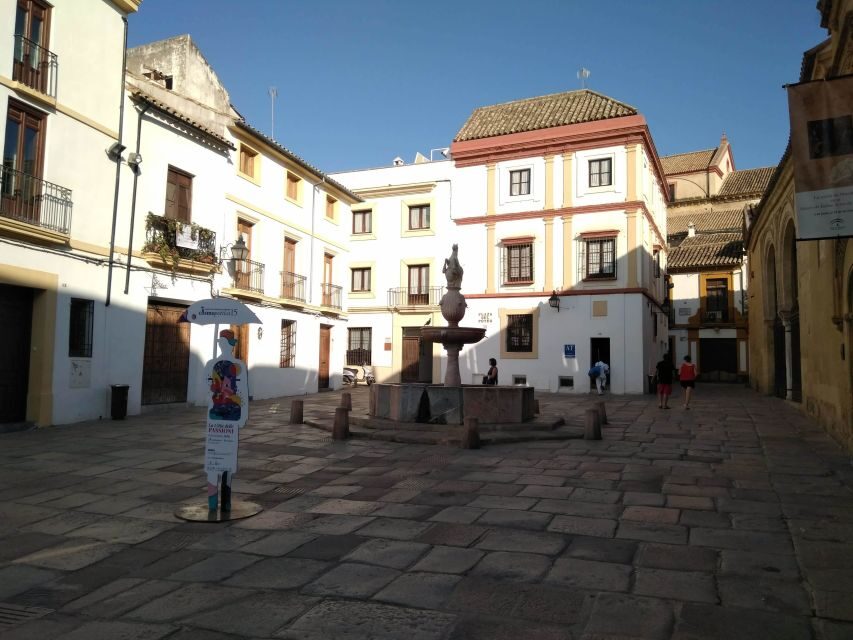
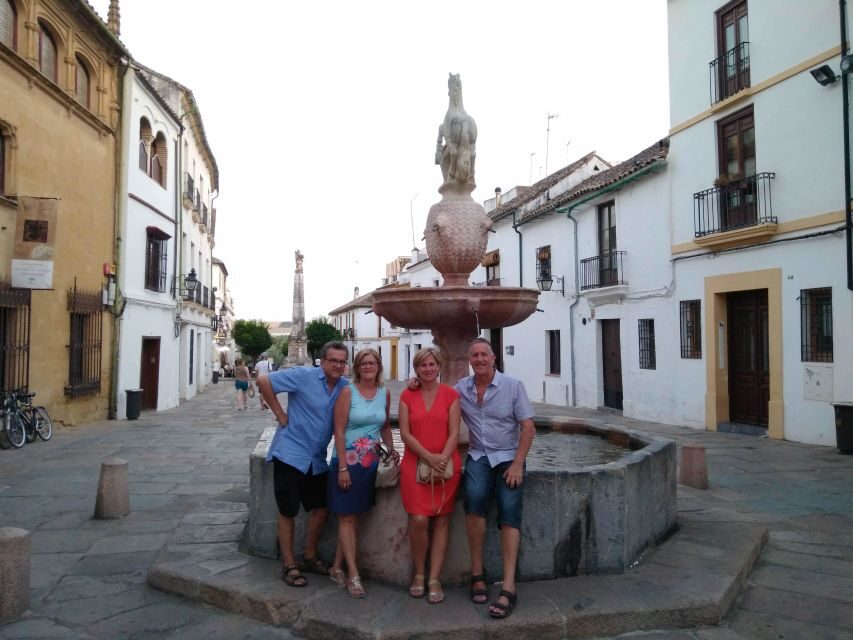
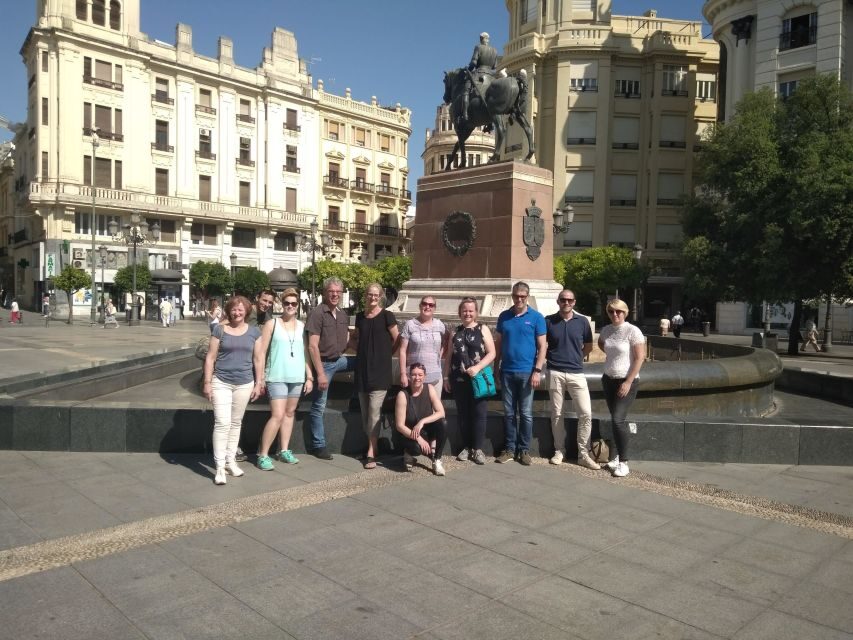
Your walk begins at Tendillas Square, in front of the tourist information near the fountain. This is a smart starting point because it’s central, and it helps you get your bearings quickly before the route starts tightening into the older streets.
In practice, this kind of meeting spot matters. Córdoba can feel like a maze, and the best value of a highlights tour is having someone point you the right direction so you don’t waste your first afternoon wandering in the wrong loop. Once you’re moving, the tour stays relaxed enough that you can stop for photos and ask questions without the day turning into a sprint.
A second reason this start works: it sets you up for the rhythm of the day. Córdoba isn’t just one monument. It’s a bunch of connected stories, told through squares, bridges, courtyards, and the way streets curve around patios.
Other walking tours we've reviewed in Cordoba
Roman Bridge: the city’s older backbone
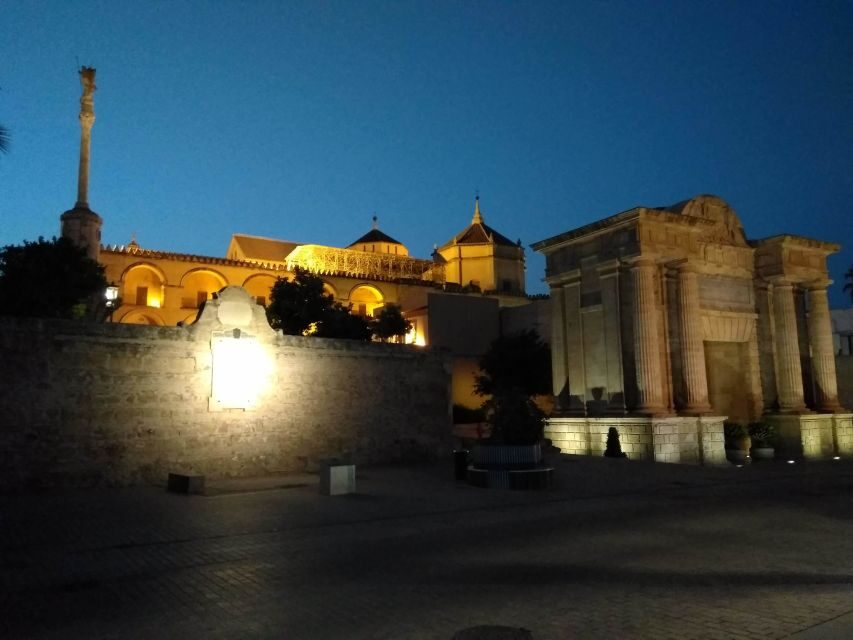
Early in the walk, you pass the Roman Bridge. Even if you’ve seen Roman bridges elsewhere, this one earns its place on a highlights route because it gives you a baseline: before you go deep into later layers, you get a clear sense that Córdoba was shaped long before the Moorish chapters and the grand cathedral-era changes.
What I like about having this early is how it improves your reading of the city. When you hit the later sites, you’re not just looking at a list of attractions. You’re noticing how power and design leave traces across time—stone, layout, and the logic of where people built what they needed.
Also, bridges are good early-photo stops. They give you an easy landmark view without demanding a long indoor visit. And since the tour is only two hours, getting a quick visual win early helps you stay engaged through the more detailed monument stops later.
Mezquita-Catedral: why Córdoba’s main monument is worth a guided look
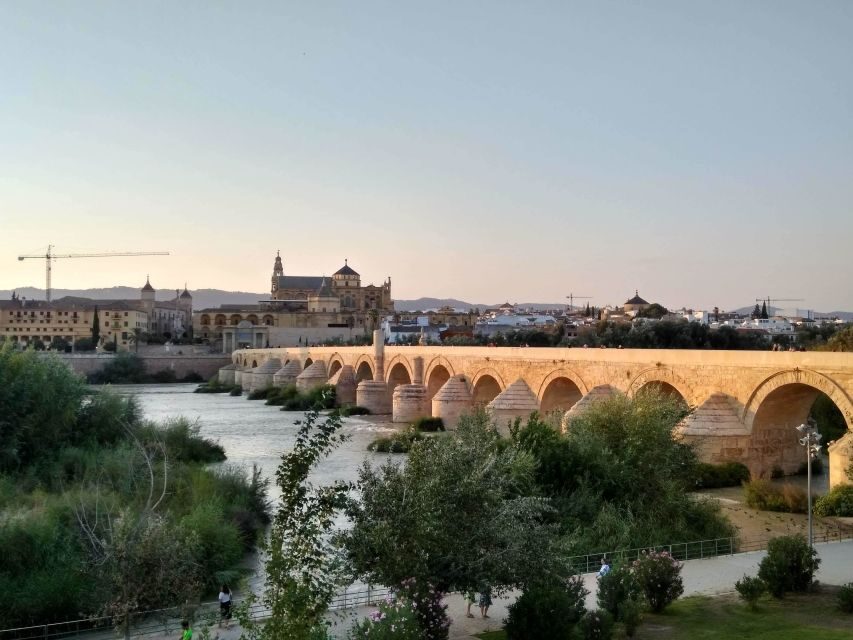
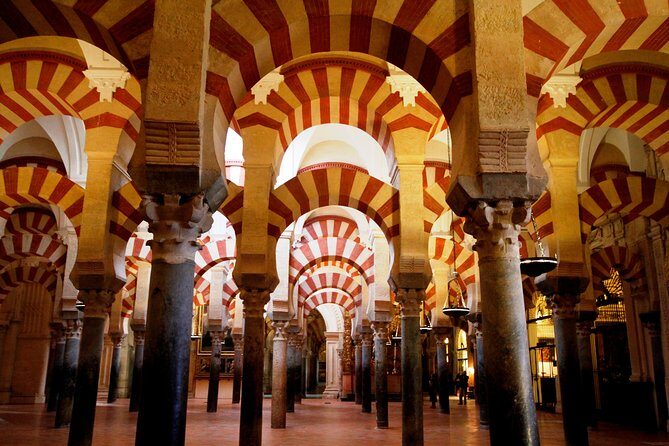
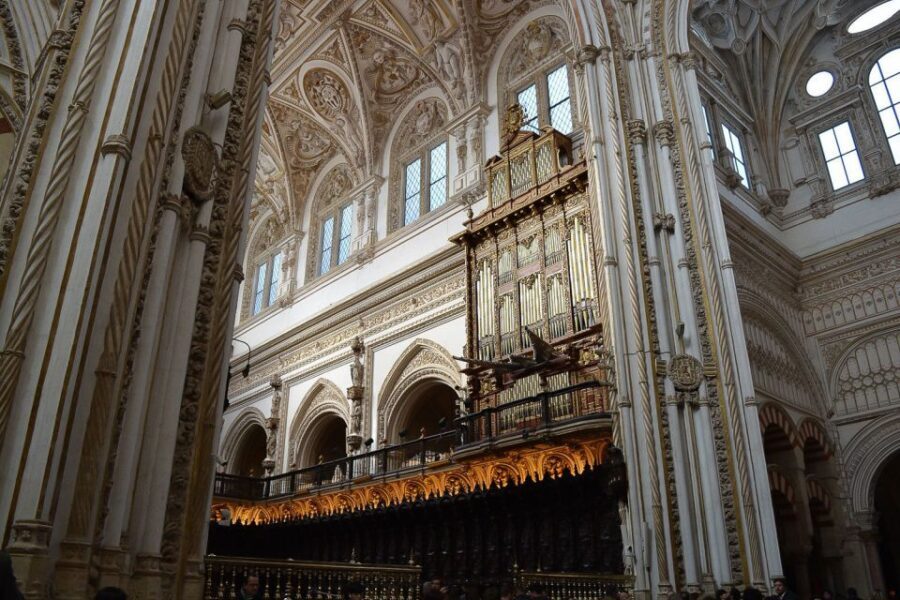
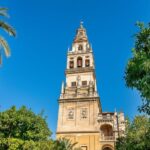
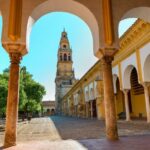
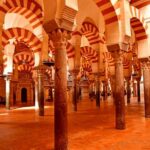
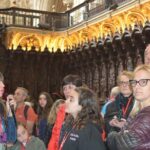
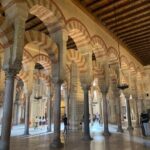
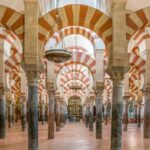
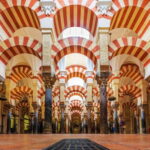
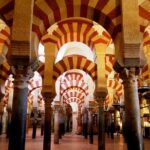
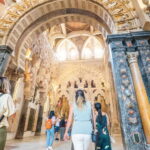
The route’s centerpiece is the Mosque-Cathedral (Mezquita-Catedral). Even if you think you know the famous monument, a guided walk is the difference between looking at a building and understanding the shape of its story—especially when your guide is talking about Moorish history, legends, and culture.
This is where a local guide earns their fee. You’re not just hearing names and labels. You’re getting help connecting what you’re seeing to the larger idea of Córdoba as a layered city, where different eras overlap instead of erasing each other. In a short format, that interpretive layer is what prevents the visit from feeling like a photo gallery.
You also benefit from the tour structure. Since the day’s time is limited, you get focused attention on what to notice. If you’re the type who likes to ask questions, this is also one of the best points in the itinerary to do it. The guide is there, and the whole walk is designed so you’re not stuck asking later, after you’ve already moved on.
Roman Temple, Viana Palace, Alcázar: seeing the city’s variety in one loop
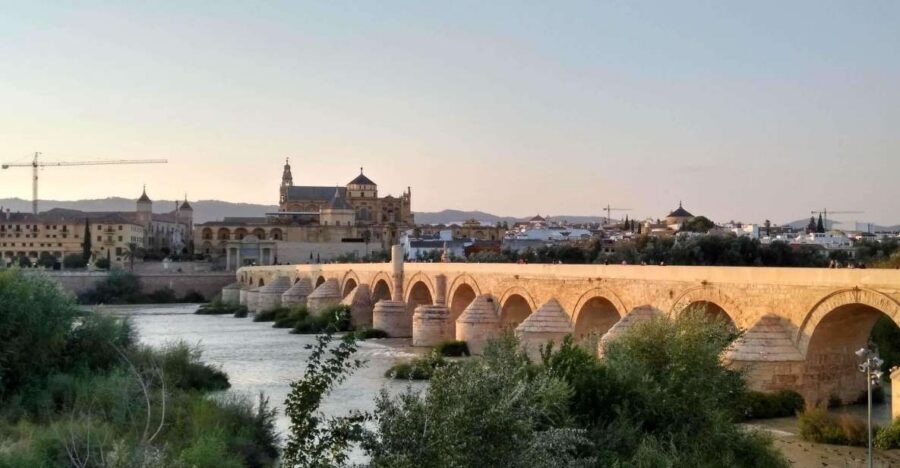
After the main monument, the route keeps you moving through a sequence of standout stops: the Roman Temple, Viana Palace, and the Alcázar.
Here’s the practical value: this part of the walk prevents the classic problem of Córdoba tours where you only focus on the headline sight. The route forces you to notice range—Roman references, palace atmosphere, and the court-and-fort feeling that the Alcázar brings to the story.
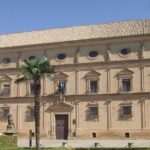
Viana Palace is particularly important for people who love details that don’t require you to be an architecture specialist. Palaces often work well on a walking tour because they encourage you to slow down mentally, even when you’re physically moving. It’s also a good point to get inspiration for what to look for later when you’re exploring on your own.
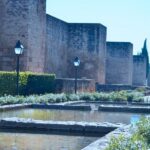
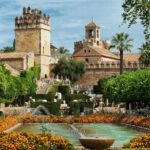
Alcázar rounds out the “power and protection” feeling of Córdoba’s past. Even without going too deep, it helps you understand why the city’s history doesn’t live only in religious monuments. It also lives in how leaders lived, controlled space, and designed impressive physical settings.
The drawback to keep in mind: because everything is packed into a 2-hour window, the guide keeps the pace moving. You’ll likely appreciate most if you’re comfortable with a highlights style—seeing, understanding, and then returning later for longer time if one stop really grabs you.
Baños Califales: cooler perspective on Moorish life
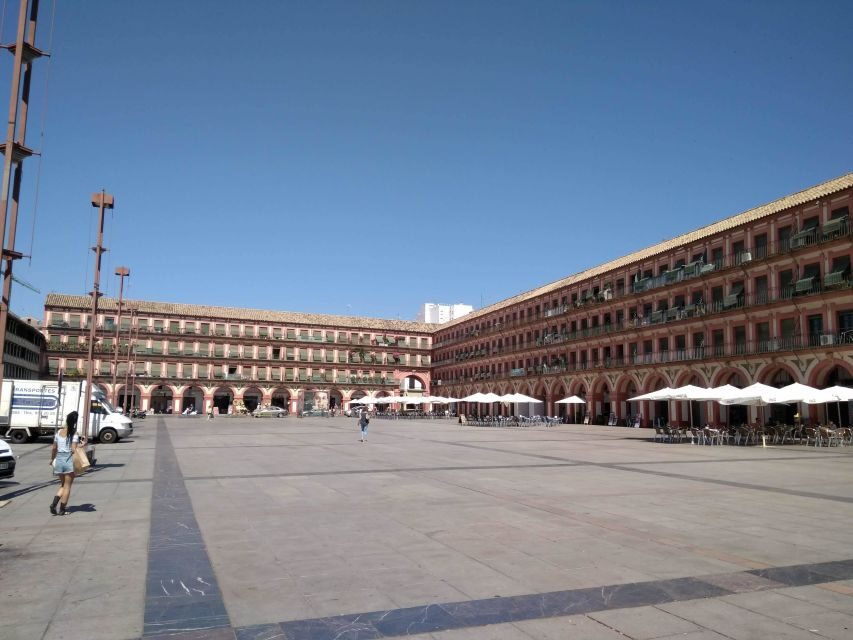
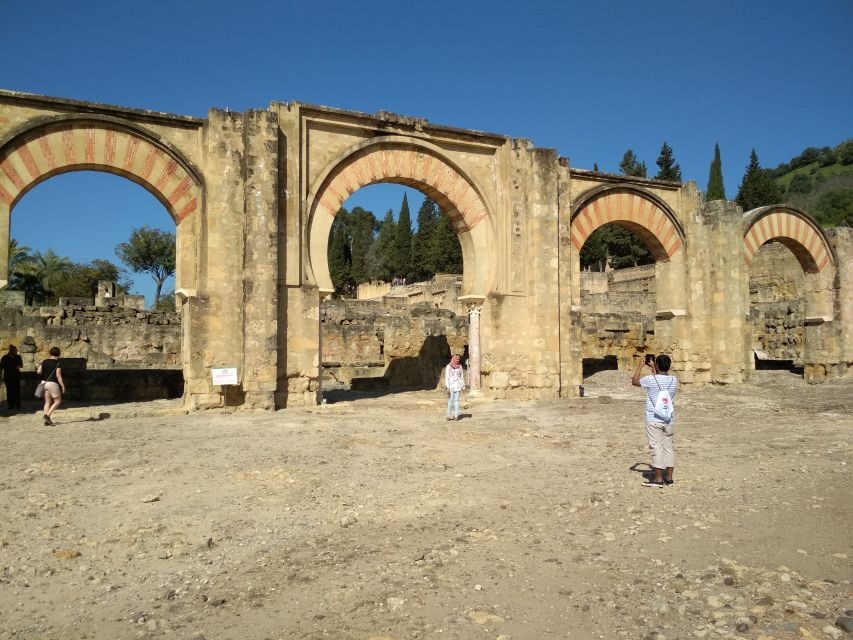
Next up is the Baños Califales. Baths are a smart inclusion on a highlights tour because they tell a different kind of story than cathedrals and courtyards. They shift the focus from politics and worship to daily life—how people used space, how they moved through routines, and how culture expressed itself in practical places.
On a walking tour, this stop also balances your energy. It gives your eyes a break from monumental stone by shifting your attention to a more human-scale experience of the city’s past. You’re also less likely to feel like you’ve seen only one style of Córdoba.
If you like photos, this is another moment where the guide can help you take pictures that show context, not just close-ups. Even a short walk can produce better images when you know what part of the scene matters.
Other combined monument tours we've reviewed in Cordoba
Synagogue: a final thread of Córdoba’s mixed heritage
The itinerary ends with the Synagogue. This is a meaningful stop in a tour that also covers Roman and Moorish references. It helps you see Córdoba as a city shaped by more than one tradition—and it turns your walk into a more complete map of how people lived side-by-side.
I like including the Synagogue on a highlights walk because it adds emotional variety. It nudges you to think beyond styles of buildings and instead think about Córdoba as a place where faith and community left physical marks.
It also helps you end the experience with something you can carry into independent exploring. After this stop, you’ll be better at noticing how different neighborhoods and street patterns might relate to different eras and communities.
Narrow streets and patios: what you catch between the major stops
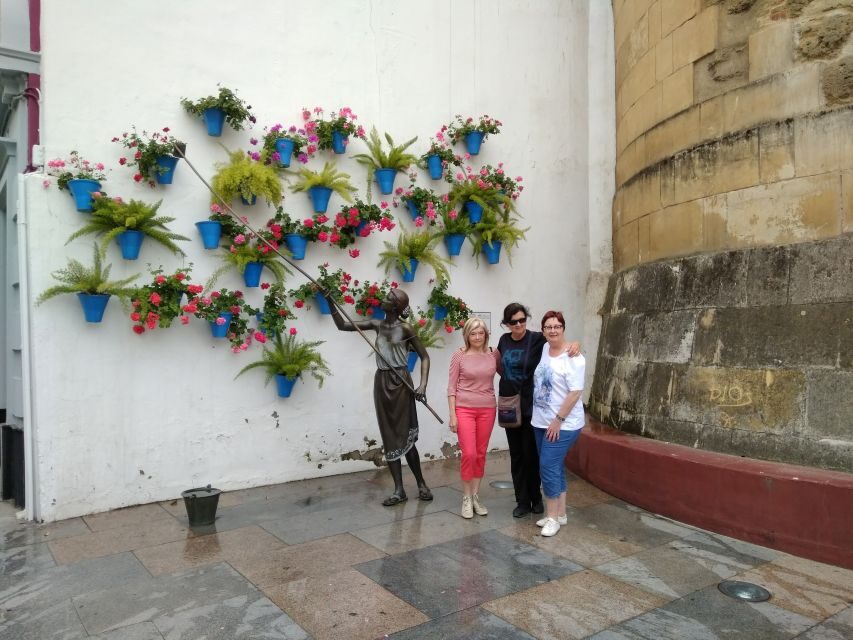
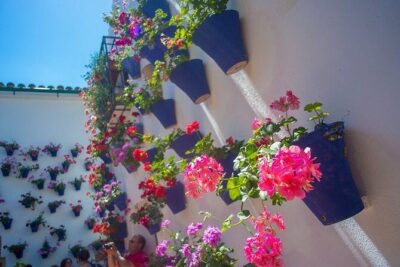
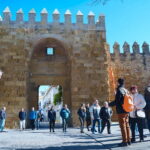
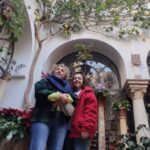
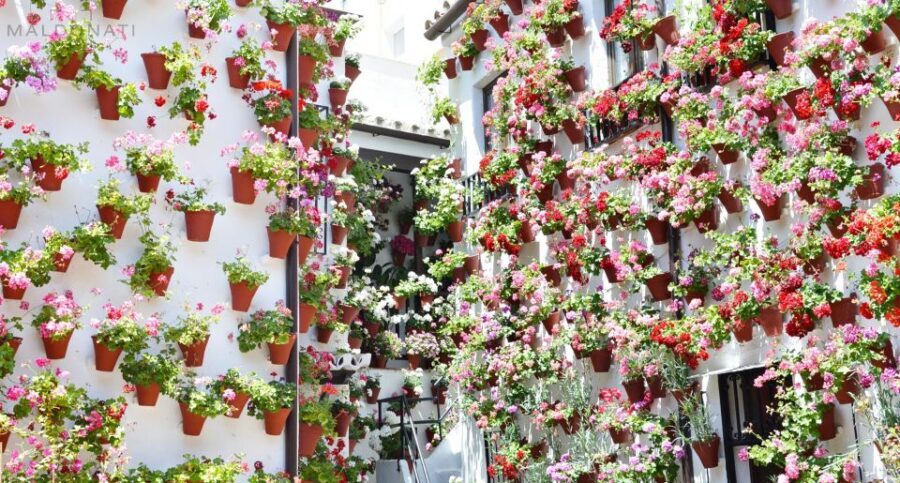
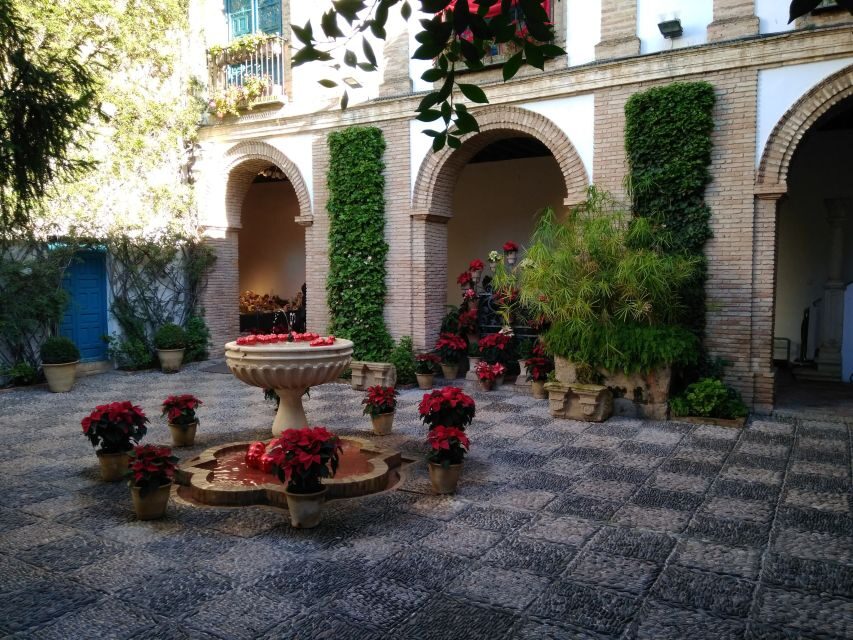
Córdoba’s historic center is famous for the feeling you get while walking: tight alleys, sudden openings, and the visual cues of daily life. This tour is explicitly built around narrow streets and beautiful patios, which is exactly why it feels more authentic than a “just list the monuments” route.
Even though you’re hitting major sights, the walking segments matter. They’re when you see how the city actually operates at street level. You get context for why the monuments feel so close together—and why Córdoba’s character depends on the spaces between them.
This is also where your guide’s storytelling makes the difference. The best local guides connect architecture to culture. They turn what could be an awkward passing moment into something you remember later while walking on your own.
If you’re planning your day, I’d treat this tour like your orientation walk through Córdoba’s mood. Then, after you finish, go back to the streets you liked most.
Guided by Francisco (and sometimes Daniel): what the best guides do here
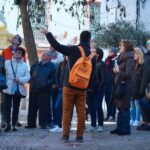
The name Francisco shows up repeatedly in reviews as a standout guide, described as personable, full of knowledge, and willing to answer questions. A key detail from one review: Francisco didn’t just hit the obvious stops. He also led the group to places the guests did not expect, and he explained things in a way that made both the famous sights and the extra stops feel connected.
Another guide mentioned is Daniel. One review notes that Daniel explained the attractions well, and another mentions he stepped in when the originally booked guide couldn’t make it. That’s useful for you because it signals the tour operator understands continuity and communication when plans shift.
The common thread across these comments is not just information, but explanation that lands. For a short 2-hour tour, that matters. A guide who speaks clearly, adapts to questions, and adds a few smart stories will make the difference between a checklist walk and a genuinely useful one.
Price and value: is $71 for 2 hours a fair deal?
At $71 per person for a two-hour highlights walk, you’re paying for the guide’s time, local insight, and the efficiency of a focused route. You’re also paying for the fact that you don’t have to assemble a plan yourself or figure out the best order of stops on your own.
What’s included is straightforward: a local guide. What’s not included: meals and drinks. That affects value in a practical way. If you’re prone to getting hungry, plan for a snack or water before or after. A walking tour can run long on your feet even when the official duration is only two hours, and empty energy tanks the quality of your attention.
So is it worth it? For me, it usually comes down to what you want. If you want a curated route with interpretation and photo opportunities, $71 makes sense because you’re buying time and clarity. If you prefer to explore with no structure at all, you could potentially do it cheaper on your own—but you’d likely lose the narrative thread that makes Córdoba feel like a story instead of a list of landmarks.
Who this walking tour suits best
This is a strong fit for:
- You want to see the top sights without spending your whole day organizing logistics.
- You like Moorish history and legends, not just architecture photos.
- You enjoy walking through old neighborhoods and picking up “what to notice” tips.
It’s also ideal if you’re traveling with limited time. Córdoba’s main monuments can swallow an afternoon. This walk gives you a focused start, so later solo exploring is more intentional.
If you’re very slow-moving or you expect to linger inside each major site for a long time, adjust your expectations. The route is designed to cover many stops in a short span. The way to get the best outcome is to treat the tour as your orientation, then do a longer visit to any one place that really grabs you.
Good news: the tour is listed as wheelchair accessible, so accessibility isn’t an afterthought.
Should you book the Córdoba Highlights Walking Tour?
I’d book it if you want a guide-led way to connect Córdoba’s big monuments with the quieter streets and patios that give the city its texture. The route is compact but varied, hitting Tendillas Square, Roman Bridge, Mezquita-Catedral, Roman Temple, Viana Palace, Alcázar, Baños Califales, and the Synagogue, all within two hours.
Skip it only if you already plan to spend long hours inside one or two sites and you don’t care much about guided storytelling. In that case, you might prefer a slower, single-monument day.
For most people, though, this tour is a smart first move. It helps you read Córdoba faster, take better photos, and come away with clear ideas of where to go next.
FAQ
How long is the Córdoba Highlights Walking Tour?
The tour lasts 2 hours.
Where do I meet the guide?
Meet at Tendillas Square, in front of the tourist information near the fountain.
What does the tour cost?
The price is $71 per person.
What’s included in the ticket?
The only included item listed is a local guide.
Which languages are available for the tour?
The tour is listed as available in Dutch and English. Some information also notes German availability.
Is the tour wheelchair accessible?
Yes, it is listed as wheelchair accessible.