REVIEW · CORDOBA
Córdoba: Tour of the three cultures to see the city in a day
Book on GetYourGuide →Operated by Córdoba Única · Bookable on GetYourGuide
Córdoba has one of those city stories that refuses to stay in the past. This walking tour gives you a fast, street-level way to understand how Jewish, Arabic, and Christian Córdoba shaped the city you see today. You’ll move through UNESCO-listed corners, learn what life looked like behind old walls, and get context for streets you’d otherwise walk right past.
I especially liked two things. First, the tour uses a local, native and official guide approach, so the explanations feel rooted in place instead of like a checklist. Second, you get real access points, including entry to the synagogue, which helps the Jewish Quarter section land with meaning.
One possible drawback: this is a compact walking day, and the info provided includes mixed accessibility notes. If you have mobility limitations, you should ask the operator directly before you book. And yes—bring comfortable shoes, because the streets add up.
In This Review
- Key highlights worth your attention
- Start at Plaza de las Tendillas and get your bearings fast
- Photo stops that turn into real orientation (not just quick snapshots)
- The Roman Temple stop: understanding Córdoba’s long timeline
- Corredera Square: a lively pause with historical context
- Plaza del Potro: where stories feel local
- Calle Pedro Jiménez break time: a breather that still keeps the vibe
- Calleja de las Flores: narrow streets, big atmosphere
- La Judería and the synagogue: where the three-culture idea gets tangible
- Finishing at the Roman Bridge: the walk lands with a strong final image
- Price and value: €11 for a focused, included-site tour
- The guide quality is the real engine (Paula, Angela, Antonia, Angie)
- Weather, walking, and what to bring for a smooth day
- Who this tour suits best (and who should reconsider)
- Should you book the Córdoba Three Cultures tour?
- FAQ
- How long is the Córdoba of the Three Cultures walking tour?
- What language is the live guide?
- Is there an audio guide?
- Where does the tour start?
- What’s included in the price?
- Is the synagogue visit included, or is it only from outside?
- What should I bring?
- Does the tour run in bad weather?
- Is this tour suitable for people with mobility impairments?
Key highlights worth your attention
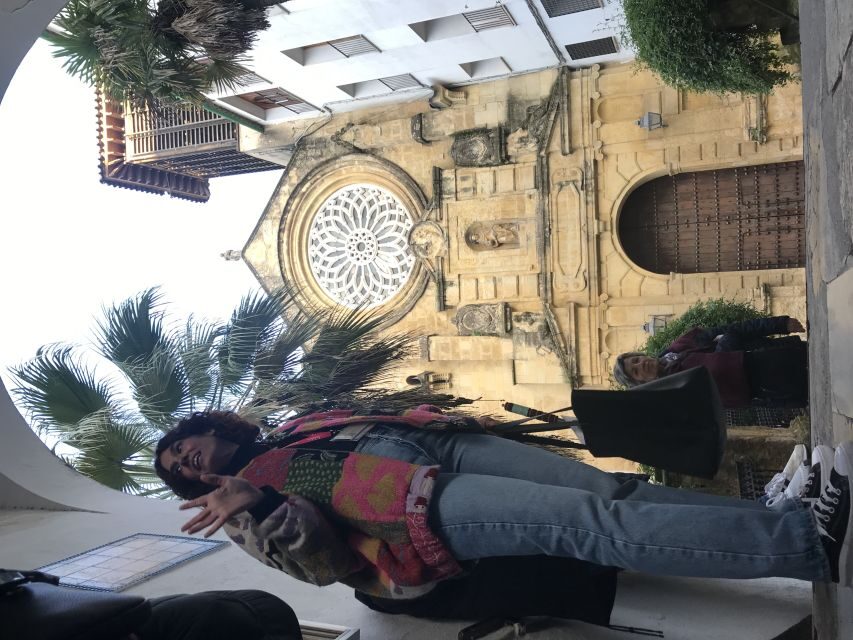
- A three-culture framework that ties together the Jewish, Arabic, and Christian eras in one logical route
- Córdoba’s UNESCO concentration, including the claim that it’s the only city in the world with 4 Heritage declarations
- Synagogue entry included, so the Jewish Quarter visit isn’t only exterior viewing
- Old Córdoba wall context, giving you a mental map of how the city was once shaped and defended
- Short, efficient 2-hour format, great for your first day or a limited schedule
- Great guide energy, with multiple guides praised for being fun, engaging, and easy to follow
Start at Plaza de las Tendillas and get your bearings fast
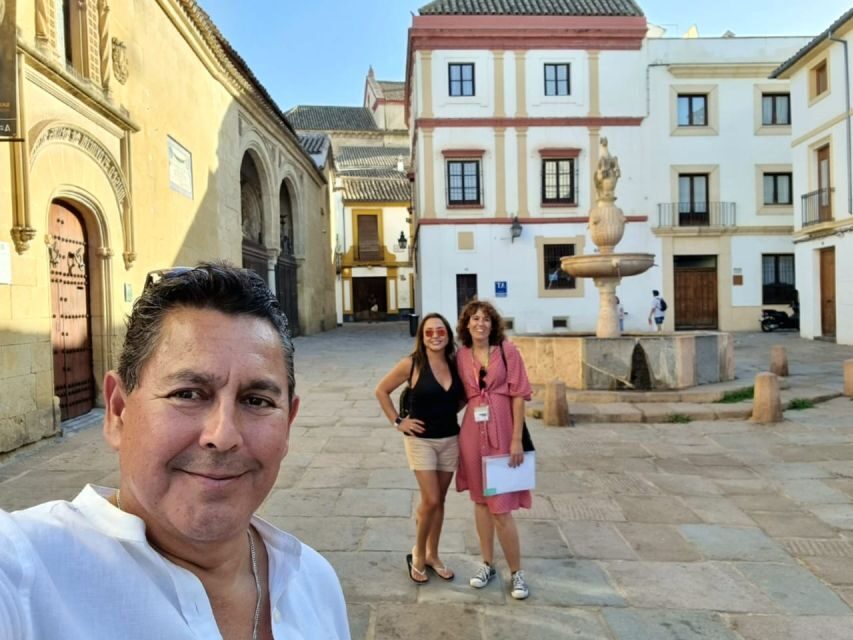
Most good Córdoba days start with orientation, not monuments. The tour begins at Plaza de las Tendillas, a practical meeting point that’s easy to find once you’re in the city center. If this is your first visit, this is the moment to settle in: you’ll be guided on foot through neighborhoods where the street layout does a lot of the storytelling.
You’ll also hear the kind of small, specific context that makes later stops easier to understand. The tour is built to help you connect names, places, and legends to what you’ll actually see—without turning the day into a race.
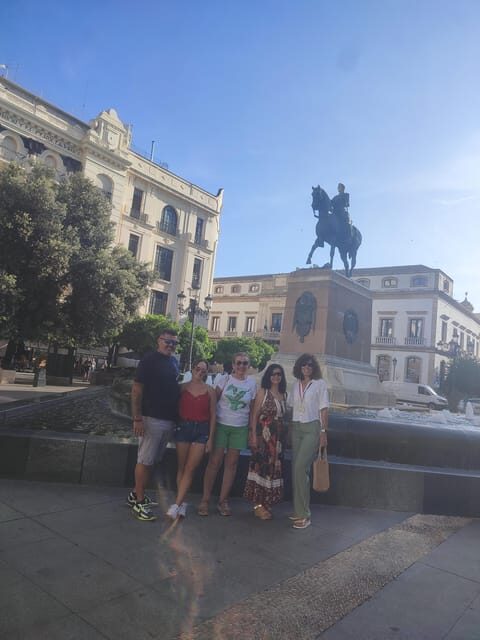
Tip: if you’re arriving right before the tour, give yourself a little buffer. The meeting point is in front of the equestrian sculpture of the Great Captain, with a flag for Córdoba Única.
Other combined monument tours we've reviewed in Cordoba
Photo stops that turn into real orientation (not just quick snapshots)
The early portion includes photo stops and guided walking, and that matters more than it sounds. A lot of guided city walks fail at the beginning because they spend too long on “look here” moments. This one uses the early stops to set your mental map of how Córdoba’s layers connect.
You’ll pause to look, but you’ll also get explanations while you’re still fresh—before the walking adds fatigue. That’s when the tour is most useful: when it helps you read the city like a map instead of a background scene.
A small practical note: the tour mentions headsets for groups larger than 15 people. If you end up in a bigger group, the headsets can be the difference between hearing the story well and constantly asking people to repeat themselves. In smaller groups, you might not need them.
The Roman Temple stop: understanding Córdoba’s long timeline
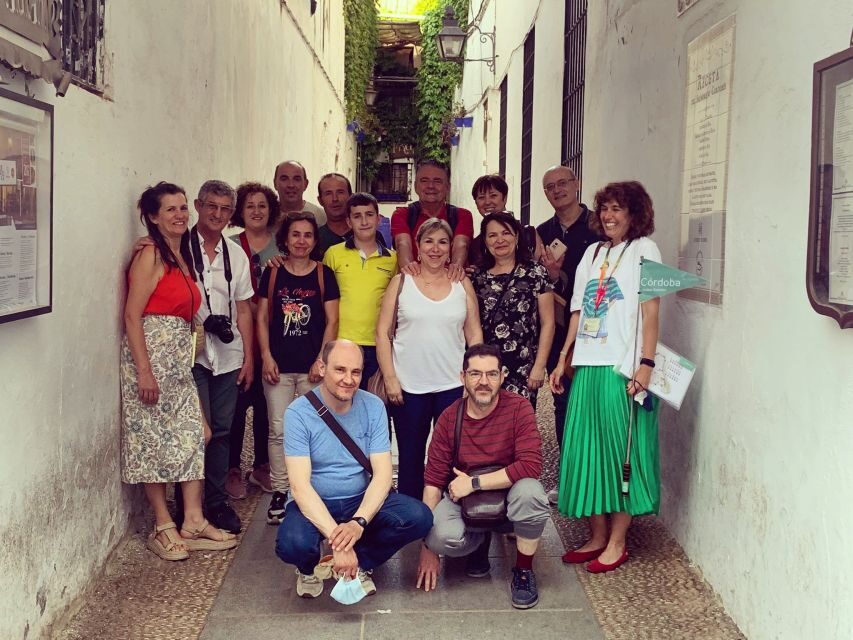
One of the first major sites is the Roman Temple of Córdoba area. This is where the “three cultures” idea gets a crucial reality check: Córdoba wasn’t invented by any single era. Roman presence is part of the foundation, and it helps explain why so much of the city feels layered rather than rebuilt from scratch.
At this stop, expect a mix of photo time, viewing, and guided commentary. The payoff is that later sections—Arabic and Jewish areas—don’t feel like isolated chapters. Instead, you see them as part of a longer urban story.
Potential drawback: if you’re the type who only loves huge, dramatic ruins, this Roman stop may feel more “contextual” than “spectacular.” Still, it’s valuable because the tour is designed for understanding, not just collecting highlights.
Corredera Square: a lively pause with historical context
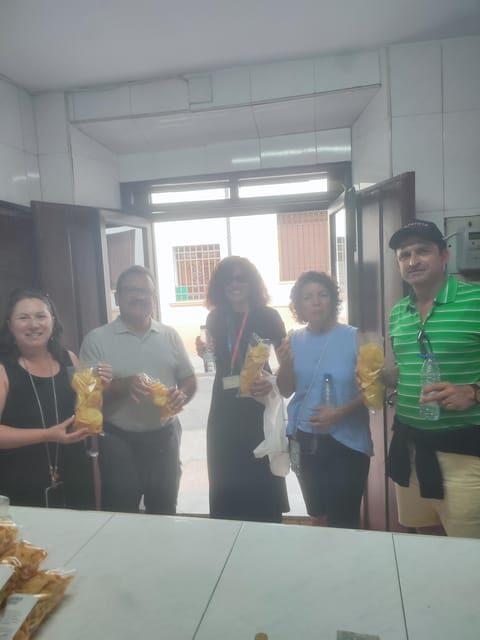
Next comes Corredera Square. In tours like this, the value of a square stop is that it gives your legs and brain a break without losing momentum. Córdoba’s spaces often work like stages—sunlight, shadows, and street rhythms help shape daily life—and squares are where those patterns become easier to feel.
You’ll get guided tour time here as well, so it’s not just a break to stand around. The guide’s job is to connect what you see in the open space to the tighter, older streets you’ll walk through later.
If you’re sensitive to heat or sun, this is a good spot to remember water and pace yourself. Even though the tour runs regardless of weather, summer heat can turn an otherwise quick 2 hours into a slog if you start too fast.
Plaza del Potro: where stories feel local
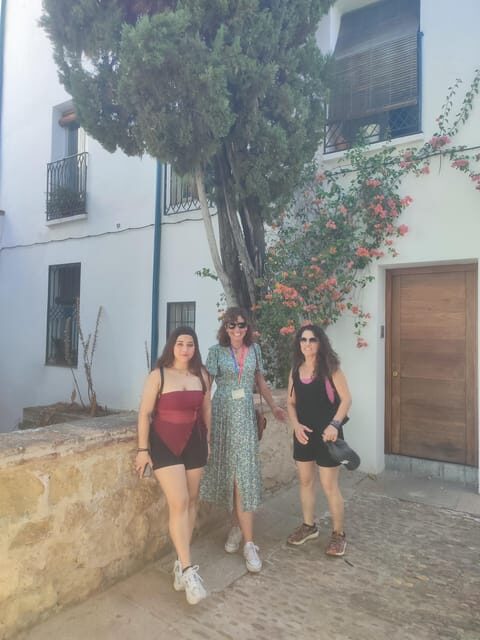
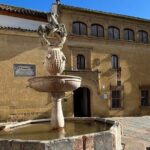
Then you’ll head toward Plaza del Potro. This is one of those Córdoba stops that feels like it belongs to the everyday rhythm of the city, not only to tourists. The guided time here helps you understand why certain locations became gathering points and why they still matter.
Expect another round of photo stop plus guided tour. Again, the structure is designed to keep you oriented while you walk, so you’re not just stopping for scenery—you’re learning the logic behind the layout.
Small suggestion: treat these square and plaza stops like checkpoints. Use them to look back at where you’ve come from and mentally connect the path. It makes the next part—the maze—make more sense.
Other city tours we've reviewed in Cordoba


Calle Pedro Jiménez break time: a breather that still keeps the vibe
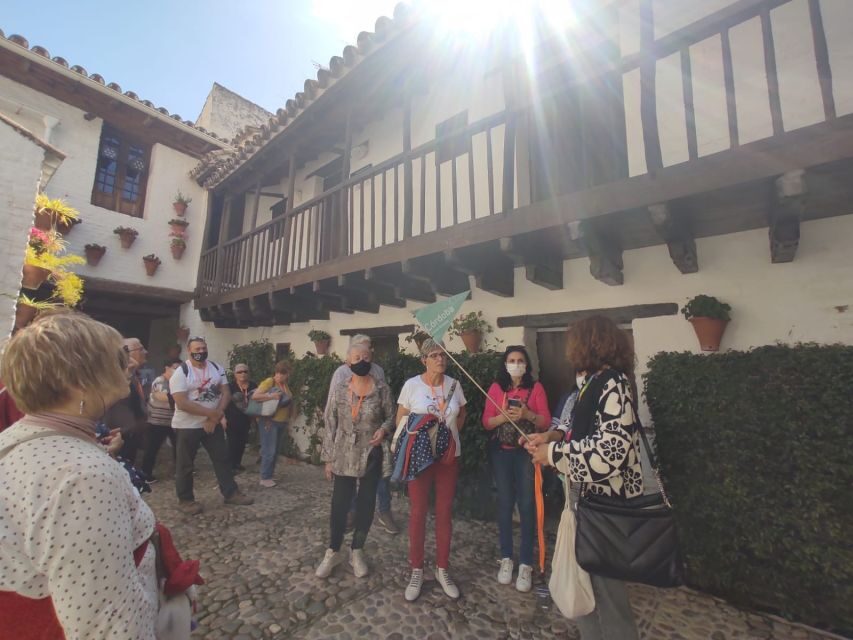
The tour includes Calle Pedro Jiménez with a scheduled break time. This is the kind of practical move that makes a 2-hour tour actually enjoyable instead of exhausting. You get a moment to reset while staying on track.
Even if you don’t plan to do a full food stop, you’ll still appreciate the pacing. At this stage, you’re moving into the parts of the walk where the street layout starts doing the heavy lifting. A short breather helps you enjoy the narrow lanes without feeling rushed.
Calleja de las Flores: narrow streets, big atmosphere
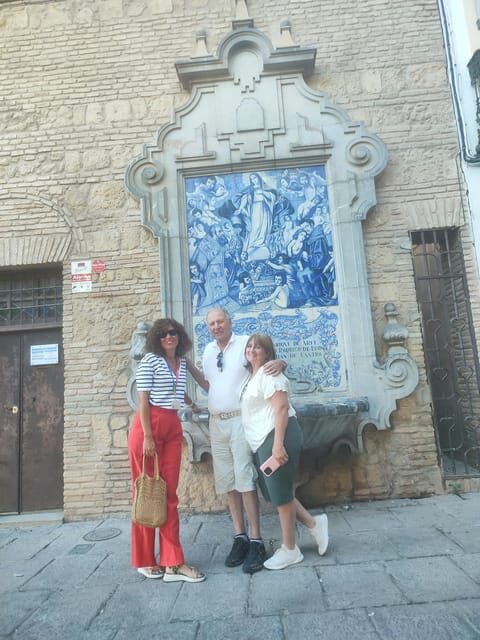
Next is Calleja de las Flores. A street like this can look pretty in a photo, but its real value during a guided walk is how it changes your sense of space. Narrow lanes, corners, and sudden views make it easier to feel why Córdoba’s older neighborhoods weren’t designed for “easy sightseeing.” They were designed for living.
This stop includes photo and guided tour time. The guide’s job is to connect those tight streets to the cultures you’re learning about—so you’re not only seeing a postcard lane, you’re understanding why it fits into the city’s past.
If you’re traveling with family or friends who prefer fast movement, you might feel tempted to skim. Don’t. This is one of the places where the guide helps you slow down just enough to notice the details that make the neighborhood feel real.
La Judería and the synagogue: where the three-culture idea gets tangible
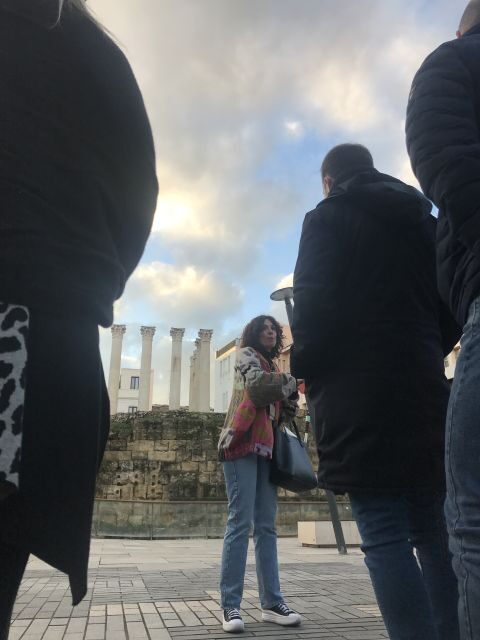
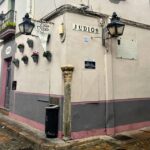
The heart of the experience is the La Judería area (the Jewish Quarter), where you’ll spend guided time and include entry tickets to the synagogue. This is where the tour stops being a general orientation and becomes a clear learning experience about how Jewish life fit into the city.
The tour is built to explain Córdoba through a Jewish, Arabic, and Christian lens. In practice, that means you should listen closely here, because the route through La Judería is the portion that benefits most from having actual entry into a religious site. Exterior viewing can teach you what buildings look like. Entry helps you understand what the space meant.
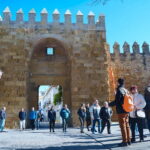
You’ll also learn about what the wall of Córdoba was like—at least as explained through the historical context the guide provides. That kind of information changes the way you read neighborhood edges and street structure. Even if the walls aren’t fully standing the way they once were, the idea of protection, boundaries, and community planning helps everything click.
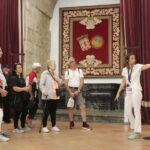
One more thing to watch for: the synagogue visit can be a quieter moment in the middle of a walking-heavy tour. If you’re someone who tunes out during indoor explanations, give it your full attention anyway. This is one of the included parts you’ll feel most on later, when you remember what you actually saw.
Finishing at the Roman Bridge: the walk lands with a strong final image
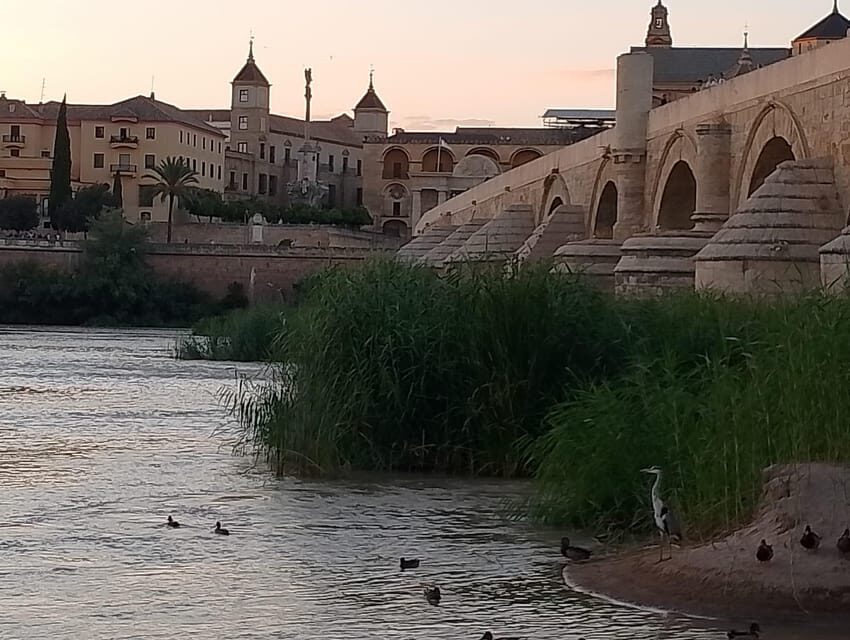
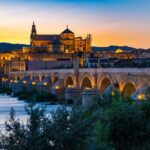
The tour ends at the Roman Bridge of Córdoba. This finish works well because a bridge is a natural way to end a city story: it connects sides, it frames views, and it gives you an idea of how movement through the city mattered in multiple eras.
By the time you reach the bridge, you’ve already heard about Roman presence, and you’ve walked through Arabic and Jewish contexts too. Ending here helps tie the route together visually and conceptually, so the city doesn’t feel like unrelated stops stitched into a route.
Practical tip: plan to linger a bit after the tour if you can. Even without going anywhere fancy, standing by the bridge and looking back can help you “lock in” the patterns the guide taught you.
Price and value: €11 for a focused, included-site tour
At about $11 per person for a 2-hour guided walk, this tour is a good value—especially because it includes synagogue entry. Many low-cost city walks feel like they’re paying for the guide’s time only. Here, you’re also getting a paid-access component, plus the guide’s route planning and interpretation of UNESCO-area neighborhoods.
You’re paying for something that’s hard to self-create on your first day: a structured explanation of Córdoba’s three cultural layers while you’re physically moving through the streets.
Where it fits best: if you have limited time, doing this early can save you headaches later. You’ll know what to look for when you return on your own—whether that means focusing on Jewish Quarter lanes, spotting Arabic-era traces, or understanding how Christian-era Córdoba fits into the same urban space.
The guide quality is the real engine (Paula, Angela, Antonia, Angie)
This tour lives and dies by the guide, and the guides tied to this experience have been described as passionate, upbeat, and engaging. Names like Paula, Angela, Antonia, and Angie show up in feedback, and the consistent theme is energy plus clarity.
What I’d take from that if you’re deciding: this isn’t a strict “here’s the main landmark” route. It’s built to show you Córdoba through a local lens, and that comes through in how the guides explain things and choose what to point out.
Even when the tour language is Spanish, some feedback mentions guides summarizing for English speakers between stops. So if you don’t speak Spanish well, you might still get a workable experience—just don’t expect full bilingual depth. The tour also includes an audio guide in Spanish, which can help you follow along.
Weather, walking, and what to bring for a smooth day
The tour runs regardless of weather conditions. In real life, that means you should dress for wet or hot conditions and plan for uneven sidewalks.
You only need one essential item on the list: comfortable shoes. In Córdoba, comfort isn’t a luxury—it’s how you actually enjoy the narrow streets and longer stretches of walking without feeling miserable.
Group size can affect how easily you hear the guide. With larger groups, headsets are provided; with smaller groups, they’re not necessary. So if you’re particularly sensitive to audio, check that assumption in your head before you go.
Who this tour suits best (and who should reconsider)
This is a strong choice if you want:
- A first-day overview that helps you understand Córdoba quickly
- A walking tour that covers more than the most obvious tourist stops
- A chance to connect three cultural eras to real places, including synagogue entry
You might want to reconsider if you:
- Have significant mobility constraints (the information given includes a conflict: wheelchair access is stated, but it also says not suitable for mobility impairments)
- Prefer longer museum-style visits instead of street-level walking
- Want a purely photo-focused tour with minimal listening
Should you book the Córdoba Three Cultures tour?
I’d book it if you’re trying to do Córdoba in one day without getting lost in the explanations. For $11 and a 2-hour timeline, the mix of guided walking, UNESCO-area neighborhoods, context about the wall of Córdoba, and synagogue entry makes it a practical value play.
If you have limited time, this is one of those tours that pays off later: it gives you a framework, and then your own exploring becomes faster and more meaningful. Just be honest about walking comfort, and if accessibility affects you, ask the provider directly before committing.
FAQ
How long is the Córdoba of the Three Cultures walking tour?
The tour lasts 2 hours.
What language is the live guide?
The live tour guide is Spanish.
Is there an audio guide?
Yes. An audio guide in Spanish is included.
Where does the tour start?
The meeting point is Plaza de las Tendillas, in front of the equestrian sculpture of the Great Captain with a flag for Córdoba Única.
What’s included in the price?
Included are headsets when needed, and entry tickets to the synagogue.
Is the synagogue visit included, or is it only from outside?
Entry tickets to the synagogue are included, so you can go inside.
What should I bring?
Bring comfortable shoes.
Does the tour run in bad weather?
Yes. The tour takes place regardless of weather conditions.
Is this tour suitable for people with mobility impairments?
The provided information includes a note that it is not suitable for people with mobility impairments, even though wheelchair accessibility is also listed. If mobility is a concern for you, confirm details with the operator before booking.