REVIEW · CORDOBA
Córdoba: City Sightseeing Hop-On Hop-Off Bus Tour
Book on GetYourGuide →Operated by City Sightseeing Europe · Bookable on GetYourGuide
Córdoba rewards bus windows with instant orientation, and this one-day pass hits the big sights fast with 27 stops and 10-language audio. I also like that the routes hug key monuments, so you can plan a stop for the Mezquita area, then hop off again for Roman views without committing to a long walk. One drawback to plan for: buses run on a set schedule with long gaps, so if you miss your timing, you may wait.
This tour is built for people who want the map in their head without feeling rushed. You get headphones, a kid’s audio option in Spanish, and enough stop density to turn a crowded day into a smooth one—especially when you switch between the larger panoramic bus and the smaller vehicle for tight streets.
If you’re the type who loves roaming on your own, treat the bus as your launch pad, then use hop-offs to slow down where it feels right. And yes, the sun can be intense—grab a seat where you can see, then take short breaks on foot when you want the details.
In This Review
- Key highlights you’ll actually feel on the ground
- Why the bus is such a smart move in Córdoba
- Red Line vs Blue Line: what you gain with each route
- The Panorámica Route (Red Line)
- The Intima Route (Blue Line) on the mini bus
- A practical one-day plan that won’t fry your schedule
- Gates and towers: what to look for beyond the obvious photos
- Original city gates you can spot from hop-offs
- Towers and fortress-related stops
- The Mosque–Cathedral and Alcázar zone: where the stories overlap
- Don’t miss the connected stops nearby
- Palacio de Viana and Palacio de la Merced: garden time on a schedule
- Palacio de Viana
- Palacio de la Merced (and nearby)
- Bonus: squares and Roman-adjacent landmarks
- Puente Romano: the stop that makes the evening easier
- The included Judería walk at 6pm: why it’s worth planning for
- Price, comfort, and the small issues worth knowing
- Comfort notes that matter in Córdoba
- Issues you should plan around
- Who this tour suits best (and who should consider a different plan)
- Should you book the Córdoba Hop-On Hop-Off Bus Tour?
- FAQ
- How long is the Panorámica (Red Line) route?
- How long is the Intima (Blue Line) route?
- When is the first and last departure from Stop 1?
- Where does the Judería walking tour start, and when is it?
- What languages is the audio commentary available in?
- Are tickets to attractions included in the price?
- Are pets allowed on the tour?
Key highlights you’ll actually feel on the ground
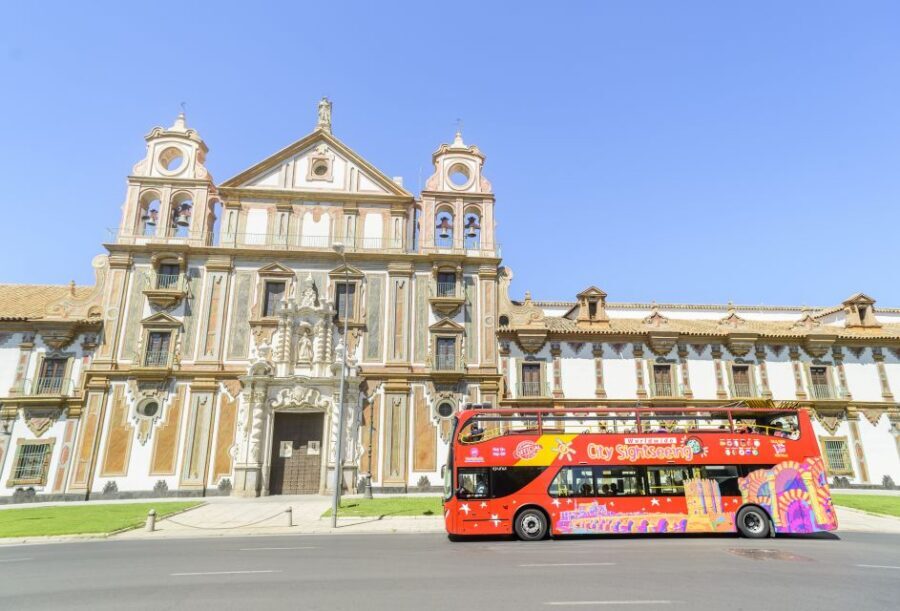
- Two route styles (Red and Blue) so you can balance big-sight coverage with narrow-street access
- Audio in 10 languages with headphones—plus Spanish kid audio—so you don’t need to read every sign
- Original Córdoba gate stops like Puerta de Almodóvar, Puerta de Sevilla, and Puerta del Puente
- Major towers and fortress features such as Torre de la Calahorra and the Malmuerta tower area
- Palaces on easy hop-offs including Palacio de Viana and Palacio de la Merced
- Included Judería walking tour at 6pm starting at Puente Romano for a guided finish
Why the bus is such a smart move in Córdoba

Córdoba’s history stacks on itself, and that’s exactly why this kind of hop-on hop-off format works. You’re not just seeing buildings—you’re catching the logic of the city: river-side approach routes, Roman traces, Islamic-era power centers, and later Christian layers all within short distances. From street level, it can feel like you’re bouncing between neighborhoods. From a bus, you get a clean overview first, then you can choose what deserves your walking time.
I especially like how the stops are placed near major landmarks: you’re not hunting for a “nearby” entrance. You can hop off for a photo at a gate, get your bearings near the Mosque–Cathedral area, then return to the bus when your legs start bargaining for mercy. And because commentary is available in multiple languages, the ride doesn’t feel like wasted time. Even if you only catch part of a story, it’s enough to make the sights click.
One more practical note: the tour includes headphones, so you can listen comfortably while you watch the city slide by. That matters in Córdoba, where light and shade change quickly and you’ll want your eyes on the streets as much as your ears on the audio.
Other hop-on hop-off bus tours in Cordoba

Red Line vs Blue Line: what you gain with each route

You get two routes with different “personalities,” and the best strategy is to mix them.
The Panorámica Route (Red Line)
- Tour duration: 70 minutes
- First departure from Stop 1: 9:30am
- Last departure from Stop 1: 6pm
- Buses run every 70 minutes
This route is the steady, classic sightseeing loop. It’s great for getting the broad picture and reaching the big clusters of sights. If you want the fastest way to understand where things sit—Roman to medieval to early modern—this is your backbone route.
The Intima Route (Blue Line) on the mini bus
- Tour duration: 30 minutes
- First departure from Stop 1: 9:30am
- Last departure from Stop 1: 6pm
- Buses run every 70 minutes
This one is built for the tight lanes. You’ll be able to see parts of Córdoba that a larger bus can’t flow through as easily. It’s also handy when you want a quick ride between nearby stop points without doing the whole city walk.
Real-world tip: the smaller-route vehicle can run full, so if you’re aiming for a specific hop-off window, don’t treat the Blue Line like a guaranteed instant seat. If you need to be somewhere at a set time, give yourself breathing room.
A practical one-day plan that won’t fry your schedule
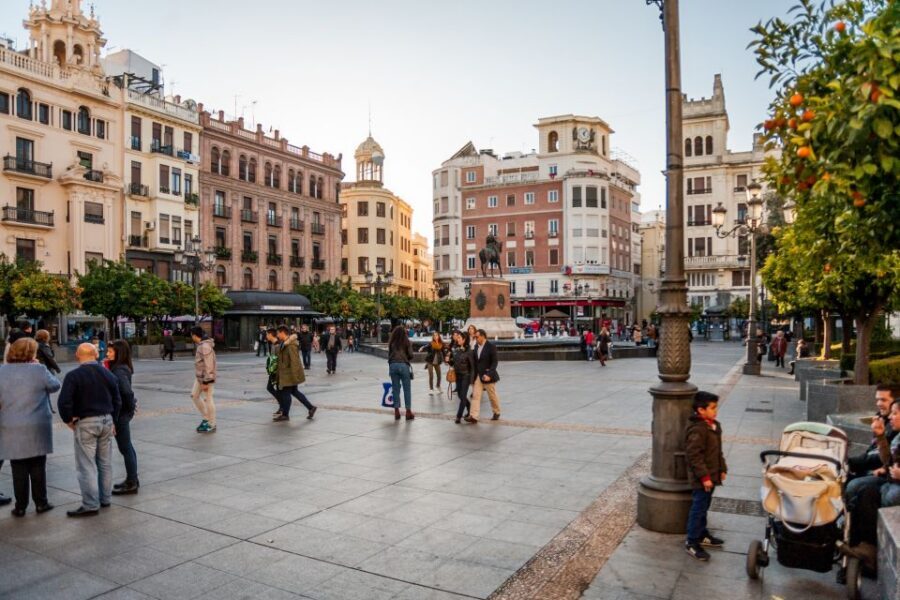
With a 24-hour hop-on hop-off ticket, you can start and end at allocated stops. That flexibility is useful, because Córdoba is best when you build your day around where you want to spend time (not around the bus, the bus should serve you).
Here’s a plan I’d follow for a smooth first visit:
Morning (orientation + first key monuments):
- Start on the Panorámica (Red Line) if you want the clearest big-picture flow.
- Use early hop-offs around markets and viewpoints so you can walk around while energy is high.
- Aim to hit the Mezquita–Catedral area and the Alcázar region earlier rather than later. The bus schedule will keep working, but ticket lines and heat can make your day feel longer as afternoon drifts on.
Midday (palaces + gates + quick wandering):
- Move between stops for the Palacio de Viana and Palacio de la Merced areas, then do short on-foot loops.
- Use the gate stops (Puerta de Almodóvar, Puerta de Sevilla, Puerta del Puente) as mini “photo breaks” plus orientation points. They’re not just pretty stone—each one helps you understand how the city was controlled and connected.
Late afternoon (Roman focus + timing for the walking tour):
- Hop toward Puente Romano and nearby areas to set up for the evening.
- Build in time to sit, cool down, and avoid rushing. You’ll do better on the walk when you’re not already overdrawn in energy.
Evening (included Judería walk):
- The Judería walking tour starts at 6pm from Puente Romano (Stop 16 on the Panorámica route) and runs for 1 hour.
- If you do nothing else that day besides show up on time, you’ll still get real value from the included guide format. It turns the neighborhood into a story you can actually follow on foot.
Other city tours we've reviewed in Cordoba


Gates and towers: what to look for beyond the obvious photos
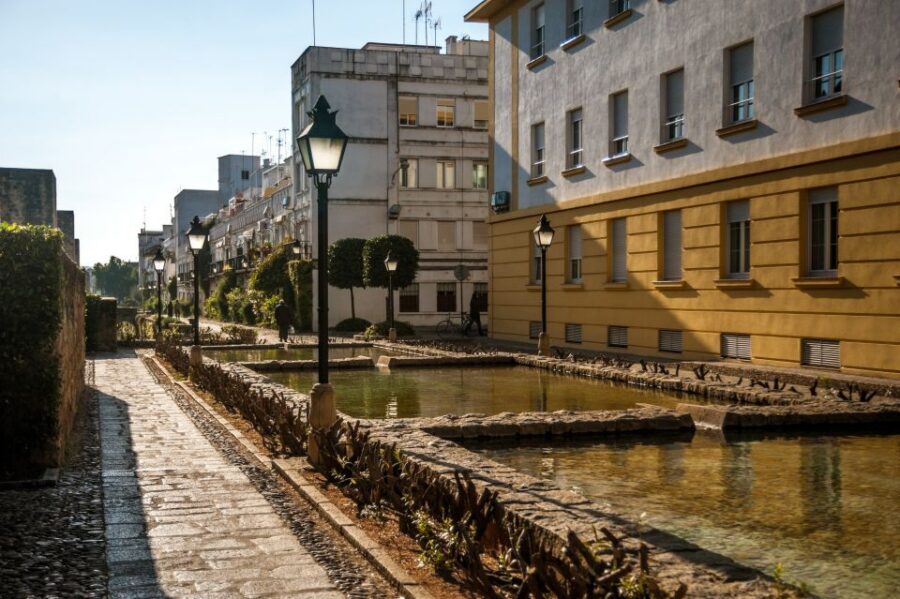
One reason this tour earns its place is that it doesn’t only point you at famous interiors. It also sets you up for the city’s defensive and ceremonial edges.
Original city gates you can spot from hop-offs
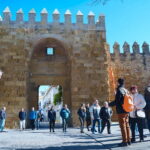
You’ll see three of the original thirteen city gates:
- Puerta de Almodóvar
- Puerta de Sevilla
- Puerta del Puente
What I like about these stops is how they act like anchors. When you’re looking at ruins or old walls, it’s easy to lose scale. Gate stops give you “this is where the city’s boundary was” context. Even if you only spend 10–20 minutes at each, your mental map improves fast.
Towers and fortress-related stops
Expect stops tied to defensive and historic structures, including:
- Malmuerta tower area
- Belén tower
- Puerta del Rincón area
- Torre de la Calahorra
- Donceles tower
This is where you start noticing Córdoba as a controlled urban system, not just an art postcard. You also get a sense of how power moved through the city—especially because Córdoba’s religious and political roles shifted over time. The audio helps connect the dots without forcing you to read a thick guidebook during your ride.
Possible drawback to watch for: some of these are best appreciated with a short walk from the stop. If you treat every gate like a five-second selfie stop, you’ll miss the strongest “why it matters” part.
The Mosque–Cathedral and Alcázar zone: where the stories overlap
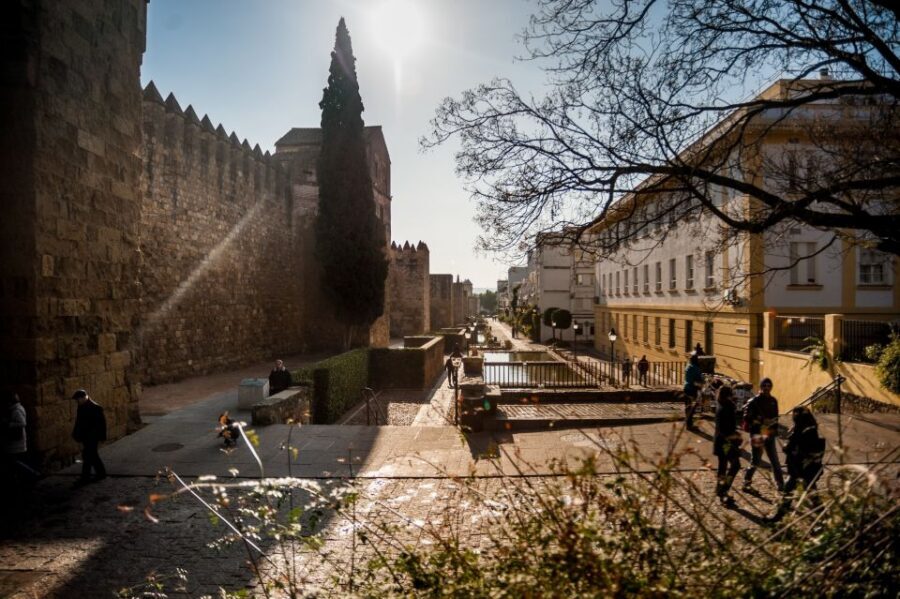
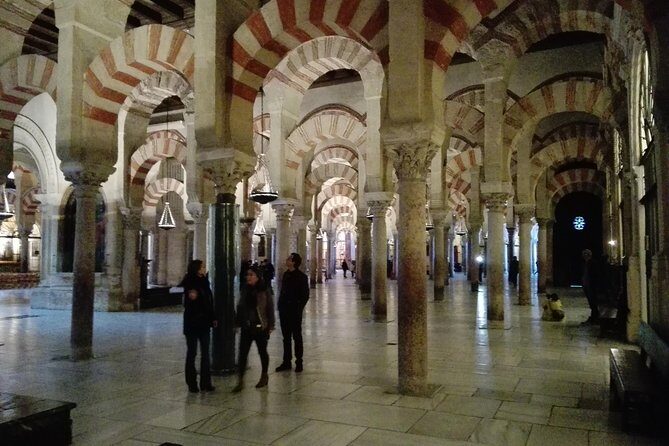
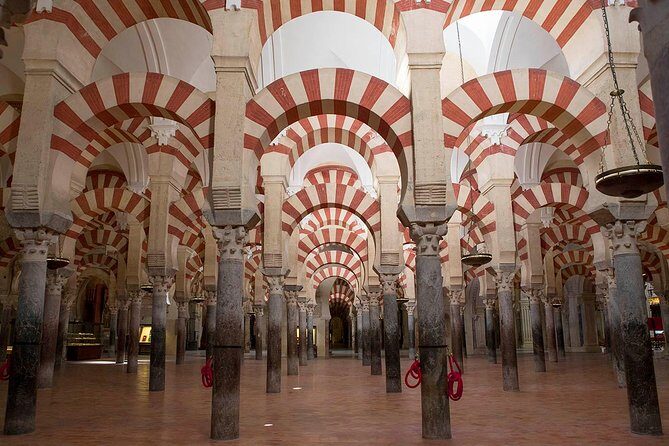
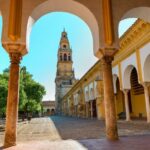
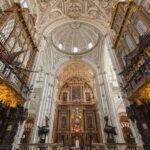
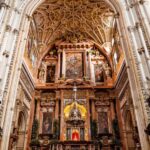
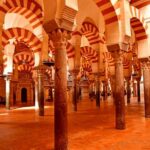
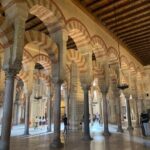
Córdoba’s most famous site is the Mosque–Cathedral of Córdoba area. The bus audio includes the religious history behind it, and that’s a big deal because the building isn’t just impressive—it’s a timeline you can feel.
When you hop off at Mezquita – Catedral, you’ll be in the center of the city’s layered identity. Then you can connect that to the Alcázar de los Reyes Cristianos region, which sits in the same broad zone of significance.
Don’t miss the connected stops nearby
This tour also references:
- Torre de la Calahorra
- Baños Califales – Alcazar (Caliphal baths area)
- Alcázar-linked hop-offs
Even if you don’t buy tickets for everything (attractions aren’t included), these stops set you up to choose your “ticket priorities.” I like that the bus doesn’t pretend you can do every indoor site in one day. It gives you access points and context, and you decide what fits.
Practical heads-up: attraction entry tickets are not included, so plan for separate ticketing for the Mosque–Cathedral, Alcázar, and any other indoor monuments you want. Use the bus to arrive ready, not to replace those tickets.
Palacio de Viana and Palacio de la Merced: garden time on a schedule
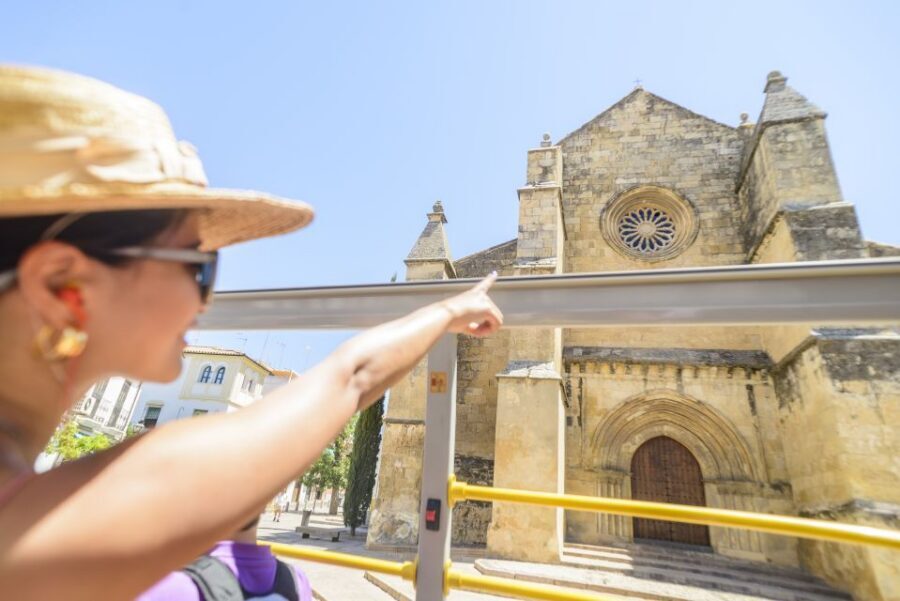
If you want Córdoba to feel softer after all the stone and power, make space for the palaces.
Palacio de Viana
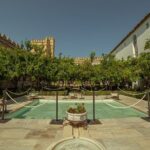
There’s a dedicated stop for Palacio de Viana. This is one of those places where you can slow down and let the architecture and courtyards do the talking. Even if you only peek into the general vibe before committing, you’ll understand why palaces in Córdoba aren’t just rooms—they’re whole micro-worlds built around space and light.
Palacio de la Merced (and nearby)
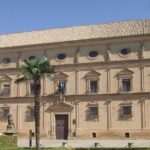
You’ll also find Palacio de la Merced – Diputación as a hop-off point. This stop is useful because it pairs well with wandering in nearby squares and streets afterward. It helps you turn the bus day from “sightseeing stops” into “small neighborhood loops.”
Bonus: squares and Roman-adjacent landmarks
The tour includes stops around:
- Plaza de las Tendillas
- Plaza Corazón de María
- Ayuntamiento – Templo Romano
- Arco del Portillo
These aren’t just fillers. Squares let you take a breather, refill water, and reset your brain between ticketed sites. The Roman temple area and nearby arch help you connect older Córdoba elements to the later medieval layout.
Puente Romano: the stop that makes the evening easier
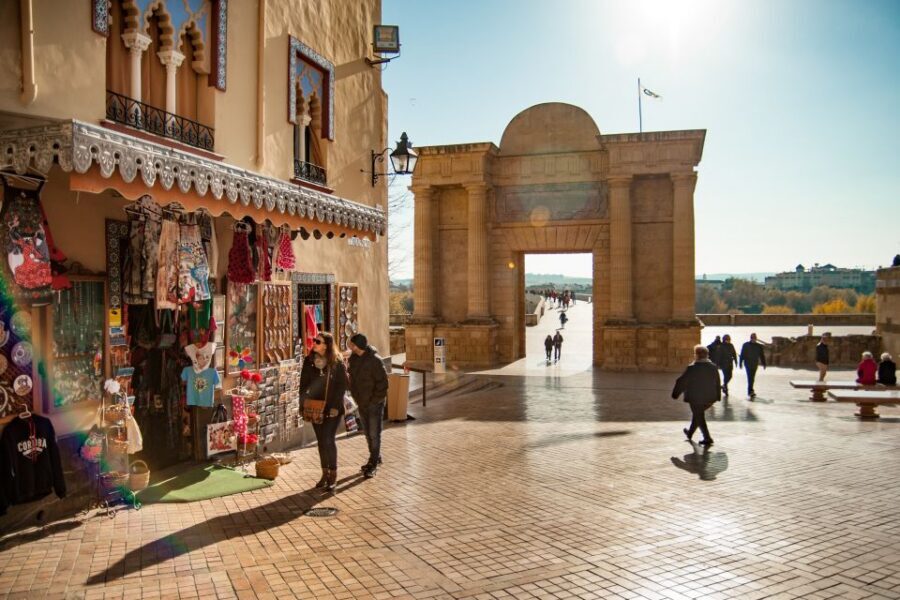
One of the easiest ways to organize a day is to pick a “home base” stop you’ll return to. For this tour, Puente Romano is exactly that. It’s both a sight and a coordination point.
You’ll see it on your route, and it matters even more because it anchors the included evening walk:
- Judería walking tour starts at 6pm from Puente Romano (Stop 16 on the Panorámica route).
If you want a simple rule for planning: when you reach Puente Romano, you’re close to finishing well.
Plus, a river-adjacent Roman bridge view gives you a different angle than the gated-stone stops. You get a broader look at where Córdoba breathes—on the Guadalquivir river corridor—before you go back into the older lanes.
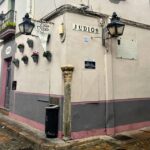
The included Judería walk at 6pm: why it’s worth planning for
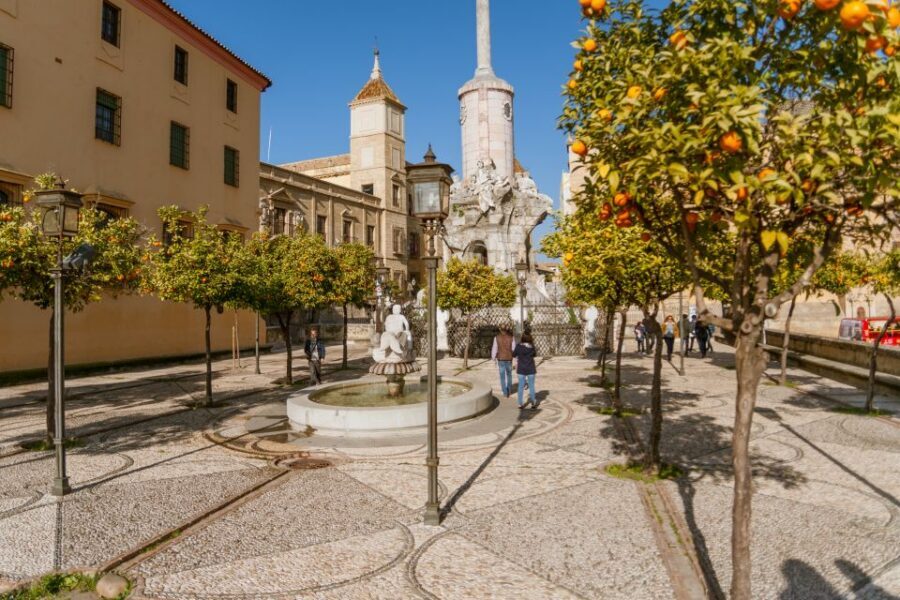
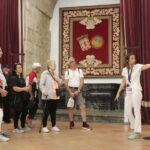
This is one of the best pieces of value on the ticket because it’s not another bus loop. It’s a guided walk in the Judería—and it starts right where you can still enjoy the evening.
Key details:
- Starts: 6pm
- Location: Puente Romano (Stop 16, Panorámica route)
- Duration: 1 hour
- Available languages: Spanish and English
What I like about including this walk is the pacing. A bus day can feel like a series of photos with distance between them. A one-hour walking tour ties together streets, heritage, and the feel of the neighborhood. It’s also a smart way to avoid ending your day with only tired legs and big ticket photos.
If you’re choosing between bus time and walk time: protect the 6pm walk. Even if you’re not a super-interested history person, the guided format helps you notice things you’d otherwise miss on your own.
Price, comfort, and the small issues worth knowing
At $32 per person for a 1-day, 24-hour pass, the main question isn’t whether it’s cheap. It’s whether it’s efficient for your time. Here’s the value math I see:
- You’re paying for 27 stops, audio commentary in 10 languages, and headphones
- You’re also getting the included Judería walking tour
- Attraction tickets are not included, so you’re not paying for entry fees you may not use anyway
So the price makes sense when you want coverage and context more than “one building” depth.
Comfort notes that matter in Córdoba
You’ll be riding in open-air conditions depending on which seat you choose and the bus style. It can be bright and hot, so if you care about photos and visibility, you’ll want a seat that keeps you facing the streets.
Issues you should plan around
A few things can affect your enjoyment:
- Audio may feel out of sync at times, so expect the soundtrack to be a hair behind the bus motion.
- The smaller Blue Line can be busy, and you might need patience to get a seat.
- Finding the exact timetable or map from the app can be tricky, so don’t run on “I’ll figure it out in my head” mode. Use the stop signage and ask staff if you’re unsure.
- If any audio hardware feels weak, keep it simple: switch to another listening option quickly if you can.
None of these are deal-breakers. They just mean you should treat the bus schedule as real transportation, not as an instant Uber-style service.
Who this tour suits best (and who should consider a different plan)
This is a good match if you:
- Want an easy overview in a short time window
- Like hop-on flexibility while you decide what deserves deeper time
- Prefer hearing the story while you ride rather than reading it all afterward
- Travel with kids (there’s kid audio in Spanish)
- Need a wheelchair-accessible option
It may be less ideal if:
- You’re the kind of visitor who prefers long, slow wandering and has extra days to do it all on foot
- You dislike waiting between buses and want constant motion
One more reality check: Córdoba is walkable. So if you’re already planning an intense walking itinerary, this tour can still help—but use it as your “orientation tool” rather than expecting it to replace everything.
Should you book the Córdoba Hop-On Hop-Off Bus Tour?
Yes, I’d book it if you want a clean, efficient way to cover Córdoba’s major sights in one day. The combo of multiple routes, lots of stops near landmarks, headphones with 10-language commentary, and the included 6pm Judería walk gives you more than just transportation—it gives you a day plan.
Skip it only if you’re already confident you’ll navigate the city without needing stop density, or if your schedule is so tight that the fixed bus intervals will annoy you. Otherwise, this is one of the easiest ways to get your bearings fast and spend your walking time where Córdoba is most interesting: at the gates, the palace courtyards, and the historic lanes near Puente Romano.
FAQ
How long is the Panorámica (Red Line) route?
The Panorámica Route takes 70 minutes.
How long is the Intima (Blue Line) route?
The Intima Route takes 30 minutes.
When is the first and last departure from Stop 1?
For both routes, the first departure from Stop 1 is 9:30am, and the last departure is 6pm.
Where does the Judería walking tour start, and when is it?
The Judería walking tour starts at 6pm from Puente Romano (Stop 16 on the Panorámica route) and lasts 1 hour.
What languages is the audio commentary available in?
Audio commentary is available in Spanish, Chinese, English, French, German, Italian, Japanese, Arabic, and Russian.
Are tickets to attractions included in the price?
No. Tickets to attractions are not included.
Are pets allowed on the tour?
No. Pets are not allowed.