REVIEW · CORDOBA
Cordoba: Medina Azahara by Night
Book on GetYourGuide →Operated by Eventour Andalucía Incoming S.L · Bookable on GetYourGuide
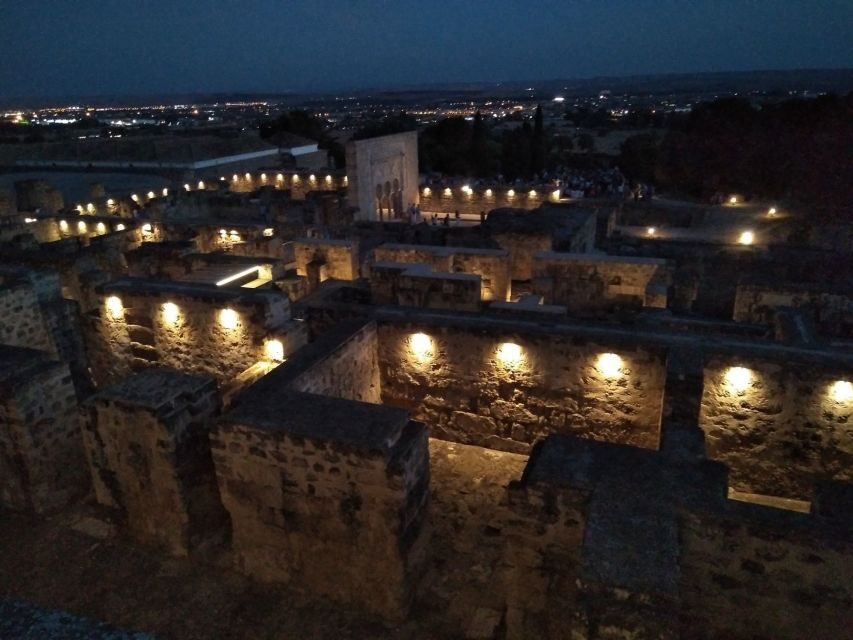
Night turns ruins into a story. This Medina Azahara night tour takes you from Córdoba to the 10th-century caliphate city of Abderraman III, lit up after dark for a guided, easy-paced visit.
What I like most is the focus. You’re guided by a licensed guide who helps you read the remains of palaces, grand entrances, and gardens, starting right at the main door of the archaeological site. I also like that you’re visiting a place recognized as a UNESCO World Heritage Site in 2018, so the tour connects the visible stones to what made this city important.
One thing to consider: it’s Spanish-only, and it’s not recommended for people with limited mobility. Also, there’s no shuttle bus included from the parking area to the site, so plan to get yourself there.
In This Review
- Key points before you go
- Medina Azahara at night: how the 10th century feels different
- Starting at the main door: you’ll waste less time, learn more
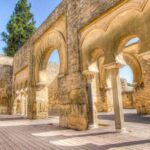
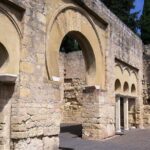
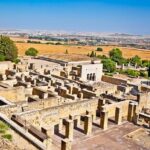
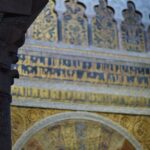
- Palaces, entrances, and gardens: what you’re actually seeing on the walk
- Palace remains
- Grand entrances
- Gardens and open areas
- UNESCO World Heritage 2018: why that label matters here
- Skip-the-line entry and the 2 to 2.5 hour time window
- Getting there: parking, the missing shuttle, and what to plan
- Language and guide style: Spanish-only means you should pack the right expectations
- Who should book this Medina Azahara by Night tour
- Price and value: is $15 fair for what you get?
- Should you book Medina Azahara by Night?
- FAQ
- What’s the duration of the Cordoba: Medina Azahara by Night tour?
- How much does the tour cost?
- Is the tour ticket included?
- Is there skip-the-line entry?
- What language is the guide?
- Do I get a shuttle from parking to the archaeological site?
- Is the tour suitable for people with limited mobility?
- What’s the cancellation and payment flexibility?
Key points before you go
- Evening lighting changes how you understand the site, not just how it looks.
- Start at the main door with your guide waiting on-site, so you don’t waste time guessing.
- Palaces, entrances, and gardens are the core sights you’ll be walking between.
- UNESCO (2018) context helps you put the ruins in the right historical frame.
- Skip-the-ticket-line is a real time-saver for a 2 to 2.5 hour tour.
- Comfy shoes and water matter more at night than you’d expect.
Medina Azahara at night: how the 10th century feels different
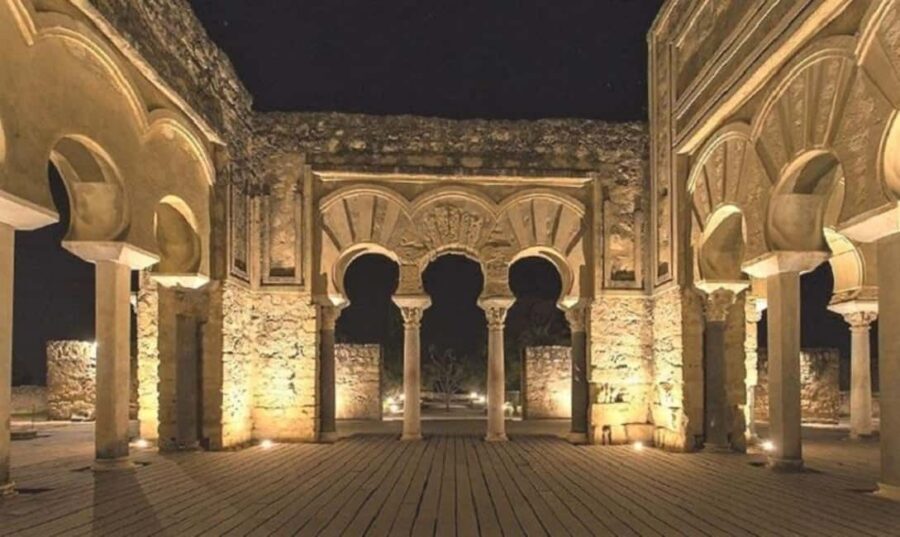
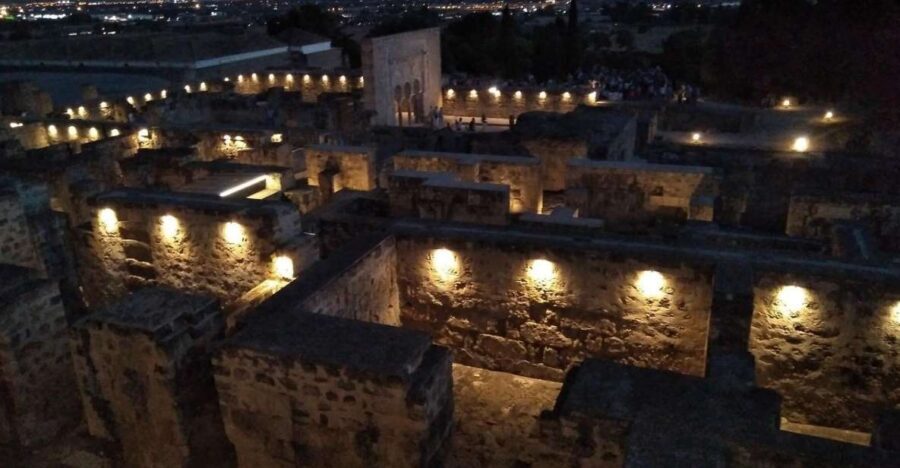
Medina Azahara is about 8 kilometers from Córdoba, and it’s the kind of place where “ruins” can undercut what you’re really seeing—until the lights come on. This is an archaeological site tied to the power and ambition of Abderraman III, and the night setting helps the layout make more sense. Instead of crowds and daytime blur, you get a guided walk where the guide helps you connect what you’re looking at to how this opulent city was designed to impress.
There’s also something practical here. A night tour with a set duration (about 2 hours, sometimes 2.5) keeps you from wandering. You follow a story through the main remains: grand entrances, palace areas, and gardens. That structure is a big deal for a place like this, because the site is spread out enough that free-form walking can turn into guesswork.
And because it’s lit up, you’re not just reading history off plaques. You’re seeing lines, shapes, and pathways in a way that feels closer to how the city might have guided people through space. If you like your history with atmosphere, this is the right format.
Other Medina Azahara tours we've reviewed in Cordoba
Starting at the main door: you’ll waste less time, learn more
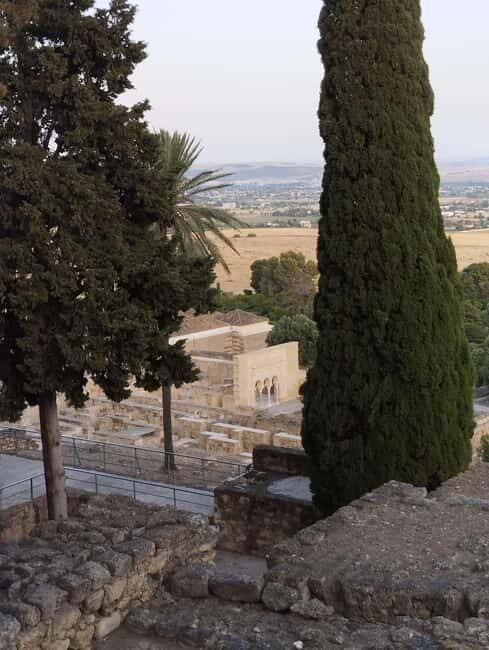
Right after you arrive, your guide meets you at the main door of the archaeological site. That detail matters more than it sounds. Many historical sites look similar at first glance, especially at night. Starting at the correct entry point means the guide can frame what you’re about to see, and you’ll get the main threads early instead of piecing them together halfway through.
From there, you’ll move through the remains with a live guide, and this is a 2-hour guided tour designed around explanations, not just photos. Expect your guide to point out what’s still visible and what it would have meant in the 10th century. The tour is described as uncovering the secrets the city possessed, and that tone usually translates to: why these spaces were built, how people would have moved through them, and what the design suggests about power, ceremony, and everyday life near the palaces.
One more key detail: the tour is Spanish only. That can be a deal-breaker if your Spanish is basic. If you’re comfortable reading a little and following spoken explanations, you’ll likely get a lot more from the guide’s historian-style commentary.
Palaces, entrances, and gardens: what you’re actually seeing on the walk
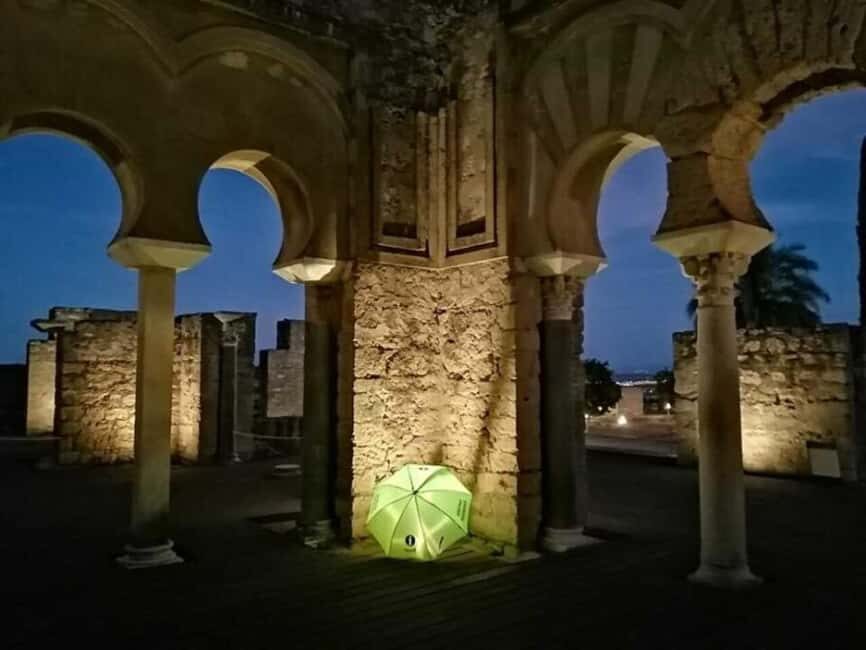
Medina Azahara is known for its palace complex ideas—remains of residences, monumental entrances, and landscaped areas. On this tour, those are not background scenery. They are the headline stops.
Palace remains
You’ll explore the remnants of palaces connected to the city’s most powerful role in the caliphate period. Even when details are worn down, palace zones tend to tell you two things quickly: hierarchy and design. Hierarchy because the spaces for authority usually sit apart from areas meant for ordinary visitors. Design because palaces were built to create movement, sightlines, and impressive arrival moments.
Grand entrances
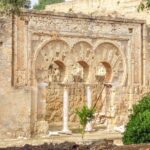
The tour specifically calls out grand entrances. That’s important because entrances are where a city broadcasts its status. You’ll get a guided interpretation of what made these access points ceremonial and memorable, and why they mattered in a city where rulers needed space to be seen.
Other night tours we've reviewed in Cordoba

Gardens and open areas
You’ll also visit gardens. At Medina Azahara, gardens aren’t just pretty extras. In many historic settings, landscaped areas helped define comfort, status, and how nature was used as part of the overall plan. At night lighting, gardens can help you understand the layout as something lived in, not just stacked stone.
Between these stops, you’ll be guided by history and explanation. That’s how a short tour turns into something more than a stroll.
UNESCO World Heritage 2018: why that label matters here
Medina Azahara is a UNESCO World Heritage Site, recognized in 2018. That doesn’t mean you’ll get a lecture about paperwork. What it does mean is that the site has been judged globally important for what it represents—historically, culturally, and archaeologically.
On the ground, the UNESCO value is in how the ruins are interpreted. When you see palaces, entrances, and garden areas at a site like this, you’re not just looking at old walls. You’re looking at material evidence for how a major power built, organized, and displayed authority in the 10th century.
A guided night visit makes this even more meaningful. The lighting and the guided pacing give you a chance to look beyond random fragments and treat the site as a system. That’s the difference between saying I visited ruins versus understanding why the remains are worth protecting and studying.
If you care about context, this tour’s UNESCO framing helps you connect the dots. And if you don’t care about labels, the guide’s explanations still help you read the site so it feels coherent instead of scattered.
Skip-the-line entry and the 2 to 2.5 hour time window
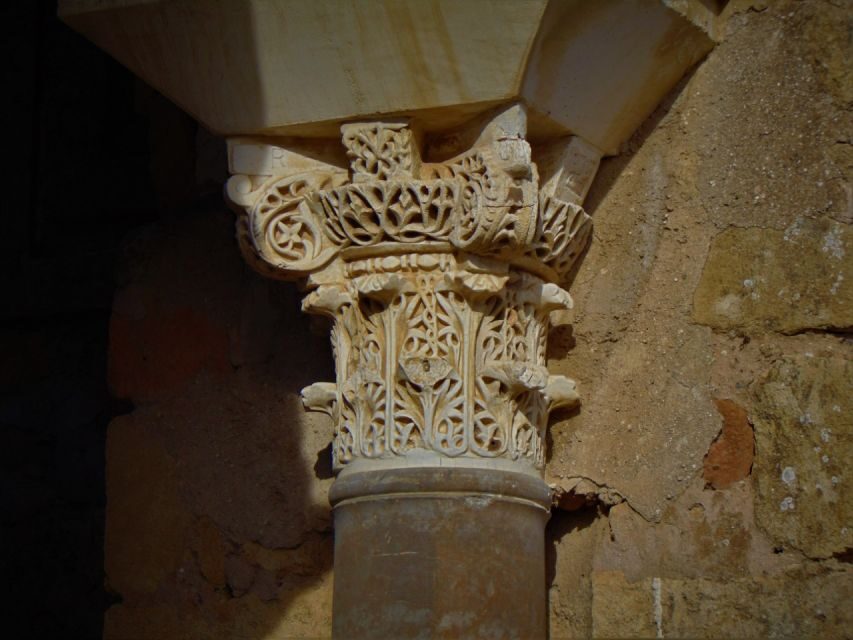
This tour includes your ticket, and it also offers skip-the-ticket-line. For a short experience, that’s a big quality-of-life upgrade. With only about 2 to 2.5 hours, you don’t have room for slow ticket queues. You want that time inside the archaeological area, not standing around.
The time window is also a practical advantage. A night visit is short enough that you can still enjoy Córdoba the same day. It’s long enough to move through key areas with the guide and hear a connected narrative about the city built by Abderraman III.
One caution: the walk is at an archaeological site, so you’ll want comfortable shoes. Uneven ground is common in outdoor ruins. Also, it’s recommended to bring water, which sounds obvious until you’re out after dark and realize you didn’t plan for a longer walk than you expected.
If you hate rushed tours, this is still a guided format with a set schedule. Think “structured story” more than “free roaming.”
Getting there: parking, the missing shuttle, and what to plan
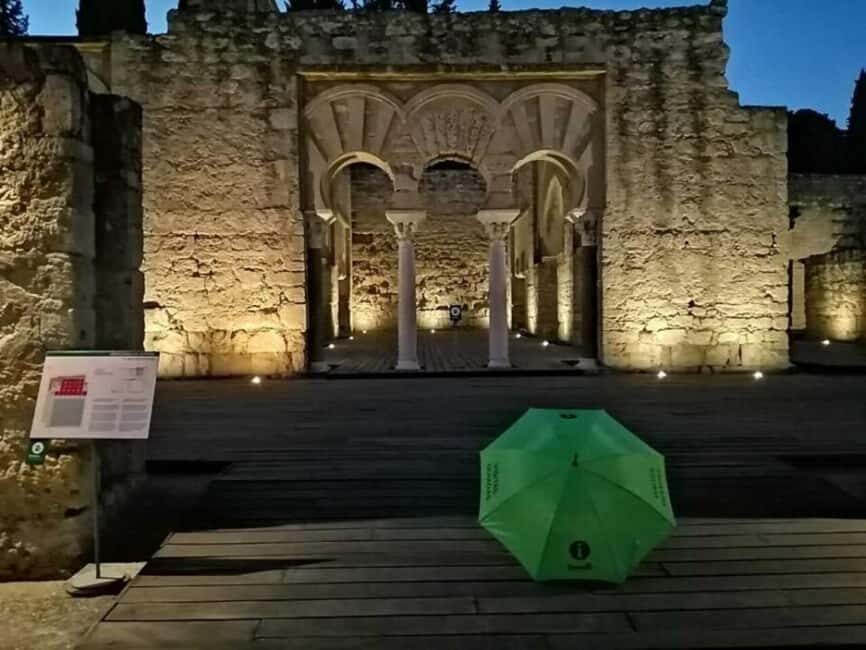
There’s a clear logistics point that can quietly affect your experience: the tour does not include a shuttle bus from the parking area to the archaeological site.
So here’s what to do with that information: when you plan your evening, decide how you’ll get from parking to the entrance area. If you assume there will be an included shuttle, you’ll be surprised. If you plan to walk that last stretch, you’ll feel fine.
Since the meeting point may vary depending on the option booked, you should also double-check your exact pick-up or meeting location before you go. The activity ends back at the meeting point, which is convenient, but it also means you want to be confident about where you’re starting and where you’ll return.
Finally, be realistic about mobility. This tour is not recommended for people with limited mobility, so if you or anyone in your group has walking challenges, you’ll want to choose a different format or speak with the provider before booking.
Language and guide style: Spanish-only means you should pack the right expectations
The tour is listed as Spanish only. That’s not a tiny detail. For a guided night experience where a historian-style explanation is part of the value, language affects how much you get out of every stop.
If you can follow Spanish comfortably, you’ll likely enjoy how the guide translates the site’s features into story: what each remaining area suggests, and why it mattered in the 10th century.
If your Spanish is limited, you can still enjoy the atmosphere and the illuminated ruins, but the “secrets and marvels” part will be harder. In other words: the night lighting will impress you. The deeper meaning depends on the guide’s explanations, and those are in Spanish.
About guide names: one guide name that shows up in feedback is Laura, and she’s specifically praised for delivering an excellent night experience. Still, your exact guide may vary by departure, so treat this as a helpful clue about the kind of guiding style you can expect from the team, not a guarantee that you’ll have the same person.
Who should book this Medina Azahara by Night tour
This works best if you want a guided evening visit to an archaeological site without spending your time figuring out what you’re looking at.
You’ll probably love it if:
- You enjoy historical storytelling and want help connecting the visible remains to the 10th century.
- You like night atmosphere, especially when ruins are illuminated.
- You can follow explanations in Spanish, even if you’re not fluent.
You may want to skip or rethink it if:
- You need an option that’s not Spanish-only.
- Your group includes mobility limitations, since it’s not recommended for limited mobility.
- You don’t want to handle the “no shuttle from parking” reality.
Also, this is a good “first-timer to the site” choice. The guide-led structure helps you get your bearings fast, and you leave with a clearer sense of what Medina Azahara was meant to be.
Price and value: is $15 fair for what you get?
The price is listed at about $15 per person, with a duration of 2 to 2.5 hours. On paper, that’s simple. In practice, the value comes from the mix:
- You get guided interpretation from a licensed guide.
- You see the main remains tied to palaces, grand entrances, and gardens.
- You visit the site in an evening setting with city illumination.
- You get skip-the-ticket-line, which protects your time.
- You’re visiting a UNESCO World Heritage Site recognized in 2018.
The only real value-limiter is logistics outside the ticket. There’s no included shuttle bus from parking, so if you need transport help, you’ll want to account for that. Also, because it’s Spanish-only, your language comfort is part of the value equation. If you can’t follow the guide, the experience may feel thinner than you hoped.
Still, for a short, focused guided night tour of a major archaeological site outside Córdoba’s center, $15 is a reasonable price—especially if you’re using the skip-the-line benefit wisely.
Should you book Medina Azahara by Night?
If you want an organized night visit, this is an easy yes. The tour matches the way most people actually enjoy Medina Azahara: not as a solo scavenger hunt, but as a guided story through the key remains, lit for atmosphere and explained for meaning.
Book it if you:
- Can do Spanish-guided tours.
- Prefer structure in your sightseeing, especially at archaeological sites.
- Want a short commitment you can fit around Córdoba plans.
Think twice if you:
- Need a tour in another language.
- Have mobility constraints.
- Assume transportation from parking will be handled for you.
Bottom line: for the price, the night lighting, the guide-led interpretation, and the UNESCO context, this is a strong way to experience Medina Azahara without wasting precious time.
FAQ
What’s the duration of the Cordoba: Medina Azahara by Night tour?
It lasts about 2 to 2.5 hours, depending on the starting time option you book.
How much does the tour cost?
The tour is listed at about $15 per person.
Is the tour ticket included?
Yes. Your tour ticket is included.
Is there skip-the-line entry?
Yes, the tour includes skip-the-ticket-line.
What language is the guide?
The live tour guide is Spanish only.
Do I get a shuttle from parking to the archaeological site?
No. A shuttle bus from the parking to the archaeological site is not included.
Is the tour suitable for people with limited mobility?
It’s not recommended for people with limited mobility.
What’s the cancellation and payment flexibility?
You can cancel up to 24 hours in advance for a full refund, and you can reserve now and pay later.