REVIEW · CORDOBA
Visita nocturna a Medina Azahara
Book on GetYourGuide →Operated by Córdoba Única · Bookable on GetYourGuide
Night turns ruins into a story. Medina Azahara is a UNESCO site you see in a new light, and this officially guided format is built for summer nights when the past feels closer. You walk through the grounds with an organized plan and explanations that turn stone into people, plans, and politics.
I also like the practical setup: when the group gets larger than 10, you get radio guides with single-use headphones included in the price. That matters here, because you want to hear every detail without leaning toward your neighbor.
One drawback to keep in mind is logistics: the shuttle bus costs extra (and the drop-off can mean a short walk), and lighting can be on the dim side in parts of the complex.
In This Review
- Key highlights worth your attention
- Why this Medina Azahara night tour works so well in summer
- UNESCO Medina Azahara (2018) and why Córdoba has a special bragging right
- The palatine city story: Abderraman III, Alhaken II, and the people behind it
- How the official guide setup actually improves your experience
- What to expect during the 2-hour visit on the archaeological grounds
- Price and value: what $11 includes and what can cost extra
- Getting there from Córdoba: Córdoba Única, car parking, and Aucorsa Line O1
- What to bring, what’s not allowed, and who should skip this tour
- Should you book this Medina Azahara night visit?
- FAQ
- How long is the Medina Azahara night tour?
- What is the meeting point?
- Is the entrance fee included?
- Are radio guides included?
- Is the shuttle bus included in the price?
- What language is the tour guide?
- What should I bring?
- Is this tour suitable for people with mobility impairments?
- How strict is the cancellation policy?
Key highlights worth your attention
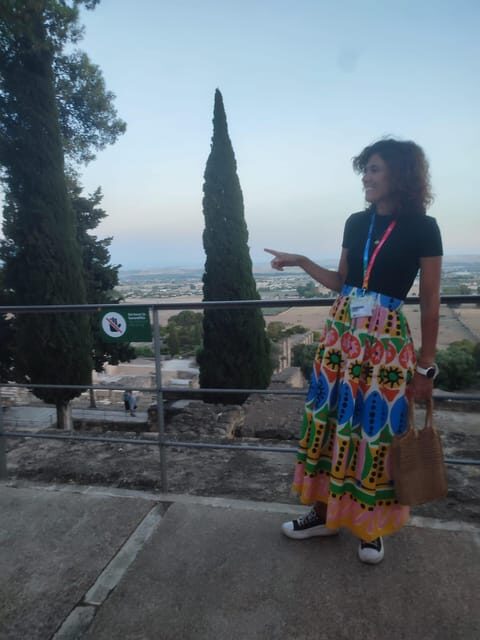
- Official tourism guides who keep the experience focused and clear
- Radio headsets when groups exceed 10 so you don’t miss key points
- Entertaining, timed explanations that help you understand what you’re seeing
- Personalized attention, especially compared with long, loose sightseeing
- Summer-night atmosphere that changes how the site feels
Why this Medina Azahara night tour works so well in summer
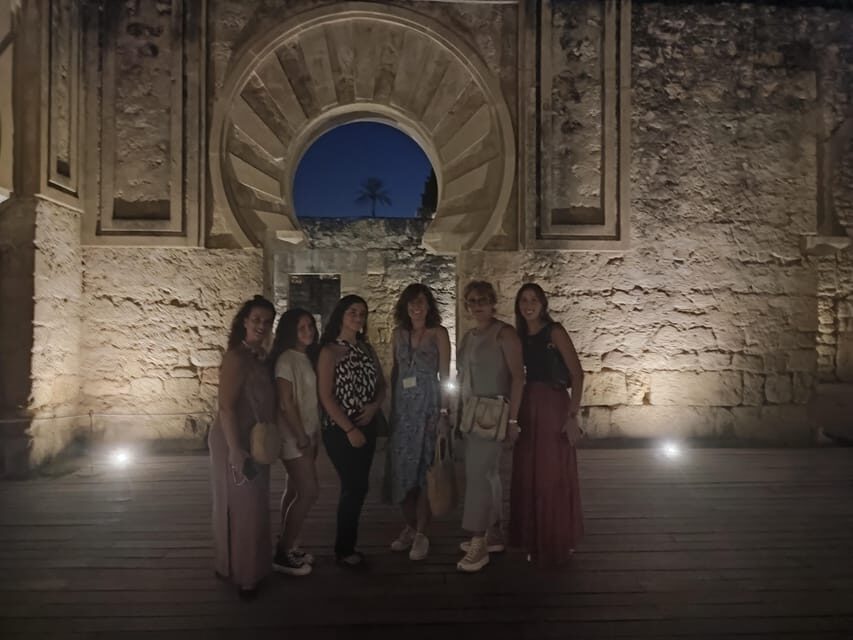
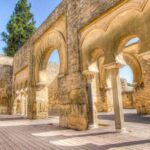
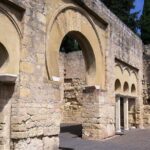
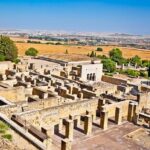
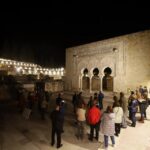
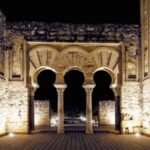
Medina Azahara is one of those places that can feel confusing if you go on your own: you see walls, foundations, and open space, but you need context to understand what you’re looking at. A guided night visit is a smart fix. In roughly 2 hours, the guide helps you connect the layout and the meaning, without turning it into a lecture you can’t absorb.
This is also a good match for summer travel patterns. During the day you’re usually doing cities, churches, museums, and viewpoints. A night tour gives you a different kind of outing: calmer timing, and a sense of story that fits the site.
Finally, you’re not just paying for the entrance. You’re paying for someone trained to explain the why behind it all. That shows in the way guides are described as prepared historians, with explanations that stay within the schedule.
Other Medina Azahara tours we've reviewed in Cordoba
UNESCO Medina Azahara (2018) and why Córdoba has a special bragging right
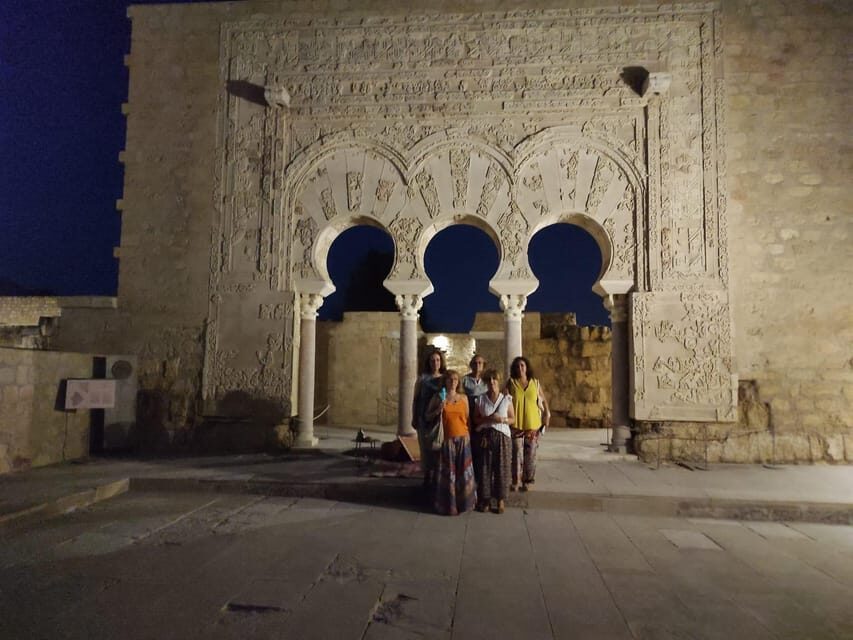
One reason this tour is worth your time is the scale of what Córdoba gained in 2018, when Medina Azahara was declared a UNESCO World Heritage Site. At that moment, Córdoba became the only city in the world with four heritage declarations. That’s not trivia for trivia’s sake. It signals that you’re not looking at a random set of ruins. You’re standing in a place that belongs to global history.
During your guided visit, that context helps you understand why the site is preserved and why interpretation matters. When you know it’s UNESCO-level significance, you pay more attention to details the guide points out, and you stop treating it like a quick photo stop.
And because the complex relates directly to the rise of al-Andalus power, it connects naturally to what you’ve probably already seen in Córdoba. This tour turns those big-picture monuments into a specific story: a palatine city that was planned, built, lived in, and then changed history.
The palatine city story: Abderraman III, Alhaken II, and the people behind it
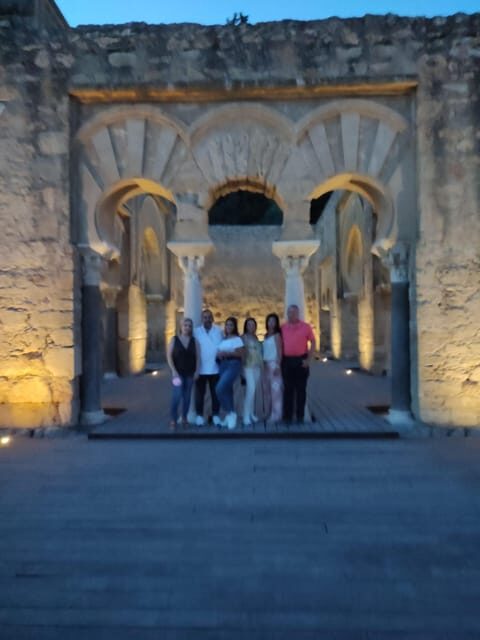
Medina Azahara wasn’t built as a casual settlement. It was ordered by the first Caliph of al-Andalus, Abderraman III, in 936, and it was completed by his son, Alhaken II. That timeline matters, because it frames the site as an intentional project with political meaning.
What I like about the way this is typically explained on the tour is that it doesn’t stick only to rulers and dates. It also brings in major figures connected with the cultural world of al-Andalus. Your guide weaves in names you can actually remember, like:
- Hasday Ibn Shaprut, a Jewish doctor
- Albucasis, also a doctor
- Lubna, an intellectual
Even if your interest is purely historical, these names help you picture a society with knowledge, medicine, and learning, not only administration and architecture. It’s the difference between seeing a ruin and understanding why a place like this would attract the brightest minds of its time.
If you like history that connects people to power and learning, you’ll get more out of this than a simple walk-through. If you prefer history strictly through architecture, the guide’s job is to keep the building blocks understandable in a short time.
How the official guide setup actually improves your experience
This tour runs with an official live guide. That’s a big deal at Medina Azahara, where the site can feel like open space plus partial structures. A guide’s interpretation helps you see relationships in the layout instead of just staring at remains.
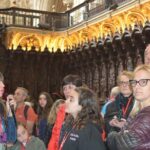
Group size also affects what you can hear. If the group exceeds 10 people, the tour includes radio guides with single-use headphones. That changes the experience in a practical way. You’re not forced into awkward positions to catch the guide’s voice, and you spend less time mentally translating sounds while you’re also trying to follow visual cues.
There’s also a strong theme in the guide feedback you get: guides described as especially prepared and effective at explaining. Names that have been specifically praised include Paula (praised as very prepared and an excellent historian) and Angie (praised as highly knowledgeable, upbeat, and able to finish the explanations within the expected time while others ran ahead or behind).
The personal attention point is subtle but important. In a short tour, you want someone who can keep the group moving and still manage questions. That’s what you should look for when you choose this format.
What to expect during the 2-hour visit on the archaeological grounds
Even without a printed stop-by-stop itinerary, you can expect the flow to be guided and paced for understanding over speed. The entrance is included, so you focus on the guided time rather than spending the first part of the experience figuring out logistics.
A typical rhythm for a tour like this looks like:
- Start with context: why the complex matters, who ordered it, and what kind of city it was.
- Guided walking through the key areas: you’re encouraged to follow the guide’s explanation while you observe what survives.
- Story-driven moments: legends and historical details are worked into what you see, using named figures from al-Andalus intellectual life.
- Wrap-up while the context is still fresh: you leave with a clearer picture of what the site represents, not just snapshots.
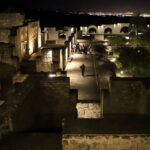
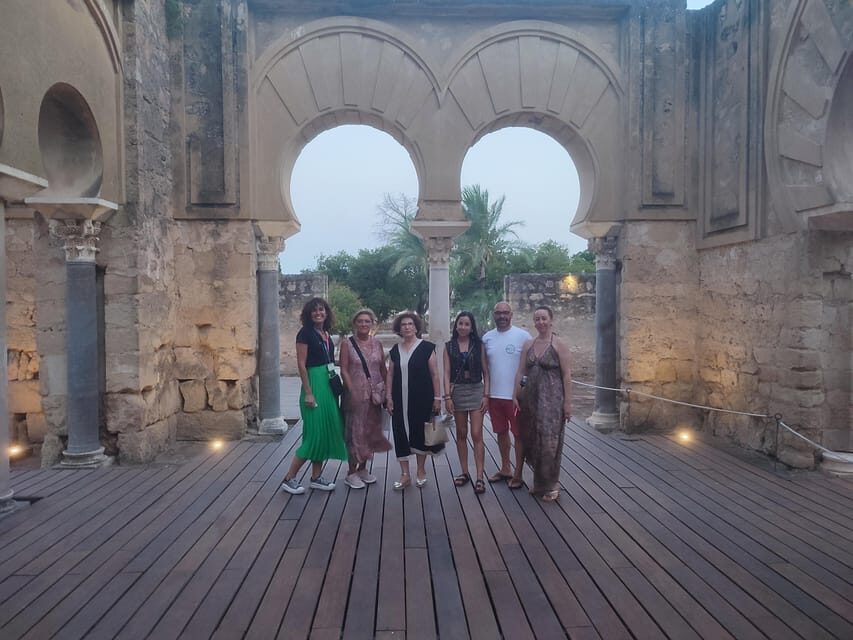
One practical note: illumination can vary. There’s at least one mention of low lighting, so plan your photo expectations accordingly and don’t rely on phone zoom to do the work for you. If you bring a camera and keep your settings ready, you’ll get better results without rushing.
The tour is listed as in Spanish, so you’ll want to decide based on your comfort level with Spanish explanations. If you understand enough to follow, the experience is designed to reward attention.
Other night tours we've reviewed in Cordoba

Price and value: what $11 includes and what can cost extra
At about $11 per person, the big value is what’s included:
- Entrance to the Medina Azahara site
- Live official guide
- Radio guides with single-use headphones when the group is larger than 10
That combination is exactly what you want to avoid paying for twice. Entrance fees plus a trained guide can easily push the cost up when you book things separately.
The extra cost to know about is transport related to the shuttle. The shuttle bus ticket is not included and costs €3. If you’re over 65 or traveling with children from 5 to 12, the shuttle bus price is €1.5. If you’re planning to rely on the shuttle, factor that into your total budget before you assume the price is all-in.
Also, because the tour is 2 hours, you’re buying focused time. If you enjoy learning while seeing a site, that helps justify the price. If you’d rather wander freely without explanations, you might feel more satisfied with independent entry. But for most people, this format is a strong value because it turns the complex into an understandable narrative fast.
Getting there from Córdoba: Córdoba Única, car parking, and Aucorsa Line O1
Meeting up is handled smoothly, but you still need to pay attention to how the guide finds you. The meeting point is tied to Córdoba Única.
- If you arrive by car, the guide waits in the parking lot and identifies you by phone call about 10 minutes before the visit begins.
- If you arrive by bus from Córdoba, the guide waits after you get off and calls you.
So you don’t just show up vaguely and hope for the best. You should be ready with your phone and stay near the pickup point when the call happens.
If you don’t have your own vehicle, you have options:
- Taxi is available.
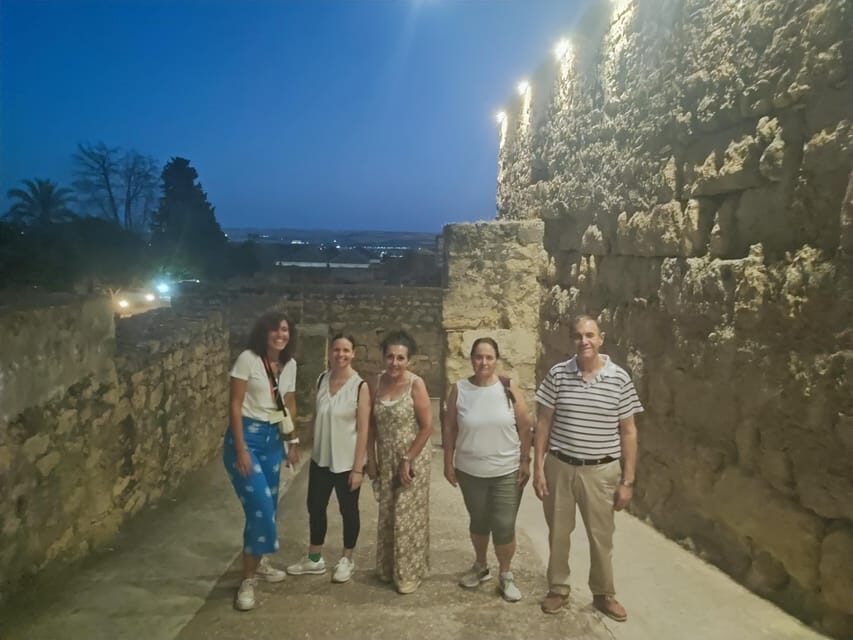
- Aucorsa Line O1 drops you off about 700 meters away from the complex, and you’ll walk the rest.
That 700-meter walk matters at night, especially if you’re carrying a camera and trying to stay on time. Comfortable shoes help in general, and a basic plan helps even more.
There’s also one thing to watch: one guide-related comment mentioned confusion at the start because a bus ride was required for access from where the car was left, and the bus cost wasn’t included. So when you check in or receive the final instructions, ask clearly whether you’ll need the shuttle and when you should expect to pay.
What to bring, what’s not allowed, and who should skip this tour
For your comfort and photo time, bring:
- Camera
- Water
- Comfortable clothes
Those are the essentials listed, and they’re exactly what you’ll appreciate on a short evening outing. Water is especially smart in summer, even when you’re out at night.
What’s not allowed:
- Baby carriages
And the tour is not suitable for people with mobility impairments. That’s important to take seriously. This isn’t framed as an accessible route, so don’t plan on adapting it on the spot.
Finally, consider the kind of night you want. Because lighting can be low, this works best if you’re okay with evening conditions and you enjoy explanations more than you need bright, easy walking paths.
If you’re traveling with kids, note that the shuttle price discounts exist for children 5 to 12, but the tour still bans baby carriages, so it may not be a perfect fit for very young travelers.
Should you book this Medina Azahara night visit?
I’d book this tour if you want your Medina Azahara visit to make sense in a short window. The official guide, the entrance included, and the radio headsets option when groups run large are what turn the ruins into a story you can actually follow.
I’d hesitate if you’re traveling without the ability to handle the access logistics comfortably. The shuttle costs extra, and you might face a short walk depending on your transportation choice. Also skip it if mobility access is a concern, since it’s explicitly not suitable for mobility impairments.
If you’re picking between doing this at night with a guide versus going independently, choose the guided night tour. You’ll come away with names, dates, and a clear reason this palatine city mattered, not just a collection of dark-hour photos.
FAQ
How long is the Medina Azahara night tour?
The tour lasts 2 hours.
What is the meeting point?
You should ask about Córdoba Única. If you arrive by car, the guide waits in the parking lot and calls you about 10 minutes before. If you arrive by bus from Córdoba, the guide waits when you get off and calls you.
Is the entrance fee included?
Yes. Entrance to the Medina Azahara site is included.
Are radio guides included?
Radio guides with single-use headphones are included when the group exceeds 10 people.
Is the shuttle bus included in the price?
No. The shuttle bus ticket is not included. It costs €3, or €1.5 for people over 65 and children from 5 to 12.
What language is the tour guide?
The live tour guide is Spanish.
What should I bring?
Bring a camera, water, and comfortable clothes.
Is this tour suitable for people with mobility impairments?
No. The tour is listed as not suitable for people with mobility impairments.
How strict is the cancellation policy?
Cancellation is free up to 24 hours in advance for a full refund.